

Antique Hallway Console
An antique hallway console brings architectural balance and practical surface space to an entrance, turning an empty threshold into a proper room.

Antique Hallway Console
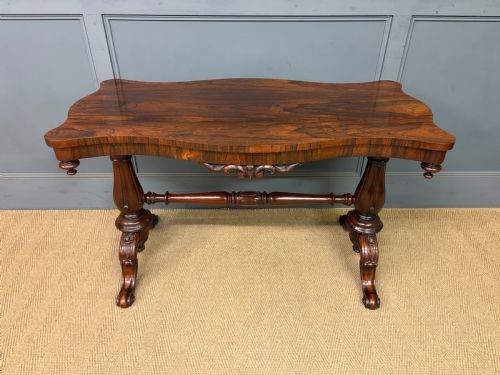
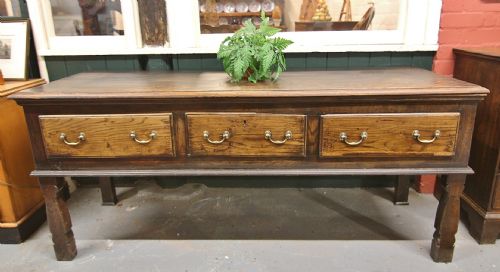
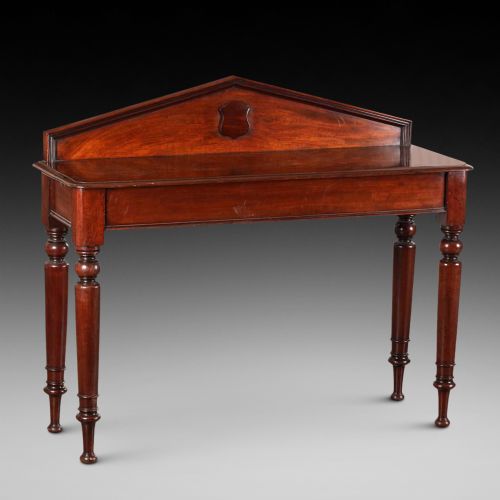
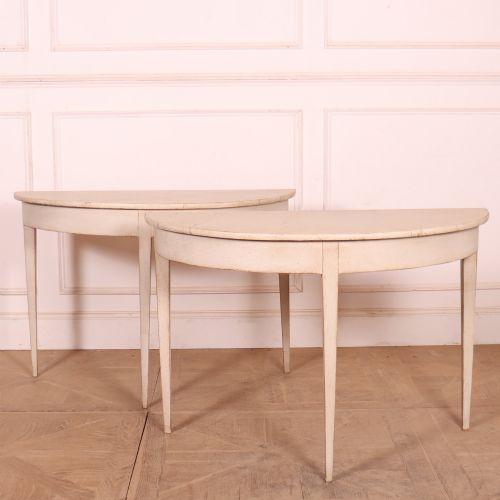
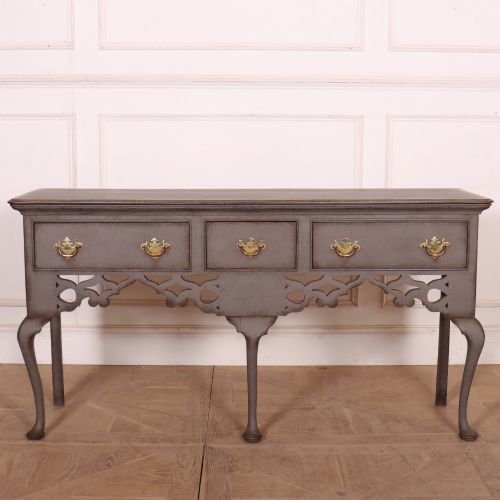
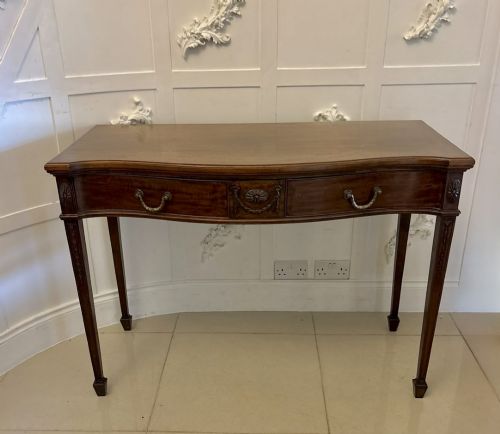
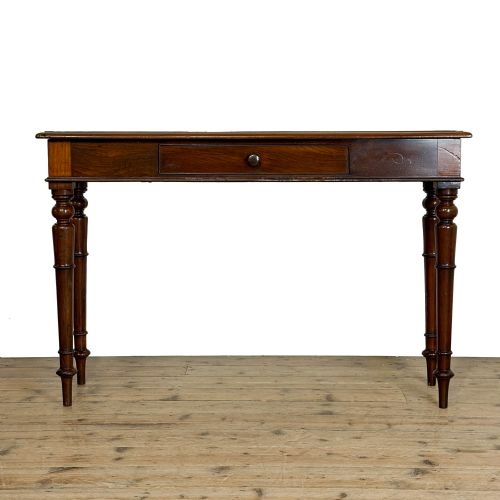
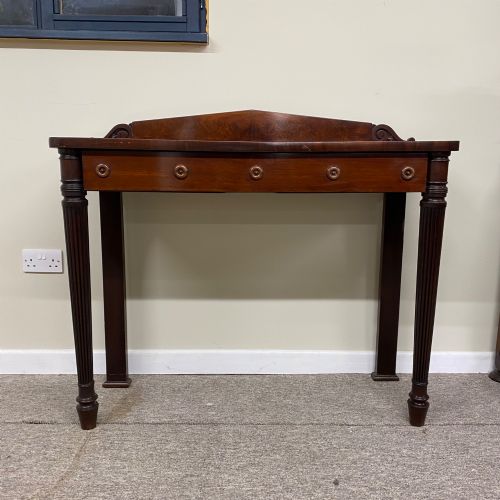
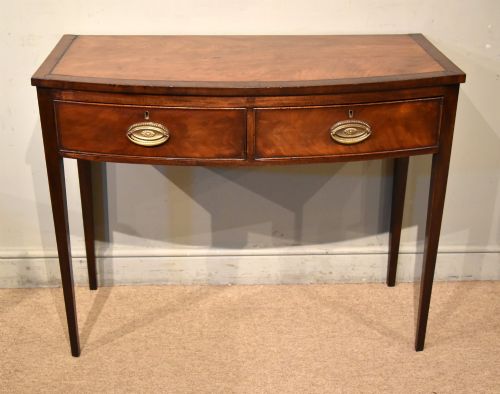
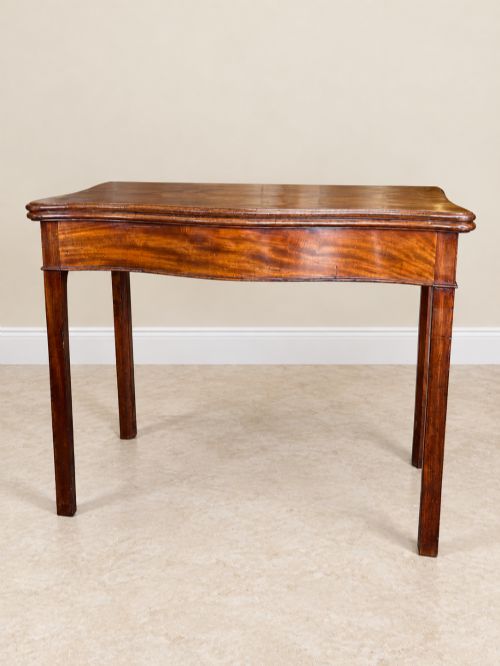
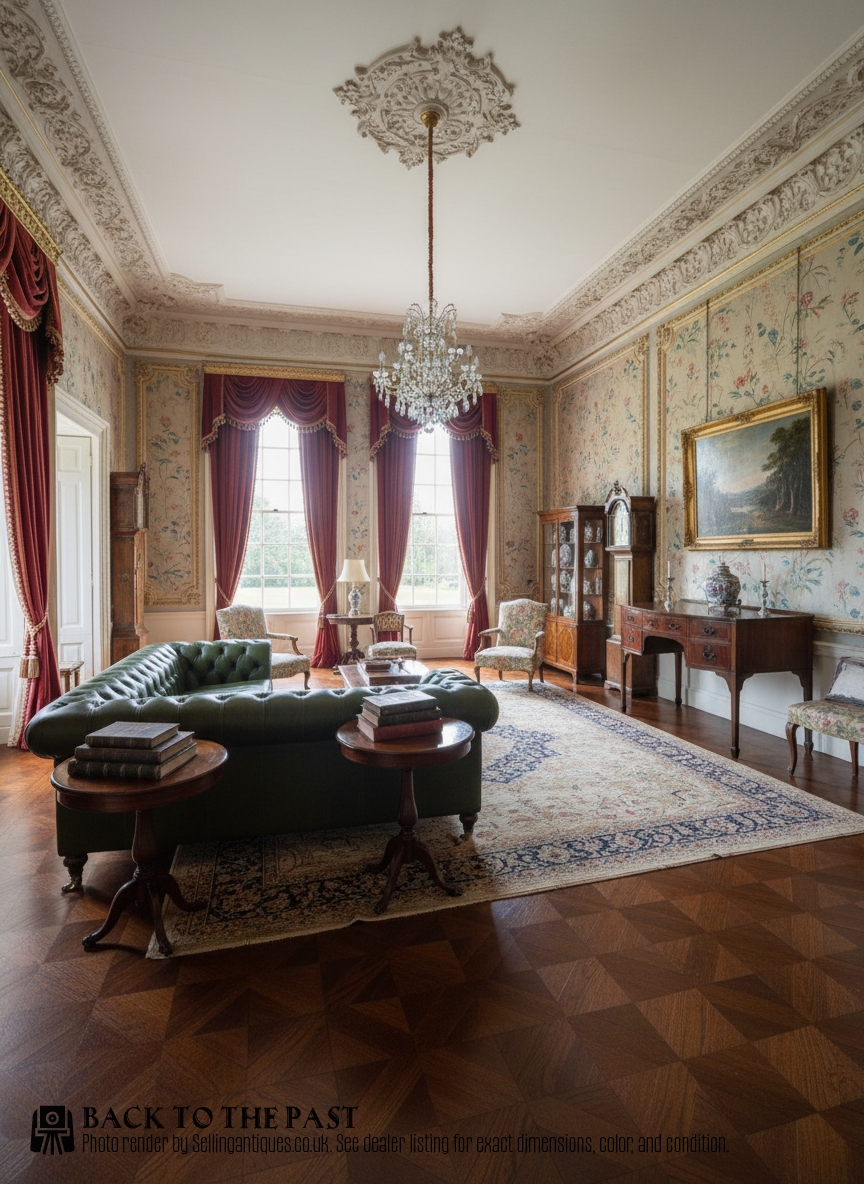
When searching for an antique hallway console, buyers encounter console tables, side tables, sideboards, and dresser bases spanning several centuries. The selection ranges from slender Georgian and Regency demilune forms to solid Victorian and Edwardian oak tables built for narrow domestic spaces.
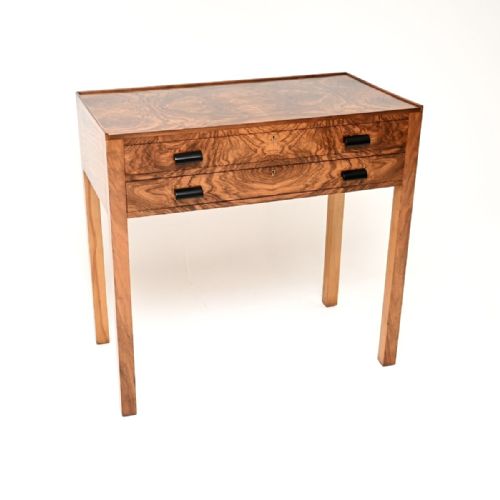
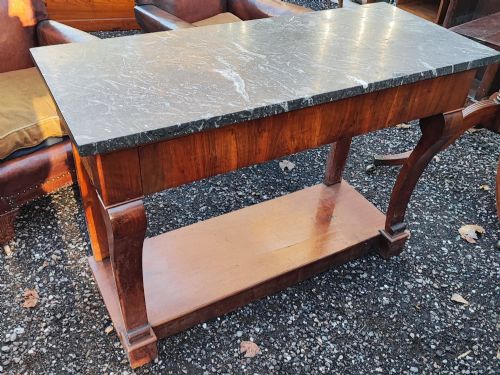
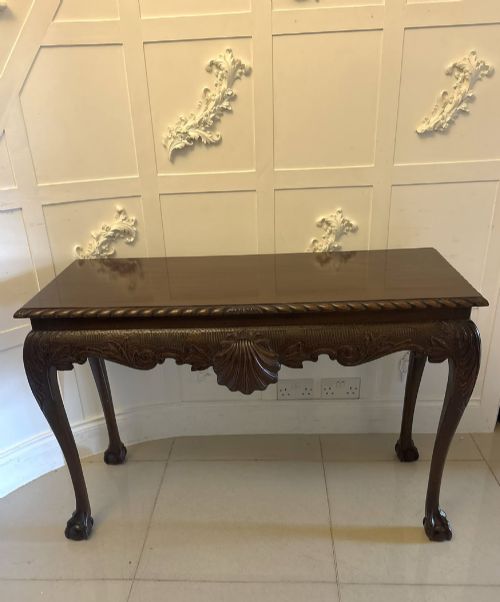
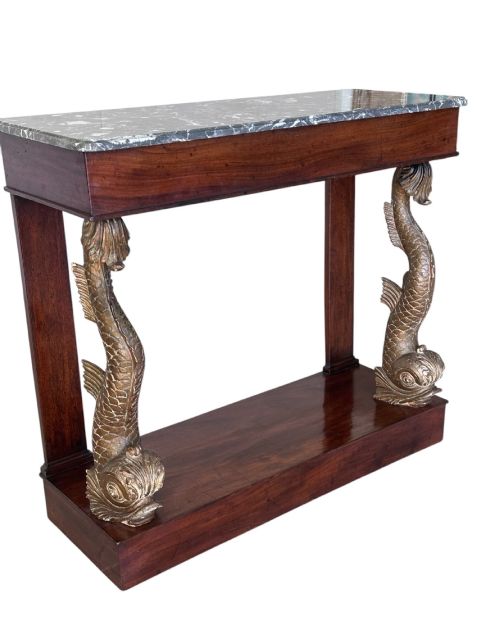
Mahogany and oak dominate the available forms, accompanied by walnut, painted pine, and occasional marble tops. Pieces appear from the eighteenth, nineteenth, and early twentieth centuries, reflecting diverse periods including the Edwardian era, the Victorian period, and Georgian craftsmanship.
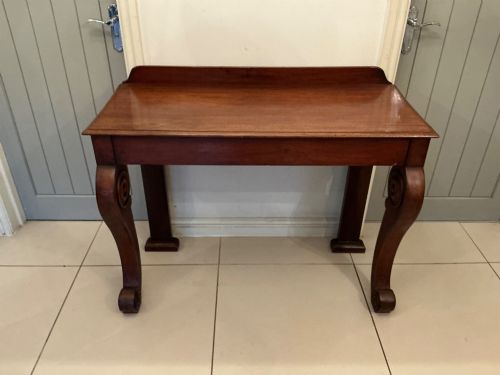
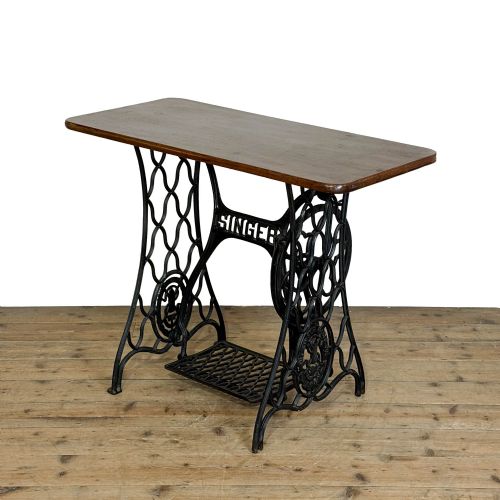
The most frequent configuration is a side table or console table designed to sit flat against a wall without obstructing narrow walkways. Regional variations such as French gilt consoles with pier mirrors and Italian carved desks appear alongside straightforward English oak pieces.
Materials and Construction
Makers relied heavily on hardwoods like mahogany and oak, often selecting figured walnut or pitch pine for distinct grain patterns and structural durability. Timber was seasoned carefully and joined using traditional methods to withstand daily use in busy entrance spaces.
Surface treatments included hand-applied paint, parcel gilt details, and polished wood finishes that highlighted the natural qualities of the material. Marble tops were fitted to specific console tables to provide a durable and cool surface.
Carving and turning appeared on legs and aprons, utilising styles ranging from French Rococo and Gothic revival to plain geometric lines. Brass hardware, including drawer pulls and hinges, provided functional contrast to the timber frames.
Antique Hallway Console Retail Price Guide 2026
Typical asking prices for hallway console among the pieces listed under this phrase on Sellingantiques today, from the lower quarter to the upper quarter. They describe what is for sale here now, not the wider market.
Available forms include console tables, demilune tea tables, dresser bases, washstands, and matching pier mirror sets.
Distinctions in Quality
Quality rests upon the selection of timber and the precision of the joinery rather than mere age or decorative flourish. Superior pieces display carefully matched veneers, such as figured walnut or mahogany, and timbers selected for stability and grain continuity.
The refinement of carved details and the execution of applied gilding or paint separate standard utility items from higher-status furniture. Original hardware, intact marble slabs, and uncompromised structural frames elevate a piece within the range.
Proportion dictates utility in hallway furniture, where shallow depths and balanced heights separate bespoke items from altered or clumsy conversions.
The Antique Hallway Console Glossary
- Demilune
- Half-moon shape, describing tables designed to stand flat against a wall.
- Pier Mirror
- A tall mirror specifically proportioned to hang on the wall space between windows or above a console table.
- Dresser Base
- A low sideboard or serving table featuring cupboards or drawers, originating from the kitchen or dining room.
- Giltwood
- Wood carved and coated with gold leaf or gold paint to create a reflective surface.
- Parquetry or Figured Walnut
- Timber selected for its swirling grain patterns, highly prized in cabinet making for decorative impact.
Antique Hallway Console: Frequently Asked Questions
Where should I place a console table?
A console table fits best in an entrance hall, landing, or narrow corridor where floor space is limited. Its shallow depth allows it to sit flush against a wall without blocking foot traffic.
Positioning one beneath a mirror or painting creates a focal point upon entering the home while providing a convenient surface for post and keys.
How do I identify a Georgian console?
Georgian consoles often feature rich mahogany or walnut timbers, symmetrical proportions, and classical carved motifs such as egg-and-dart or acanthus leaves. Their construction emphasises architectural dignity and structural balance.
Examining the underside reveals hand-cut joints and timber ageing consistent with the eighteenth century rather than later revival periods.
Can I use a side table as a desk?
Many antique side tables and library tables feature adequate height and flat surfaces suitable for occasional writing. Narrow proportions mean knee clearance can be restricted compared to a dedicated desk.
Checking the drawer depth and overall height ensures the piece functions comfortably for seating.
What is the difference between oak and mahogany?
Oak is a heavy, resilient timber with a prominent open grain, frequently found in earlier vernacular pieces and Arts and Crafts designs. It offers a robust, rustic character suited to heavy use.
Mahogany provides a denser, finer grain that takes a high polish and supports sharper carving, typically defining formal nineteenth-century furniture.