

Brown Mahogany Console
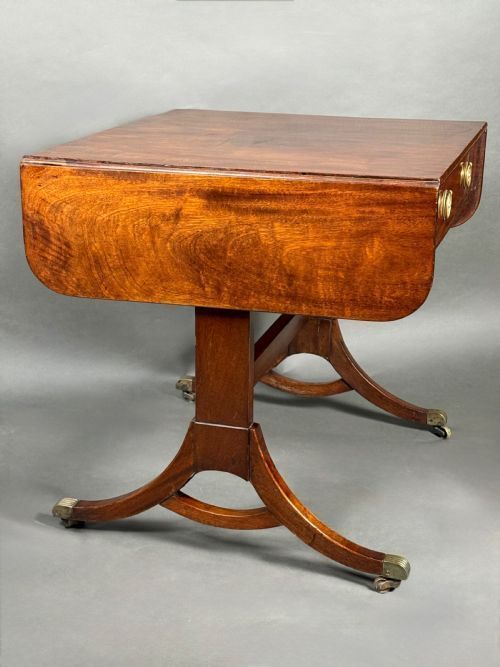
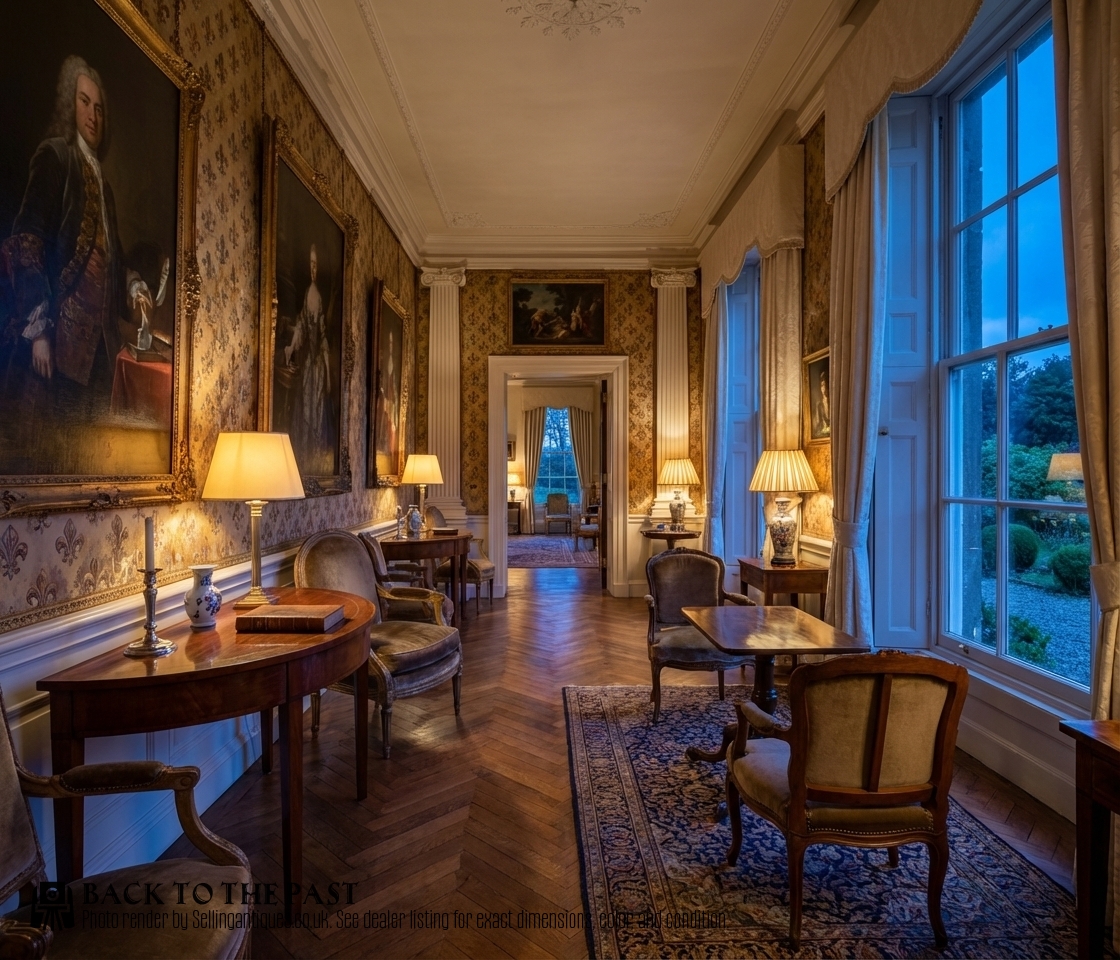
A brown mahogany console brings rich dark wood and classical proportion into a room, spanning periods from the eighteenth century onwards.
Brown Mahogany Console
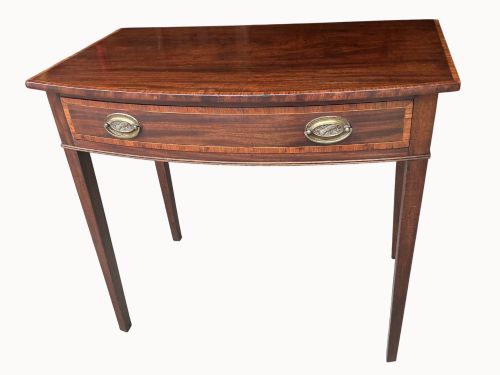
A brown mahogany console table represents a specific form of freestanding or wall-mounted furniture designed to stand against a wall, appearing frequently in Georgian, Regency, and Victorian iterations.
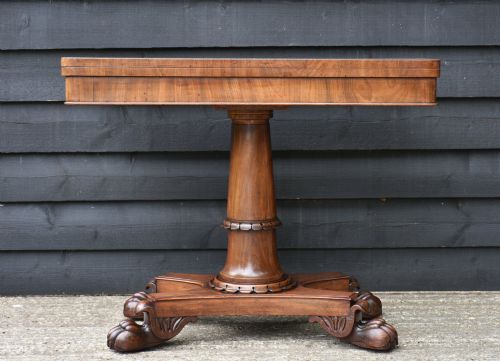
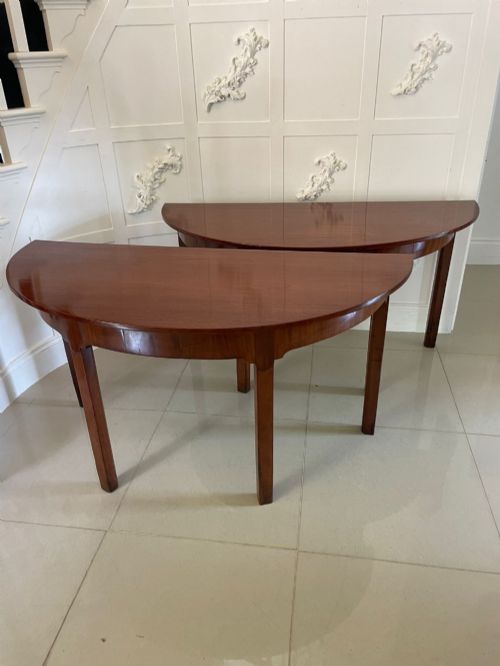
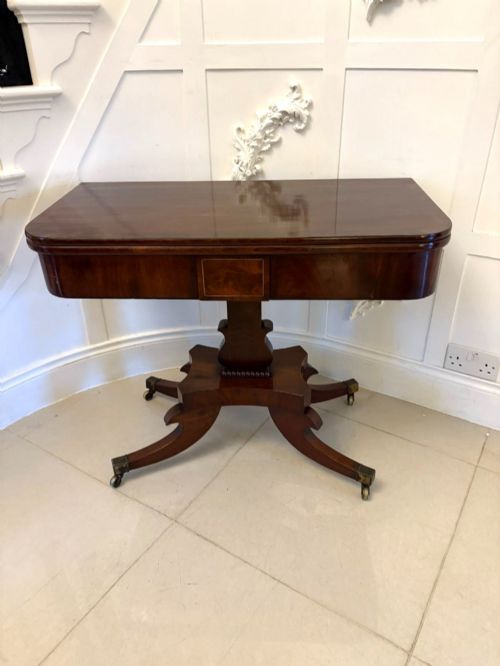
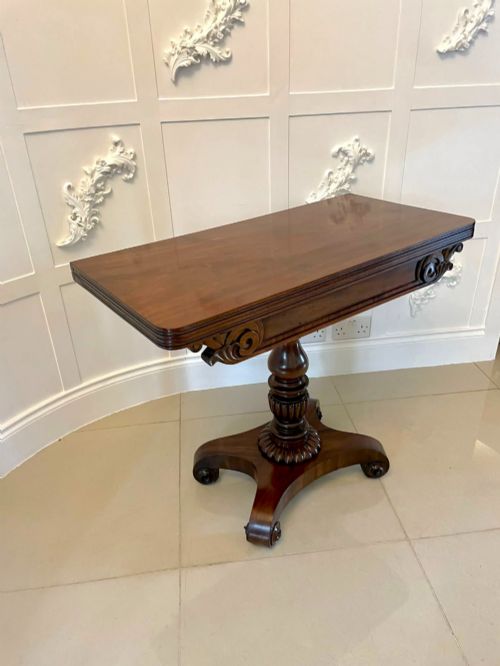
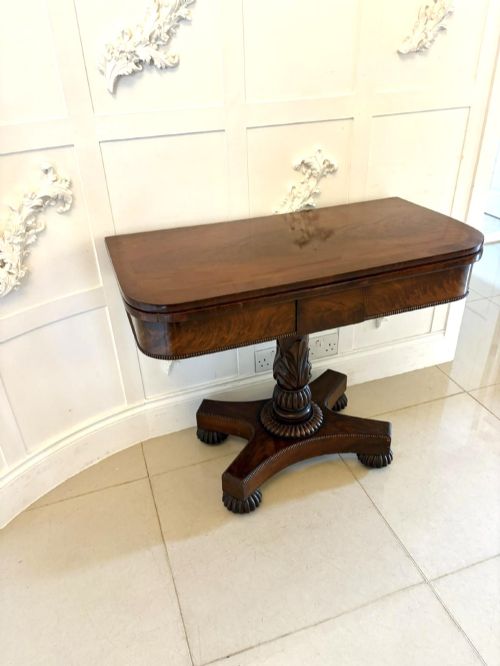
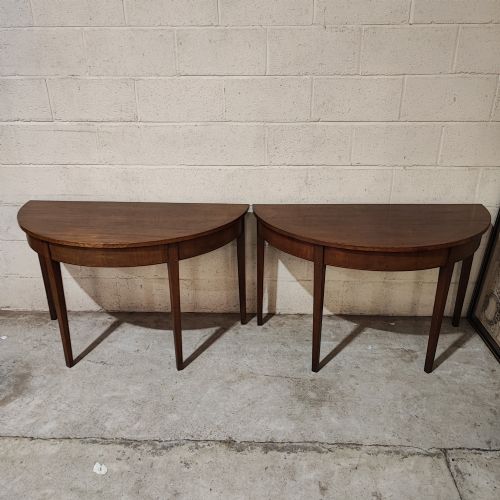
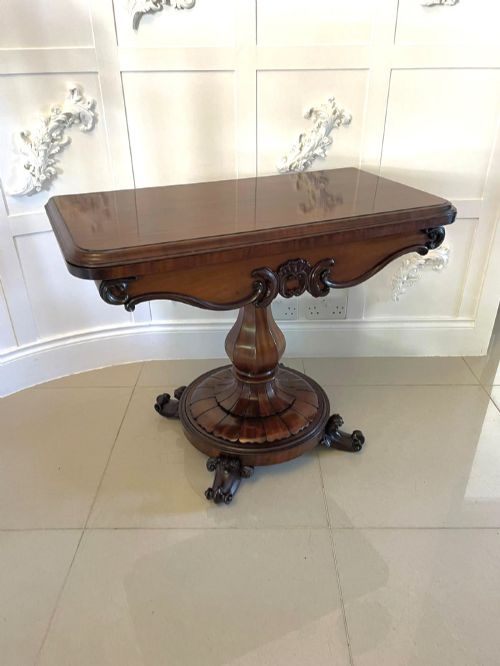
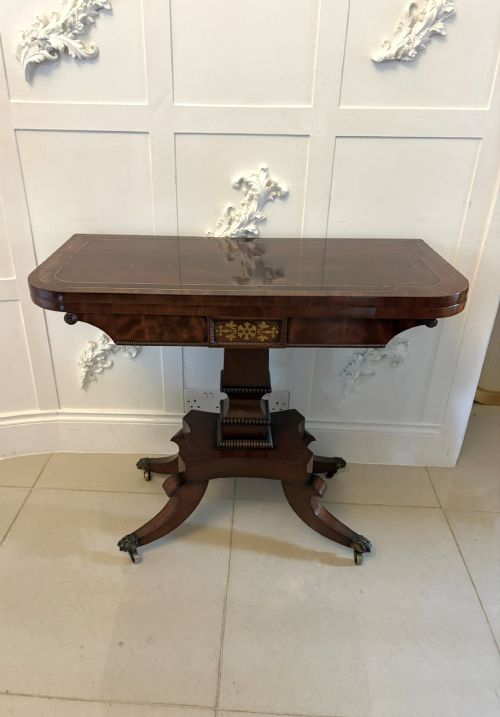
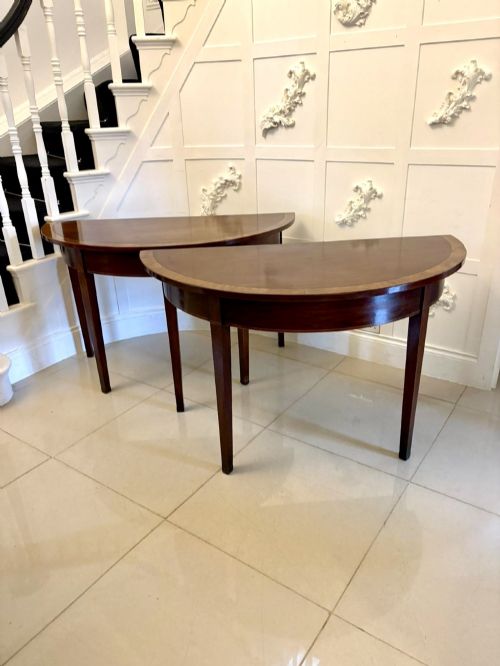
The selection ranges from demi-lune shapes and fold-over card tables to library serving tables and tea tables, often constructed from rich timber.
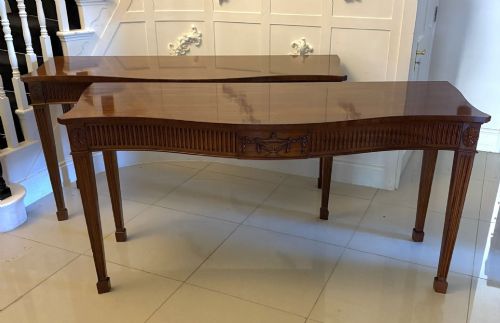
Buyers seeking this type of furniture encounter both pairs of matching tables and single wall pieces across styles spanning the eighteenth, nineteenth, and early twentieth centuries.
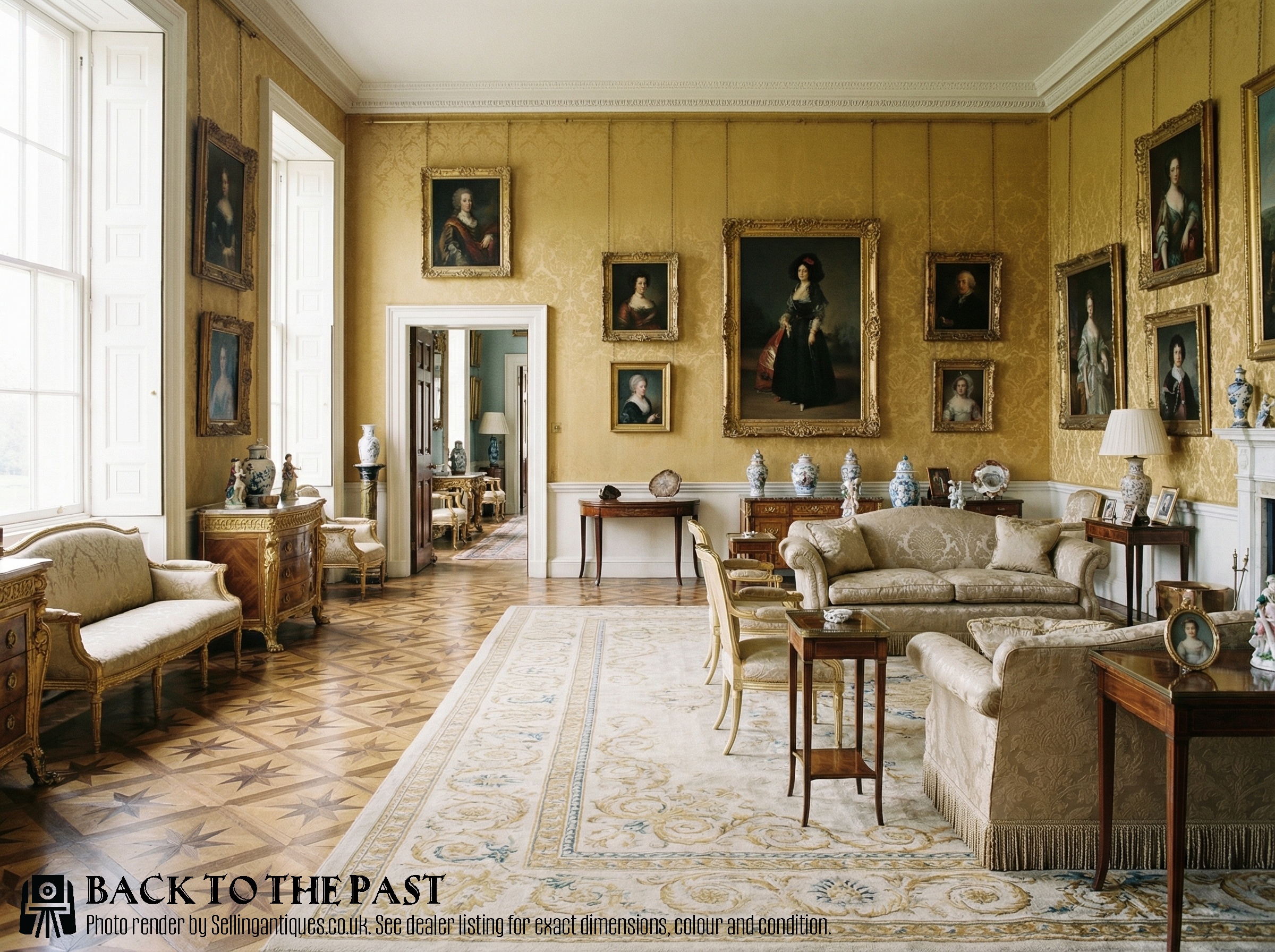
How they were made
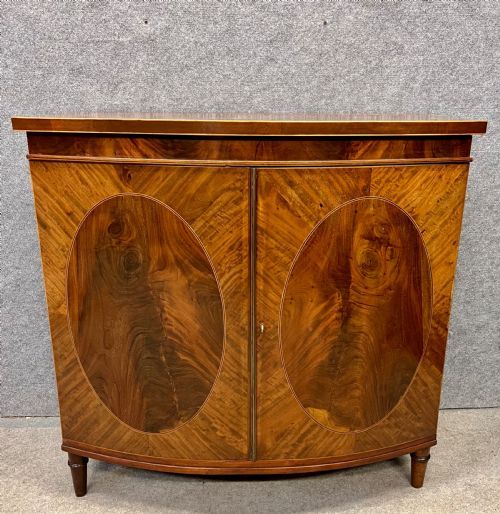
Cabinetmakers utilised solid mahogany and wood veneer, frequently selecting flame mahogany to create distinctive figured surfaces on tops and drawer fronts.
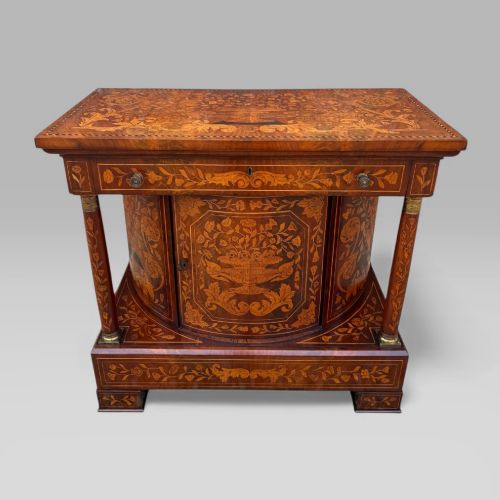
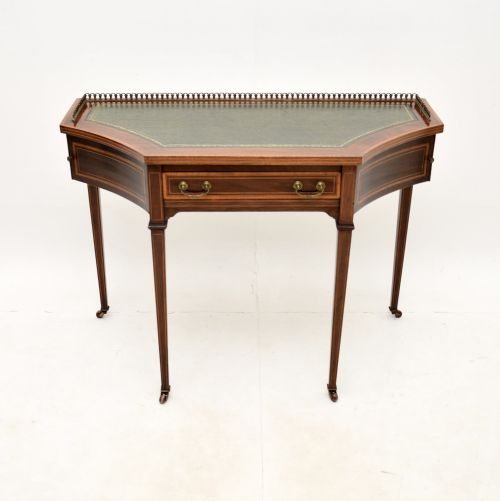
Inlay work incorporated satinwood and boxwood for decorative contrast, whilst brass inlay and brass mounts appeared on Regency examples.
Structural elements occasionally included marble tops and leather inserts on writing surfaces, supported by carved legs in styles such as Chippendale and Dutch Baroque.
Brown Mahogany Console Retail Price Guide 2026
Typical asking prices for brown mahogany console among the pieces listed under this phrase on Sellingantiques today, from the lower quarter to the upper quarter. They describe what is for sale here now, not the wider market.
Listings feature periods from the 18th century to the 1920s, utilising mahogany, brass, marble, and leather.
What varies in quality
The grade of timber selection marks the distinction between standard pieces and top-tier examples, with highly figured flame mahogany and crisp carving elevating a console.
Construction methods such as concertina actions on card tables and fine dovetailing on drawers reflect the original maker's skill.
Depth of colour and natural patination achieved through age separate superior surfaces from lesser examples.
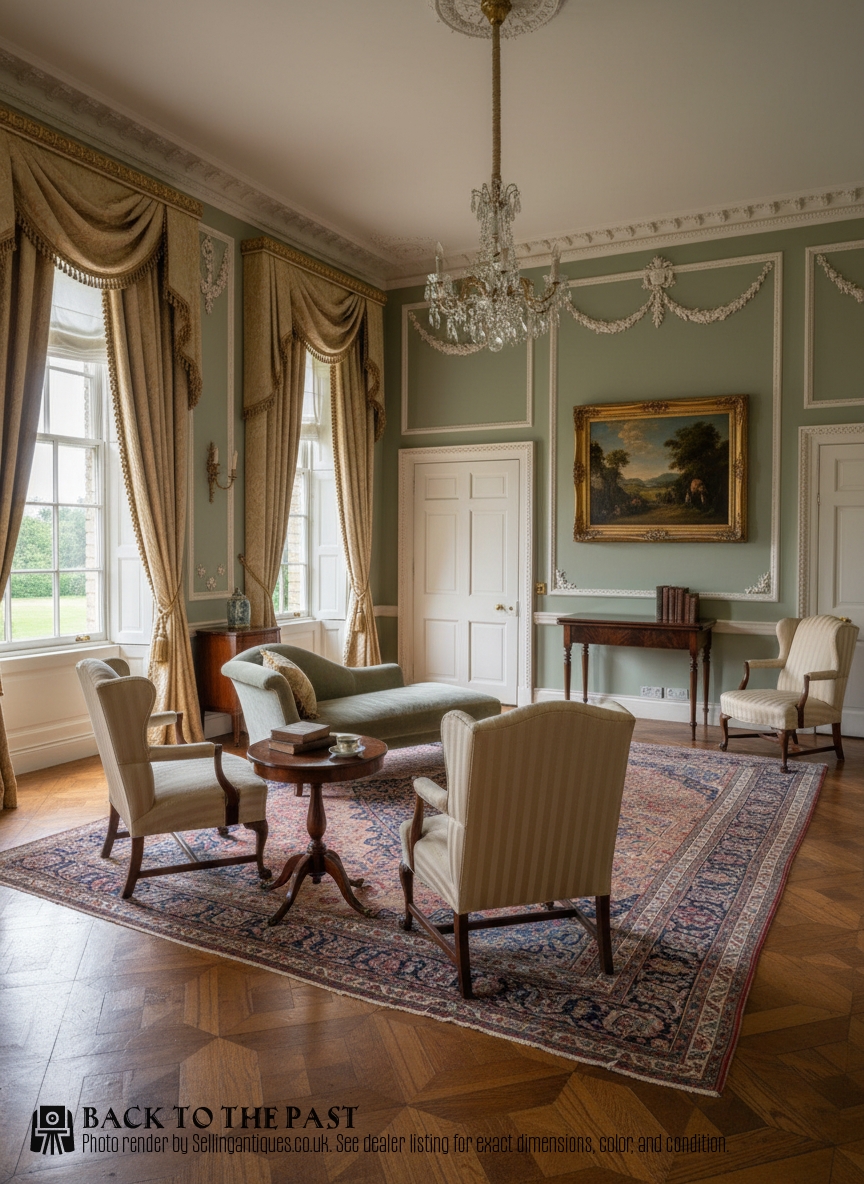
The Brown Mahogany Console Glossary
- Demi-lune
- Having a half-moon shape. This semicircular form allows tables to sit flat against a wall.
- Flame mahogany
- A veneer figure resembling flickering flames. Cabinetmakers prized this grain for prominent table tops.
- Concertina action
- An expanding frame mechanism used on tables. It supports a folding top when opened for games or dining.
- Inlay
- Material set into the surface for decoration. Satinwood and boxwood lines create contrast against dark mahogany.
- Patination
- The surface sheen developed through age and use. Good patination shows depth and warmth in the wood.
Brown Mahogany Console: Frequently Asked Questions
What is a brown mahogany console used for?
These tables served various domestic functions depending on their specific form, from displaying decorative objects in a hallway to acting as temporary dining or card tables.
Many designs feature fold-over tops that expand for gatherings, whilst simpler side tables provide a sturdy surface for lamps and books.
How do I identify a Georgian console?
Georgian pieces typically display robust proportions, classical carved details such as ball and claw feet, and substantial mahogany timber without later modifications.
Makers from this era focused on architectural symmetry and balanced form, often utilising straight or shaped aprons beneath the tabletop.
Are these tables usually sold in pairs?
While many console tables survive as single pieces, larger formal rooms often required matching pairs to flank a fireplace or architectural doorway.
Surviving pairs of demi-lune tables are particularly sought after for symmetry in interior arrangement.
What is the difference between a console and a side table?
Console tables historically relied upon the wall for stability or attached directly to it, whereas side tables stood independently on four legs.
Over time, these definitions overlapped as makers produced versatile pieces suited for placement against any interior wall.