


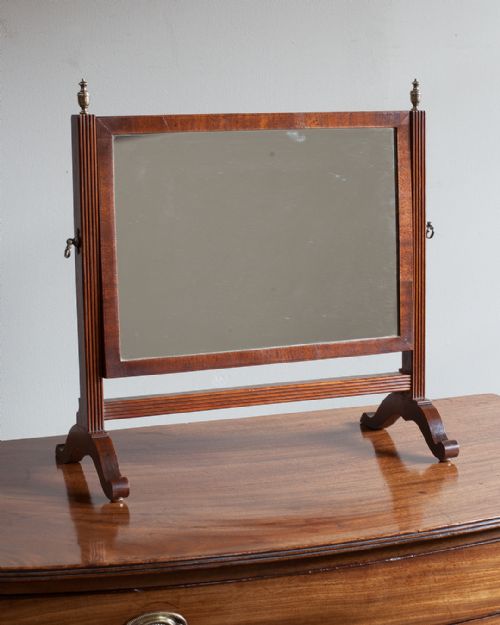
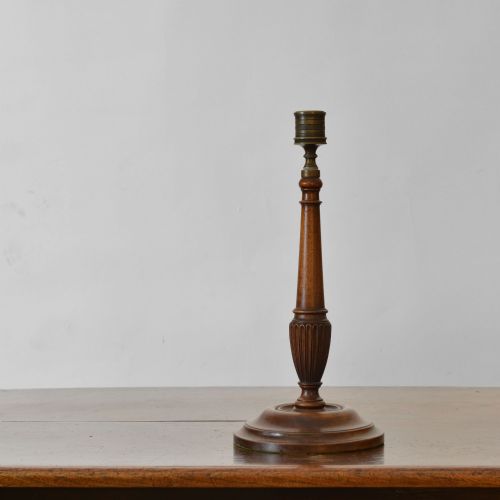
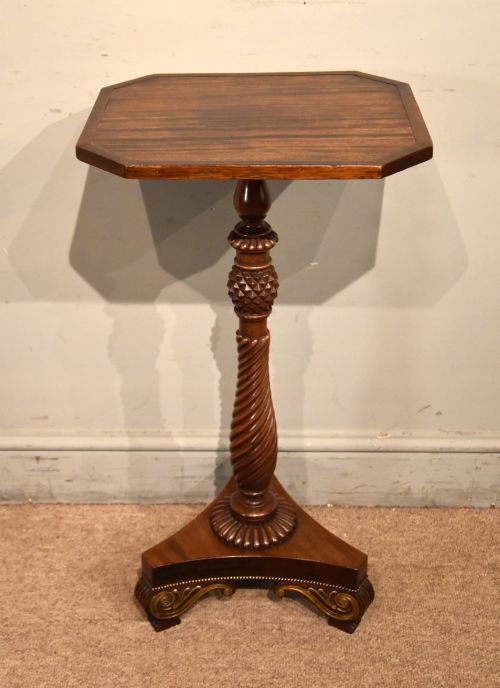
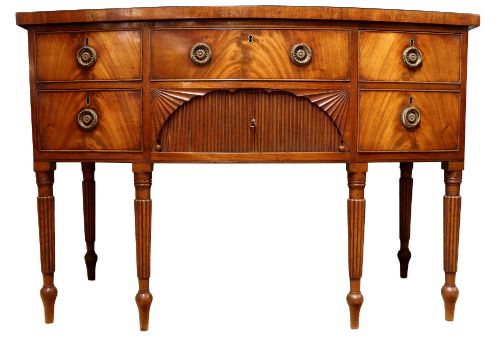
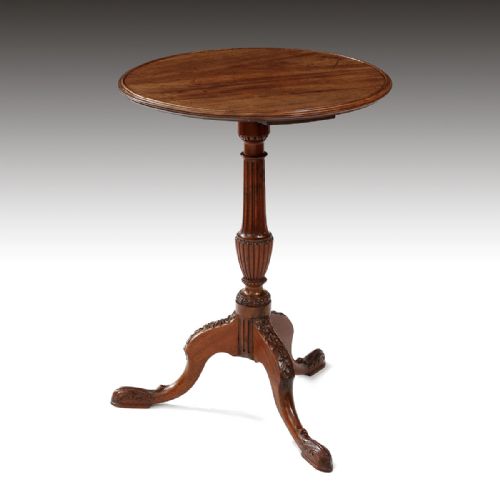
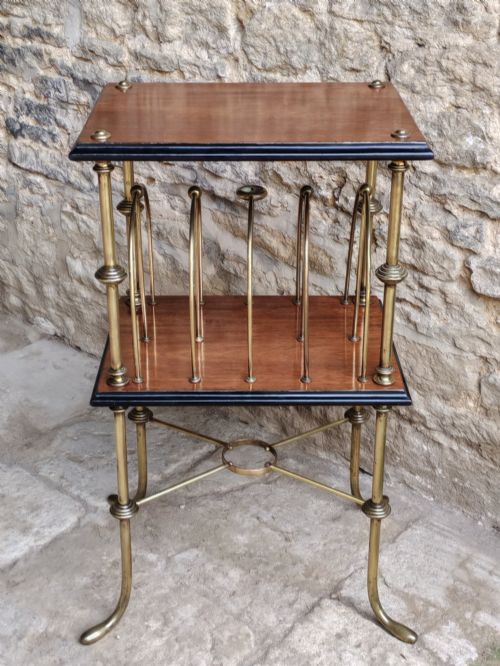
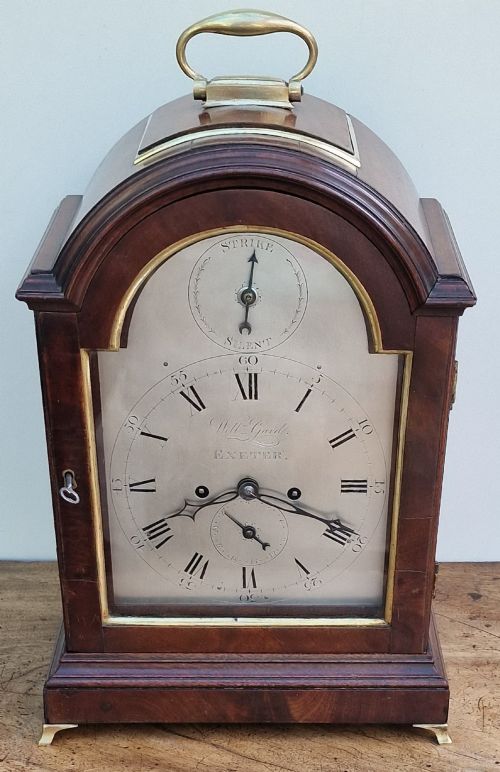
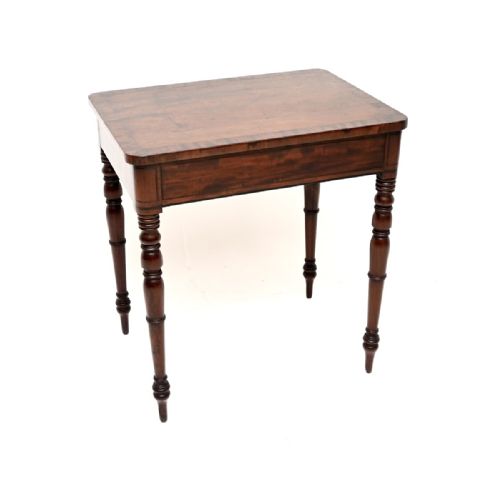
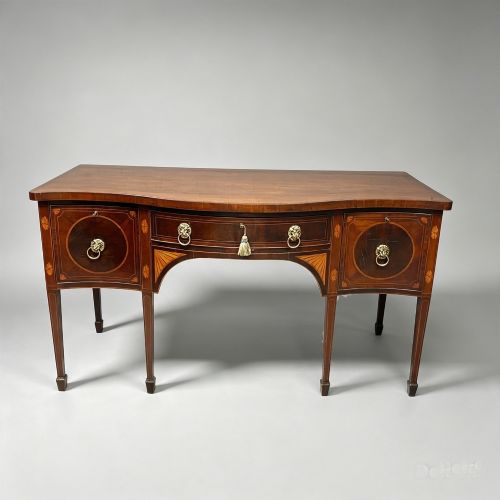
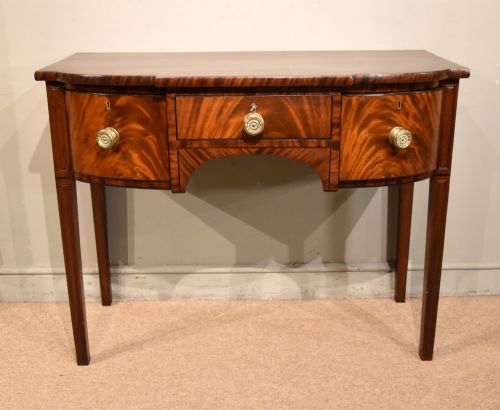
Period Mahogany Table
A period mahogany table brings warm timber and honest Georgian or Regency craftsmanship directly into a room.
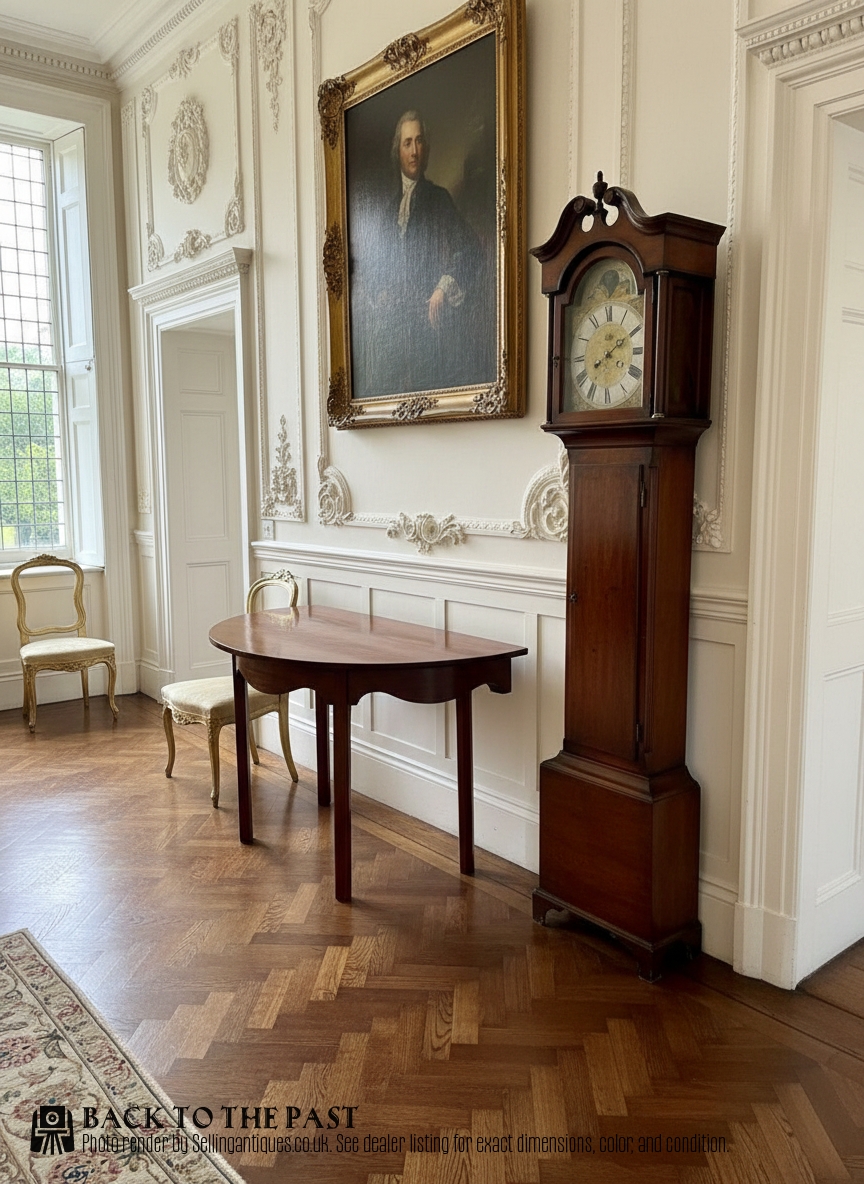
Period Mahogany Table
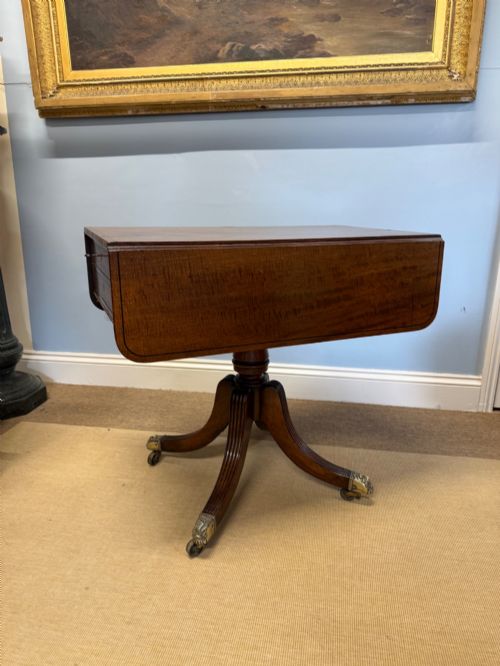
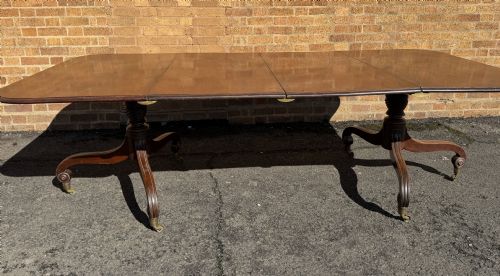
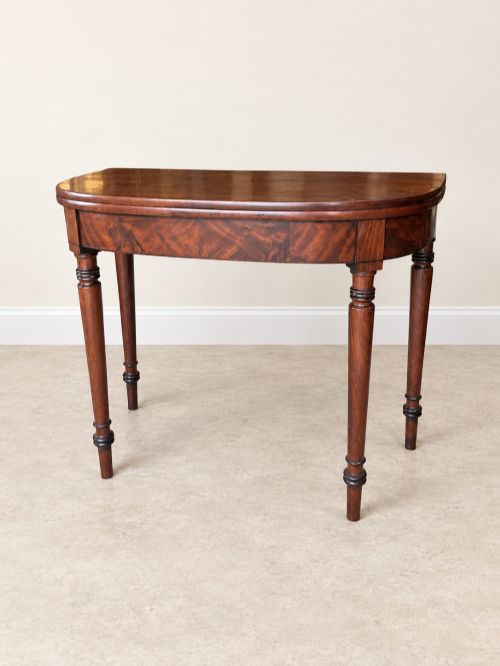
The pieces on this page include Georgian, George III, and Regency examples, ranging from foldover tea tables to large dining and console tables.
Buyers look for these tables to anchor a room with traditional timber, sturdy frames, and functional surfaces that have survived generations of daily use.
Materials and Construction
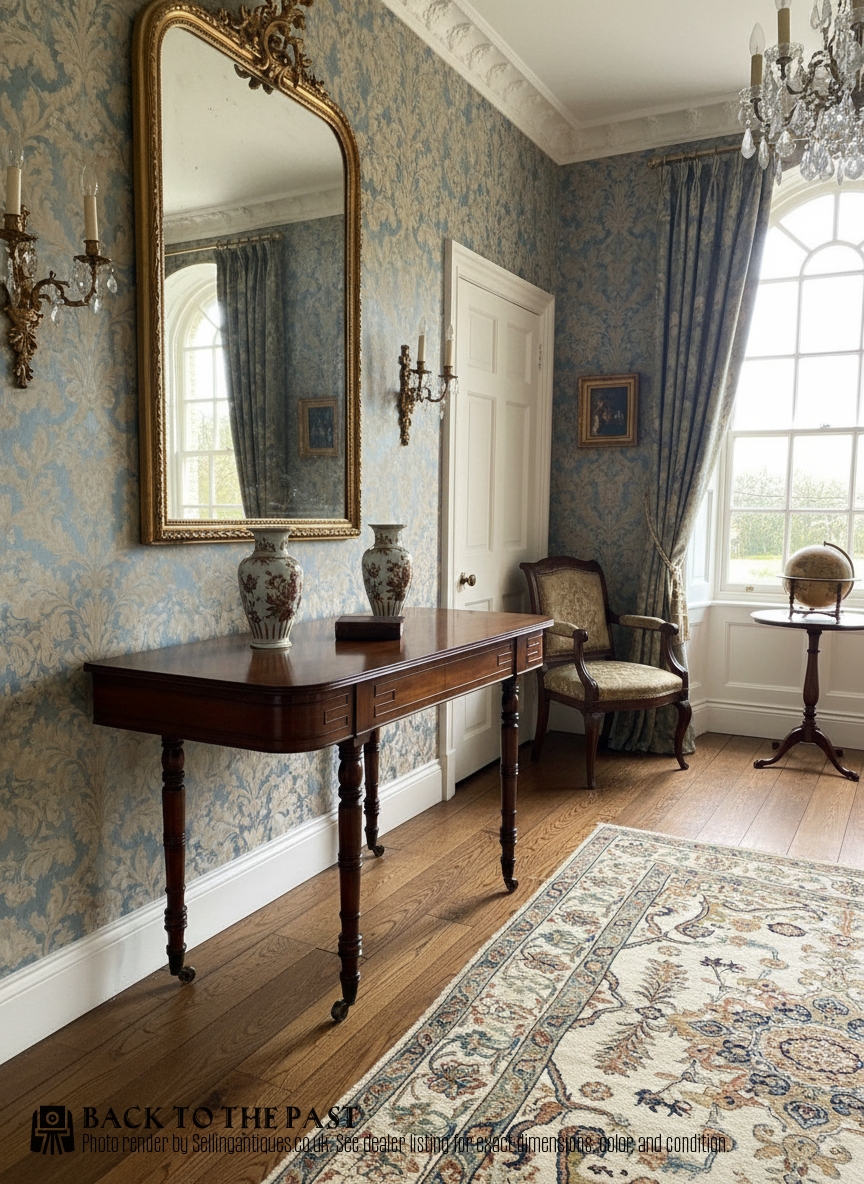
Cabinetmakers constructed these tables using solid mahogany and mahogany veneers, sometimes pairing the rich dark timber with brass castors, hinges, or inlaid details.
Joinery techniques included mortise and tenon frames, clever birdcage actions, and drop-leaf mechanisms designed for flexibility in period homes.
Retail Price Guide 2026
Typical UK retail prices for period mahogany table, calculated from the Sellingantiques database of over a million retail prices indexed since 2003. This retail price guide relies exclusively on Sellingantiques data; no external sources or auction records are used, so the figures do not describe the wider market.
Deception tables in the archive remind us that eighteenth-century dining involved secret compartments for hiding extra bottles from inquisitive guests.
Evaluating Quality
Quality rests on the depth of the timber's grain, the crispness of any carved detailing, and the integrity of the original structural joints.
Tables with uncompromised proportions, patinated surfaces, and working mechanisms sit comfortably at the higher end of the range.
The Period Mahogany Table Glossary
- Mahogany
- A durable tropical hardwood prized for its rich reddish-brown colour and smooth finish. Cabinetmakers favoured it throughout the Georgian and Regency eras.
- Console table
- A table designed to stand against a wall, frequently supported by decorative legs or brackets. These often served decorative or serving functions in formal rooms.
- Drop-leaf table
- A table with hinged flaps on either side that can be raised to expand the surface area. This design allowed furniture to adapt to different social occasions.
- Birdcage action
- A clever pivoting wooden mechanism beneath a tripod table top. It allows the top to tilt and rotate independently of the central pillar.
- Demi lune
- A half-moon shape used for console and side tables. These pieces fit snugly against a wall while offering a curved front edge.
Frequently Asked Questions
How do I care for a mahogany table?
Keep the timber away from direct heat sources and strong sunlight to prevent the polish from fading or cracking over time. Regular dusting with a soft, dry cloth helps maintain the natural lustre of the wood.
Apply a quality beeswax polish occasionally to nourish the surface and protect the grain. Avoid placing wet glasses or hot plates directly onto the antique timber.
Were these tables used for dining?
Many of the larger forms, including pedestal and drop-leaf designs, served daily dining needs in period households. Smaller versions functioned as side, tea, or writing tables.
Owners adapted rooms throughout the day by moving lighter tables or folding down leaves when meals ended.
How do I distinguish George III from Regency?
George III pieces often display classical proportions, subtle carving, and straight or cabriole legs rooted in eighteenth-century traditions. Mahogany tones tend to be warm and mellow.
Regency tables frequently incorporate bolder classical revival elements, darker rosewood or ebony stringing, and heavy brass mounts reflecting early nineteenth-century tastes.