

Georgian Mahogany Tray
A georgian mahogany tray is a practical piece of serving or display furniture that brings rich grain and solid construction to any room.
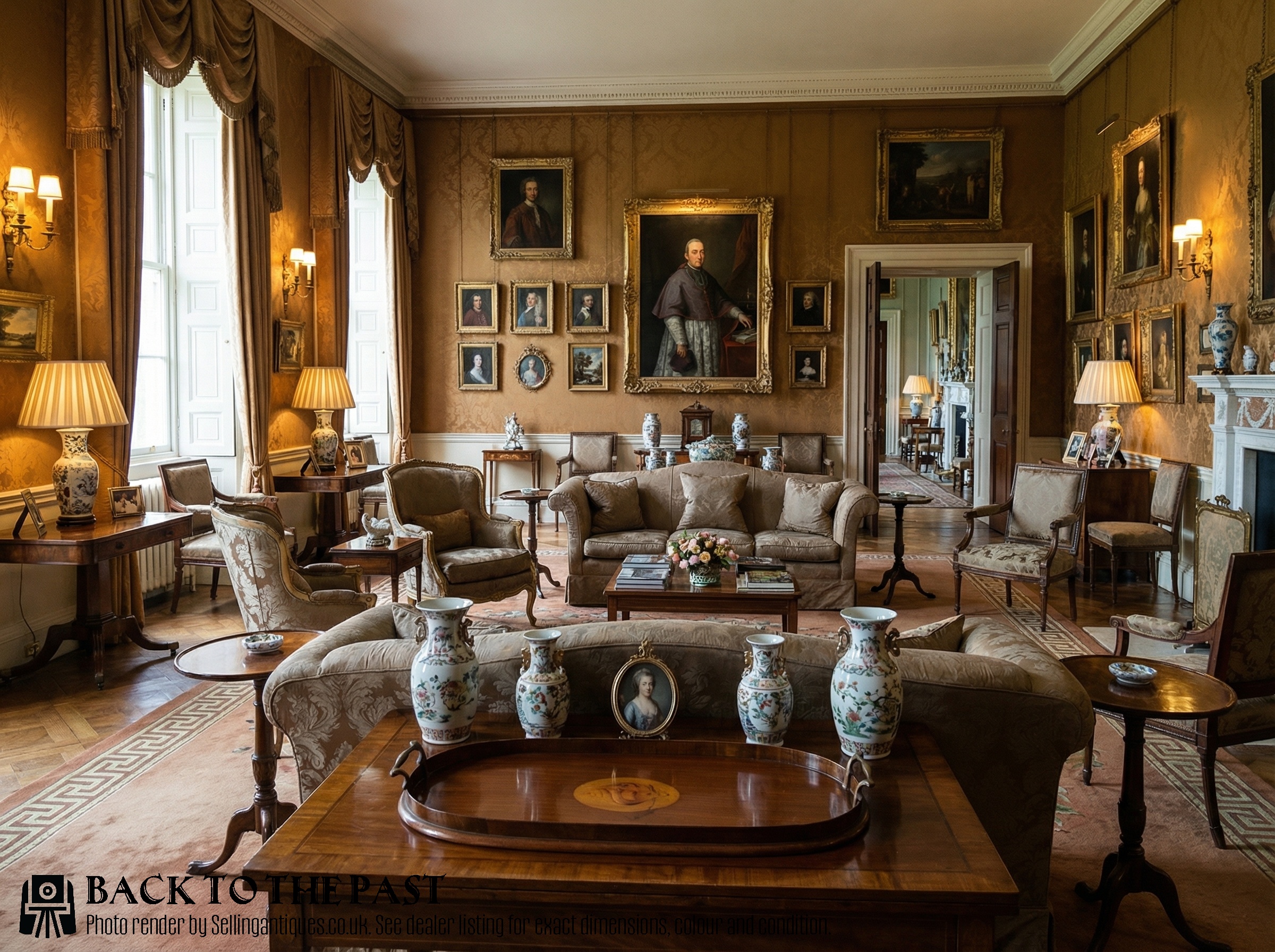
Georgian Mahogany Tray
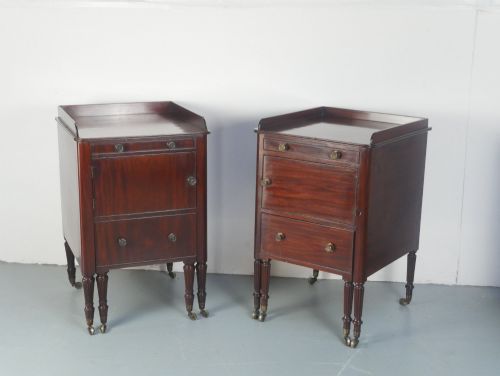
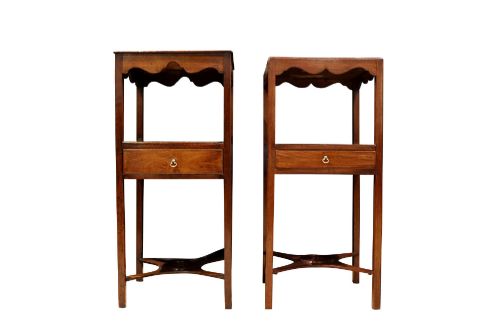
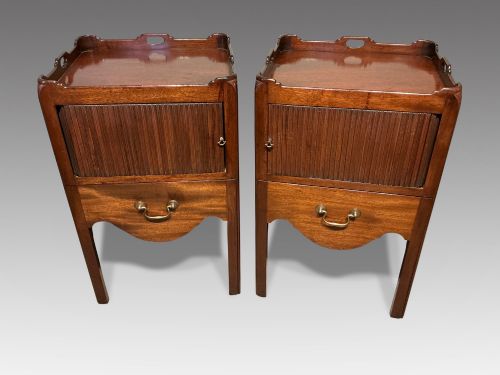
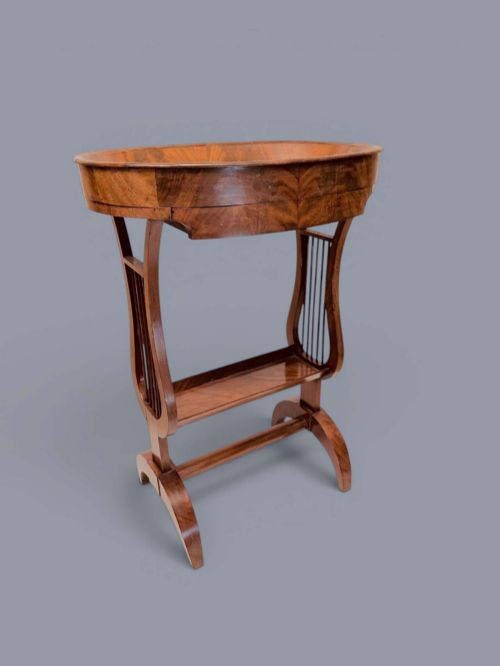
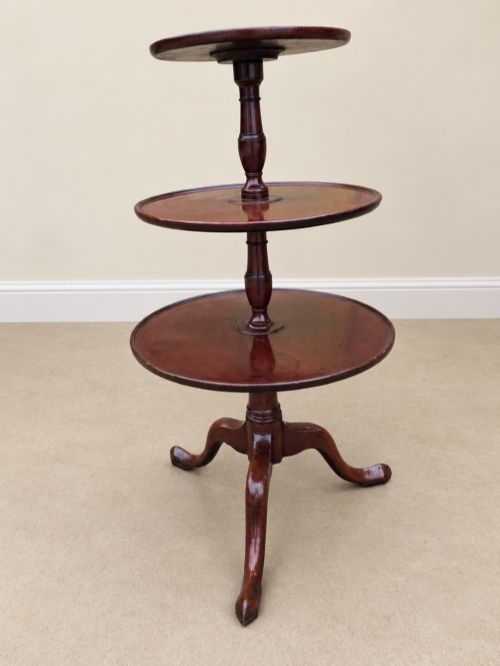
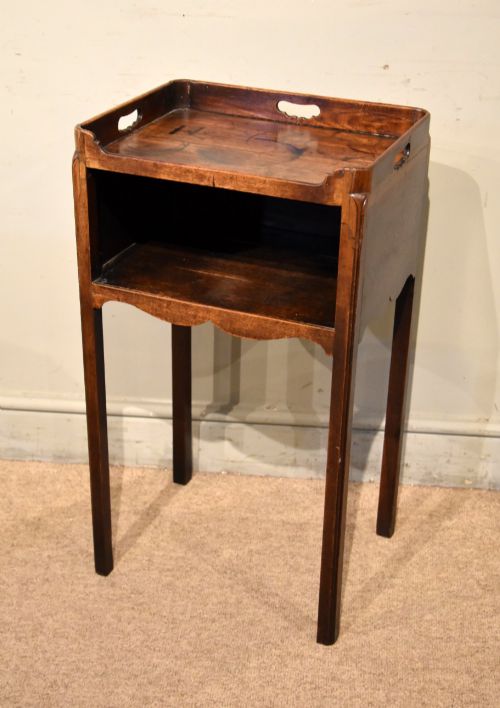
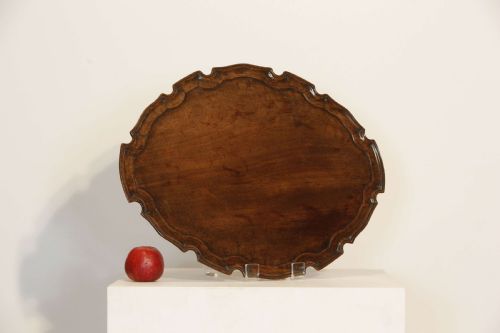
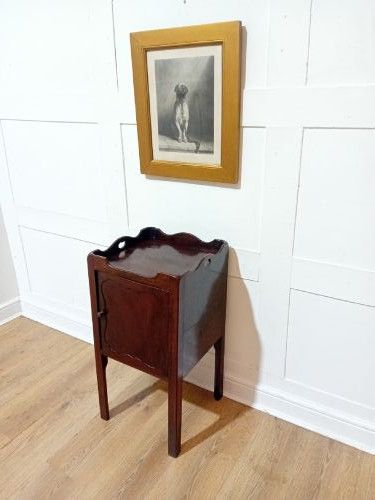
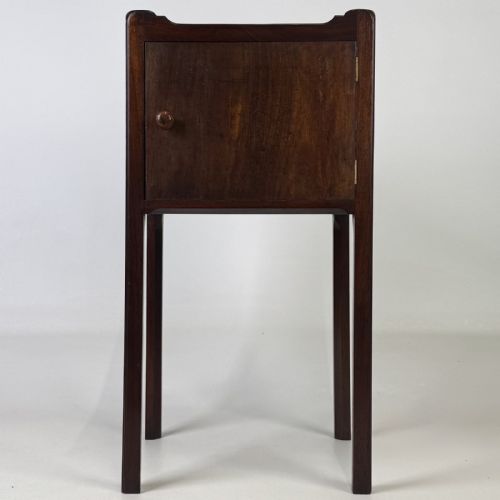
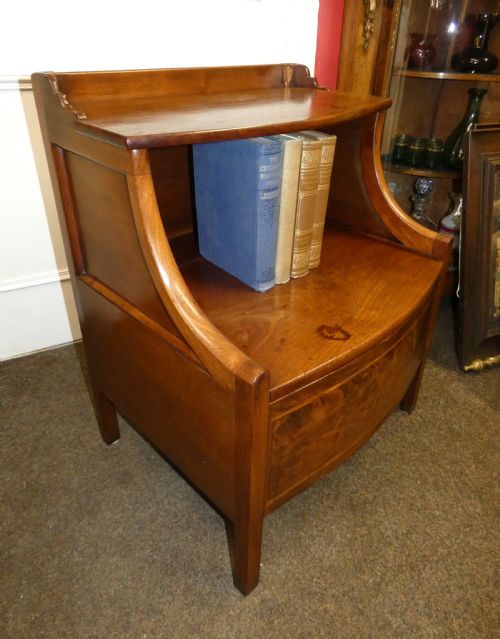
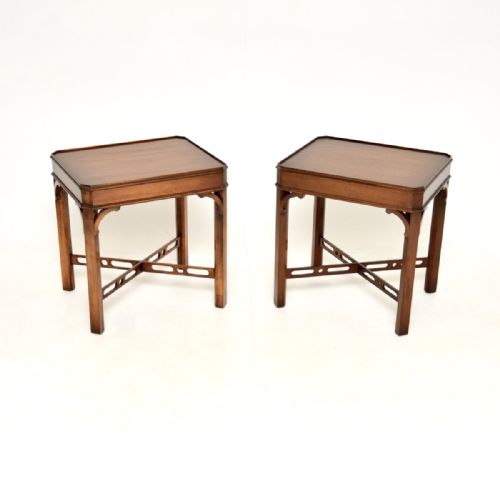
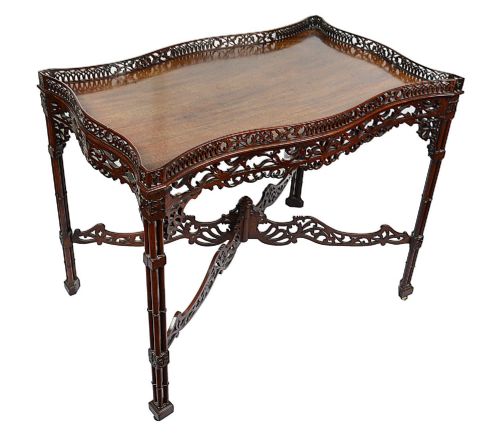
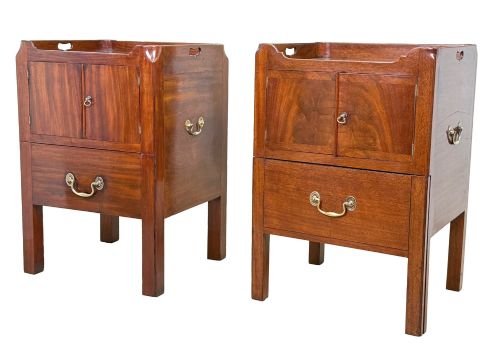
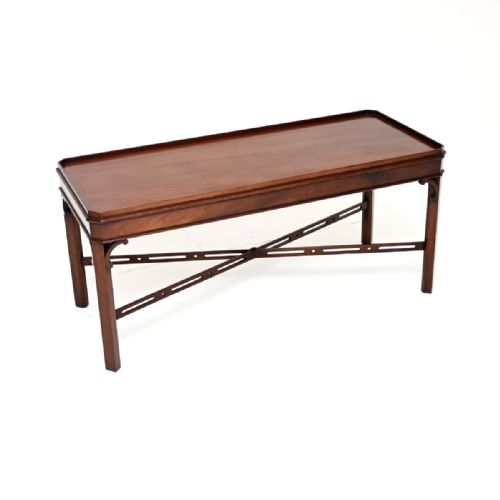
A georgian mahogany tray encompasses serving trays, butler's trays, and cutlery trays alongside occasional tables and bedside commodes featuring raised tray tops. These pieces originate primarily from the 18th century and the Georgian period, with some later examples from around 1900.
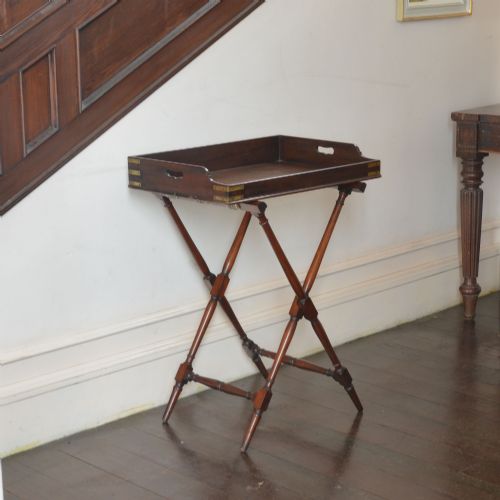
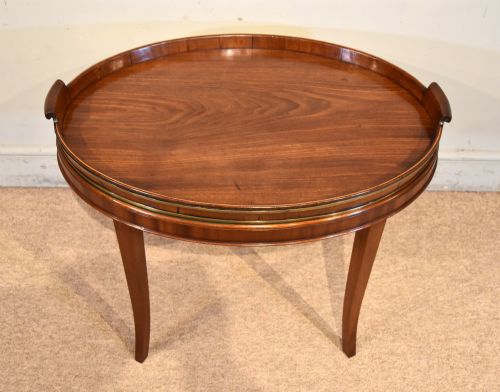
Serving and butler's trays appear in oval, kidney-shaped, long, and rectangular forms, often designed to sit upon dedicated folding stands or serving tables. The listings frequently show domestic storage and serving furniture where the upper surface incorporates a distinct tray edge.
Buyers encounter both standalone carrying trays with brass handles and complex furniture forms such as nightstands, washstands, and linen cupboards incorporating tray tops. The selection ranges from simple cutlery caddies to substantial oval trays with intricate gallery rails.
How They Were Made
Cabinet makers utilised solid mahogany and flame mahogany timbers, often enhanced by decorative boxwood and ebony marquetry inlay. Coopered construction appears on specialist pieces, using tight stave joints to form curved sides.
Metal fittings such as brass handles and hinges provide functional support and contrast with the dark wood. Gallery edges are constructed using pierced cutwork or raised mouldings pinned and glued directly to the baseboards.
Georgian Mahogany Tray Retail Price Guide 2026
Typical asking prices for georgian mahogany tray among the pieces listed under this phrase on Sellingantiques today, from the lower quarter to the upper quarter. They describe what is for sale here now, not the wider market.
The archive listings demonstrate that these pieces encompass both portable serving trays and fitted furniture forms like nightstands and cupboards.
What Varies in Quality
The sophistication of the timber grain marks the distinction between standard items and superior examples, particularly where highly figured flame mahogany or precise marquetry inlay is present. Finely executed gallery rails, whether pierced from the solid or joined with precise mitres, indicate skilled workmanship.
Originality of the supporting stands and brass hardware determines the integrity of pieces sold as complete combinations. Superior objects retain their untouched timber surfaces and original structural joinery without heavy replacement parts.
The Georgian Mahogany Tray Glossary
- Butler's tray
- A removable tray with hinged or panelled sides designed to rest upon a folding wooden stand for serving drinks or meals.
- Cutlery tray
- A small divided wooden box with a central upright carrying handle used for sorting and transporting flatware.
- Tray top commode
- A small bedside cabinet or enclosed table featuring a raised moulded edge around the upper surface to prevent items from sliding off.
- Coopered
- Constructed from vertical wooden staves fitted together with curved joints, typically used to form rounded vessel walls.
- Gallery
- A raised ornamental border running along the outer edge of a tray or table top to secure items placed upon it.
Georgian Mahogany Tray: Frequently Asked Questions
What is a butler's tray?
A butler's tray is a portable wooden tray featuring solid sides that often fold flat, designed to lift off its supporting stand when clearing rooms.
These versatile items were utilised in period homes for moving dining utensils and beverages between the kitchen and reception rooms.
How do I use a tray top commode?
A tray top commode functions as a bedside table or nightstand, offering an enclosed cupboard space below a secure upper surface.
The raised rim ensures that lamps, water jugs, and personal items remain safely contained during daily use.
Are stands usually original?
Many trays survive alongside their original folding stands, though some pieces are paired with later stands constructed in a matching timber.
Checking the joinery and timber patina helps determine whether the base and the upper tray originated together as a single item.
What woods were used?
Cabinet makers relied primarily on mahogany, frequently selecting highly figured flame mahogany veneers for decorative effect.
Inlay work incorporates contrasting materials such as boxwood and ebony to outline borders and central motifs.