
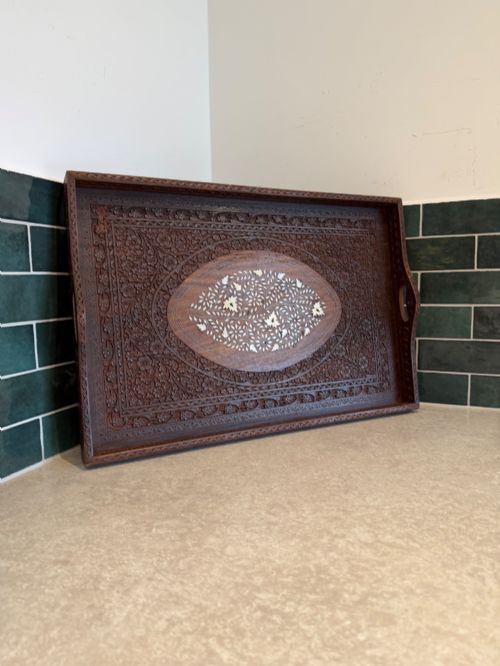

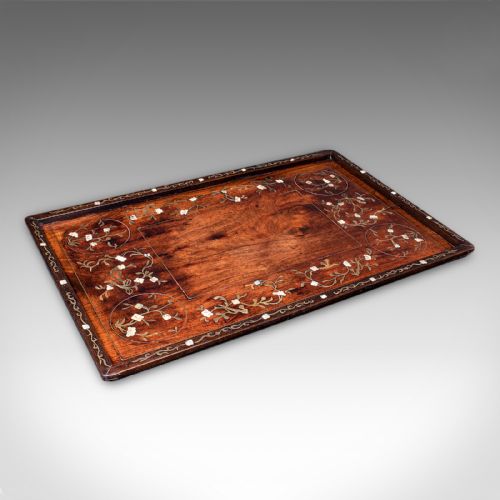
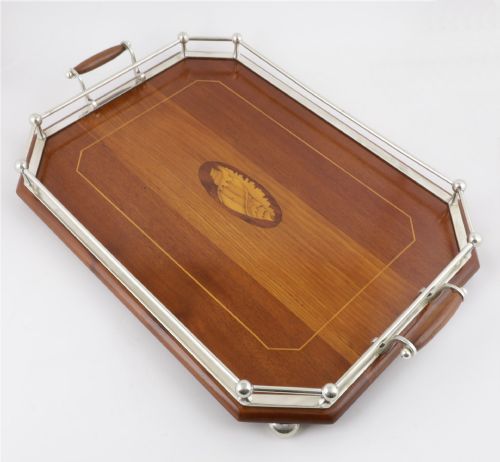
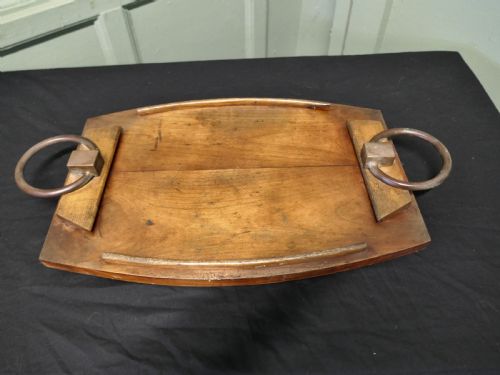



Antique Wooden Platter
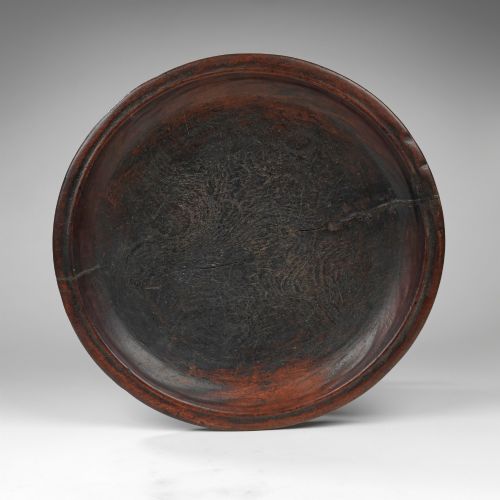
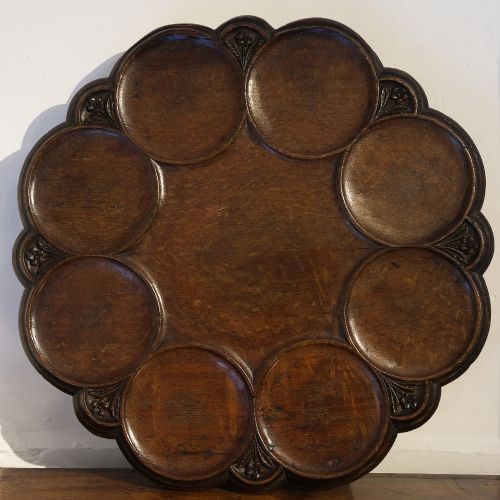
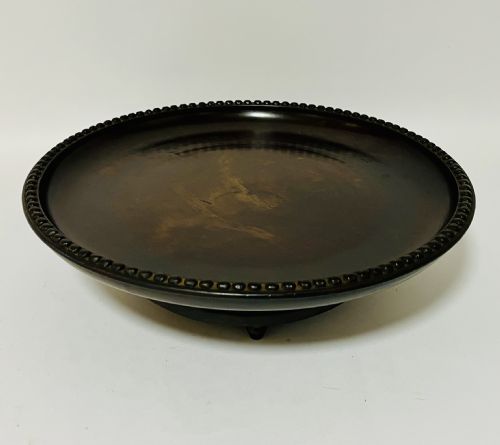
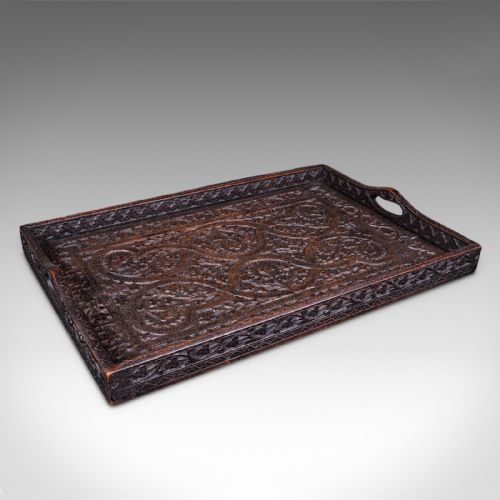
An antique wooden platter offers practical utility and rich grain warmth, making it a versatile serving piece for any home.
Defining the antique wooden platter
When you search for an antique wooden platter, you encounter a selection spanning Georgian, Edwardian, and later twentieth-century periods.
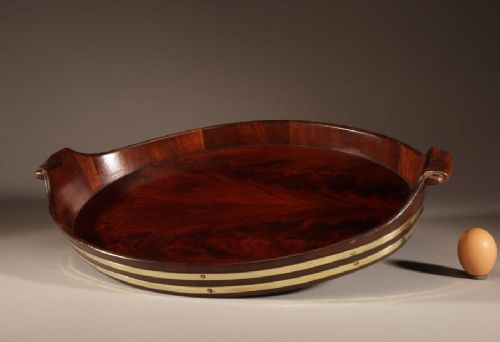
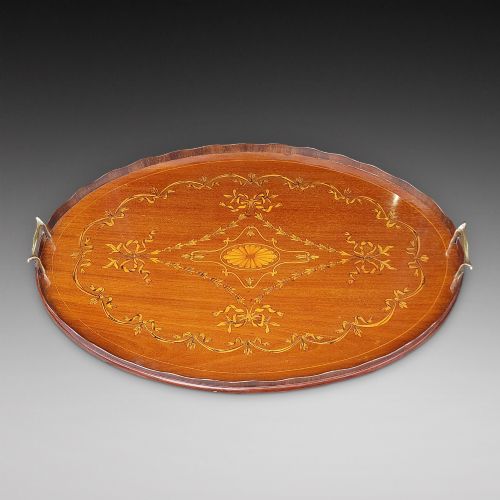
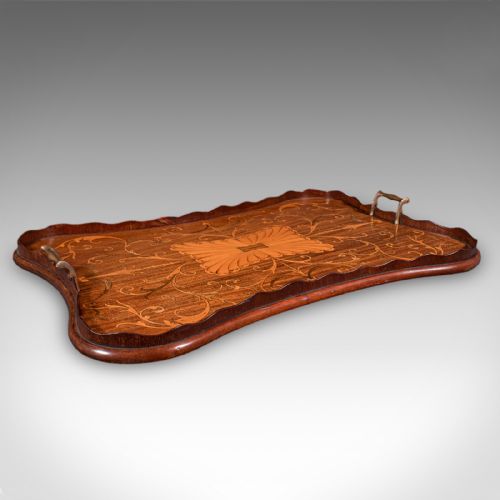
Georgian and Edwardian examples predominate, showcasing traditional forms such as galleried oval trays.
Materials and construction
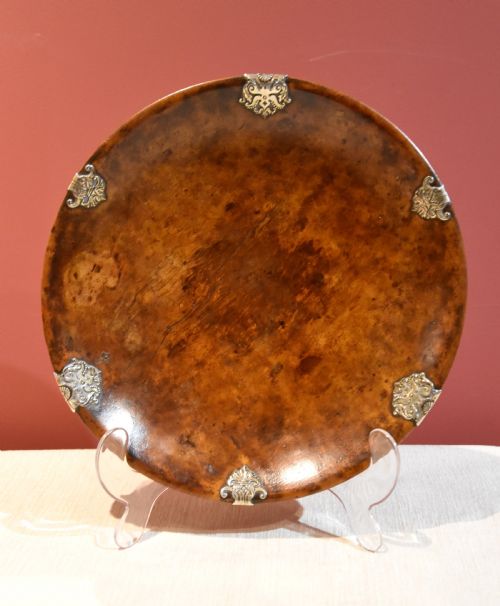
These pieces utilise solid timbers and veneers including mahogany, walnut, burr wood, maple, and satinwood.
Some items incorporate metal elements, featuring mounts and details in silver and brass.
Retail Price Guide 2026
Typical UK retail prices for wooden platter, calculated from the Sellingantiques database of over a million retail prices indexed since 2003. This retail price guide relies exclusively on Sellingantiques data; no external sources or auction records are used, so the figures do not describe the wider market.
The listings combine timber and veneer materials including mahogany, walnut, burr wood, maple, and satinwood across Georgian and Edwardian periods.
Assessing quality
The distinction between standard examples and superior pieces rests on the choice of timber and decorative technique, such as oyster veneering.
Refinement in joinery and the integration of metal mounts elevate the craftsmanship of individual serving trays and bowls.
The Antique Wooden Platter Glossary
- Galleried
- A raised edge or rim surrounding a tray, designed to prevent items from sliding off during service. This feature often incorporates pierced handholds.
- Oyster veneering
- A method of cutting small branches obliquely to produce circular or oval patterns of growth rings. This decorative technique appears on Edwardian examples.
- Burr wood
- A growth on a tree where the grain has deformed, creating intricate and highly figured patterns. It is sliced into veneers for decorative surfaces.
- Silver mounted
- Fitted with decorative or structural elements made of silver. This metal work is often applied to wooden bowls and trays.
Frequently Asked Questions
What are antique wooden platters used for?
These pieces serve as functional serving platters, afternoon tea trays, and display dishes.
Their robust timber construction allows them to be used for holding objects or presenting food items.
How do I care for wooden platters?
Keep wooden items away from excessive moisture and direct heat sources to prevent the timber from warping.
Treating the surface with appropriate oils helps maintain the natural finish of the wood.
What periods do these platters come from?
The pieces span several eras, including Georgian, Edwardian, and the nineteen-thirties.
Stylistic influences range from eighteenth-century traditional designs to Georgian revival pieces.
What woods are used?
The selection includes timbers such as mahogany, walnut, maple, and satinwood.
Finer examples utilise decorative veneers like burr wood and oyster veneer.