





Brown Wood Platter
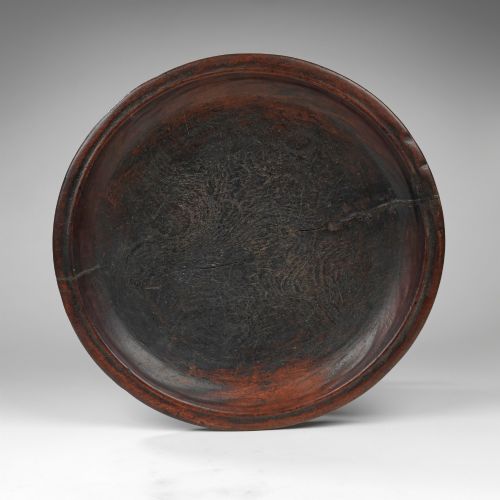
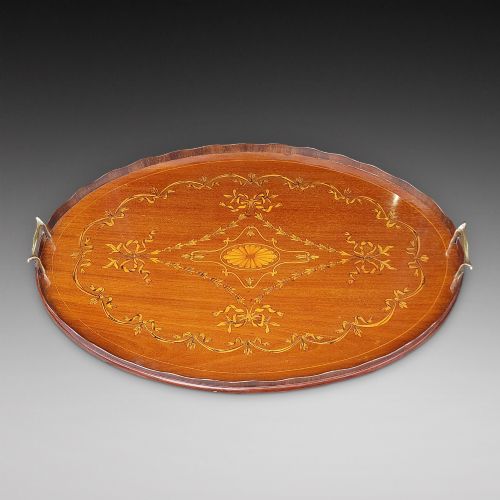
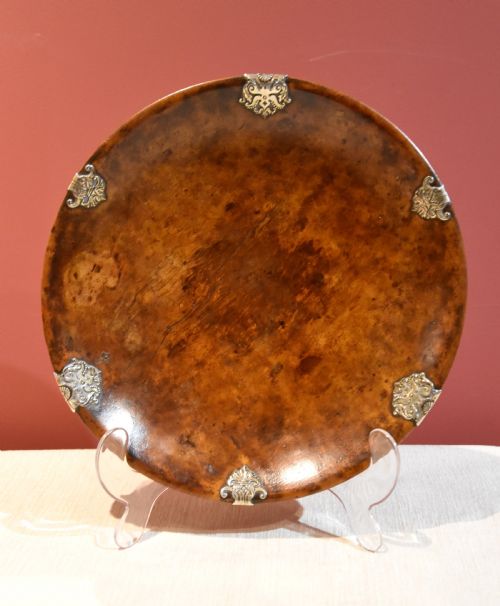
These brown wood platter selections range from Georgian turned bowls to Edwardian inlaid trays, offering solid timber utility for domestic display.
Brown Wood Platter
The most frequent forms on this page include mahogany serving trays with galleried edges and turned wooden bowls of English ash or birch. These objects fulfill both practical serving functions and decorative display roles within traditional domestic interiors.
Origins vary from English country workshops to continental Sorrento production and Japanese Meiji carving traditions. Each piece reflects the specific timber availability and decorative tastes of its manufacturing period.
Materials and construction methods
Construction relies heavily on dense hardwoods such as mahogany, walnut, teak, and shisham, paired with specialist techniques like oyster veneering and marquetry inlay. Artisans also utilised lighter native timbers including ash, birch, and maple for turned bowls and rustic platters.
Decorative surface treatments incorporate brass mounts, silver mountings, and intricate carving, particularly seen in Kashmiri walnut and Anglo-Indian teak items. Wood veneer and satinwood banding add contrasting geometric detail to Georgian and Edwardian serving trays.
One Japanese Meiji tea ceremony tray set proves that afternoon tea travels across borders with distinct carving styles.
Distinctions in craftsmanship
Quality diverges between utilitarian treen turned from a single piece of local timber and complex pieces featuring detailed marquetry, silver mounts, or fine oyster veneer. The precision of the joinery and the sharpness of carved details mark the distinction between standard workshop production and finer decorative items.
Selection of timber grain and the condition of the polished surface dictate visual appeal, with burr wood and figured mahogany commanding particular attention. Retaining original brass handles, galleried edges, and untouched patination distinguishes superior examples from heavily restored or altered items.
The Brown Wood Platter Glossary
- Treen
- Small handmade wooden household objects, ranging from bowls to platters. These items were shaped by turning on a lathe or through hand carving.
- Marquetry
- The art of applying pieces of veneer to a structure to form decorative patterns. This technique appears on Edwardian and Georgian trays.
- Oyster veneering
- A method of cutting branches transversely to produce circular or oval veneer patterns resembling oyster shells. This adorns Edwardian oval serving trays.
- Galleried edge
- A raised border surrounding the perimeter of a tray to prevent items from sliding off. This feature is characteristic of Chippendale and Georgian designs.
- Sorrento ware
- Woodwork decorated with micro-mosaic inlay and marquetry, originating from an Italian coastal town. Items include olivewood bowls from the nineteenth century.
Brown Wood Platter: Frequently Asked Questions
How were brown wood platters used?
These items served functional roles in domestic service, carrying tea, afternoon refreshments, and food items across the home. They also functioned as decorative display pieces for fruit and ornaments.
Larger wooden platters handled everyday kitchen tasks and communal dining, while refined mahogany and marquetry trays belonged to formal reception rooms.
How do I care for antique wood platters?
Keep wooden items away from direct heat sources and extreme humidity fluctuations to prevent timber warping and splitting. Clean surfaces gently with a dry or barely damp cloth, avoiding soaking.
Apply natural furniture wax periodically to nourish the dry wood and maintain the lustre of the antique finish.
What is treen?
Treen refers to small, functional wooden objects created before the widespread use of cheap plastics and mass manufacturing. These everyday items include turned bowls, platters, and spoons shaped by hand.
Collectors prize treen for its tactile qualities and the honest tool marks left by historical woodturners.
How do I identify a Georgian wooden tray?
Georgian pieces typically feature dense mahogany construction, sometimes with inlaid banding or carved galleried borders. Construction methods show hand-cut joinery and traditional finishing techniques appropriate to the eighteenth and early nineteenth centuries.
Stylistic cues link these trays to classic periods like the Chippendale era, emphasising proportion and sturdy timber construction.