


Rustic Wooden Trencher
These rustic wooden trencher items are honest utility vessels shaped by hand, bringing tactile warmth and centuries of domestic history straight into a modern kitchen.

Rustic Wooden Trencher
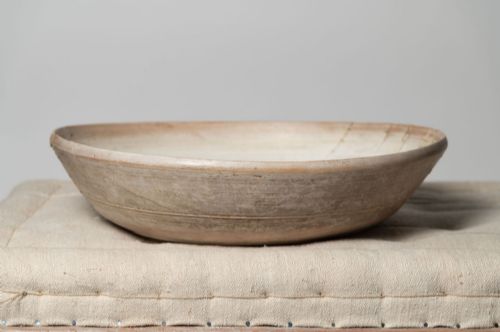
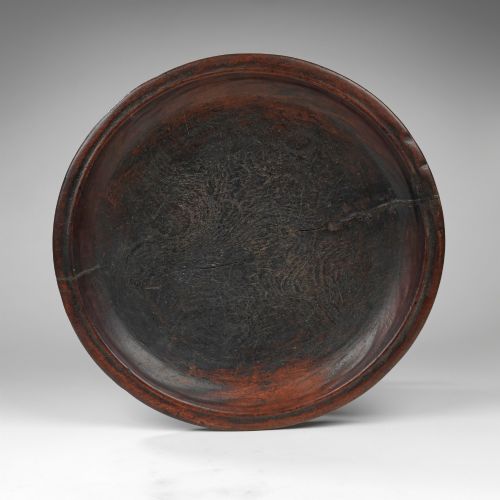
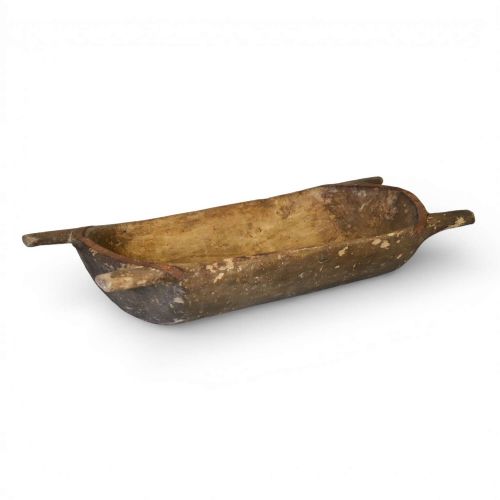
A rustic wooden trencher typically presents as a sturdy bowl, dough trough or board intended for daily food preparation. When searching this phrase, buyers encounter practical forms designed for kneading, serving and dairy work rather than fragile display items.
The pieces on this page span the eighteenth century, the nineteenth century and the early twentieth century. Examples range from Welsh sycamore dairy bowls to Scandinavian dairy vessels and French farmhouse kneading dough bowls.
Geographic origins vary across British, French, Scandinavian and broader Continental workshops. Forms include turned wooden bowls, large carved platters and rectangular cheese or bread boards shaped from solid timber.
How they were made
Maker-carpenters worked primarily in solid wood, utilising native timbers such as sycamore, birch and pine alongside general hardwood and softwood. Dug-out construction methods involved hollowing solid sections of tree trunk to create deep vessels capable of heavy kitchen use.
Some pieces display evidence of turning on a lathe, whilst others are hand carved with adzes or gouges, leaving visible tool marks across the surface. Selected Swedish examples feature original painted finishes applied to protect and decorate the exterior.
Many a French dough bowl still carries the faint, stubborn flour dust settled deep in its pores from a century ago.
What varies in quality
Quality rests in the integrity of the original timber and the honesty of the surface wear accumulated through decades of domestic service. Rich patination developed from handling and scrubbing distinguishes pieces with genuine age from later reproductions.
Proportion and tool work dictate the visual strength of a vessel, with balanced walls and deep tool marks showing superior craftsmanship. Retained original paint finishes on Continental pieces add significant character compared to stripped surfaces.
The Rustic Wooden Trencher Glossary
- Trencher
- A wooden board or bowl historically used for cutting and serving food before ceramic plates became common. These vessels formed the backbone of rural domestic dining.
- Treen
- Small handmade wooden household objects such as bowls, spoons and platters. The term derives from the old word for tree.
- Patina
- The deep sheen and surface character acquired by wood through years of use, waxing and cleaning. It provides a visual record of an object's age.
- Sycamore
- A dense hardwood favoured by turners and dairy workers because it does not impart odours or flavours to food. Welsh vernacular makers used it extensively for kitchen bowls.
- Vernacular
- Everyday objects made by local craftspeople using traditional regional designs and materials, without academic architectural or artistic pretension.
Rustic Wooden Trencher: Frequently Asked Questions
What is a rustic wooden trencher used for?
These pieces served practical domestic functions such as kneading bread dough, pressing cheese and holding dry foodstuffs in farmhouse kitchens.
Today, they suit contemporary kitchen display, holding fruit on a table or serving dry foods during gatherings.
How do I date an old wooden bowl?
Dating relies on tool marks left by hand adzes or early lathes, timber species, and the depth of the surface patina.
Examining construction methods and regional styles helps place pieces within specific periods like the eighteenth or nineteenth century.
Are painted wooden bowls original?
Some Scandinavian and Continental pieces retain their early painted finishes, which were applied to seal the wood and add colour to rural interiors.
Original paint layers show natural wear and fading that align with the age of the underlying timber.
How do I care for antique treen?
Keep wooden vessels away from direct heat sources, radiators and strong sunlight to prevent the timber from drying out and splitting.
Maintain the surface by occasionally applying food-safe mineral oil or beeswax to nourish the dry wood.