


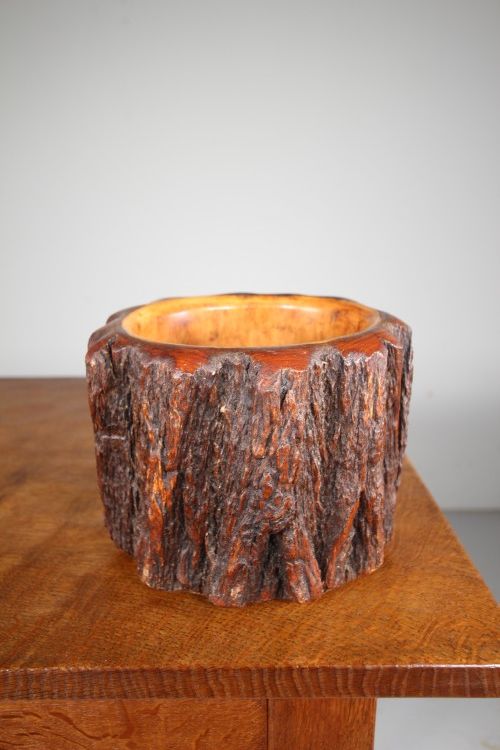

Hand Carved Treen
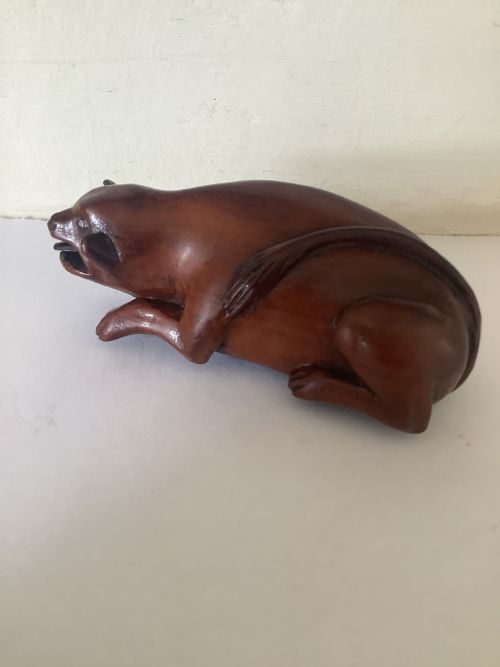
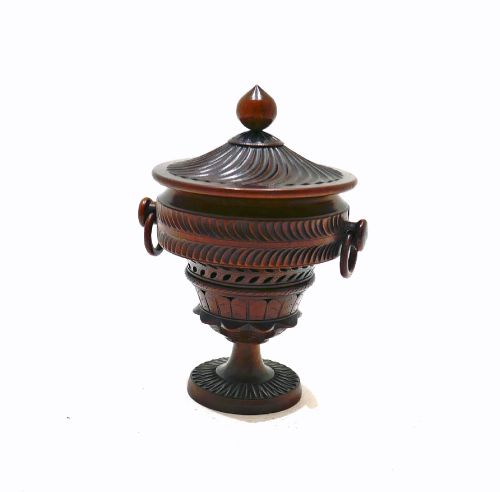
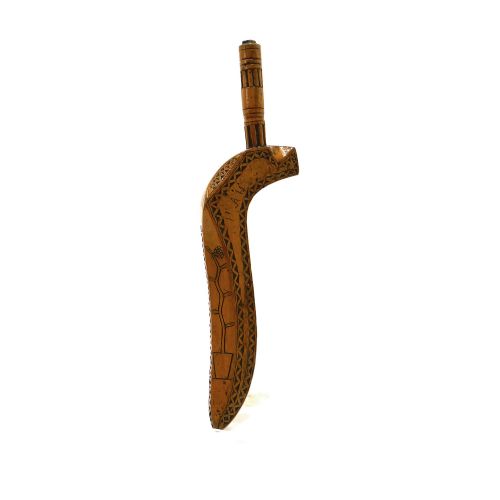
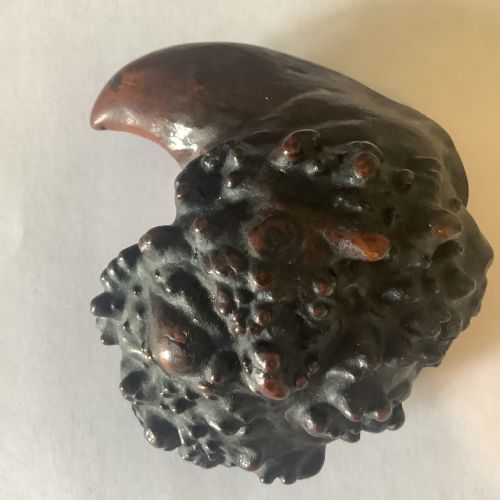
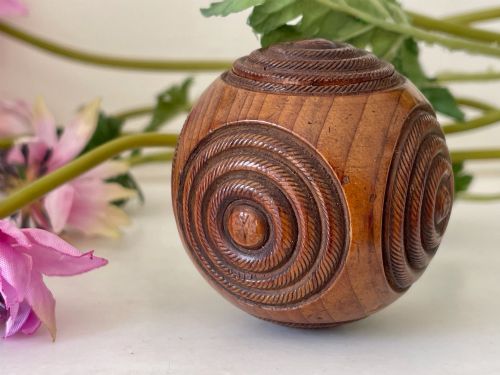
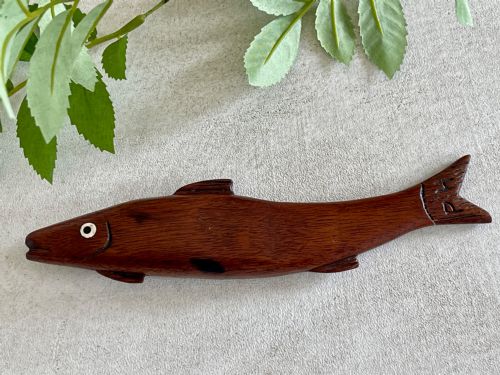
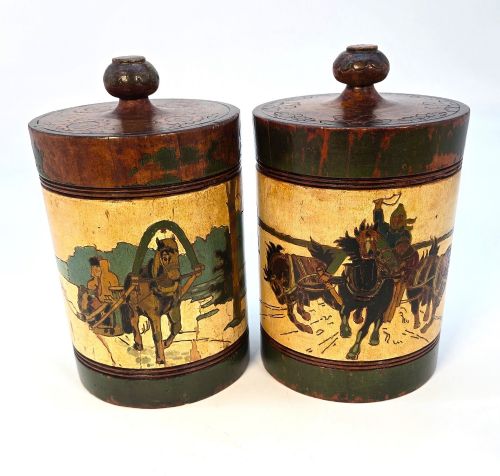
Hand carved treen represents domestic utility turned to folk art, offering tactile warmth and centuries of domestic history that collectors prize for everyday display.

What hand carved treen is
When you search for hand carved treen, you encounter functional wooden objects shaped by hand across the Georgian and nineteenth-century periods. These items bridge daily domestic use and vernacular folk art.
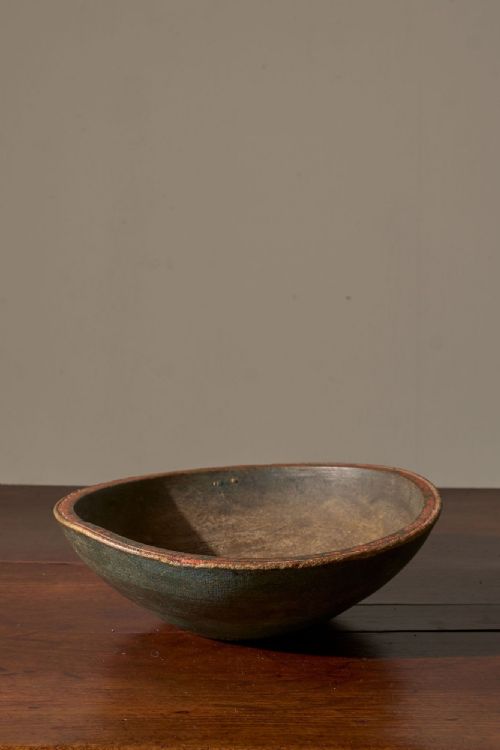
The pieces you meet most often on this page include spoons, nutcrackers, corkscrews, bowls, and platters. Examples span British and Continental workshops, reflecting diverse regional tastes in timber work.
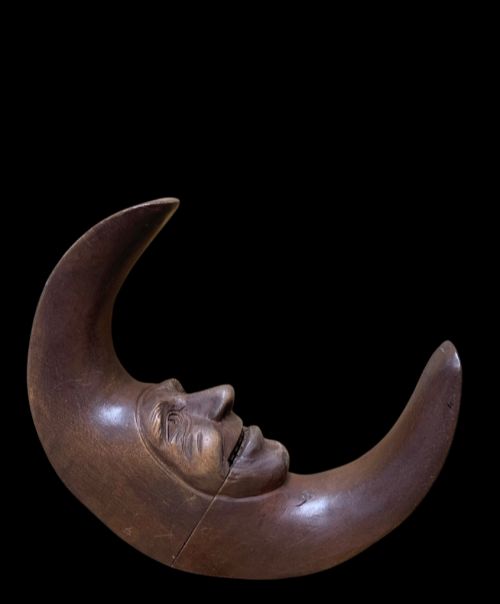
Makers shaped sycamore, birch, and dense hardwoods into love tokens, kitchenalia, and decorative objects. Each item carries the distinct tool marks of its maker.
How they were made
Craftsmen used seasoned timber, selecting birch, sycamore, and dark hardwoods for their grain and stability. They worked with hand gouges, drawknives, and chisels to carve solid blocks into functional forms.
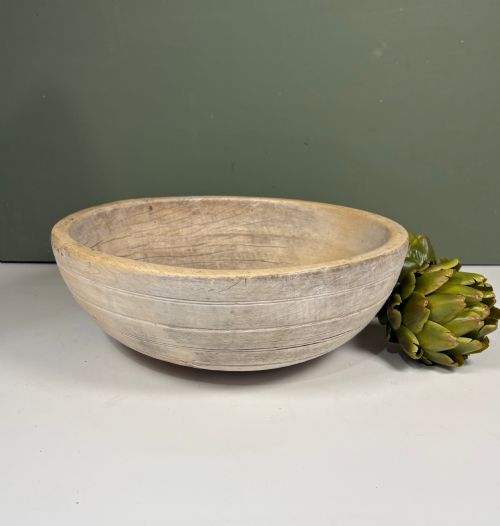
Larger items like bowls were hollowed directly from the log as dug-out pieces. Smaller treen, such as lovespoons and corkscrew handles, received intricate piercing and surface carving.
Retail Price Guide 2026
Typical UK retail prices for hand carved treen, calculated from the Sellingantiques database of over a million retail prices indexed since 2003. This retail price guide relies exclusively on Sellingantiques data; no external sources or auction records are used, so the figures do not describe the wider market.
What varies in quality
Quality rests in the crispness of the carving and the depth of the patina built through handling and use. Surfaces that glow from natural oils outrank dry or stripped timber.
Proportion and the ambition of the design separate standard utensils from spirited folk art. Whimsical details like acorn motifs or pierced love tokens elevate simple utility into expressive sculpture.
The Hand Carved Treen Glossary
- Treen
- Small handmade wooden domestic objects. The word derives from Middle English for tree.
- Lovespoon
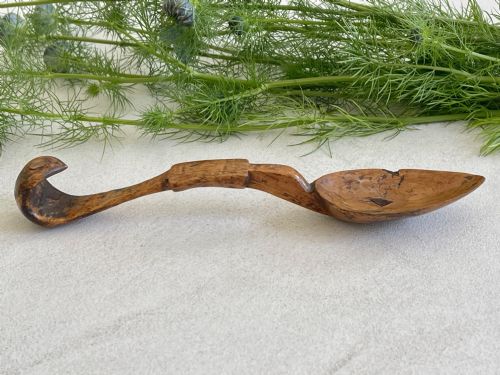
- A decorative carved wooden spoon given as a token of affection. Welsh examples often feature intricate interlocking links and symbols.
- Busk
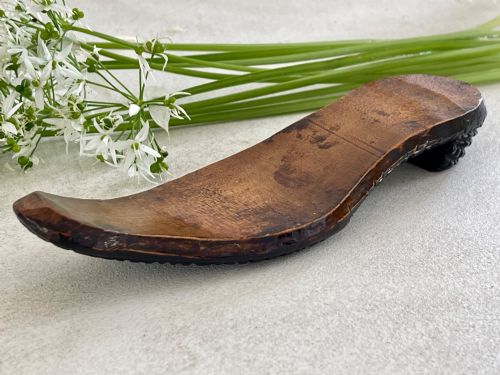
- A rigid strip inserted into a corset to keep it straight. Early examples in treen were carved as love tokens.
- Dug out
- A vessel carved from a single solid block of wood rather than assembled from staves. This technique produces heavy, stable bowls.
- Patina
- The surface sheen and colour developed over decades through handling and ageing. Good patina indicates genuine age and regular use.
Frequently Asked Questions
What is hand carved treen?
Hand carved treen encompasses small wooden domestic items shaped by hand before mass production took over. These range from kitchen utensils to decorative love tokens.
Craftsmen produced them from various timbers, leaving behind tool marks that identify them as individual works of folk art.
How were treen bowls made?
Makers carved bowls directly from solid sections of timber as dug-out vessels. This method utilised the natural strength of the wood.
Turners and carvers shaped the green or seasoned wood using adzes and gouges before letting the timber dry.
How do I date antique treen?
Dating relies on tool marks, timber choice, style, and the depth of the surface patina. Georgian and nineteenth-century pieces display distinct hand-tool characteristics.
Comparative analysis with documented domestic objects helps narrow down the period of manufacture.
How should I display treen?
Display treen away from direct heat sources and dramatic humidity changes to prevent timber splitting. Grouping items by timber tone highlights their varied textures.
Allowing the pieces to be handled safely brings out the warmth of the historical patina.