





Carved Wooden Spoon
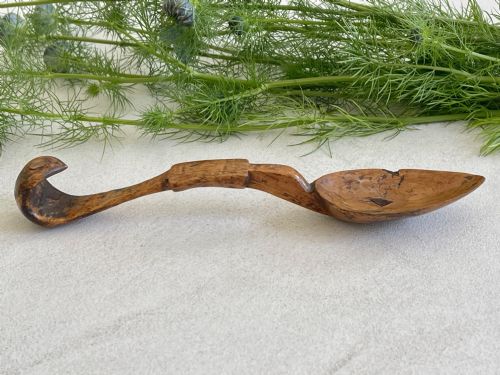
A carved wooden spoon is a domestic or ceremonial object shaped by hand from timber, valued for its vernacular design and tactile presence.
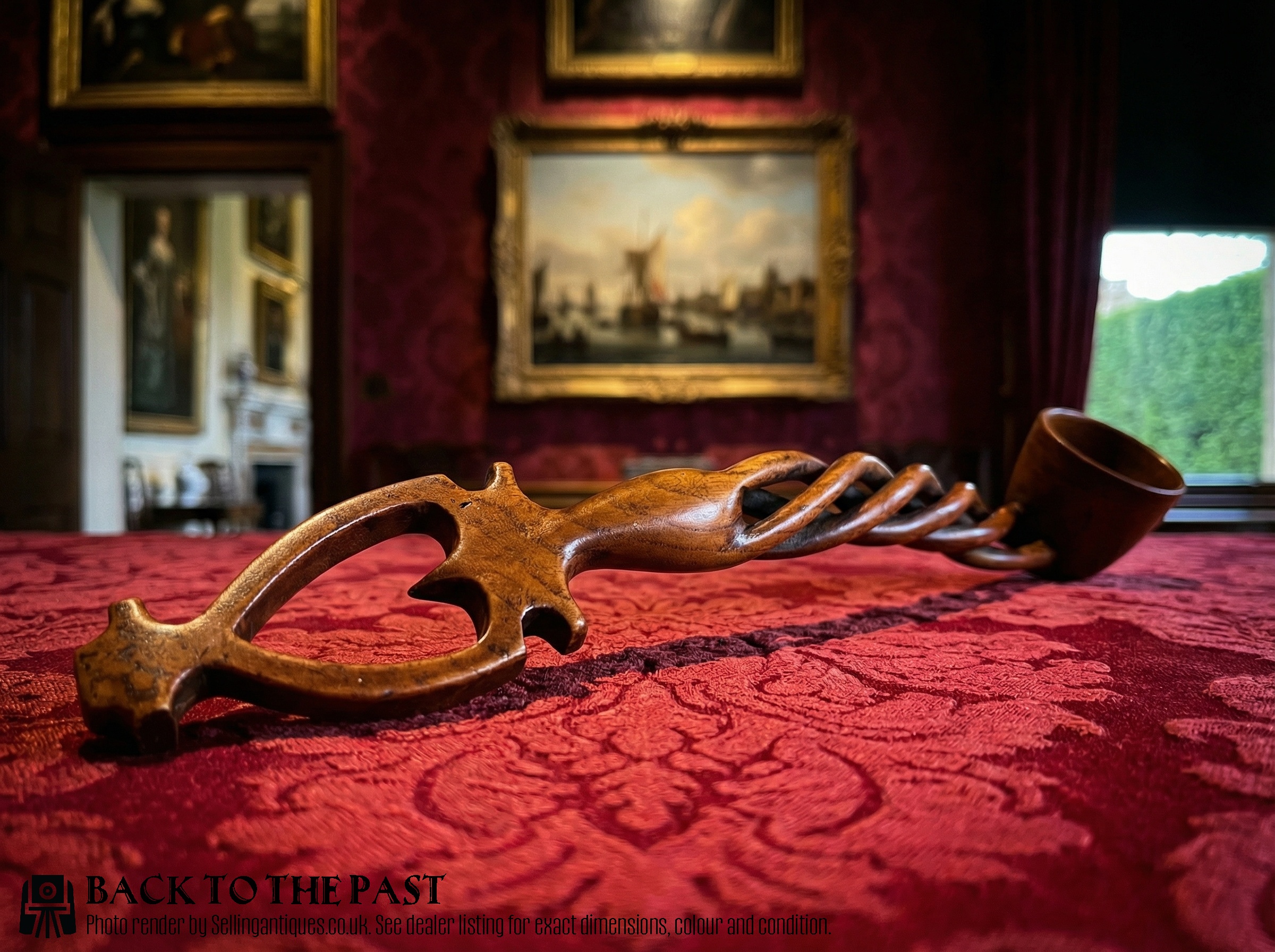
Carved Wooden Spoon
When you search for a carved wooden spoon, you encounter a varied selection of domestic treen, kitchenalia, and decorative folk art objects. These pieces range from utilitarian scoops and basting spoons to intricately decorated lovespoons shaped for courtships and tokens.
The most common examples you meet on this page are nineteenth-century pieces, often associated with Welsh or Swiss traditions. They emerge alongside occasional eighteenth-century examples and early twentieth-century variations.
Beyond standard eating utensils, the category embraces specialised forms including snuff spoons, condiment spoons, and ceremonial objects. Each type reflects the particular domestic or cultural habits of its maker.
Materials and methods
These objects were shaped from dense local timbers using hand tools such as gouges, knives, and adzes. Makers utilised indigenous hardwoods including oak, sycamore, fruitwood, and walnut, selecting fine-grained woods that accepted detailed carving without splitting.
Surface treatment relied on natural wear, oils, and patination rather than modern synthetic finishes. Some items incorporate engraved detailing, initials, dates, or polychrome wax decoration to highlight the carved motifs.
Carved Wooden Spoon Retail Price Guide 2026
Typical asking prices for carved wooden spoon among the pieces listed under this phrase on Sellingantiques today, from the lower quarter to the upper quarter. They describe what is for sale here now, not the wider market.
Assessing quality and character
Quality in these objects rests upon the crispness of the carving and the balance of the form within the chosen timber. A strong piece displays deliberate tool marks and harmonious proportions that suit the natural grain of the wood.
Condition and patination heavily influence the standing of an item, distinguishing pieces that remained in active domestic use from those preserved as display objects. Crisp detailing on lovespoons and minimal loss to delicate pierced work elevate certain examples above simpler counterparts.
The Carved Wooden Spoon Glossary
- Treen
- Small handmade wooden objects for domestic use. This term covers items from spoons and bowls to boxes and ladles.
- Lovespoon
- A traditionally carved wooden spoon given as a token of affection or courtship. These pieces frequently feature motifs such as chains, links, and vine leaves.
- Folk art
- Artistic work created within a traditional culture by self-taught or local makers. It prioritises utilitarian function and regional style over formal academic training.
- Fruitwood
- Timber sourced from fruit-bearing trees such as pear, apple, or cherry. Woodworkers favoured it for its fine, dense grain which allowed for intricate detail.
- Sycamore
- A light-coloured hardwood commonly used in British treen and kitchenalia. It resists splitting and tolerates repeated washing in domestic settings.
Carved Wooden Spoon: Frequently Asked Questions
What is a lovespoon?
A lovespoon is an ornate wooden spoon traditionally carved as a token of romance or courtship. Makers often incorporated symbolic motifs into the handle.
These pieces were kept as decorative displays rather than used for dining.
How old are these spoons?
The items range primarily from the eighteenth century through to the early twentieth century. Regional styles and dated inscriptions help anchor specific pieces to particular decades.
Earlier examples generally display simpler utility forms, while nineteenth-century pieces often showcase elaborate folk carving.
How were wooden spoons used?
Many served practical daily roles in the kitchen for stirring, basting, and serving food. Others functioned as specialised implements for snuff, condiments, or christenings.
Decorative variants served symbolic purposes in courtship and community events.
What woods were used?
Makers relied on accessible local timbers including oak, sycamore, fruitwood, walnut, and yew. Dense hardwoods were chosen for their durability and smooth finish.
The natural grain often determined how deeply the carver could cut.
How should I care for antique wood?
Keep wooden objects away from direct heat sources and sudden temperature shifts to prevent warping. Minimal handling and stable indoor humidity preserve the original surface patination.
Abrasive cleaners should be avoided entirely.