

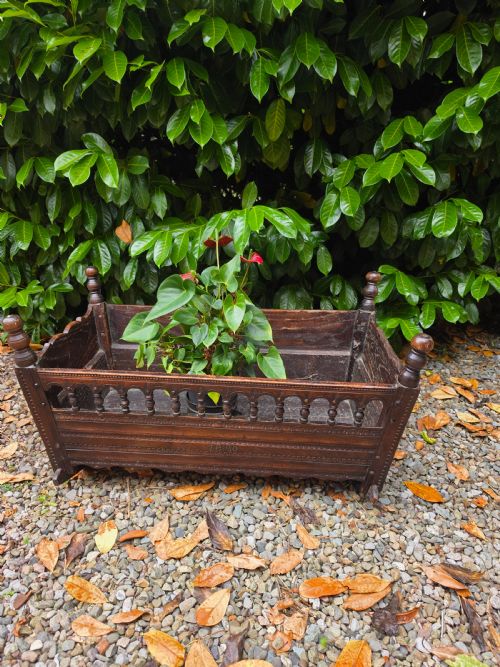
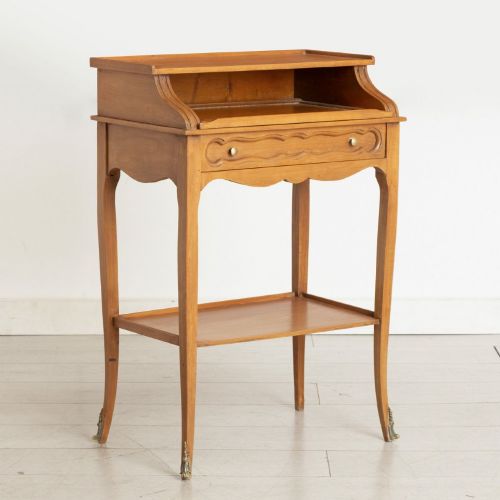
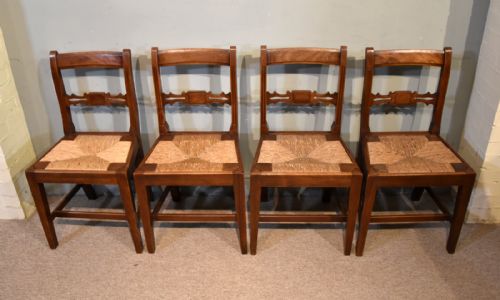

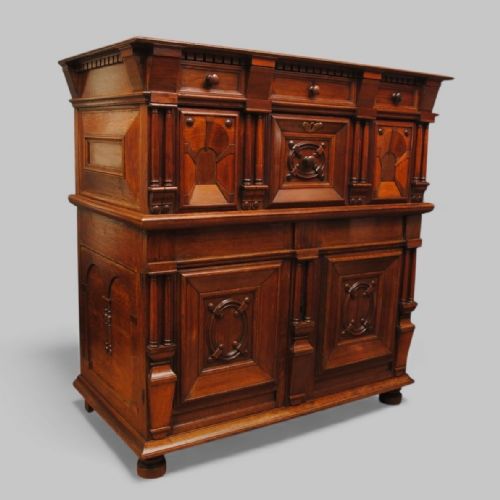
Antique Fruitwood Carving
Antique fruitwood carving brings together dense, tight-grained domestic timber and centuries of hand-tooling, appealing to collectors who value tactile small objects and warm patination.
Antique Fruitwood Carving
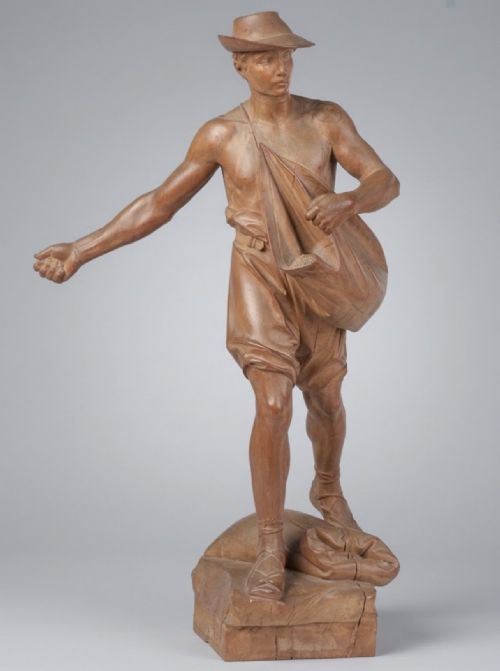
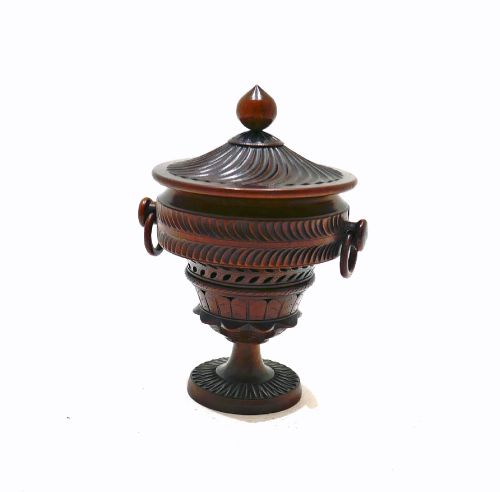
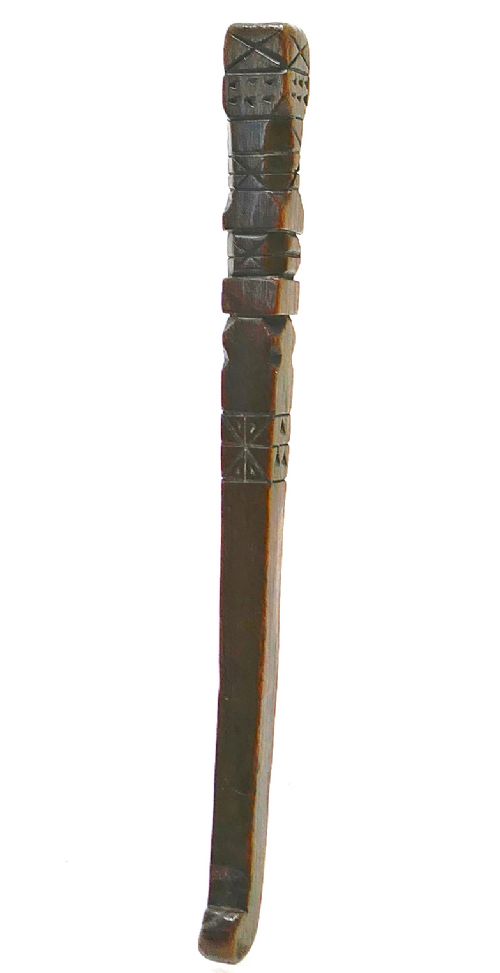
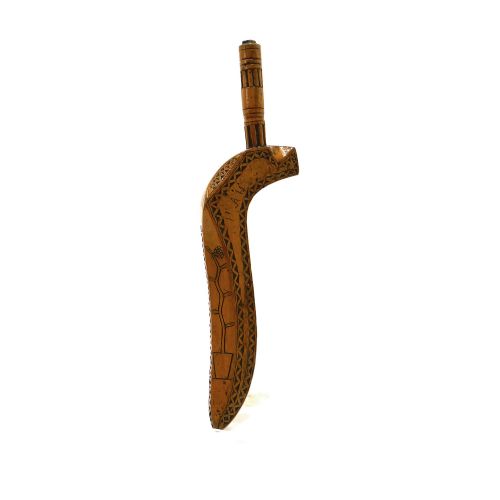
Antique fruitwood carving encompasses a diverse selection of turned treen, figurative sculptures, snuff boxes, and architectural fragments shaped from dense timbers like pear, apple, and cherry. These items span from the seventeenth century through the Victorian era, reflecting both domestic utility and decorative arts.
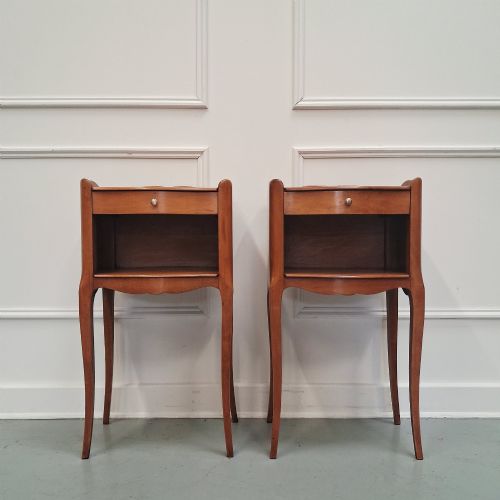
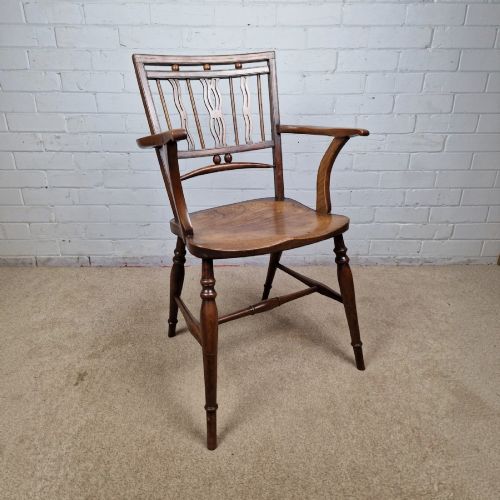
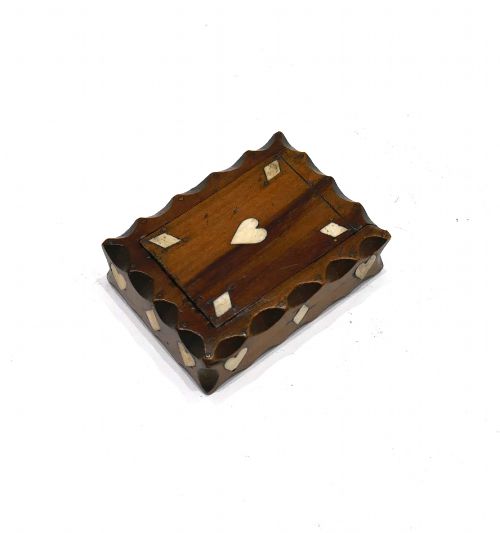
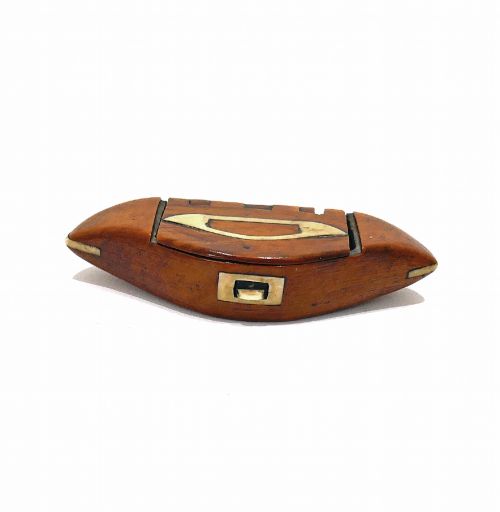
Buyers browsing this selection frequently encounter small utilitarian objects such as knitting sheaths, nutcrackers, lidded cups, and snuff boxes decorated with bone inlay or punchwork. Larger domestic furniture pieces incorporating fruitwood, including lowboys, chairs, and tables, also appear alongside sculptural plaques and figures.
The regional origins of these carvings stretch across England, Wales, Ireland, France, Italy, and Flanders, demonstrating a widespread European tradition of working with local orchard woods. Stylistic manifestations range from utilitarian folk art and French Provincial designs to formal Rococo and Gothic Revival pieces.
What varies in quality
The standard of execution in carving defines the upper tier of these objects, distinguishing lively, anatomically convincing figures and deeply undercut relief work from stiffer, more rudimentary regional folk items. Mastery of the cutter's knife or chisel determines whether a piece exhibits fluid movement or rigid proportion.
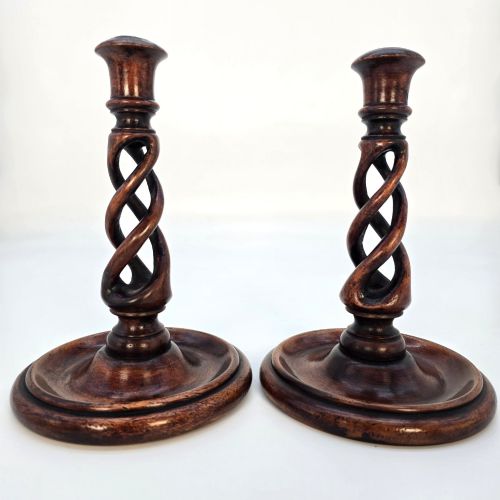
Surface patination and the integrity of original details, such as bone inlay or turned twists, play a significant role in establishing the character of each piece. Items that retain their original dry wax finish and crisp punchwork sit comfortably apart from those with over-cleaned surfaces.
Listings feature items spanning from the seventeenth century through the 1930s, constructed from fruitwood, oak, walnut, elm, and brass.
Oliver Morel·Jules Buste Labatut
The Antique Fruitwood Carving Glossary
- Treen
- Small handmade wooden domestic objects such as cups, boxes, and spoons. These items gained a polished finish through decades of daily handling.
- Knitting sheath
- A small carved wooden sleeve tucked into a belt to hold a knitting needle steady. They frequently feature intricate punchwork and incised decorations.
- Panetiere
- A freestanding or wall-mounted bread cage framed in wood with turned spindles. French rural kitchens utilised these to protect loaves from household pests.
- Lovespoon
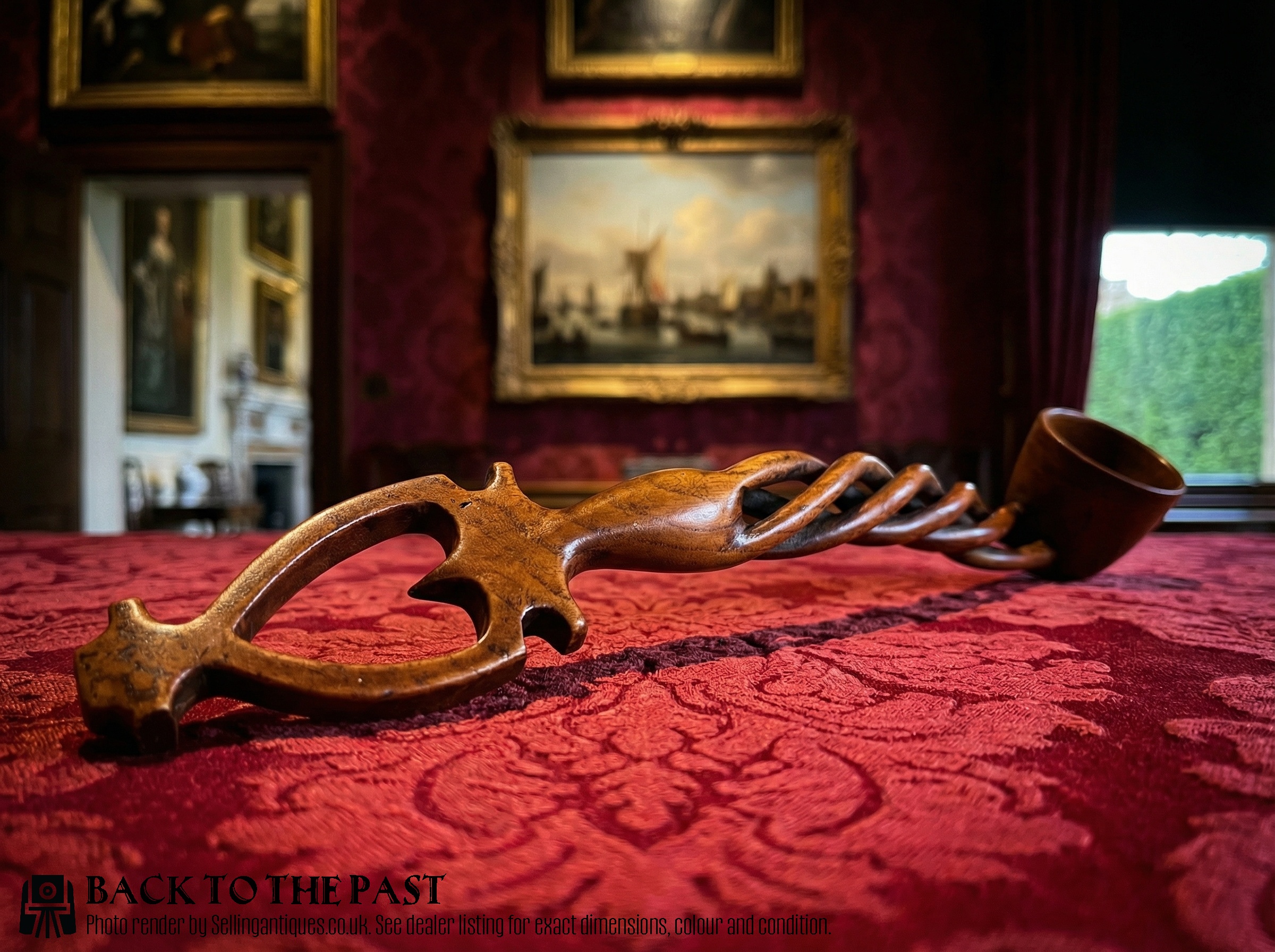
- A decorative wooden spoon carved as a token of affection or betrothal. Welsh examples often incorporate intricate cut-out symbols and linked chains from a single piece of timber.
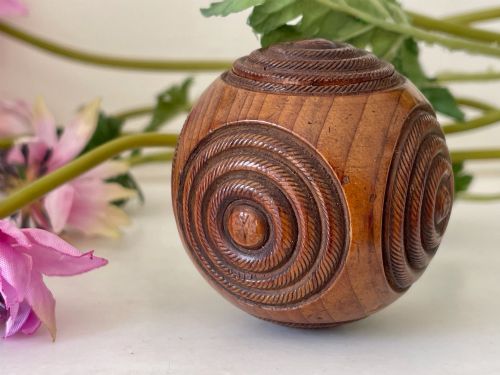
- Puzzle ball
- A sphere turned from a single block of wood featuring concentric, freely moving internal balls. Artisans demonstrated their lathe-working skill through this construction.
Antique Fruitwood Carving: Frequently Asked Questions
What woods were used for these carvings?
Makers predominantly worked in dense domestic fruitwoods such as pear, apple, and cherry, which offered the fine, even grain necessary for intricate toolwork.
These fruitwoods were frequently supplemented in larger items by oak, walnut, elm, yew, and hardwood.
How do I distinguish folk art from formal pieces?
Folk art items generally display a charming, naive execution created by regional makers for domestic or local use, often featuring personal touches like punchwork or bone inlay.
Formal pieces align more strictly with recognised periods like Rococo or Gothic Revival, showing academic adherence to continental design styles.
Were these objects painted originally?
Most surviving pieces were left in the natural timber to develop a warm patination through handling and exposure to light over centuries.
Surfaces typically rely on wax polishing rather than applied pigments to bring out the varied tones of the grain.
How should I care for antique fruitwood?
Keep wooden carvings away from direct heat sources and dramatic humidity fluctuations to prevent timber movement or splitting.
Apply a light application of microcrystalline wax periodically to maintain the surface sheen without building up sticky residues.