


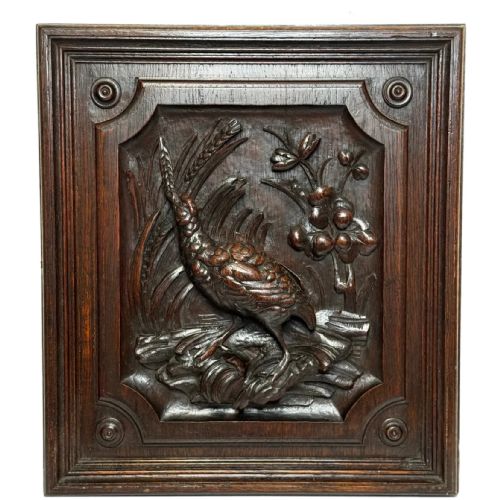


High Relief Wood Carving
High relief wood carving brings deep three-dimensional form into your room, offering remarkable depth and shadow across diverse traditional subjects.
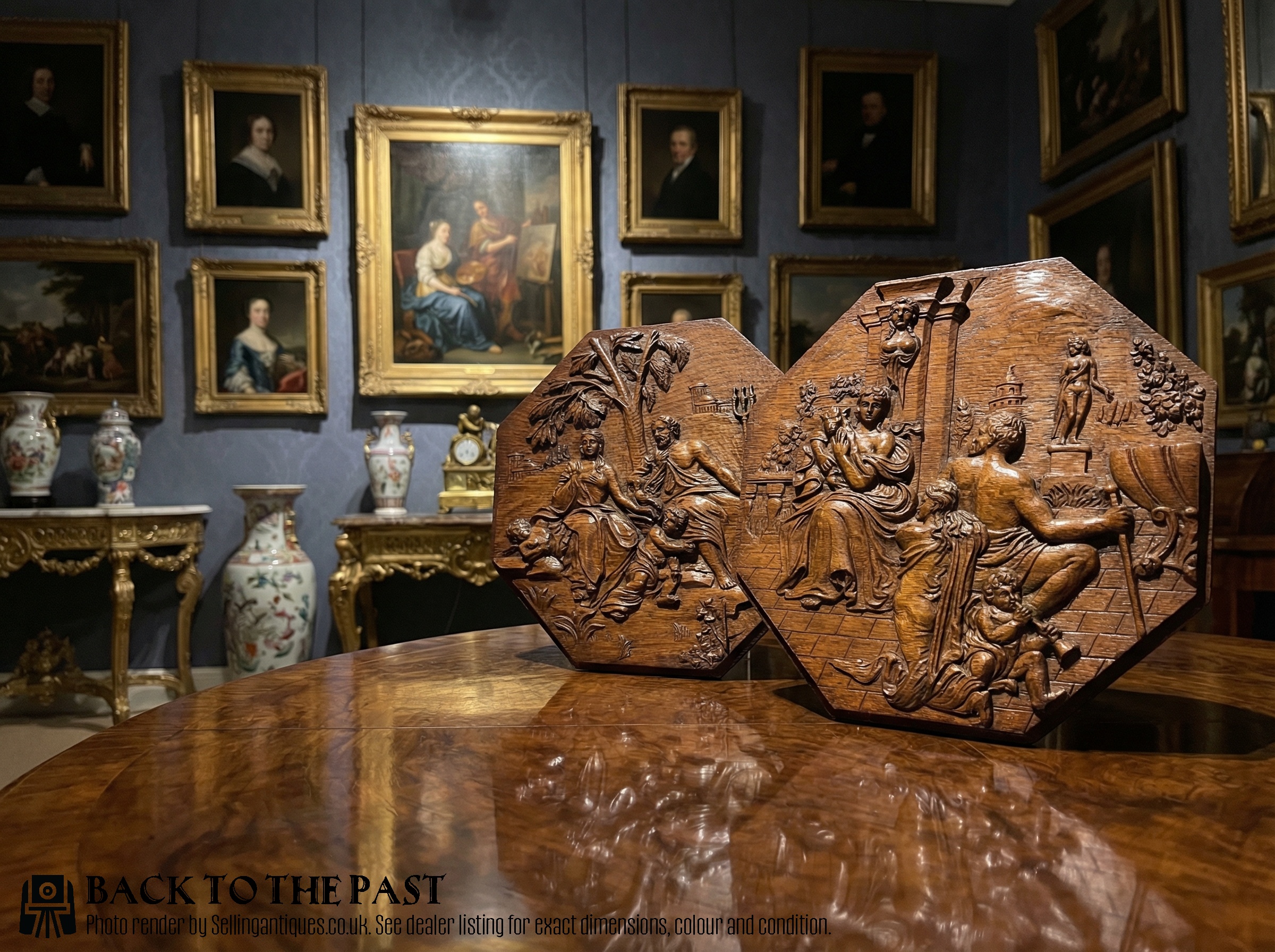
Understanding high relief wood carving
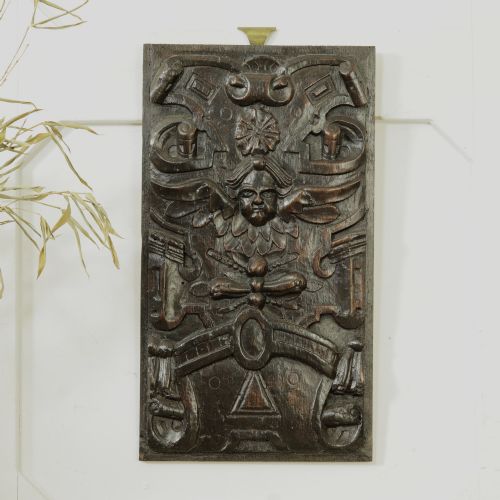
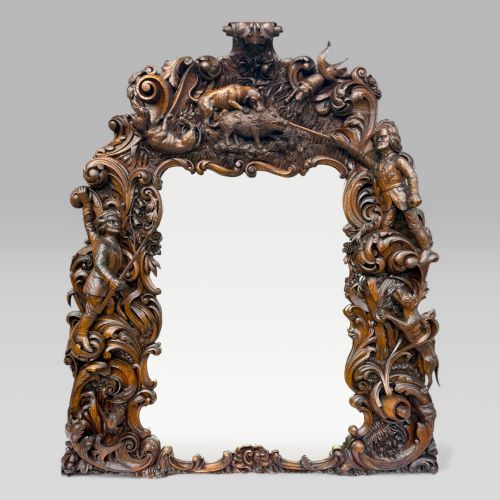
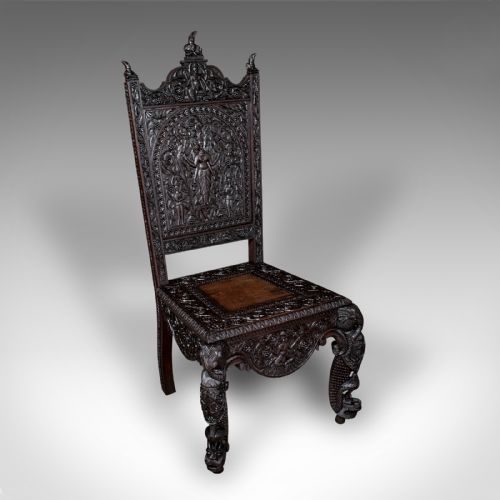
A high relief wood carving stands well forward from its background, creating striking shadows and a strong sense of three-dimensional form. When you search for high relief wood carving, you encounter wall plaques, sculptures, and panels ranging from classical scenes to regional Balinese traditions.
The objects on this page span several distinct periods, including pieces from the eighteenth century, the mid nineteenth century around eighteen fifty and eighteen seventy, and around nineteen hundred. Forms vary from exhibition quality Continental trophy carvings and classical plaque pairs to large wooden figure groups and carved teak panels.
Origins stretch from European classical and Victorian and Gothic workshops to Balinese traditional craftsmanship and Highland hunting lodge aesthetics. Each piece demonstrates how makers used depth to bring subjects such as figures, trophies, and classical narratives out from the timber background.
Materials and construction
Makers utilised a variety of woods recorded in the listings, including teak, fruitwood, oak, and general timber. These materials provided the necessary density and grain to support deep undercutting without compromising structural stability.
Surface treatments enhance the visual impact of the carving, with instances of gold leaf, velvet, and pigment applied to enrich the texture. Carvers employed sharp gouges and chisels to push the foreground figures and objects far out from the backing board.
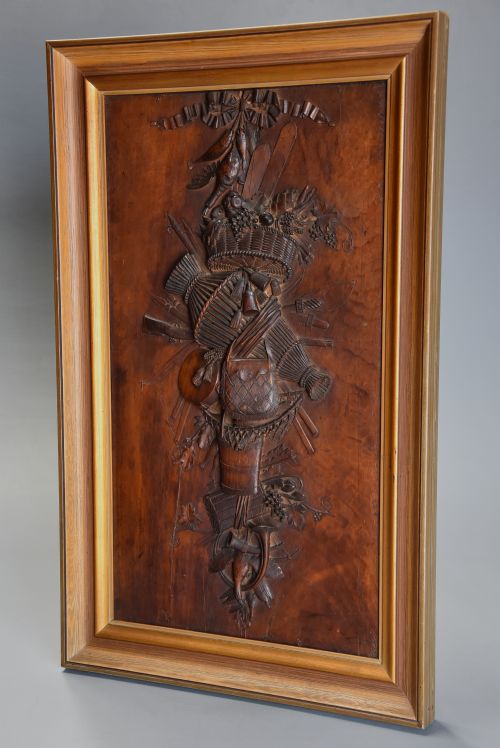
A mid nineteenth century fruitwood trophy carving includes enough suspended game and implements to make a Victorian gamekeeper nod in quiet approval.
Assessing quality and execution
Quality rests in the ambition of the undercutting and the crispness of the detail where the carved elements detach almost entirely from the background plate. Exhibition quality pieces show exceptional command of anatomy, drapery, and spatial perspective.
The choice of medium and secondary enhancement also separates standard items from the finest examples. Rich fruitwood or figured teak combined with delicate traces of gold leaf or pigment mark the upper end of the range.
The High Relief Wood Carving Glossary
- Relief
- A sculptural technique where elements remain attached to a solid background of the same material. High relief means the subjects project significantly from the plane.
- Trophy carving
- An ornamental arrangement typically depicting game, weapons, or musical instruments clustered together. These often adorned nineteenth century interiors.
- Undercutting
- A carving method where the artisan cuts beneath the foreground elements to detach them partially from the background. This creates deep shadows and realism.
- Figure group
- A composition featuring multiple carved human or animal figures interacting within a single scene. They require advanced skill to balance proportions across multiple depths.
Frequently Asked Questions
How do I hang a heavy relief panel?
Heavy carved wooden panels require secure wall anchorages or batten systems suited to the weight of dense timbers like oak or teak.
Ensure the hanging hardware engages directly with the structural frame rather than relying solely on the decorative backing board.
Where were these carvings displayed originally?
Earlier pieces often graced formal drawing rooms, libraries, or Highland hunting lodges as statement wall art and architectural ornaments.
Exhibition pieces were frequently created for public display before entering private collections.
How do I clean carved wood?
Dust gently with a soft, dry brush to prevent particulate accumulation within the deep recesses of the carving.
Avoid liquid cleaners or polishes that might damage sensitive surface finishes like gold leaf or historic pigments.
How can I tell the period of a carving?
Examine the style of the figures, the choice of timber, and the tool marks left on the reverse of the panel.
Eigteenth century classical scenes differ markedly in composition and subject matter from nineteenth century Gothic or Balinese traditional works.