
Carved Oak Relief
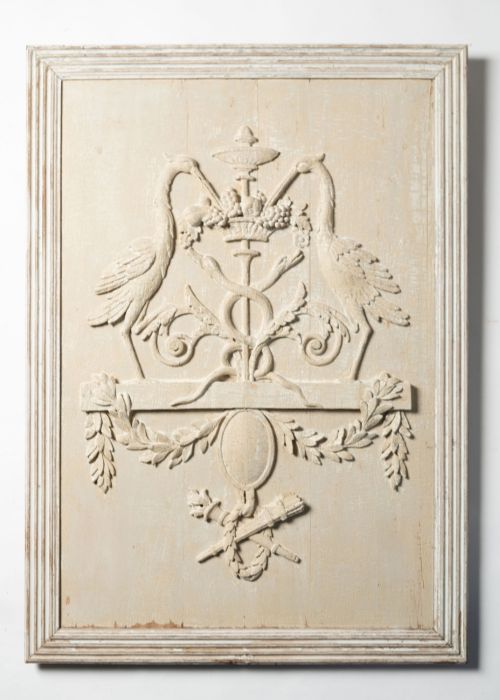
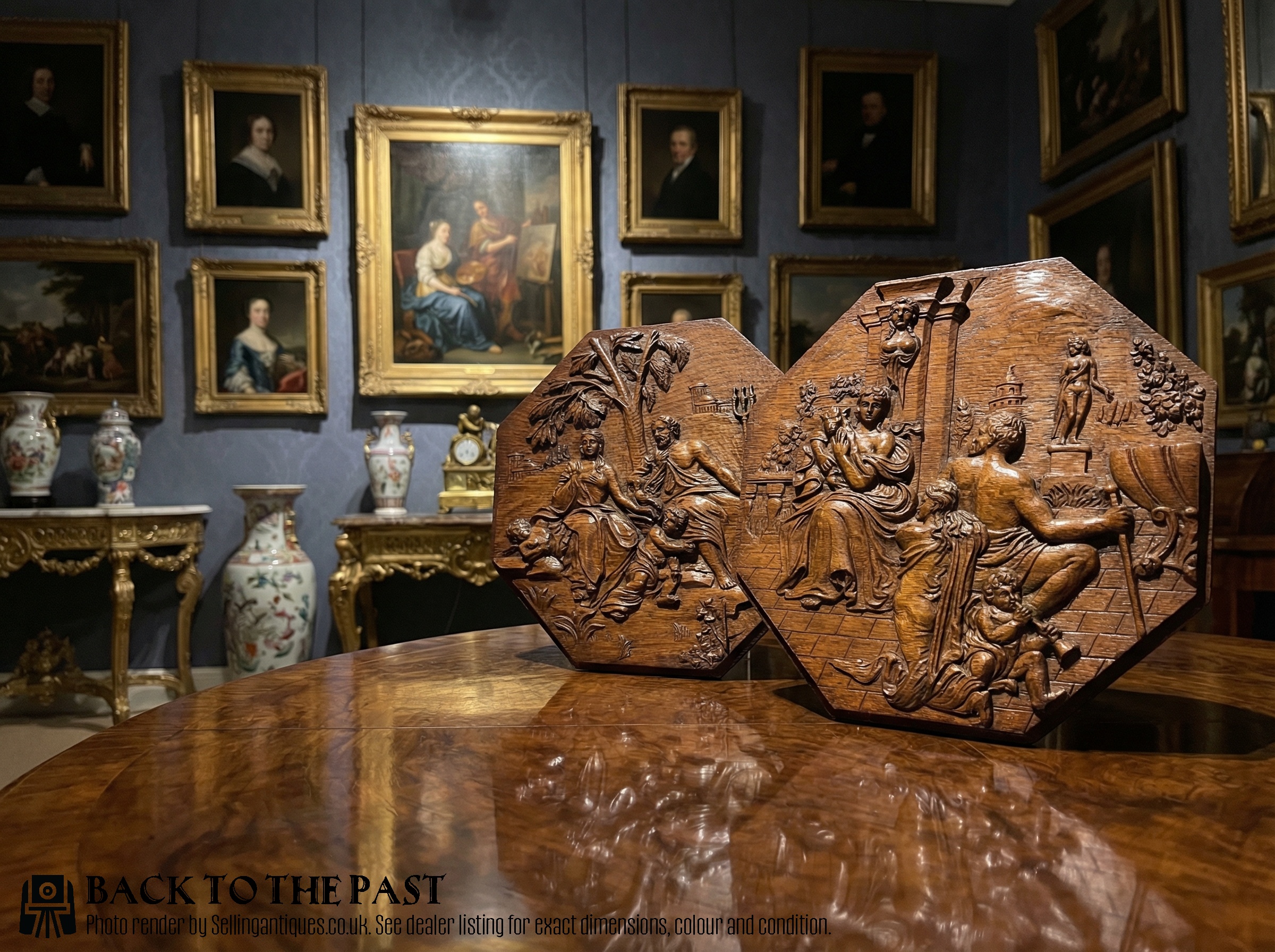
These pieces of carved oak relief combine solid timber with deep chisel work, offering historical wall panels and sculptures that anchor a room.
Carved Oak Relief
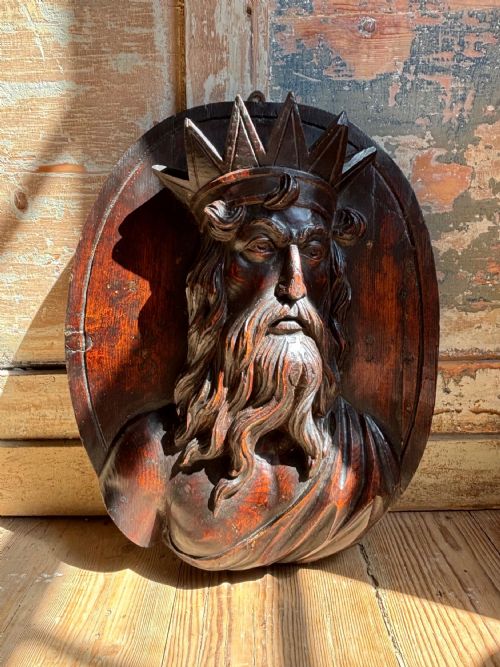
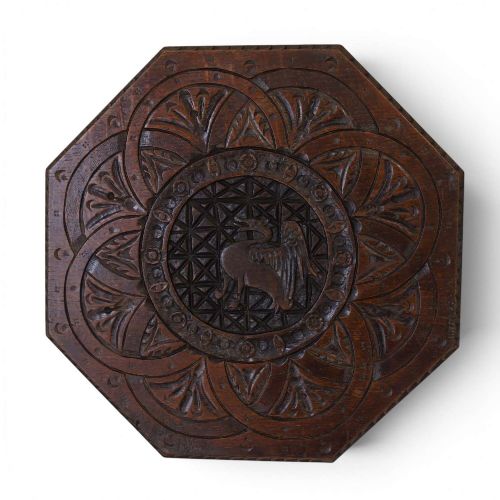
A carved oak relief takes the form of wall panels, architectural salvage, ceiling bosses, and figural plaques that emerge from a wooden ground. These works span from the sixteenth century through the nineteenth century, encompassing Gothic, Renaissance, and Baroque revivals alongside primary Tudor and seventeenth-century production.
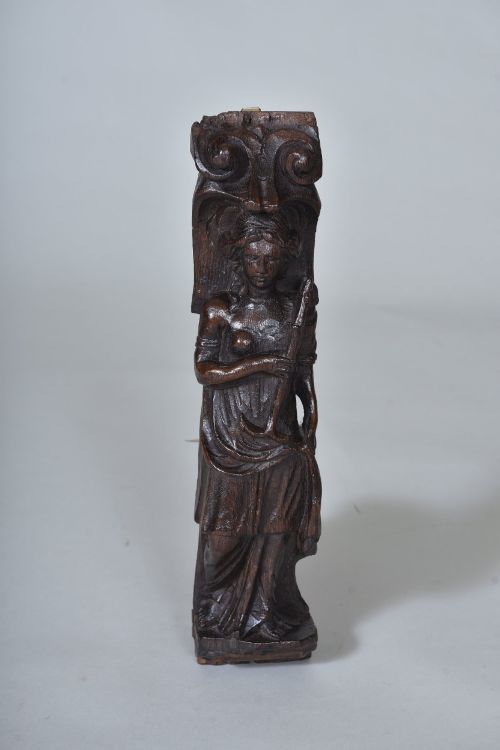
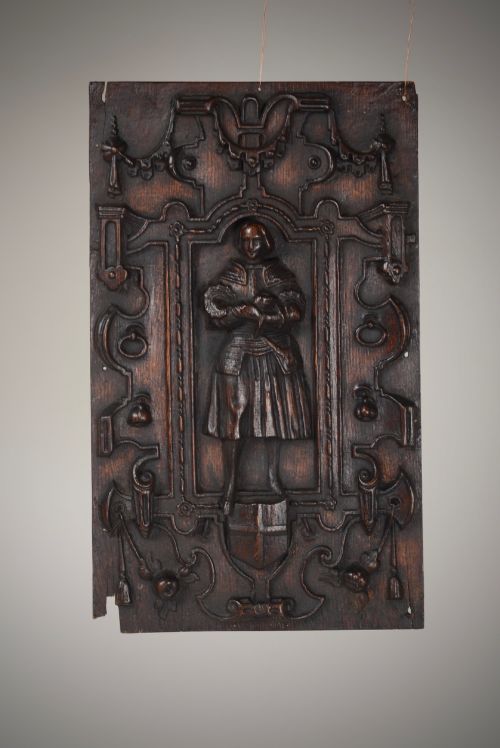
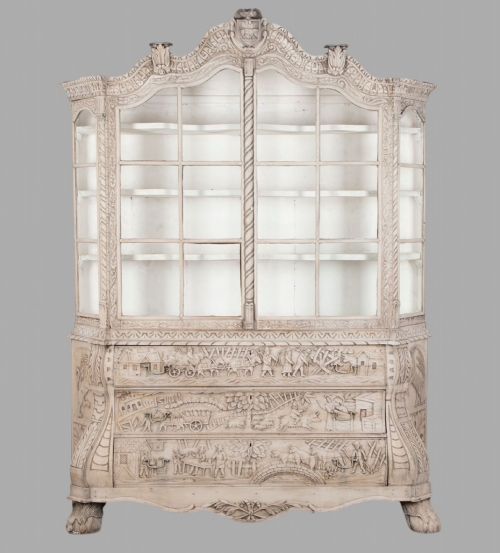
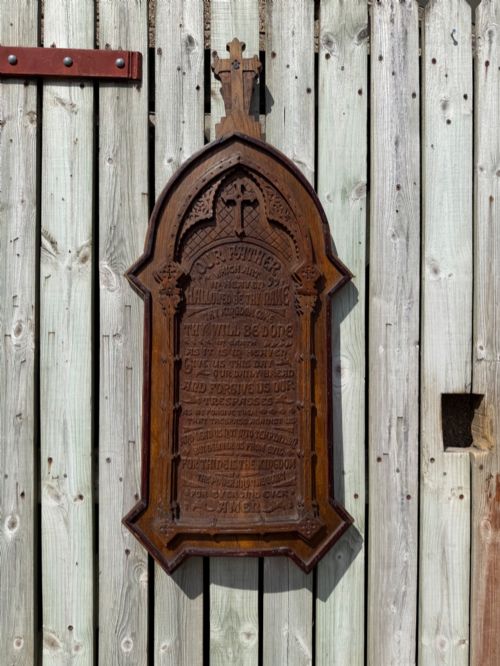
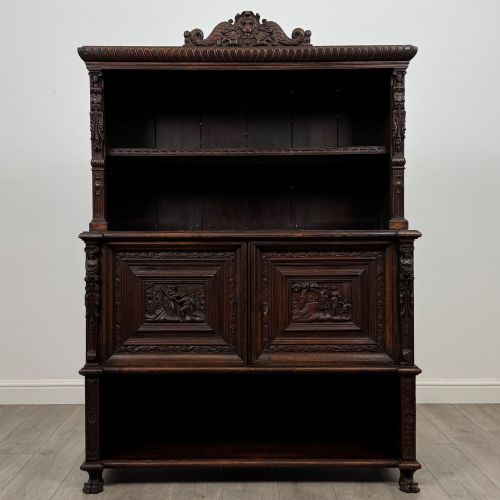
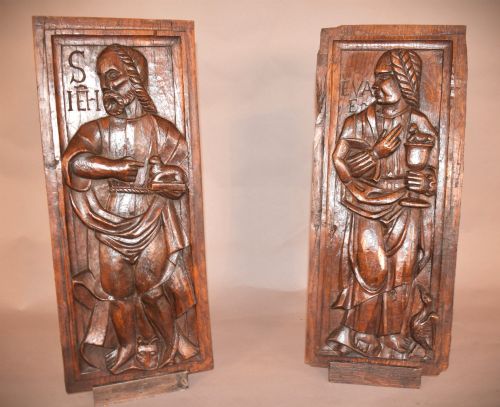
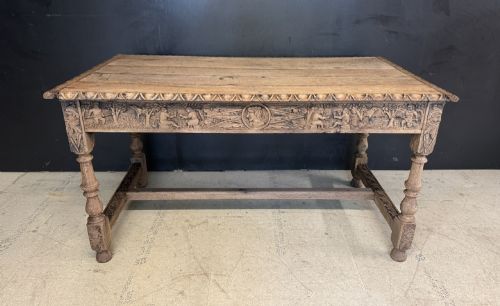
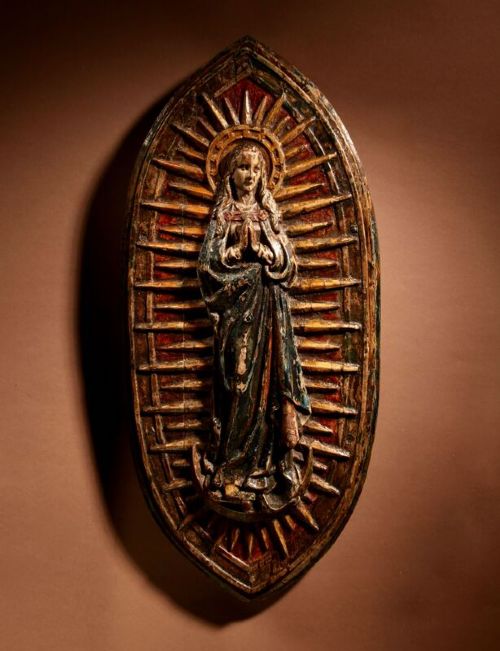
The objects on this page appear as isolated panels salvaged from larger furnishings, architectural fragments, and standalone wall sculptures depicting historical or religious subjects. Buyers encounter medieval altarpiece fragments, portrait plaques, and overmantle elements alongside larger furniture forms bearing significant relief decoration.
English, French, Dutch, Flemish, and German workshops account for the geographic origins visible in the inventory. The selection ranges from small ceiling rose panels to substantial nineteenth-century revivals imitating earlier craftsmanship.
Materials and construction methods
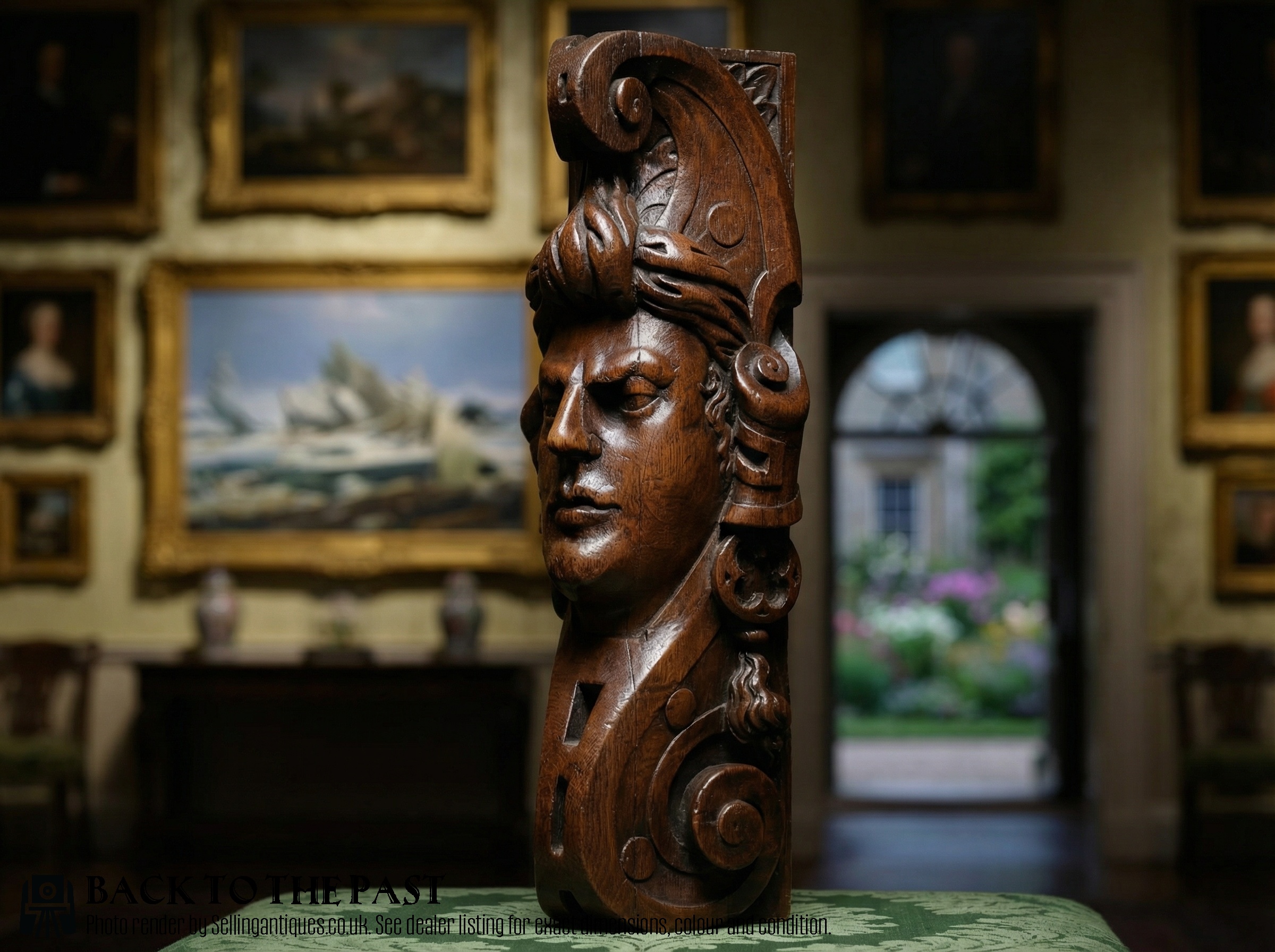
Craftsmen worked primarily in oak, timber, and wood, occasionally incorporating polychrome paint or walnut to enhance specific figural elements. Panels were typically hewn from single boards or joined with pegged mortise and tenon construction before receiving hand-chiseled surface carving.
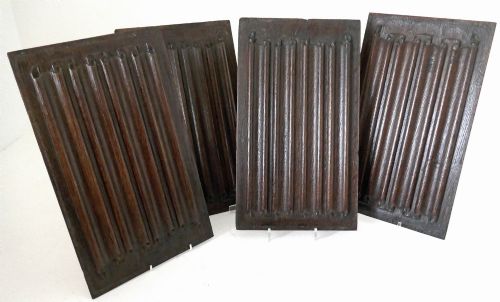
Relief depth varies from shallow linenfold patterns to high-relief figural sculptures where subjects project sharply from the background board. Secondary materials such as brass fittings or glass occasionally appear in associated cabinetry and display pieces.
Carved Oak Relief Retail Price Guide 2026
Typical asking prices for carved oak relief among the pieces listed under this phrase on Sellingantiques today, from the lower quarter to the upper quarter. They describe what is for sale here now, not the wider market.
Distinctions in execution
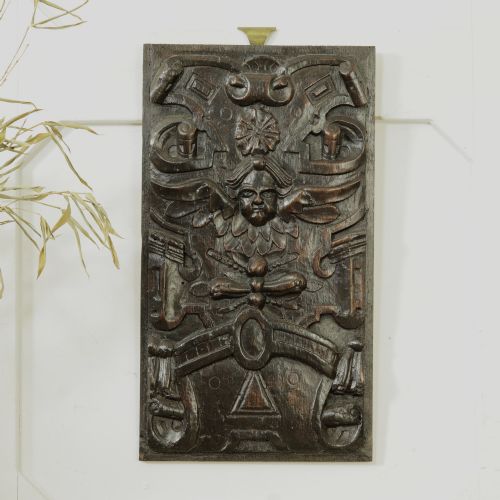
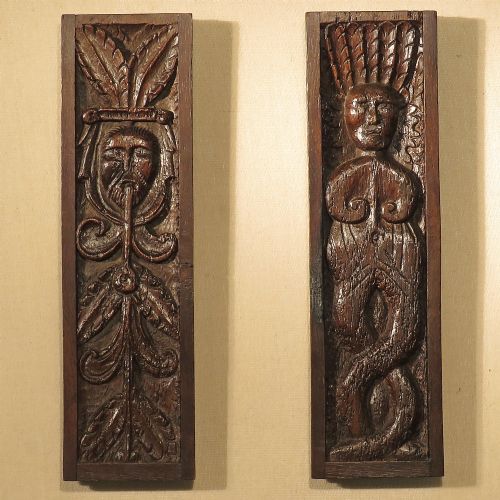
The sharpness and depth of the chisel work separate proficient output from pedestrian carving, visible in the handling of drapery, facial expressions, and botanical motifs like the Green Man. Crisp undercut details demonstrate superior hand control by the carver compared to softer, more rounded mechanical finishing.
The integrity of the timber ground and the coherence of the composition dictate visual success, particularly when panels are salvaged from dismantled altarpieces, cupboards, or architectural settings. Original surface patination and traces of early polychrome paint preserve the authentic character of the period.
Edward Pearce
The Carved Oak Relief Glossary
- Linenfold
- A style of wood carving that mimics folded parchment or fabric. This motif appears frequently on sixteenth-century panels and cabinetry.
- Ceiling Boss
- A projecting block of carved wood placed at the intersection of ribs in a ceiling. These architectural elements often feature floral or figurative designs.
- Polychrome
- The practice of decorating wood surfaces in multiple colours. Traces of this paint survive on early religious panels and sculptures.
- Architectural Salvage
- Building elements rescued from structures slated for alteration or demolition. These items include wall panels, overmantles, and decorative carvings repurposed for interior display.
Carved Oak Relief: Frequently Asked Questions
How are carved oak relief panels mounted?
These panels attach to walls using traditional wooden battens or concealed metal brackets secured to the sturdy timber backing. Care must be taken to distribute the weight evenly across wall studs.
Larger architectural fragments and overmantles require professional installation to support their substantial mass safely without warping the antique wood.
What subjects appear on these carvings?
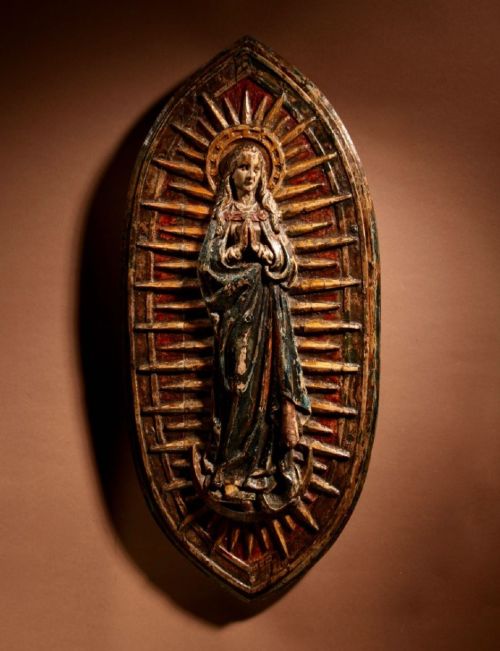
Common subjects include religious figures such as the Virgin Mary, saints, and biblical scenes derived from altarpieces. Secular themes also feature mythological characters, heraldic arms, and traditional motifs like the Green Man.
Figurative panels often draw from historical events or classical allegories popular during the Renaissance and subsequent revival periods.
How do I distinguish sixteenth-century work from nineteenth-century revivals?
Early sixteenth-century panels display tool marks, peg construction, and wear patterns consistent with centuries of age and hand-working methods. The timber exhibits deep oxidation and shrinkage appropriate to its era.
Nineteenth-century Gothic Revival pieces often show machine assistance, different fastening methods, and stylised interpretations that reflect Victorian aesthetic priorities rather than authentic medieval practice.
Where were these panels originally placed?
Many panels originated as structural components of church altarpieces, choir stalls, and wall paneling within grand domestic interiors. Others served as ceiling bosses, friezes, or overmantles above hearths.
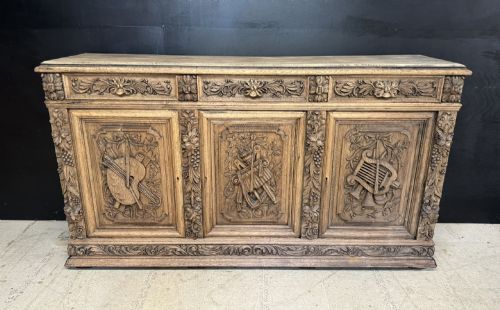
Later nineteenth-century examples often functioned as decorative wall plaques or were incorporated into sideboards, buffets, and hall settles.
How should I care for antique oak carvings?
Maintain stable indoor humidity levels to prevent the oak timber from splitting or warping over time. Keep pieces away from direct heat sources and strong sunlight.
Dust the carved surfaces gently with a dry, soft brush and avoid applying modern polishes or oils that can damage the historical patina.