
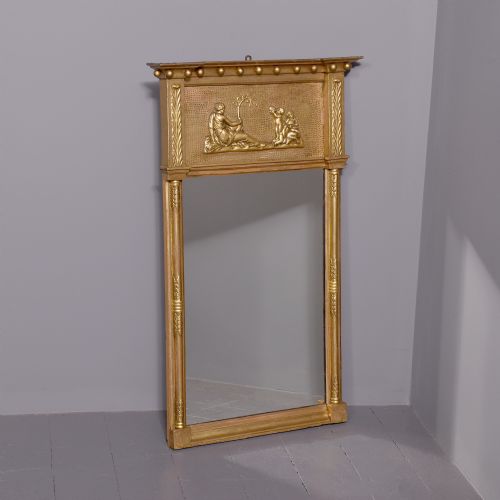
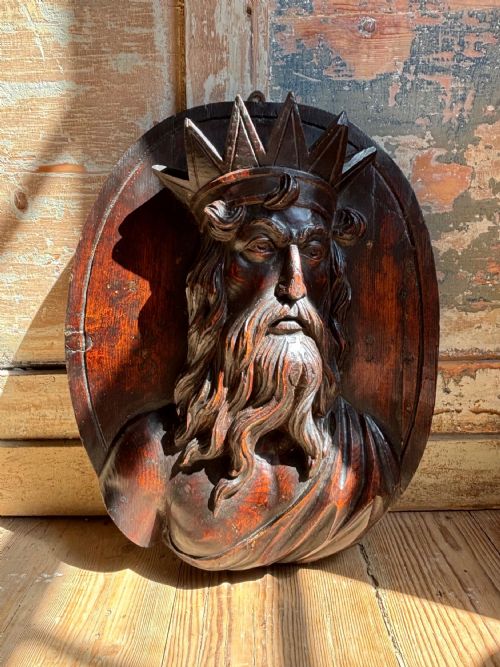
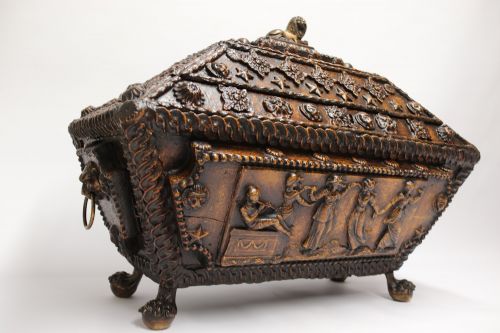
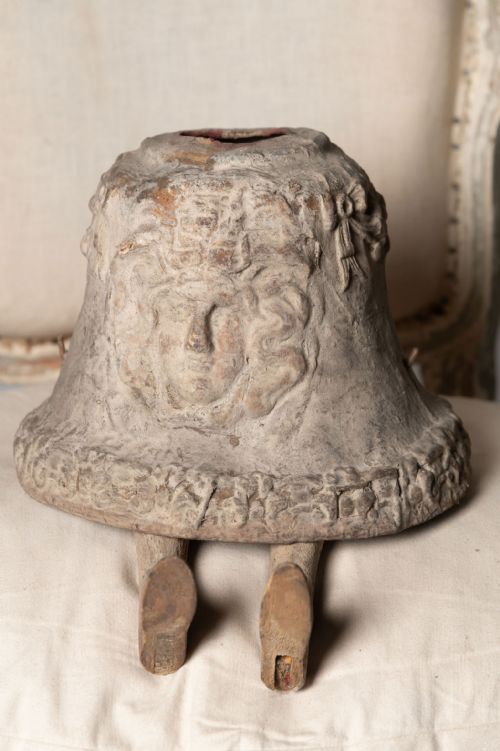


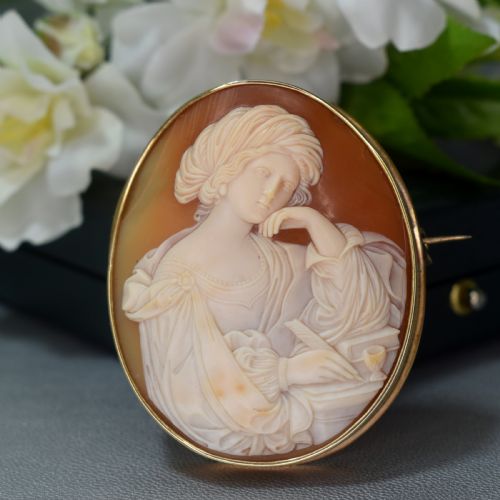


Classical Relief Carving
Classical relief carving brings mythical figures, imperial profiles and architectural scenes into domestic spaces through skilled handwork.
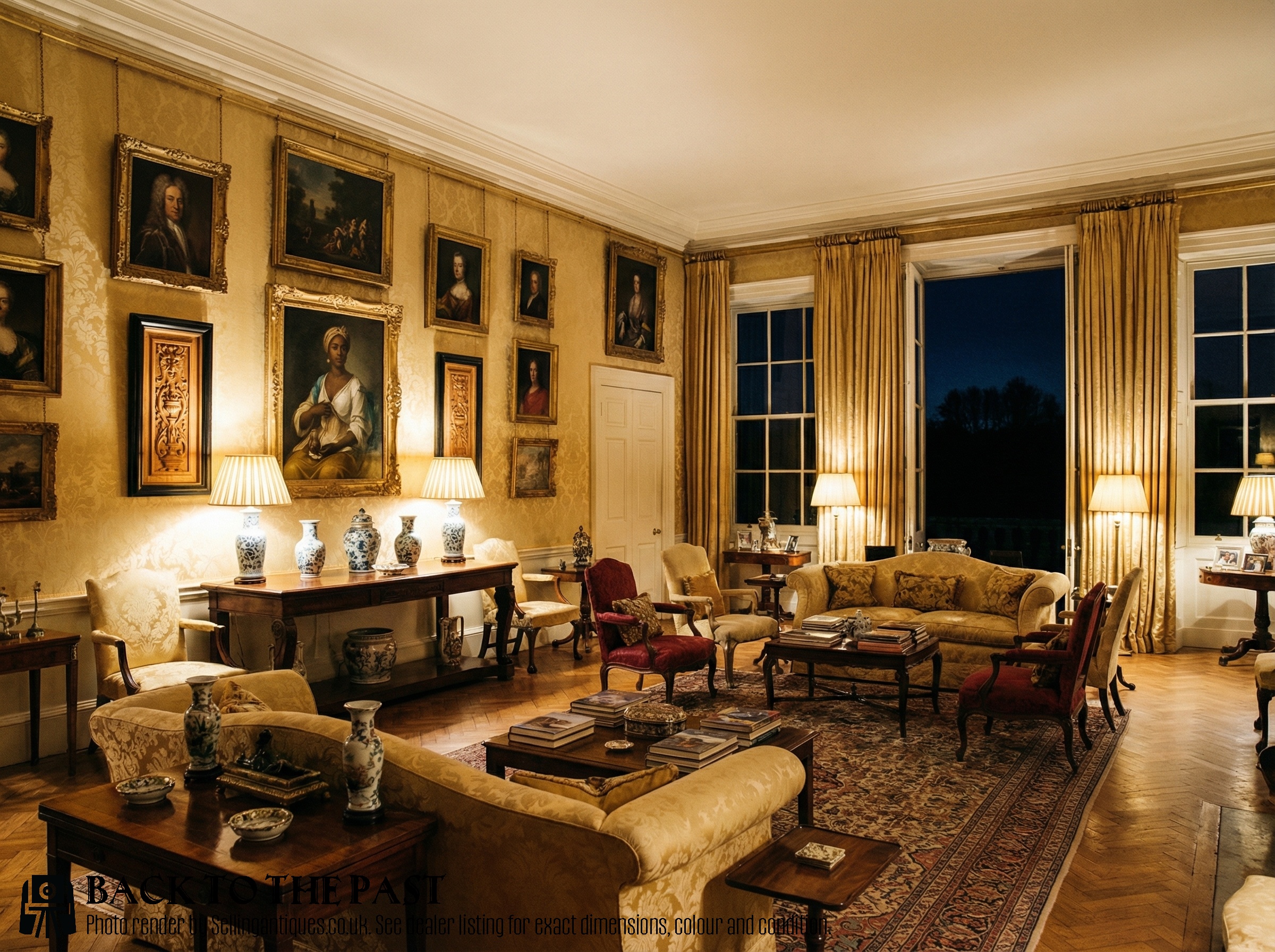
Classical Relief Carving
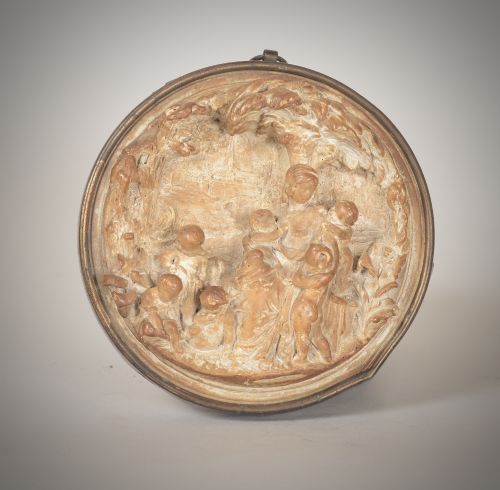
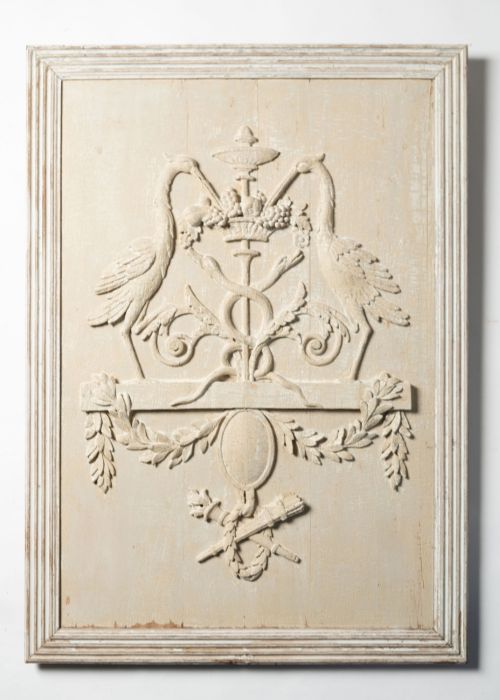
Classical relief carving encompasses wall plaques, framed panels, brooches and sculptural table accessories drawn from antique motifs.
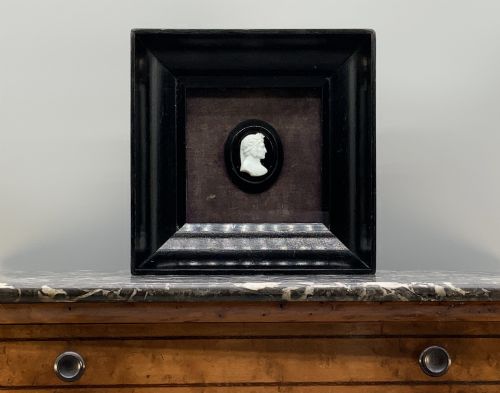
Buyers seeking classical relief carving most frequently encounter nineteenth-century Italian Grand Tour marble profiles, shell cameos and carved wooden architectural fragments.
These works replicate mythological deities, Roman emperors and literary figures in low or high relief across diverse material supports.
Materials and Construction
Carvers shaped materials such as Carrara marble, mahogany, walnut, shell and plaster by hand utilising chisels, gravers and modelling tools.
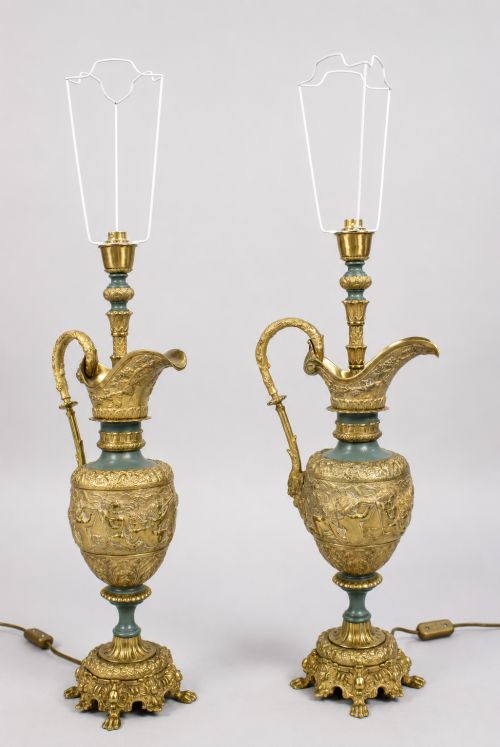
Metals including bronze, brass and gilt metal were cast or chased to frame the relief work or form companion ewers and lamps.
Natural media like lava stone and conch shell relied on layered strata to achieve tonal contrast in miniature portraiture.
Periods represented stretch from seventeenth-century fragments through Regency and Victorian Grand Tour items into twentieth-century revivals.
Judging Quality
Depth of carving and anatomical precision separate standard decorative items from superior sculptural output.
The crispness of undercut details in marble or wood indicates the carver's mastery over the medium.
The selection of unblemished shell layers and fine-grained marbles governs the visual coherence of the finished piece.
Thorvalsen Workshop·Kasper Hendrik Roskam·R.Pernice
The Classical Relief Carving Glossary
- Bas-relief
- A sculptural technique where figures project only slightly from the background plane. This shallow depth requires careful perspective management by the carver.
- Grand Tour
- An eighteenth and nineteenth-century custom where travellers acquired art and souvenirs across Italy. These items often replicated classical antiquities.
- Cameo
- A method of carving an object such as a engraved gem, conch shell or lava stone. The design stands out in relief from a contrasting background layer.
- Herm
- A sculpted bust or head atop a square pillar or tapering pedestal. These architectural supports often terminate in feet or foliage.
- Gesso
- A plaster mix applied to wood or canvas surfaces to prepare them for decoration. It accepts fine moulding and gilding.
Classical Relief Carving: Frequently Asked Questions
What is classical relief carving?
Classical relief carving involves sculptural scenes or portraits raised from a flat background panel using materials like marble, wood and shell.
These pieces typically depict mythological figures, historical personages or architectural ornaments rooted in ancient Greco-Roman aesthetics.
How were Grand Tour reliefs used?
Grand Tour reliefs served as portable souvenirs and scholarly mementos for travellers returning from Italy during the eighteenth and nineteenth centuries.
Collectors displayed them as wall plaques, cabinet specimens or mounted them into brooches and decorative furnishings.
How do I care for marble reliefs?
Marble reliefs require gentle dusting with a dry, soft cloth to prevent particulate accumulation within carved crevices.
Harsh chemical cleaners and abrasive cloths must be avoided to protect the polished surface and detailed edges.
How do I distinguish shell from lava cameos?
Shell cameos utilise natural layered molluscs that show translucent colour variations when held to the light.
Lava cameos consist of compressed volcanic rock featuring a matte, uniform texture and earthy monochromatic tones.
Where should I hang heavy wall plaques?
Heavy marble and wood plaques require secure wall fixings anchored directly into structural studs or masonry.
Weight distribution brackets ensure the piece remains stable and safe from accidental displacement.