



Terracotta Wall Plaque
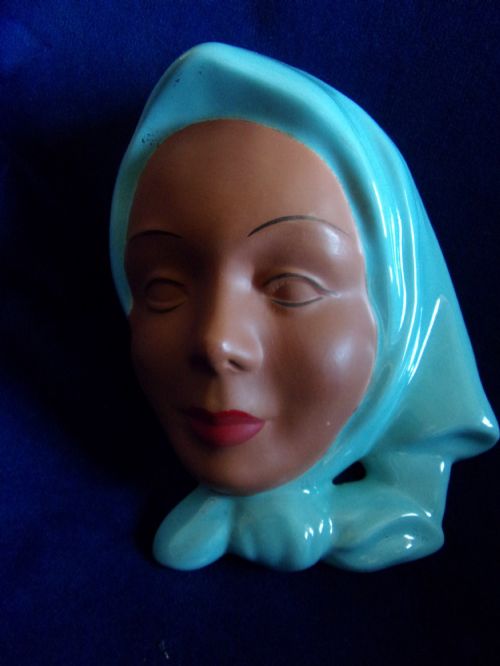
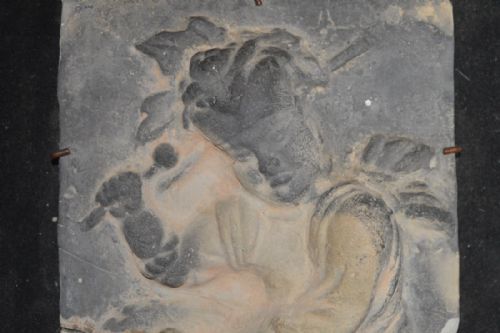
These terracotta wall plaque pieces range from nineteenth century French reliefs to Austrian masques, offering modelled clay relief for interior display.
Terracotta Wall Plaque
A terracotta wall plaque brings modelled clay relief and architectural ornament directly into domestic interiors. Buyers searching for a terracotta wall plaque encounter formats ranging from nineteenth century French wall reliefs and Austrian masques to Victorian portrait sculptures and Italian Baroque crests.
The selections available here span diverse periods including the seventeenth, eighteenth, nineteenth and twentieth centuries, alongside Victorian, Art Nouveau, and Art Deco stylistic influences. Forms extend across wall sculptures, friezes, decorative chargers, and ceramic tiles.
Origin points stretch from Britain and continental Europe to Japan and China, incorporating commemorative tiles, funereal panels, and portrait masks. Each piece serves primarily as wall art designed for interior suspension and visual focal points.
How they were made
Makers shaped these works primarily using terracotta, ceramic and earthenware, sometimes applying glaze, enamel and pigment for surface colour and detail. The underlying clay body provides the structural form for modelled reliefs and sculptural masks.
A satirical refugee monkey family in America takes physical form in Austrian terracotta.
What varies in quality
The standard of modelling in the clay determines the crispness of facial expressions, drapery folds and animal anatomy across reliefs and masks. Sculptural depth and undercut detailing separate masterwork friezes from simpler moulded productions.
Surface finish also dictates overall merit, particularly where hand painting, pigment layers or enamel glazes survive in strong condition. The integration of supporting elements like wooden frames and copper wire contributes to the structural integrity of the piece.
Ernst Wahliss·Gmundner·Gio Ponti·Richard Ginori
The Terracotta Wall Plaque Glossary
- Terracotta
- Fired unglazed or glazed clay of a brownish-red colour used for sculpture and architectural ornaments. This material forms the primary physical substrate for the majority of the objects listed.
- Relief
- Sculptural technique where the sculpted elements remain attached to a solid background of the same material. High and low relief variations determine how far the figures project from the backing plane.
- Masque
- A decorative sculptural representation of a face, often theatrical or grotesque in origin, designed for wall display. These pieces frequently appear in Austrian and Victorian ceramic traditions.
- Totai Shippo
- Japanese cloisonné enamel on a ceramic or earthenware body rather than a metal base. This technique produces textured surface effects such as simulated tree bark alongside traditional wirework.
- Frieze
- A long, narrow band of sculpture or decoration used on walls or architectural surfaces. Terracotta examples often depict classical or mythological narrative scenes in sequence.
Terracotta Wall Plaque: Frequently Asked Questions
How do I hang a heavy terracotta plaque?
Most substantial terracotta and ceramic pieces incorporate integrated kiln loops, embedded wire or sturdy wooden backing frames for wall attachment.
Ensure wall fixings match the weight of the specific plaque, transferring the load safely to brick or studwork rather than relying on standard plasterboard plugs.
Can these wall plaques go outside?
The majority of interior terracotta wall plaques, painted earthenwares and glazed ceramic tiles are intended strictly for sheltered indoor display.
Frost expansion and persistent moisture can damage painted surfaces, unglazed porous clay bodies and applied enamel glazes if exposed to exterior weather.
How should I clean a painted terracotta relief?
Dust gently using a dry, soft brush to prevent particulate matter from settling into the porous clay texture or delicate painted details.
Avoid liquid cleaners, damp cloths and chemical solvents, as these can lift fragile pigments, nineteenth century paints and historical surface finishes.
How do I distinguish Art Nouveau from Art Deco pieces?
Art Nouveau examples rely on organic motifs, flowing asymmetrical curves, floral elements and naturalistic forms characteristic of the late nineteenth and early twentieth centuries.
Art Deco items typically favour geometric symmetry, stylised linear patterns, sharper angles and streamlined industrial aesthetics popular towards the nineteen thirties.