




19th Century Lion Mask
These pieces featuring a 19th century lion mask bring neoclassical strength to furniture and metalwork, prized for their bold sculptural authority.
19th Century Lion Mask
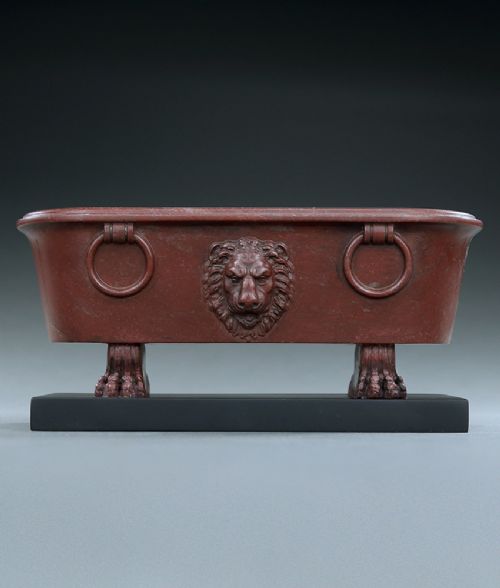
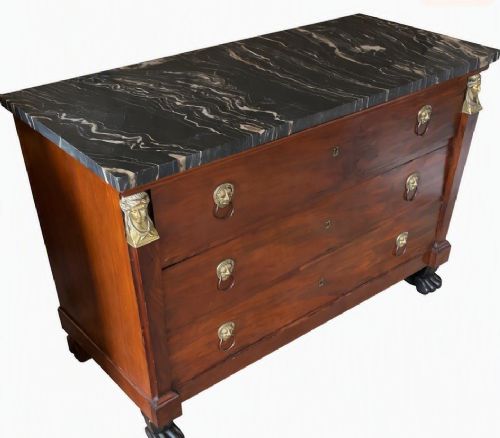
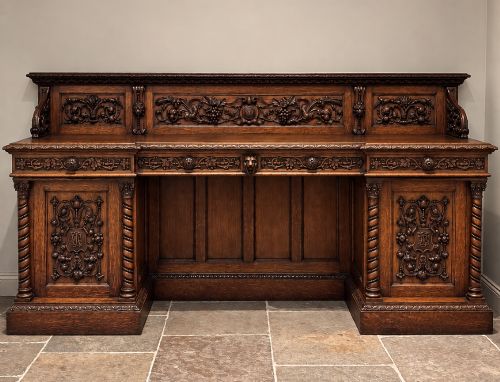
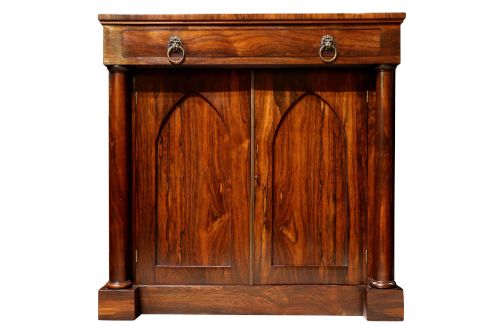
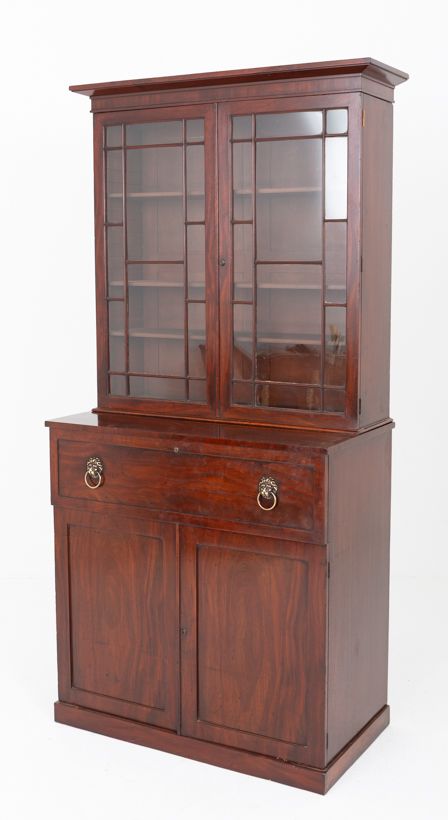
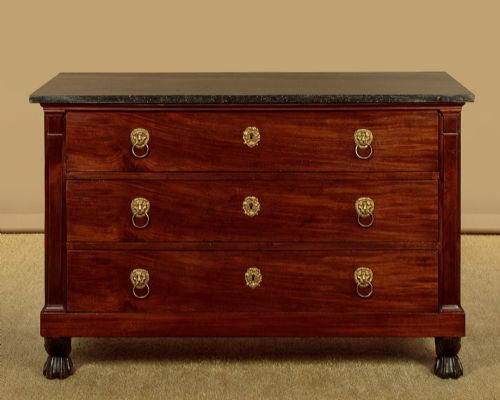
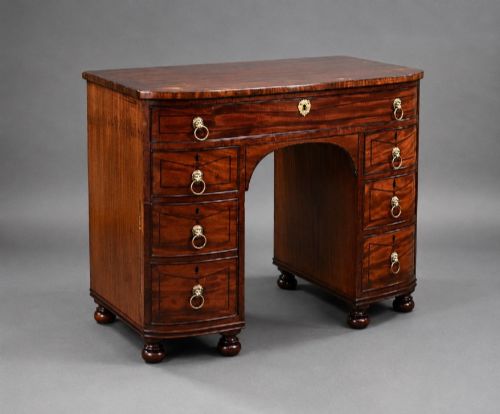
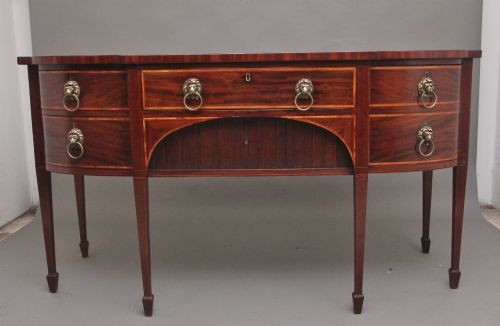
When you search for a 19th century lion mask, you encounter fierce sculptural mounts and carvings applied to large furniture, smaller decorative boxes, and metal vessels. The motif appears frequently on Regency and Victorian mahogany sideboards, rosewood tea caddies, brass jardinières, and coal bins from across the nineteenth century.
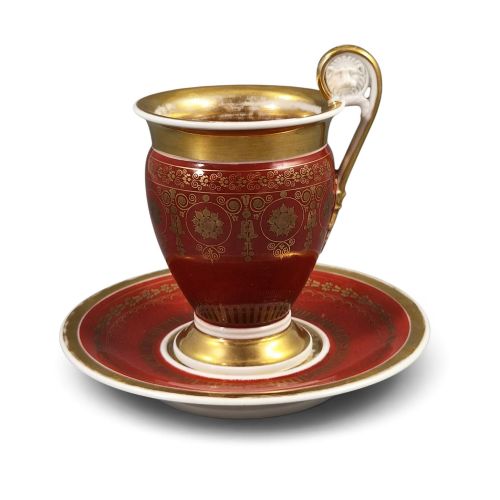
You are most likely to meet these fierce visages functioning as ring handles on wine coolers, drop handles on drawers, or carved wooden terminals on cabinet door stiles. The pieces range from grand architectural wall masks and carved oak panels to small porcelain cabinet cups and silver plate champagne coolers.
How They Were Made
Many items combine structural timber carcasses with applied brass or cast iron hardware, securing the masks with pins or threaded bolts behind ring drop handles. Ceramic and porcelain vessels integrate the motif directly into the mould as functional handles on sugar bowls and cups before firing and glazing.
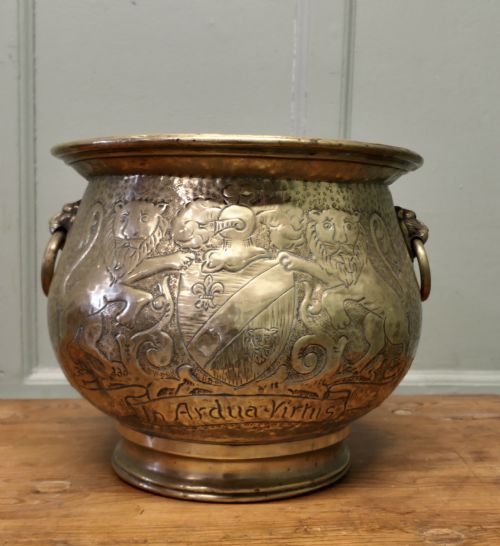
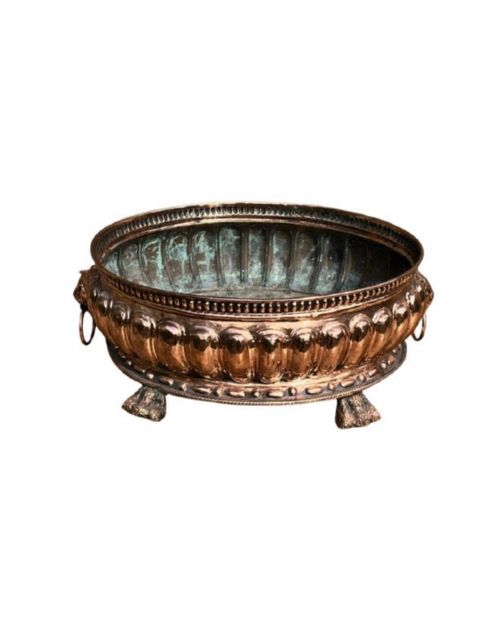
Listings demonstrate that brass and copper metalwork frequently pairs lion masks with paw feet on log bins and jardinières.
What Varies in Quality
Proportion and integration also dictate the hierarchy of these objects; top-tier pieces feature mounts designed specifically for the scale of the furniture or vessel, rather than generic hardware later adapted to fit a drawer or side table.
Minton·Old Paris
The 19th Century Lion Mask Glossary
- Jardinière
- A decorative pot or stand for holding plants or flowers, frequently rendered in brass, copper, or majolica during the nineteenth century. These vessels often utilise cast lion masks as side handles.
- Cellarette
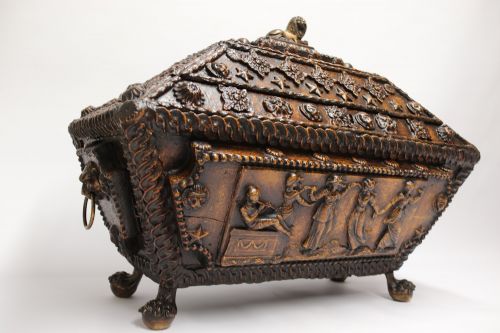
- A lockable container used for storing wine bottles near the dining table, often shaped like a sarcophagus and fitted with heavy brass lion mask handles. They appear frequently in mahogany and rosewood.
- Ormolu
- Gilded bronze used widely for decorative mounts and hardware on French Empire and Regency furniture. The technique involves applying a finely ground mercury and gold amalgam to cast bronze.
- Gesso
- A plaster-like mixture applied to wood surfaces and carved or moulded into decorative reliefs before gilding or painting. It is found on early nineteenth-century caskets and decorative frames.
- Semainier
- A tall, slender weekly chest of drawers originating in France, typically featuring seven drawers and constructed from cherry or other fine timbers. They sometimes incorporate neoclassical mounts.
19th Century Lion Mask: Frequently Asked Questions
What furniture styles feature lion masks?
These fierce motifs appear most prominently across Regency, Victorian, and French Empire designs, aligning with a broader fascination for classical antiquity. You will find them gracing heavy mahogany sideboards, rosewood chiffoniers, and carved oak desks.
Cabinetmakers utilised the motif to impart architectural gravitas and a sense of noble antiquity to domestic interiors. The style bridges Georgian elegance and later Victorian Gothic Revival interpretations.
How were lion masks used on metalware?
Metal iterations served primarily as functional handles and ring plates on coal bins, wine coolers, and copper jardinières. The heavy casting allowed servants to lift large vessels easily.
They also appeared on door knockers and andirons, combining utility with decorative symbolism. The metalwork reflects diverse manufacturing centres in Britain, France, and the Netherlands.
How can I date a piece with a lion mask?
Dating relies heavily on the underlying object's timber, construction technique, and overall stylistic period rather than the mask alone. Regency pieces often exhibit sleek mahogany and brass inlay, while Victorian items lean towards deeper, heavier oak carving.
Secondary materials like copper, brass, and porcelain provide further chronological clues through their manufacturing methods. Archive comparisons help narrow down the decade of production.
Where should I place these items at home?
Larger pieces like sideboards, cellarettes, and carved wall masks function best as focal points in dining rooms or entrance halls. Their substantial presence anchors a room with period character.
Smaller items, including tea caddies, brass jardinières, and cabinet cups, sit comfortably on side tables or desks. They offer a subtle touch of neoclassical sculpture without dominating the space.