
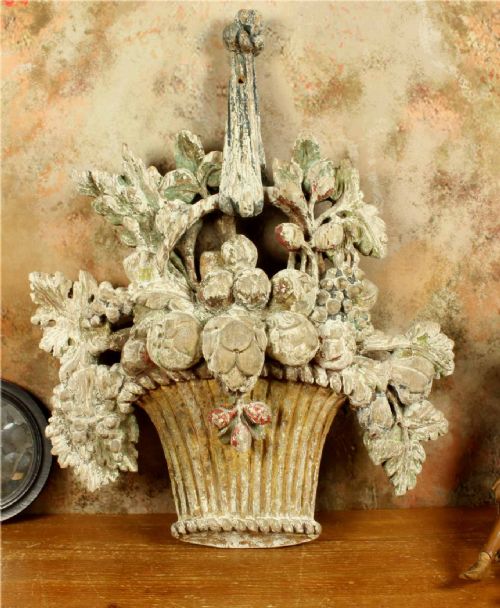
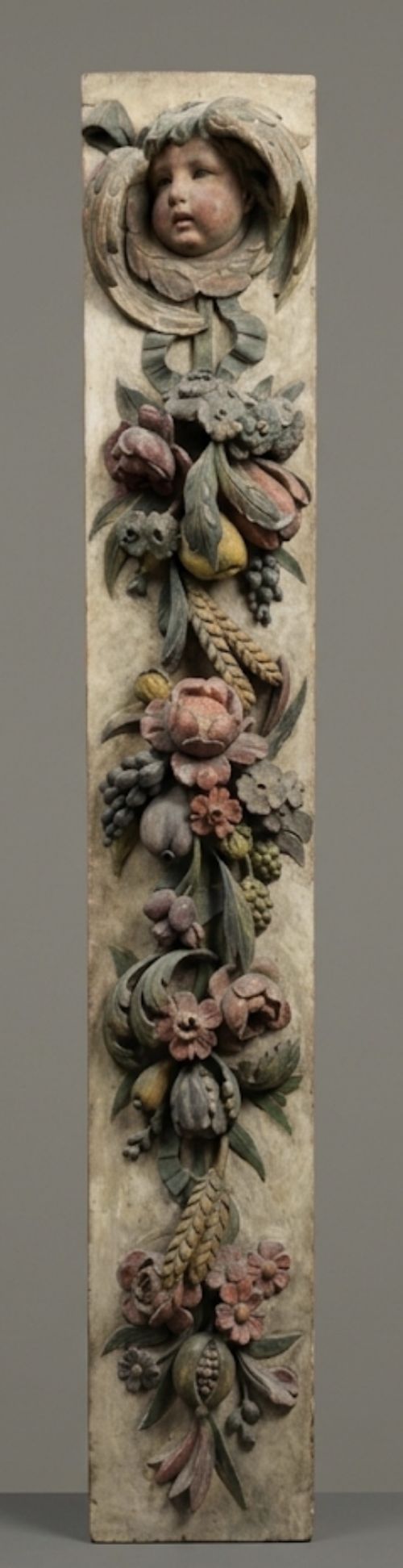


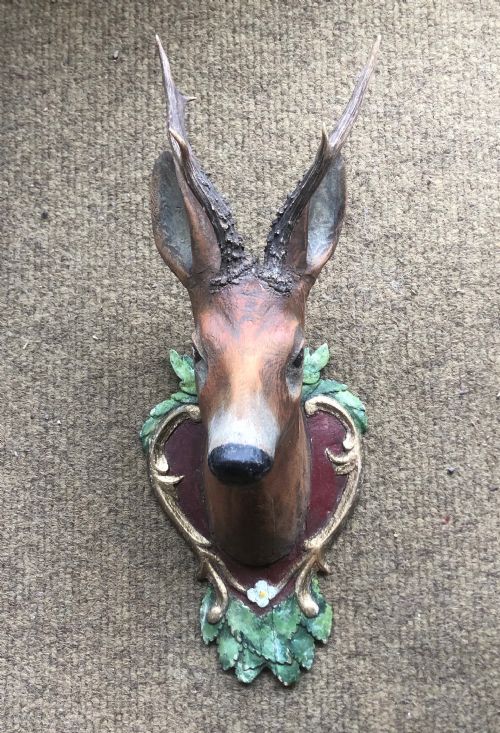
Painted Wall Sculpture
These painted wall sculpture pieces span centuries of hand-carved timber and pigment, offering striking focal points for a room.
Painted Wall Sculpture
A painted wall sculpture brings three-dimensional form and colour to an interior, drawing on centuries of woodworking and artistic tradition. When you search for painted wall sculpture, you encounter everything from folk art animals to heraldic crests and architectural panels.
The selections on this page range from the eighteenth century to the mid-twentieth century, encompassing items like carousel panels, fairground figures, and carved wooden putti. These works cross various cultural origins, including French, Spanish, Italian, Dutch, and African traditions.
Most pieces function primarily as decorative wall reliefs or panels, designed to mount directly onto flat surfaces. They bridge the gap between traditional sculpture and painting, using pigments applied directly to carved timber or terracotta.
Materials and construction
Makers relied predominantly on timber, utilising carved wood, timber panels, and gesso as the foundational base for these artworks. Craftsmen shaped these materials using traditional hand-carving tools to achieve high relief and detailed figures.
Surface decoration involved paint, polychrome paint, and natural pigments applied directly to the carved wood or terracotta. This layering of pigment and gesso protected the underlying material while providing vibrant visual depth.
A brassband fanfare jigsaw relief proves that carvers occasionally enjoyed crafting joyful, noisy scenes from simple timber.
Assessing quality and execution
Quality rests heavily on the depth of the carving and the dexterity displayed in shaping human or animal forms, such as horses, figures, and cherubs. Finer examples exhibit confident chisel work and expressive anatomical details rather than rigid symmetry.
The condition and survival of the original polychrome paint and pigment layers also dictate the standing of a piece. Traces of early or original surface colour maintain the historical integrity of the artwork.
The Painted Wall Sculpture Glossary
- Polychrome
- Decorated in a variety of colours. This term describes wooden sculptures and panels finished with multiple painted pigments.
- Gesso
- A plaster mixture used as a smooth base for paint. Artisans applied it to wood before adding final pigments.
- Relief
- Sculpture carved from a flat background. Figures project partially from the panel rather than standing completely free.
- Putti
- Representations of chubby male infants, often winged. They appear frequently in seventeenth and eighteenth-century decorative woodwork.
- Armorial crest
- A design representing family lineage or heraldry. These carved wooden coats of arms often feature rich painted details.
Painted Wall Sculpture: Frequently Asked Questions
How should I clean painted wooden reliefs?
Dust these surfaces gently using a dry, soft-bristled brush or a clean microfiber cloth. Avoid applying moisture or chemical cleaners, which can damage aged pigments.
Keeping pieces away from direct sunlight and excessive humidity helps preserve the fragile painted finishes and timber.
What is the difference between folk art and classical carvings?
Folk art carvings, such as fairground figures or regional animal reliefs, display charming local traditions and simpler, bolder execution. They prioritize character over strict academic proportions.
Classical carvings, including Italian putti or armorial crests, follow formal artistic rules with refined anatomical accuracy and academic styling.
Can these sculptures be displayed outdoors?
These decorative works are strictly intended for interior environments. Exposure to outdoor weather will quickly ruin the wood and historic paint.
Stable indoor temperatures protect both the timber substrate and the delicate polychrome layers from cracking or peeling.