
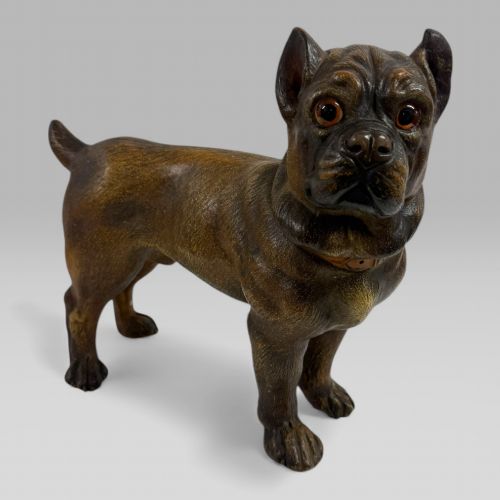


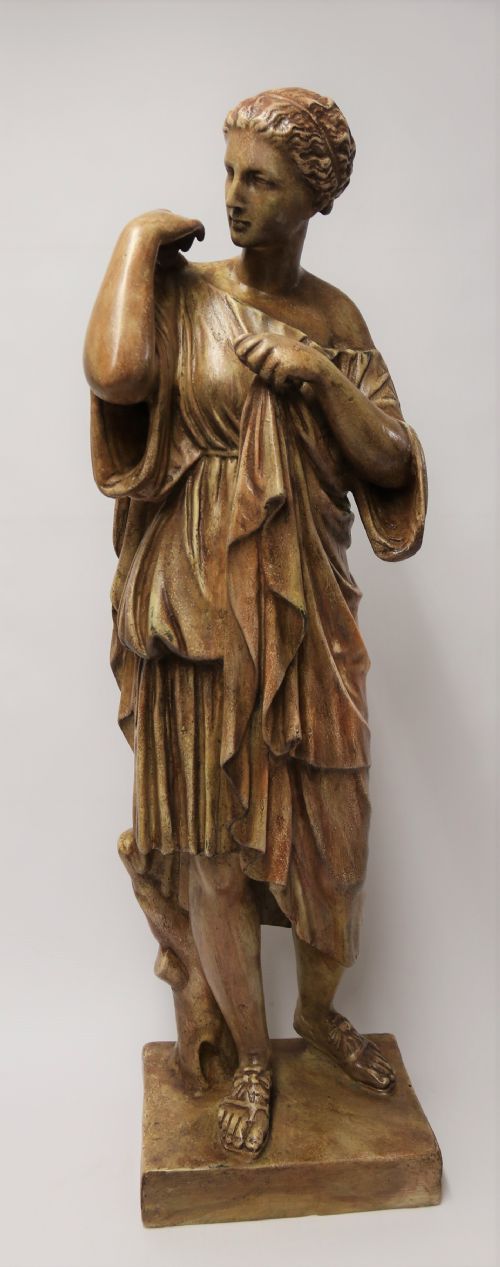


Brown Terracotta Sculpture
These brown terracotta sculpture pieces bring tactile presence and earthy warmth to a room.

What a brown terracotta sculpture is
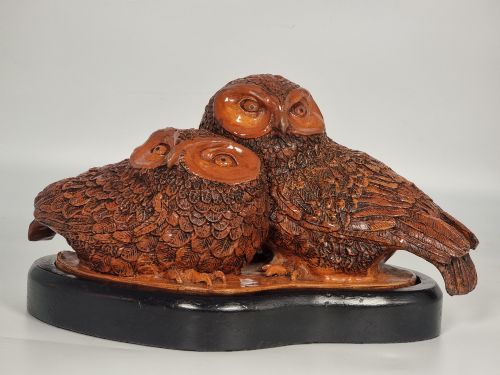
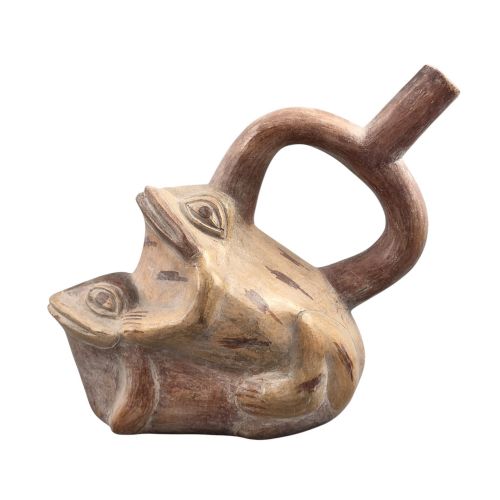
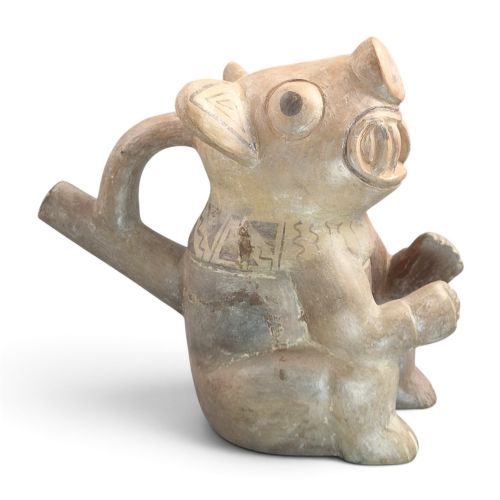
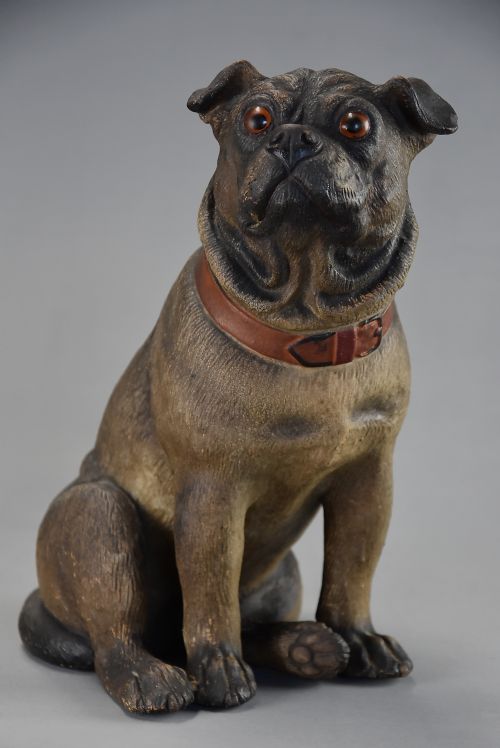
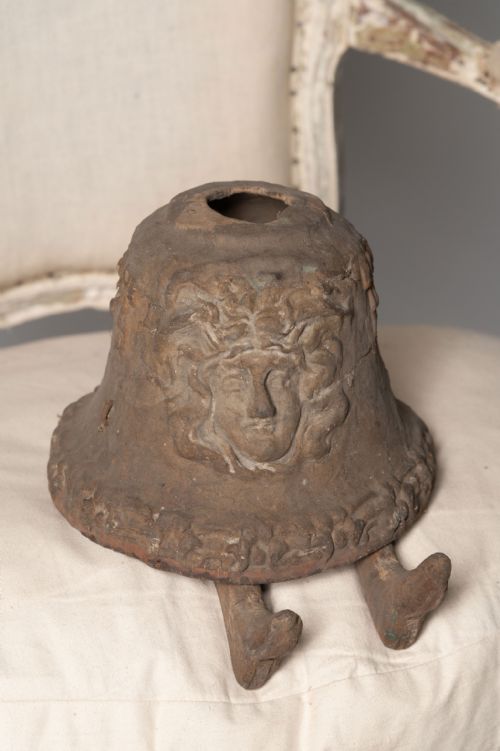
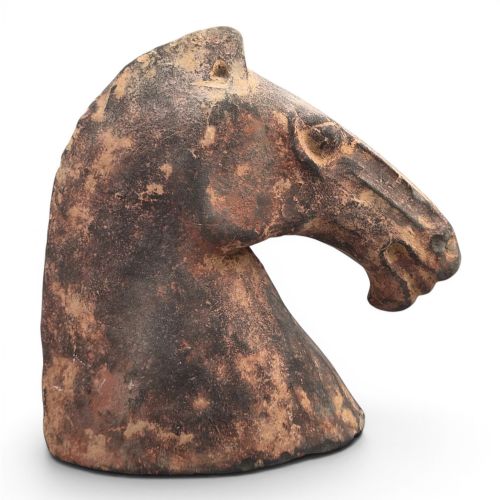
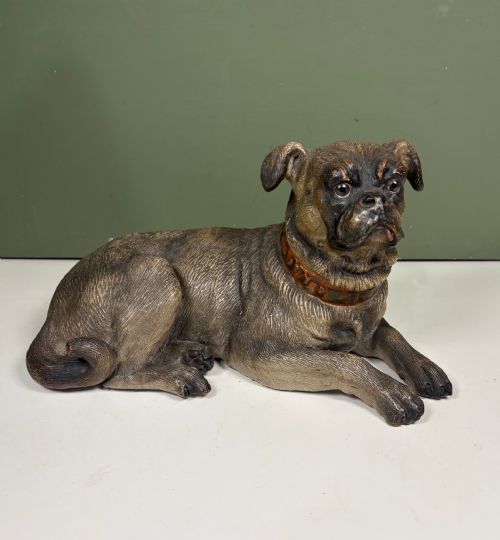
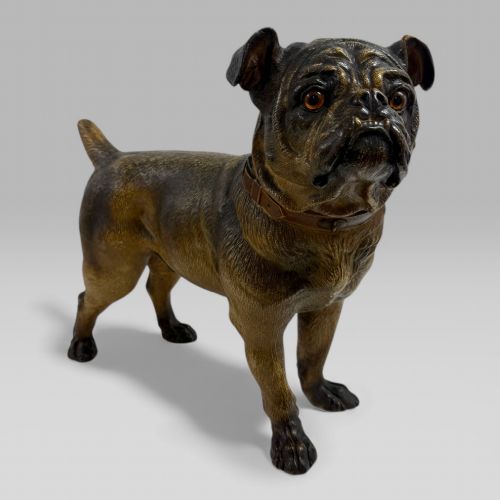
A brown terracotta sculpture offers a direct encounter with modelled earth, shaped by the hands of makers across centuries. When you search for a brown terracotta sculpture, you find figures, busts, masks and animals ranging from antiquity to the twentieth century. The selection includes Chinese tomb figures, Austrian animalier studies and French academic models.
The objects span diverse periods from pre-sixteenth century pieces to Art Deco works. Forms include horse heads, chimpanzees, lion masks, anatomical models and female busts. Each piece demonstrates the enduring appeal of fired clay in sculptural art.
How they were made
These works utilise terracotta and earthenware as the primary sculptural medium, shaped while pliable and subsequently fired. Many examples incorporate pigment, paint and polychrome paint to enhance surface detail and definition. The process relies on skilled modelling and controlled kiln firing to achieve durability.
Makers combine traditional earthenware techniques with applied surface finishes. Some pieces integrate glass elements alongside the painted terracotta body, reflecting the specific period techniques of Austrian and French workshops.
Retail Price Guide 2026
Typical UK retail prices for brown terracotta sculpture, calculated from the Sellingantiques database of over a million retail prices indexed since 2003. This retail price guide relies exclusively on Sellingantiques data; no external sources or auction records are used, so the figures do not describe the wider market.
Listings span from pre-sixteenth century antiquities to twentieth-century Art Deco pieces, utilising terracotta, earthenware and polychrome paint.
What varies in quality
Quality in these sculptures rests upon the dexterity of the modelling and the sensitivity of the surface finish. Finer pieces display confident handling of the clay, capturing anatomical precision or character with economy and vigour. The application of pigment and polychrome paint further distinguishes superior examples, where colour enhances rather than obscures the form.
The sophistication of the original design separates ambitious works from standard commercial production. Earlier antiquities derive their interest from historical authenticity and ritual function, while later decorative figures rely on the distinct stylistic vocabulary of their period.
Gilbert Privat·Goldscheider
The Brown Terracotta Sculpture Glossary
- Terracotta
- A porous, reddish-brown earthenware clay used for ceramic sculpture and pottery. It hardens upon firing and may be left unglazed or painted.
- Polychrome paint
- The practice of decorating sculptural surfaces in multiple colours. This technique brings realism and visual depth to the fired clay.
- Mingqi
- Chinese burial goods placed in tombs to accompany the deceased. These figures represent animals, servants and guardians.
- Animalier
- A nineteenth-century artistic style focusing on the realistic depiction of animals. Sculptors in this tradition studied anatomy closely.
Frequently Asked Questions
What is a brown terracotta sculpture?
A brown terracotta sculpture is a three-dimensional artwork modelled from fired earthenware clay. These pieces range from ancient funerary figures to nineteenth-century animalier studies and twentieth-century busts.
The natural reddish-brown hue of the fired earth often serves as the base for applied pigments, paints or glazes. They function primarily as decorative objects or historical artefacts.
How do I care for terracotta?
Terracotta is a porous material that requires gentle handling and protection from excessive moisture. Dusting with a soft, dry brush keeps the surface clean without damaging applied pigments.
Avoid using liquid cleaners or placing pieces in damp environments. Stable indoor conditions preserve the integrity of the fired clay.
How are periods told apart?
Periods are identified through stylistic markers, working methods and material characteristics. Ancient pieces often show specific burial wear and traditional ritual forms.
Later Victorian and twentieth-century works reflect the prevailing artistic movements of their time, such as Art Deco or animalier realism.
Where were these sculptures made?
These sculptures originate from diverse regions including China, France and Austria. Each region developed distinct traditions in modelling and surface decoration.
European workshops produced decorative and anatomical models, while Asian kilns created ritual tomb figures.