
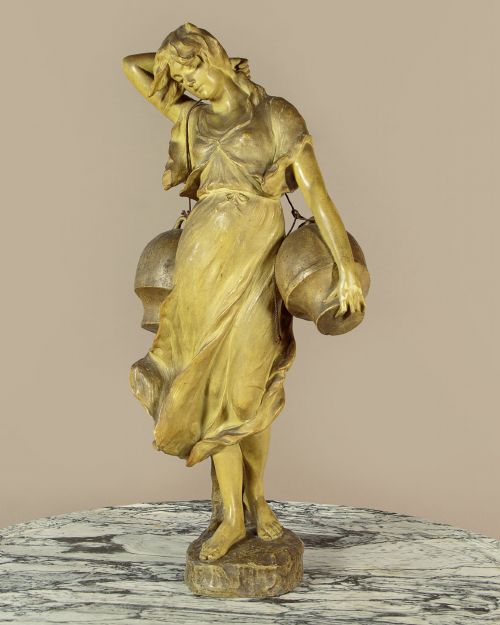


Art Nouveau Terracotta Figure
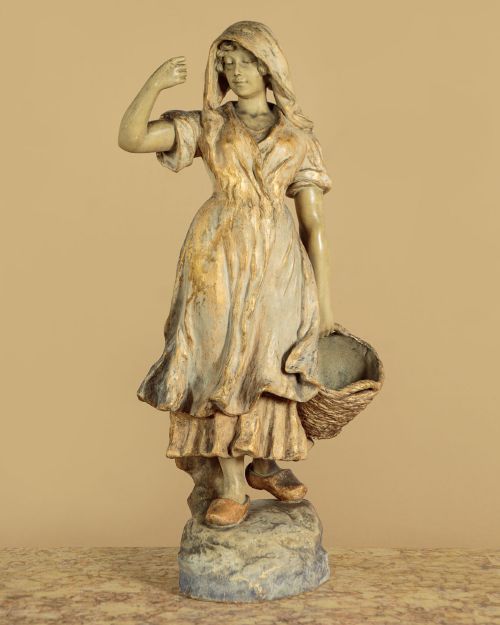
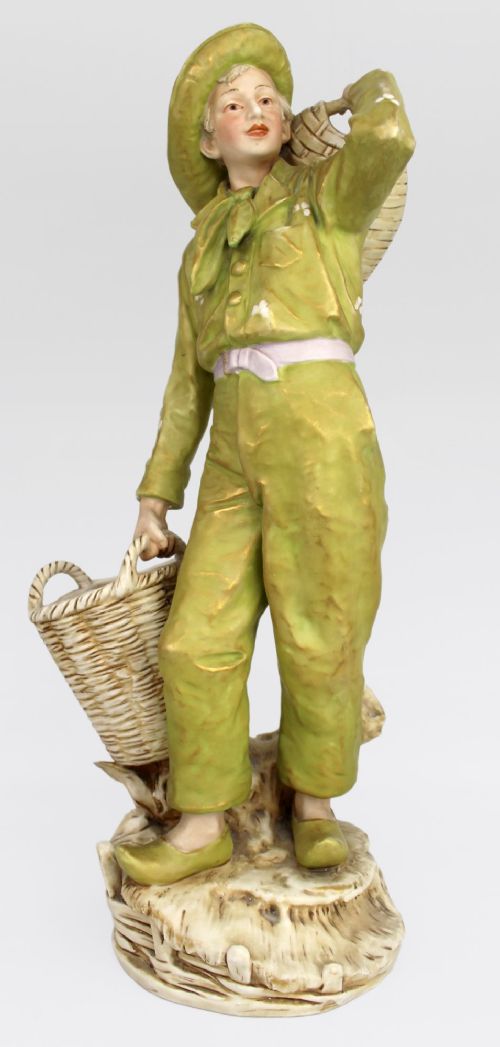
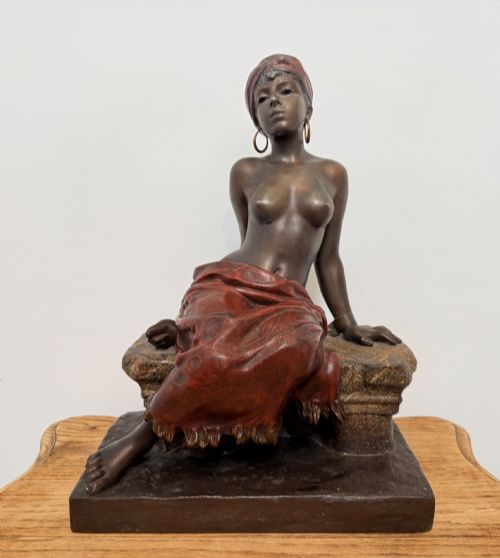
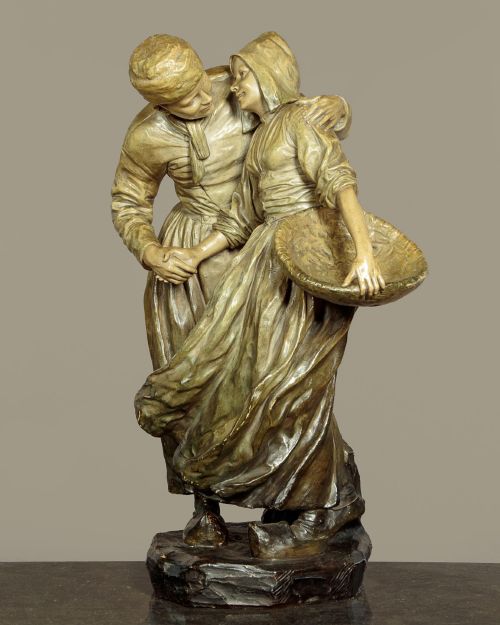
An art nouveau terracotta figure brings sinuous lines and natural form into a room, capturing the distinct aesthetic of the turn of the twentieth century.

Art Nouveau Terracotta Figure
When you search for an art nouveau terracotta figure, you encounter sculptural works that span the late nineteenth century into the early decades of the twentieth century. These pieces encompass depictions of young women, maidens, historical figures, and allegorical subjects created during the height of the movement.
The versions most commonly met on this page originate from European makers and workshops active in Austria, Bohemia, and France. They take the form of single female figures, figure groups, and busts that reflect the flowing drapery and organic motifs characteristic of the period.
Makers such as Goldscheider and Royal Dux dominate the selection, alongside works by named sculptors including Emmanuel Villanis, Richard Aurili, Ernst Wahliss, and A. Gory. Collectors find both monumental examples and smaller decorative figurines representing this distinct decorative vocabulary.
Materials and methods
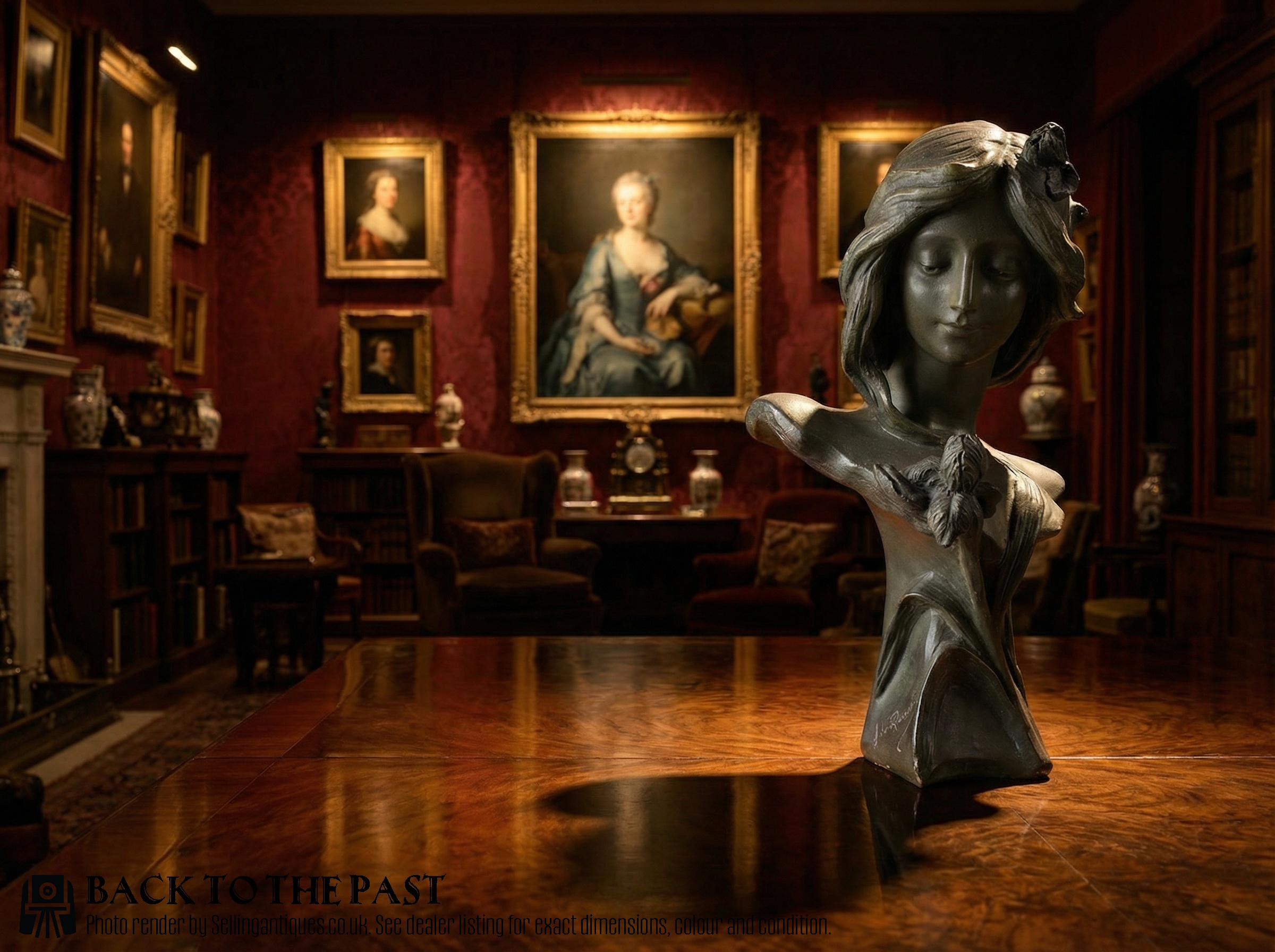
The primary material underpinning these sculptures is terracotta, shaped through modelling or slip casting to achieve intricate detail in hair, drapery, and facial expression. Alongside plain terracotta, makers utilised earthenware and porcelain to produce similar sculptural forms.
Surface finish defines much of the visual character, with artists applying paint, gilt, and polychrome paint directly to the fired clay. Certain pieces also employ a bronzed slip cast technique to emulate the appearance of metal while retaining the warmth of ceramic.
Listings feature works from the nineteenth century, the Victorian period, Edwardian era, and the early twentieth century up to nineteen twenty.
Assessing the pieces
The application of surface colouration further distinguishes the range, where hand-painted polychrome details, metallic patination, or gilding remain intact and deliberate. The scale and ambition of the composition, particularly in monumental figures and complex figure groups, also separate standard decorative items from exceptional examples.
Goldscheider·Royal Dux Bohemia·E Villanis·Richard Aurili·Ernst Wahliss·A. Gory
The Art Nouveau Terracotta Figure Glossary
- Terracotta
- A porous fired red earthenware clay used extensively for sculptural figures. It serves as the primary base material for many turn-of-the-century decorative objects.
- Slip cast
- A manufacturing process where liquid clay slip is poured into a plaster mould to create hollow ceramic sculptures. This technique allowed workshops to produce consistent figures on a commercial scale.
- Polychrome paint
- The application of multiple colours to the surface of a sculpture. It highlights garments, hair, and naturalistic details on ceramic and terracotta figures.
- Bronzed slip
- A metallic coating applied to ceramic or terracotta to simulate the look of cast bronze. It gives the figure a dark, lustrous metallic sheen.
- Allegorical subject
- A symbolic figure representing an abstract idea such as water, spring, or a classical myth. These themes recur frequently in turn-of-the-century sculpture.
Art Nouveau Terracotta Figure: Frequently Asked Questions
How do I identify an authentic period piece?
Authentic period pieces typically display factory stamps, model numbers, or artist signatures incised into the clay or marked on the base. Examining the weight, the handling of the terracotta, and the application of early surface finishes helps determine age.
Familiarity with the distinct stylistic output of workshops such as Goldscheider and Royal Dux provides a reliable baseline for comparison against later reproductions.
Were these figures intended for interior display?
These sculptures were created as decorative art objects for bourgeois domestic interiors during the Victorian and Edwardian eras. They sat on mantelpieces, pedestals, and console tables as focal points in a room.
Because terracotta and painted earthenware are relatively fragile, they were strictly meant for indoor environments away from moisture and direct sunlight.
How should I care for a terracotta sculpture?
Maintenance requires gentle, dry dusting with a soft brush to prevent particulate buildup in the recessed details of the hair and drapery. Moisture and harsh cleaning agents must be avoided entirely to protect painted, gilded, or bronzed slip surfaces.
Placing the figure on a stable, level surface away from high traffic areas ensures it remains secure from accidental knocks.
What distinguishes Austrian and Bohemian pieces?
Austrian and Bohemian works often reflect the sculptural innovations of Vienna and surrounding ceramic centres around nineteen hundred. They frequently combine naturalistic female forms with flowing art nouveau botanical elements.
These pieces tend to utilise specialised clay bodies and distinctive polychrome or metallic surface treatments characteristic of central European manufacturing.