






Austrian Terracotta Sculpture
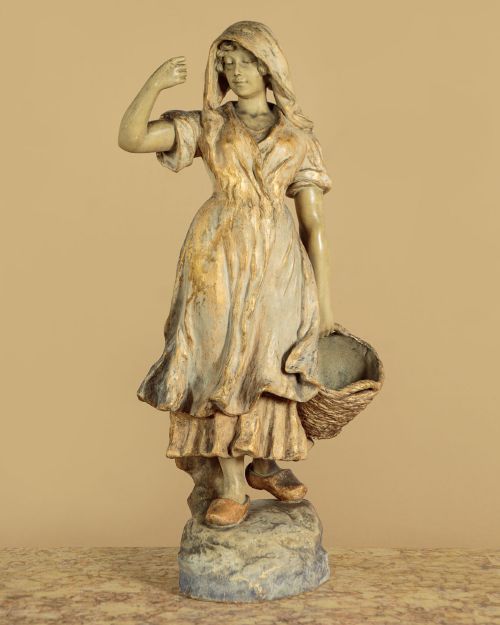
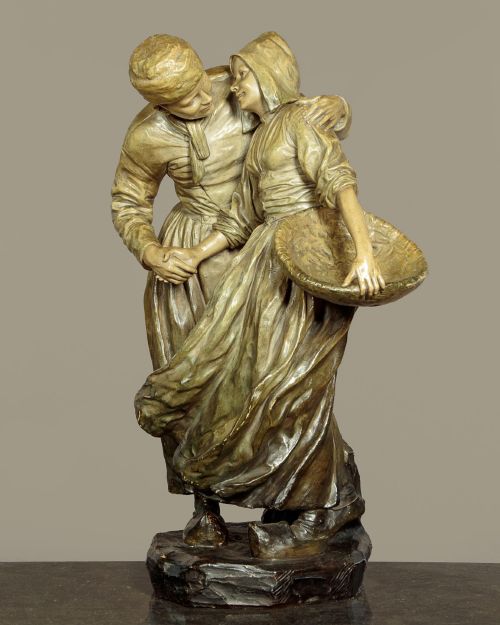
Austrian terracotta sculpture brings character to a room through expressive figures and animals modelled with striking realism.
Austrian Terracotta Sculpture
When searching for Austrian terracotta sculpture, collectors encounter a diverse range of figurative works, animals, busts, and wall masks from the late nineteenth and early twentieth centuries. These pieces span historical revivals, the sweeping lines of Art Nouveau, and the geometric forms of Art Deco.
How they were made
These works rely on earthenware clay shaped through moulding or slip casting to achieve fine detail in the figures, busts, and animals. Once fired, the terracotta forms received careful surface treatment using paint, pigment, and bronzed slip finishes.
Makers applied polychrome paint and cold-painted techniques to accentuate garments, facial expressions, and naturalistic textures. This combination of ceramic body and applied colour gave the pieces their lifelike depth and visual warmth.
Austrian Terracotta Sculpture Retail Price Guide 2026
Typical asking prices for austrian terracotta sculpture among the pieces listed under this phrase on Sellingantiques today, from the lower quarter to the upper quarter. They describe what is for sale here now, not the wider market.
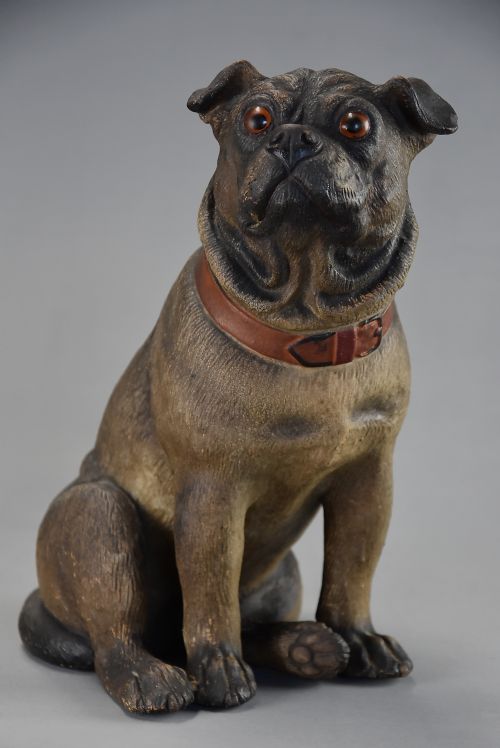
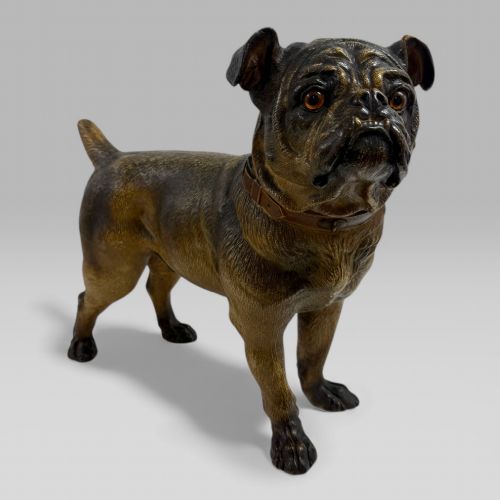
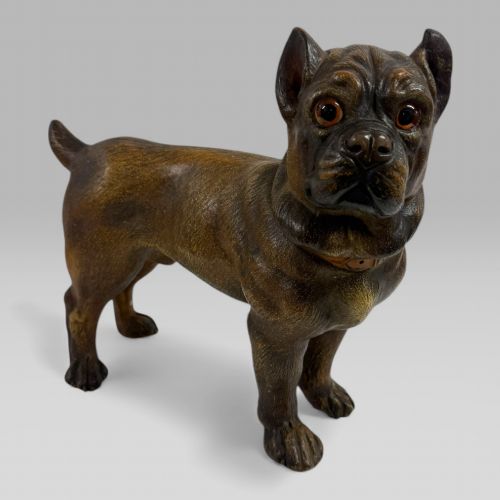
Pug dogs appear with surprising frequency across late nineteenth-century Austrian studios, sculpted in life-size realism.
What varies in quality
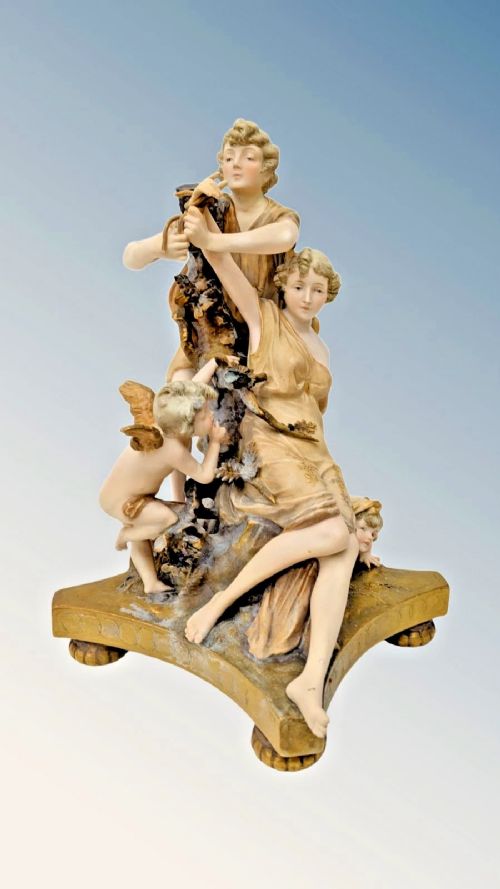
The reputation of the maker and the ambition of the composition also dictate the standing of a piece, separating standard commercial production from the finest gallery-scale figures and busts.
Goldscheider·Friedrich Goldscheider·Bernard Bloch·Ernst Whaliss
The Austrian Terracotta Sculpture Glossary
- Terracotta
- A porous earthenware clay fired at relatively low temperatures, widely used for sculptural figures and architectural ornaments. Its reddish-brown ceramic body serves as the base for paints and patinas.
- Cold-painted
- A method where paint is applied to a cured metal or terracotta surface without being kiln-fired. This technique allowed for delicate polychrome details that would not survive high-firing temperatures.
- Slip cast
- A manufacturing process where liquid clay slip is poured into a plaster mould to create hollow ceramic sculptures. It enabled workshops to produce intricate figurative and animal forms with consistent proportions.
- Wall masque
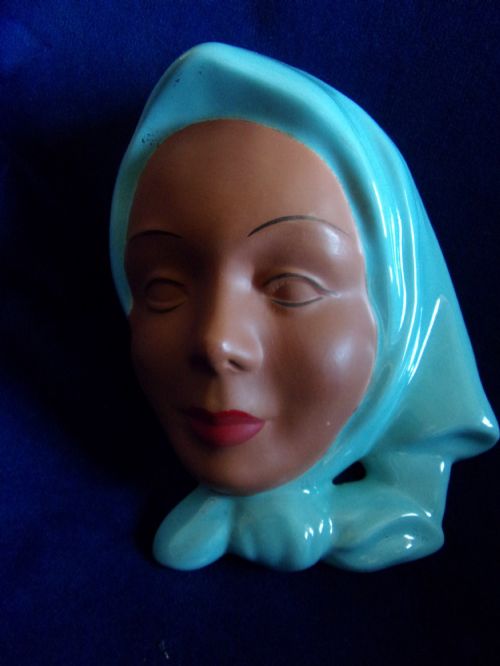
- A decorative sculptural relief designed to be hung on a wall, often depicting a theatrical face, mythological subject, or female bust. They were particularly popular during the Art Nouveau and Art Deco periods.
- Polychrome paint
- The application of multiple colours to a single surface to create a realistic or decorative appearance. In these sculptures, it brings vitality to eyes, clothing, and naturalistic subjects.
Austrian Terracotta Sculpture: Frequently Asked Questions
How were these sculptures used?
They served primarily as interior decorative art, displayed on mantelpieces, pedestals, and tabletops in period homes. Wall masques were hung directly on walls to add artistic focal points to rooms.
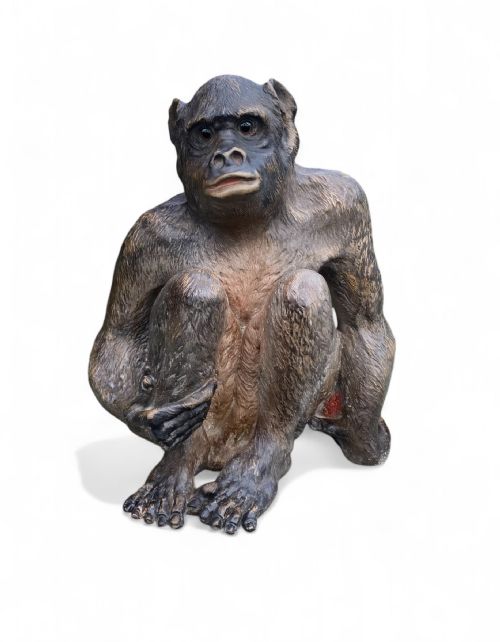
Larger life-size pieces often stood in hallways or conservatories, functioning as striking standalone ornaments rather than utilitarian objects.
How do I care for Austrian terracotta?
Keep these pieces in stable indoor environments away from direct sunlight and excessive moisture, which can damage the painted or cold-painted surfaces. Dust them gently with a soft, dry cloth.
Avoid using water, chemical cleaners, or abrasive materials, as the porous earthenware body and delicate pigments are easily marked.
How can I tell the period of a piece?
Stylistic cues offer the clearest indication of date, with flowing organic lines pointing to Art Nouveau and geometric shapes indicating Art Deco. Classical subjects and historical revivals generally align with late Victorian production.
Maker marks, signatures, and impressed numbers found on the base or reverse of the sculpture also help establish the date and workshop of origin.