



Turn of Century Bust
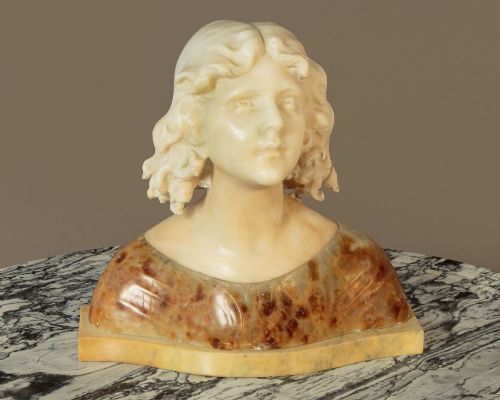
These turn of century bust sculptures capture portraiture through alabaster, terracotta and marble from the late nineteenth and early twentieth centuries.
Turn of Century Bust
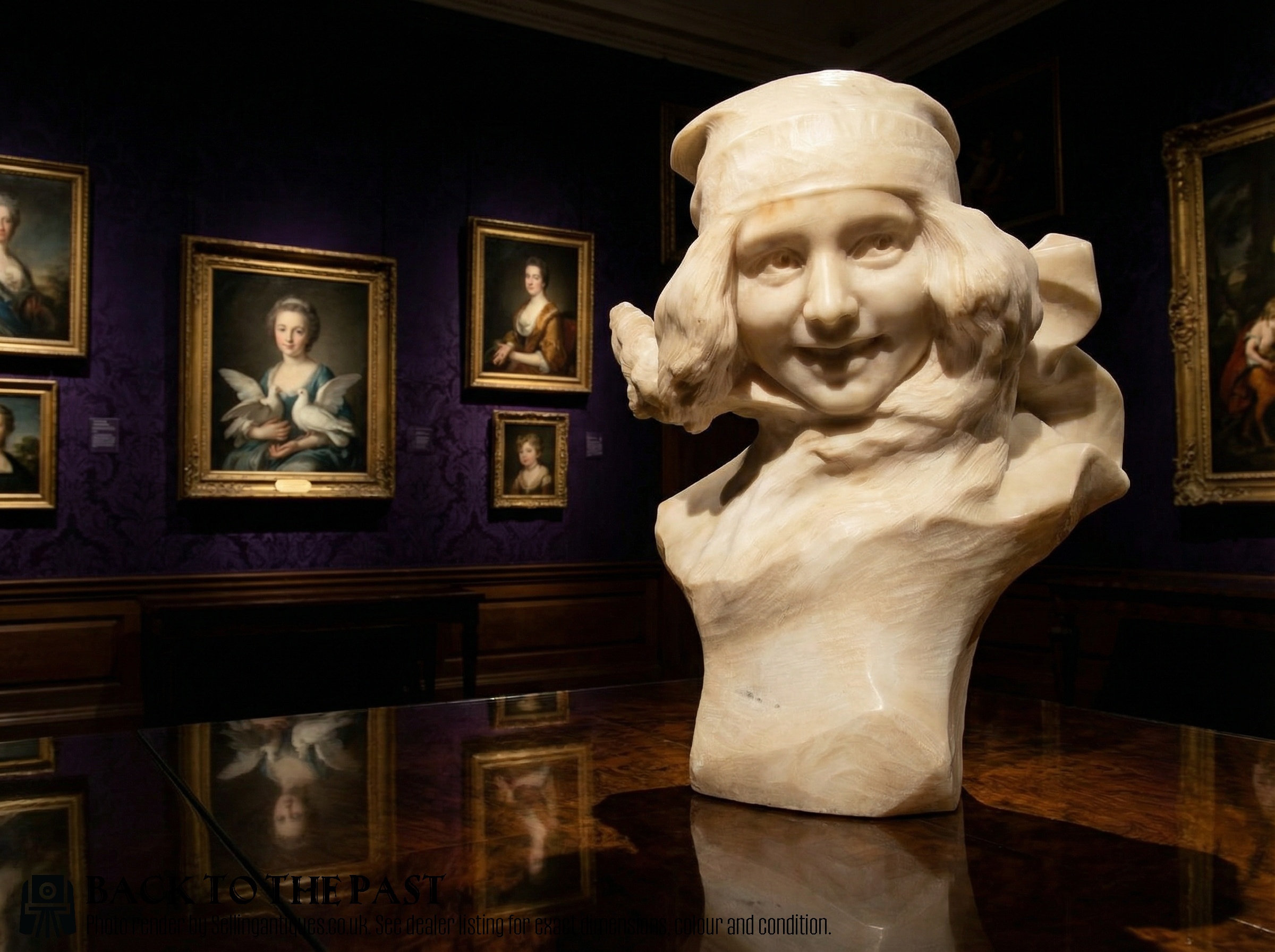
When you search for a turn of century bust, you encounter sculptural portraits of women, girls and gentlemen modelled around nineteen hundred. The versions most commonly met on this page combine materials like alabaster and terracotta to render the subject with naturalistic expression.
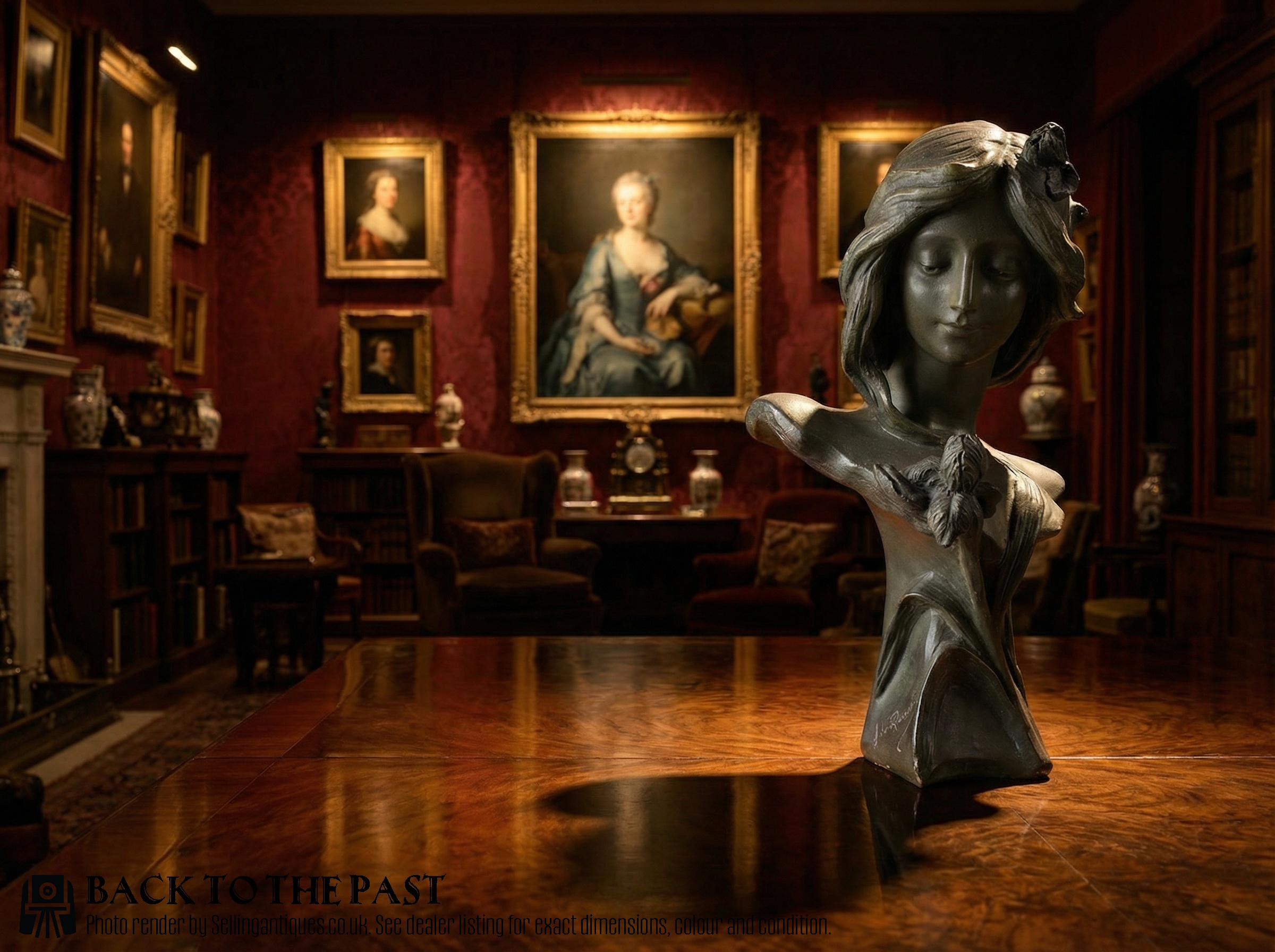
These portrait sculptures draw on Art Nouveau and Victorian sensibilities, often taking the form of female subjects titled with classical names such as Daphne or Sappho. Makers shaped these pieces in ceramic, plaster and stone to serve as interior ornaments.
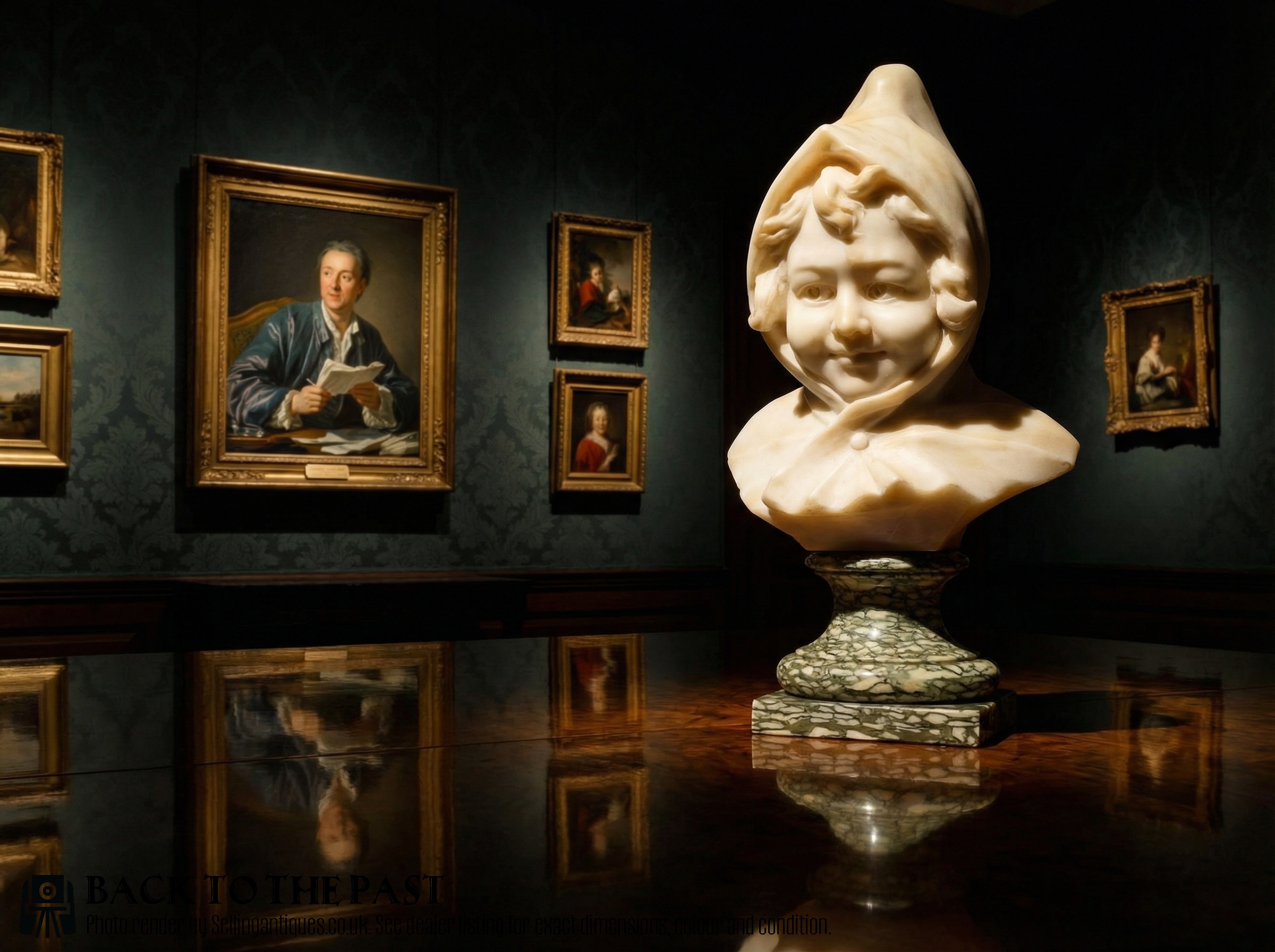
The selection includes companion display furniture, such as walnut stands and onyx columns, designed to elevate the sculpture within a room. Together, these objects reflect the domestic interior taste of the Edwardian era and the late nineteenth century.
Materials and methods
Sculptors carved alabaster and marble by hand to achieve translucent flesh tones and soft drapery folds across the shoulders of the subject. Terracotta and ceramic versions were modelled, fired and sometimes painted or glazed to emulate natural stone or patinated bronze.
Makers utilised supportive materials like walnut and mahogany for display stands, while columns were constructed from onyx to provide a stable plinth. Gilt bronze and brass appeared on related items such as mantel clocks from the period.
Turn of Century Bust Retail Price Guide 2026
Typical asking prices for turn of century bust among the pieces listed under this phrase on Sellingantiques today, from the lower quarter to the upper quarter. They describe what is for sale here now, not the wider market.
Sappho gazes eternally from her nineteenth century plinth while Daphne remains permanently rooted in ceramic.
What defines quality
The finesse of the carving in alabaster or the crispness of the moulding in terracotta distinguishes finer portrait pieces from simpler works. Subtle details in the hair, expression and clothing indicate the skill of the artist.
The choice of base material and the integration of the sculpture with its pedestal or stand influence the overall presence of the piece. Well-preserved surfaces without heavy restoration retain the intended character of the period.
Shoolbred·Ernst Whaliss·HL Blasche·Reps and Trinte·A Gory
The Turn of Century Bust Glossary
- Alabaster
- A fine-grained, translucent stone used extensively for portrait sculpture around nineteen hundred because of its soft lustre. It requires gentle handling to prevent surface marking.
- Terracotta
- A porous fired clay that allows sculptors to capture fluid lines and expressive details before firing. Ceramic versions often feature applied patination or glazes.
- Art Nouveau
- A decorative style prevalent at the turn of the century characterised by organic, flowing lines and botanical motifs. Busts from this period frequently depict female figures with long hair and natural drapery.
- Pedestal
- A supporting column or plinth designed to display a sculpture or bust at eye level. Materials range from walnut and mahogany to onyx.
- Patinated
- A treated or aged surface finish on metal or ceramic that simulates natural weathering or historical wear. This treatment enhances the depth of the sculptural form.
Turn of Century Bust: Frequently Asked Questions
What materials are turn of century busts made from?
These sculptures utilise carved alabaster, marble and stone alongside modelled terracotta and ceramic. Some examples also incorporate plaster.
Supporting furniture and display pieces feature walnut, mahogany and onyx columns.
Where should I display a turn of century bust?
Sculptures of this scale sit well on side tables, mantelpieces or dedicated display stands and columns. Placing them at eye level highlights the carved details of the face and hair.
Ensure the supporting surface is stable and protected from direct sunlight to preserve the stone or ceramic material.
How do I identify an Art Nouveau bust?
Art Nouveau examples typically feature fluid, asymmetrical lines with floral motifs and stylised hair. The subjects often have a dreamy or naturalistic expression.
Signatures from artists or potteries frequently appear near the base of the sculpture.