
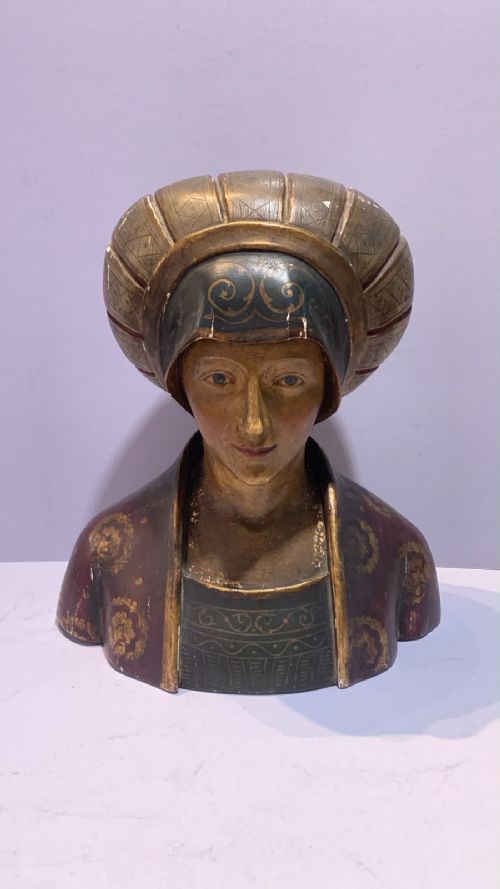

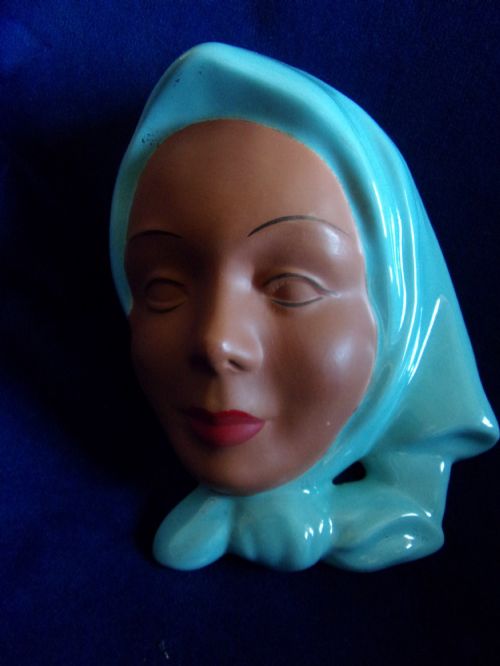


Terracotta Female Bust
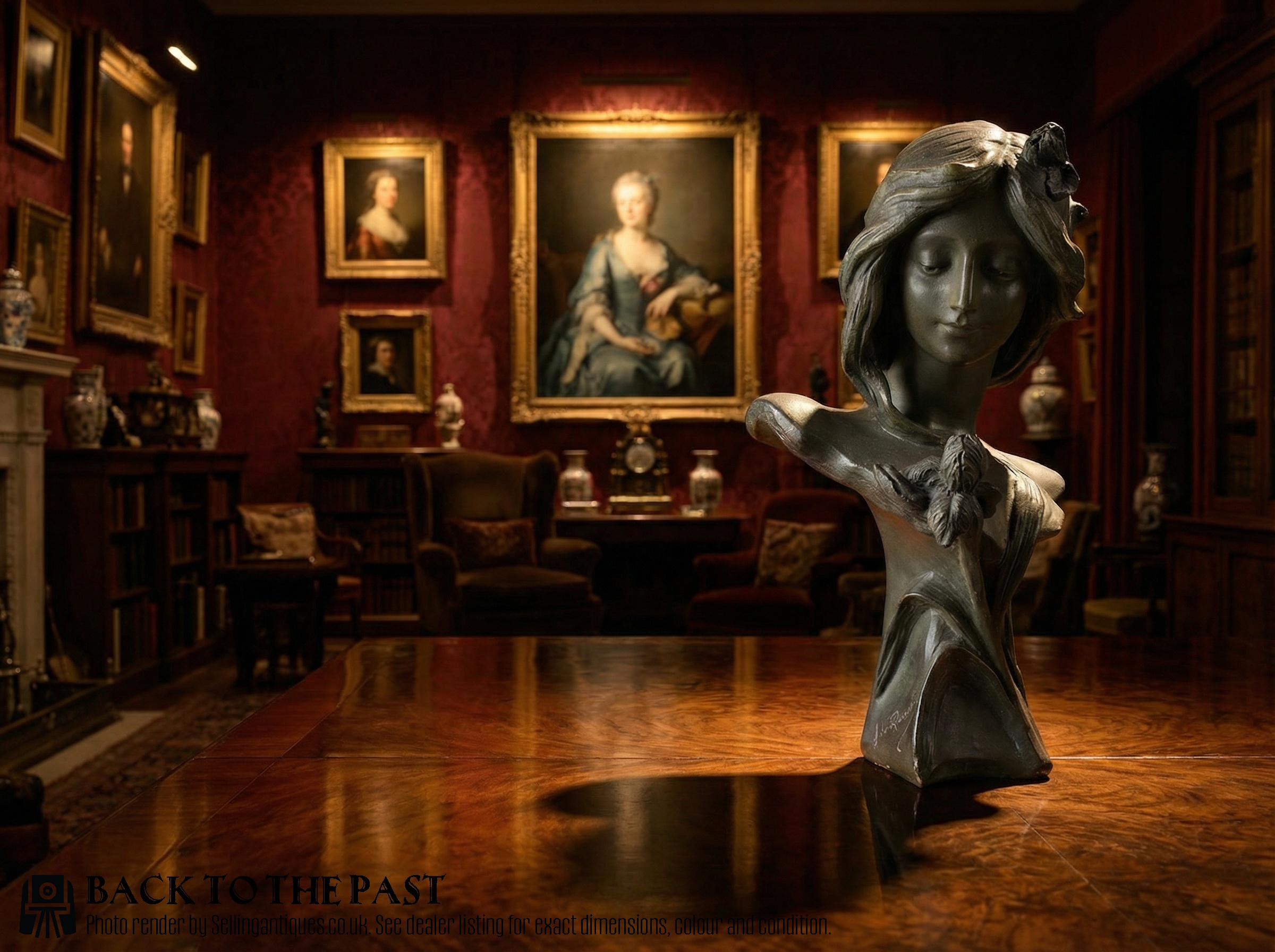
These terracotta female bust sculptures bring expressive neoclassical and art nouveau character to a room through modelled earth.
What they are
A terracotta female bust presents a modelled likeness of a woman in fired clay, capturing subjects from classical ideals to named portraits. When you search for terracotta female bust, you encounter sculptural works spanning the late nineteenth and early twentieth centuries.
The pieces listed on this page encompass French and Italian origins across the neoclassical, art nouveau, and art deco periods. These sculptures typically take the form of tabletop busts, depicting female beauties and allegorical figures.
How they were made
Retail Price Guide 2026
Typical UK retail prices for terracotta female bust, calculated from the Sellingantiques database of over a million retail prices indexed since 2003. This retail price guide relies exclusively on Sellingantiques data; no external sources or auction records are used, so the figures do not describe the wider market.
The listings span three distinct decades: eighteen-seventy, nineteen-ten, and nineteen-thirty.
What varies in quality
The distinction between ordinary and exceptional pieces lies in the sensitivity of the modelling and the crispness of the detail in the clay. Master modellers imbue the expression and the fall of the hair with a lifelike fluidity that mechanical casting misses.
Surface finishing further separates the range, where deliberate patination and careful application of paint enhance the depth of the sculpture rather than obscure the underlying material.
Gilbert Privat·Georges Morin·A Gory
The Terracotta Female Bust Glossary
- Terracotta
- A porous, fired clay body ranging in colour from pale buff to deep reddish-brown. It serves as the primary medium for these sculptural busts.
- Neoclassical
- A style drawing inspiration from the art and culture of classical antiquity, visible in the formal drapery and poised expressions of the subjects.
- Art Nouveau
- An ornamental style characterised by flowing, organic lines and sinuous plant motifs, often seen in the cascading hair of these female figures.
- Patinated paint
- A surface coating applied to simulate the appearance of age or alternative materials like bronze, adding tonal variation to the fired clay.
- Biscuit
- Fired unglazed pottery with a matte, porous texture that absorbs surface treatments and highlights the raw qualities of the earth.
Frequently Asked Questions
Are these busts solid terracotta?
Many larger sculptural busts are hollowed out prior to firing to ensure even heat distribution and reduce weight. This traditional construction method prevents cracking in the kiln.
Smaller decorative pieces may be cast solid, depending on the specific workshop technique used by the maker.
How do I date a terracotta bust?
Examine the stylistic cues, such as the sinuous hair of art nouveau pieces or the severe drapery of neoclassical works. Signatures, foundry marks, and the character of the painted patina also provide clues to the period.
Reference the attire and hairstyle of the subject, which often reflect the prevailing aesthetic of the late nineteenth or early twentieth century.
Where should I display a bust?
Place the sculpture on a sturdy mantelpiece, sideboard, or dedicated pedestal where it can be viewed from multiple angles. Ensure the support is stable, as terracotta carries substantial weight.
Position the piece away from high-traffic areas where accidental bumps might chip the delicate extremities of the fired clay.