
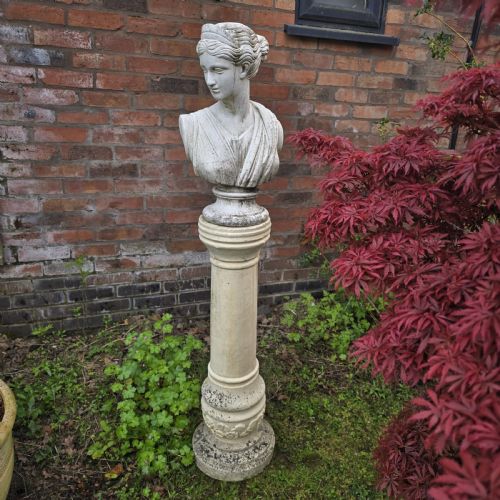

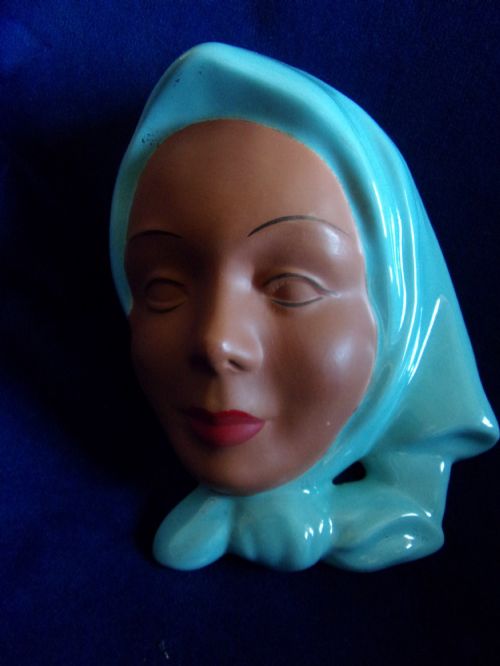


Vintage Female Bust
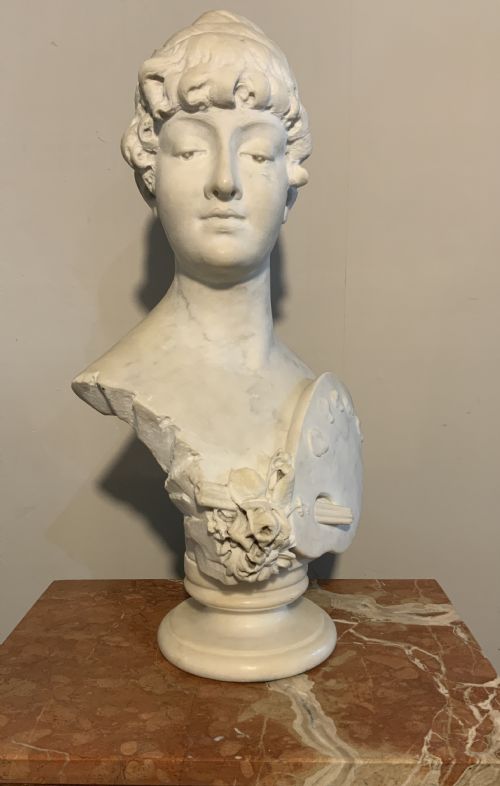
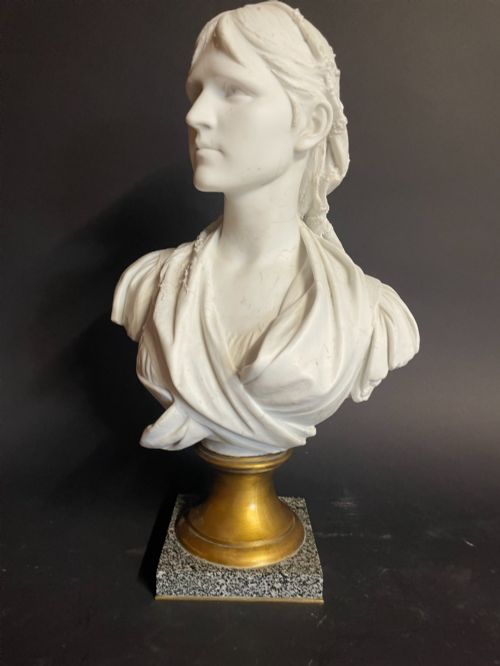
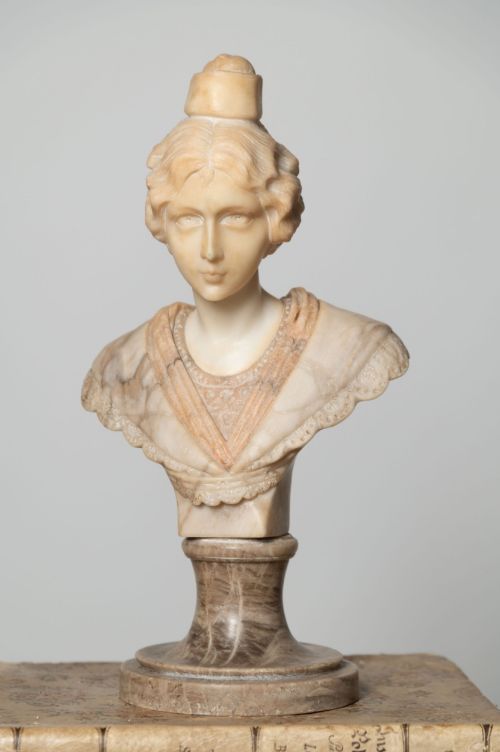
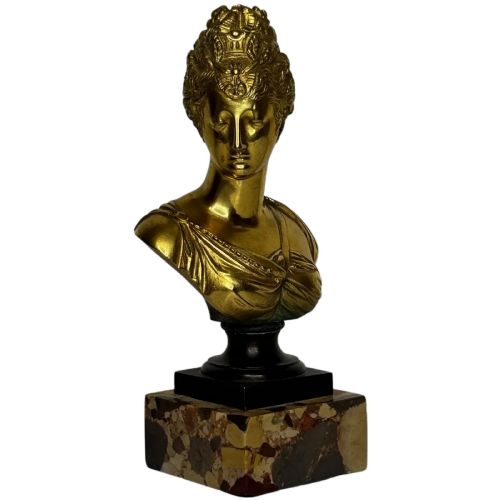
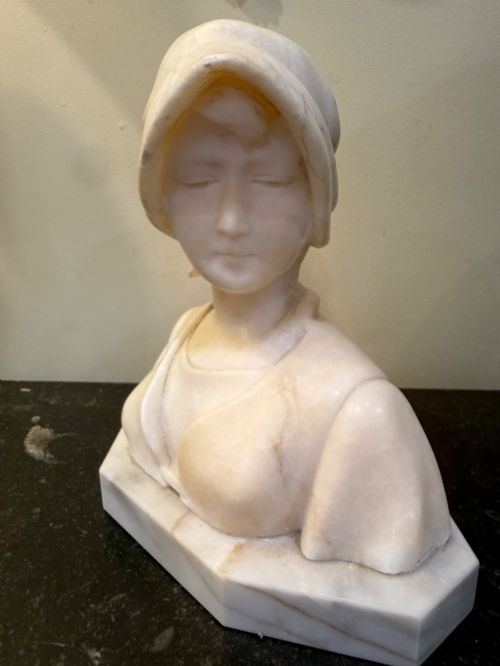
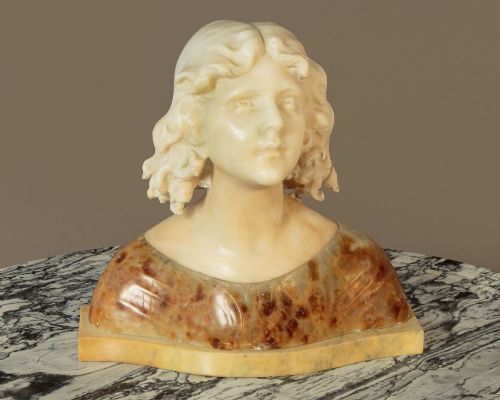
A vintage female bust captures character and form through materials ranging from carved marble to painted terracotta.
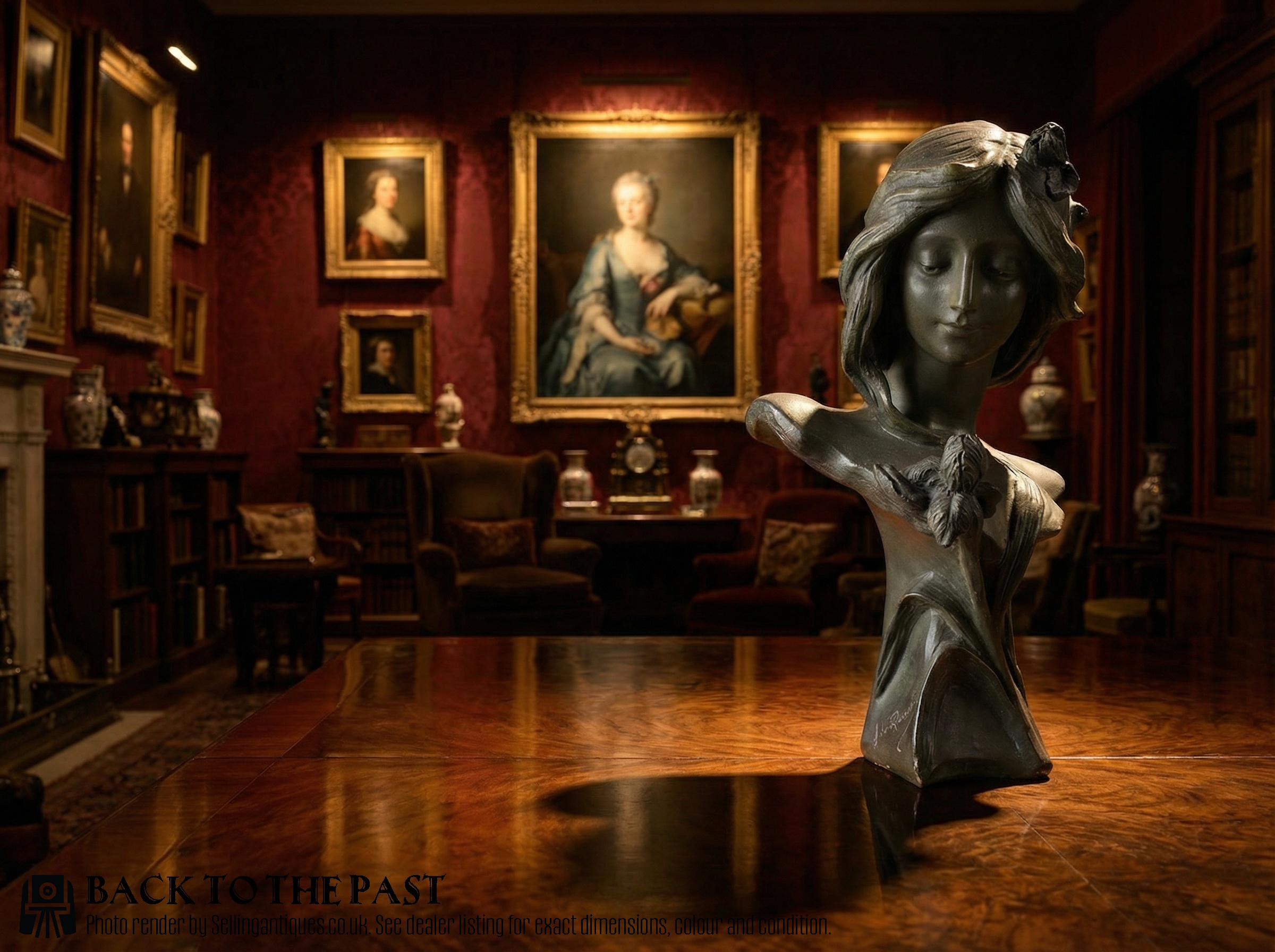
Vintage Female Bust
A vintage female bust brings sculptural presence indoors through depictions of women produced across the nineteenth and twentieth centuries. These works span classical deities, literary figures, and anonymous portraits shaped in diverse regional traditions.
Buyers meet forms ranging from marble portraiture and carved alabaster to commercial display mannequins and wall masks. Pieces emerge from French, Italian, Austrian, and English workshops spanning Victorian, Art Nouveau, and Art Deco aesthetics.
The selection includes life-size figures, garden statuary, and counter-top shop displays alongside wall-hung sculptures. Portrait paintings and drawings also appear, broadening the definition of sculptural likeness into two dimensions.
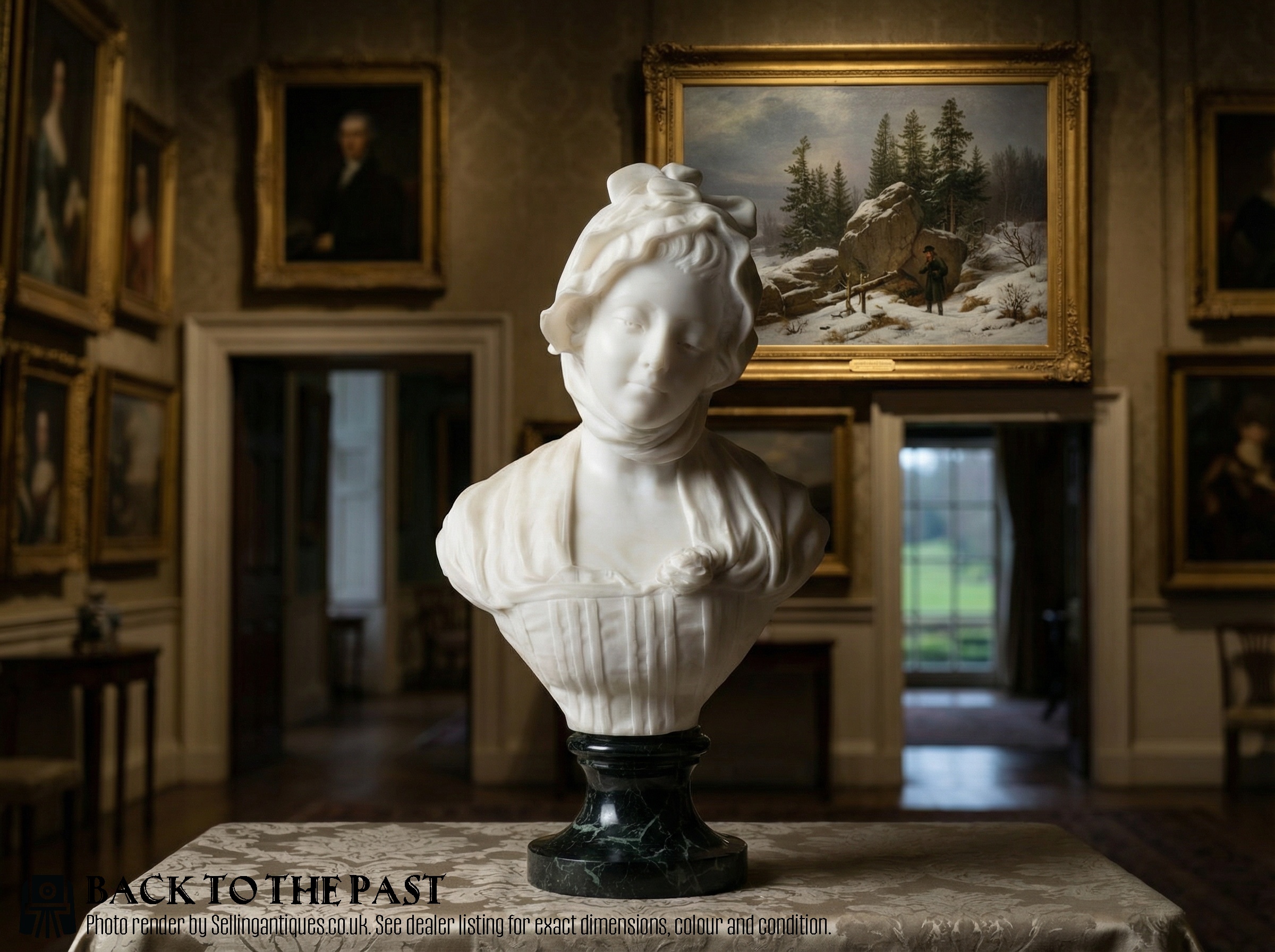
Materials and construction methods
Sculptors shaped traditional subjects using carved Carrara marble, alabaster, cast bronze, and terracotta. Bronze pieces often combine metal casting with patination, while terracotta works frequently show painted or bronzed surface finishes.
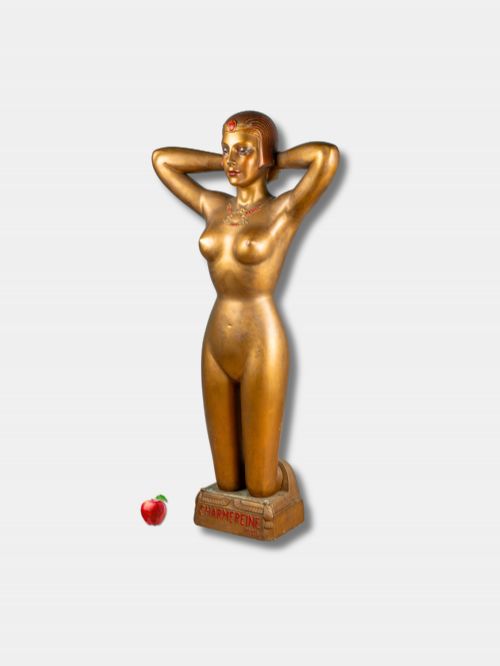
Commercial and decorative examples utilise plaster, cast iron, wood, and paper-based compositions. Shop display mannequins and advertising pieces from the 1920s and 1930s employ moulded materials designed for practical retail environments.
Listings feature works spanning the nineteenth century through the 1950s, utilising marble, terracotta, bronze, alabaster, plaster, wood, paper, and iron.
What separates examples
Surface treatment and patination age differently across materials, affecting the visual depth of bronze, terracotta, and marble. Signed works by recognised modellers demonstrate superior craftsmanship compared to unmarked commercial outputs.
Georges-Charles Coudray·Ernst Whaliss·Emmanuel Villanis·Georges Morin·A.Gory·Bohumil Rezl·Gilbert Privat
The Vintage Female Bust Glossary
- Patina
- The surface sheen or colour change developed on bronze, wood, and metal through age and handling. This natural weathering adds historical character to sculptural metals.
- Terracotta
- Fired clay used for sculptural modelling, often left unglazed or finished with paint. It allows artists to capture immediate tactile impressions.
- Plaster
- A gypsum-based material poured into moulds or modelled directly for interior display. It provides a smooth surface ideal for classical portraiture.
- Mannequin
- A three-dimensional model used for displaying garments in retail settings. These shop pieces often utilise papier-mâché, plaster, or wax.
Vintage Female Bust: Frequently Asked Questions
How do I identify the period of a bust?
Dating relies upon material composition, stylistic markers, and signatures or foundry marks stamped onto the base or reverse. Victorian and nineteenth-century pieces lean towards classical marble and bronze, while later twentieth-century works adopt Art Deco geometry.
Examining the underside and fastening hardware also reveals manufacturing techniques specific to particular decades. Comparing costume details, hair styling, and base construction helps narrow the production era.
Where should I display a heavy stone bust?
Stone, marble, and cast iron pieces require sturdy weight-bearing furniture such as robust wooden sideboards, low console tables, or dedicated stone plinths. Because these sculptures carry significant mass, placement must avoid edges where accidental knocks might occur.
Wall-mounted masques and plaques need secure anchor points fixed directly into masonry or wall studs. Positioning pieces away from direct heat sources prevents thermal stress on natural stone and painted surfaces.
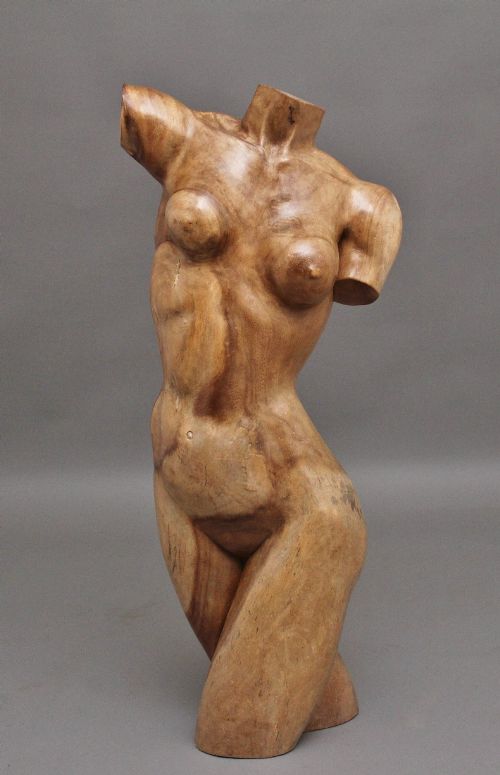
What is the difference between a bust and a torso?
A bust depicts a person from the chest or shoulders upwards, focusing primarily on the head, neck, and facial expression. This format has ancient roots in portraiture and memorial sculpture.
A torso represents the middle section of the body without head or limbs, highlighting anatomical form and muscular structure. While busts emphasise individual identity, torsos celebrate physical movement and sculptural proportion.