
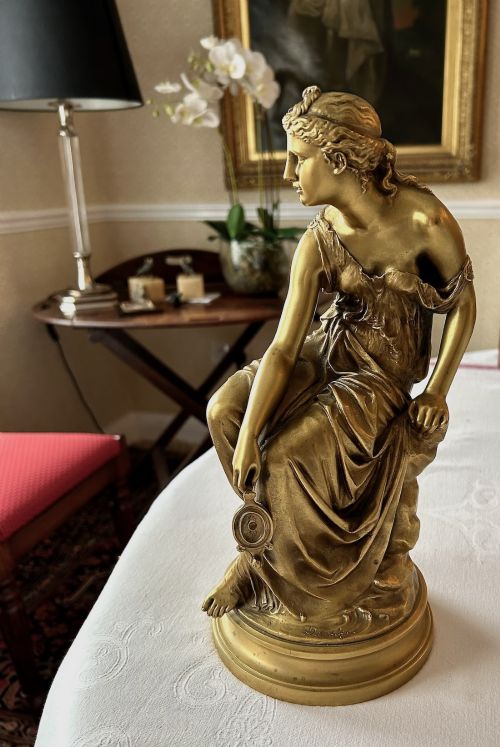

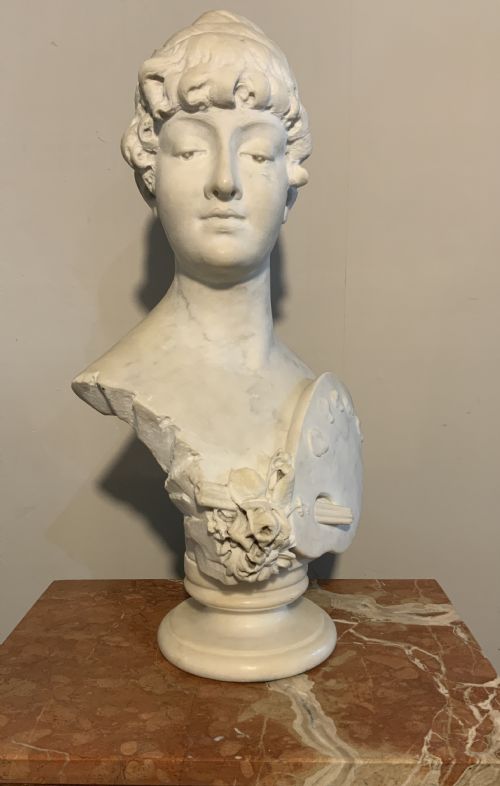
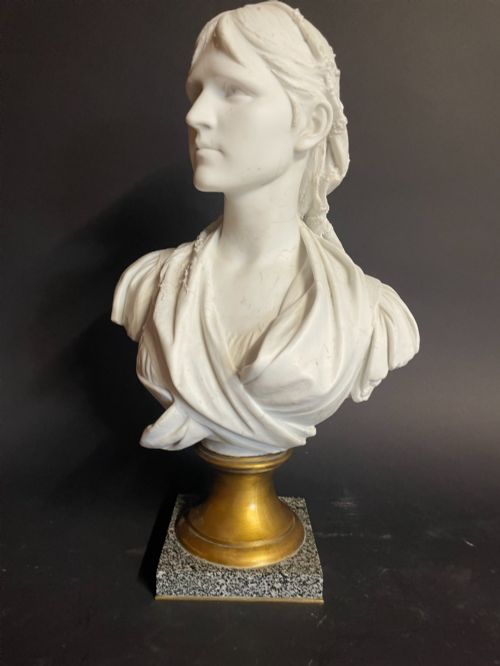
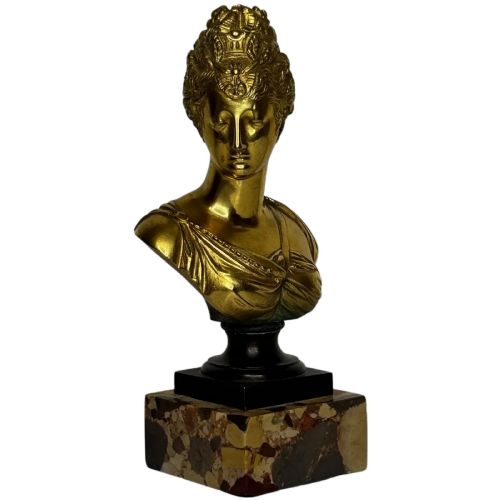


Neoclassical Female Sculpture
Neoclassical female sculpture captures the poise of antiquity in bronze, marble, and terracotta, offering enduring classical elegance for any room.
Neoclassical Female Sculpture
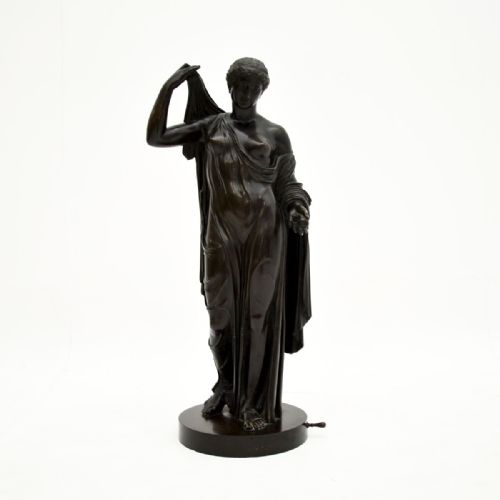
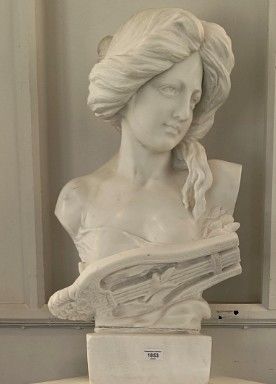
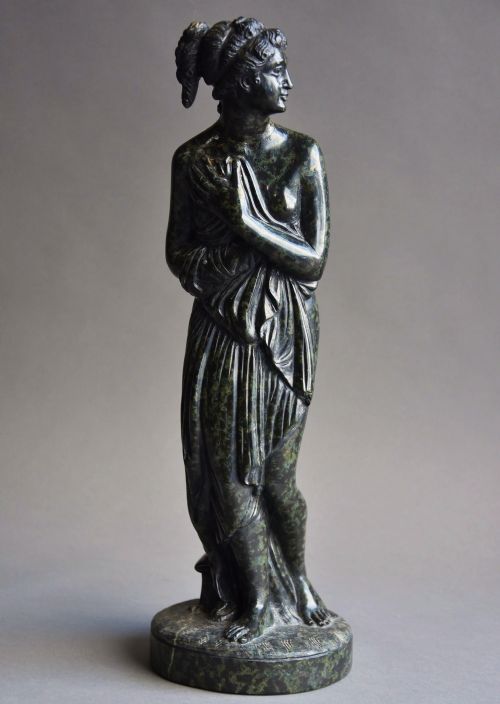
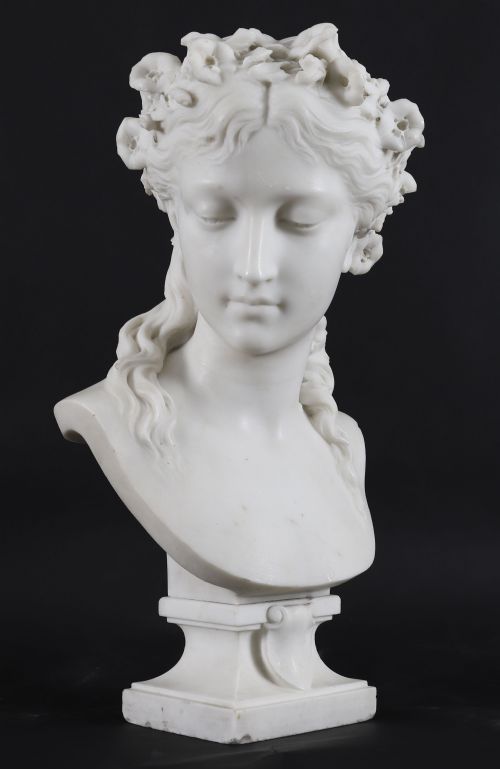
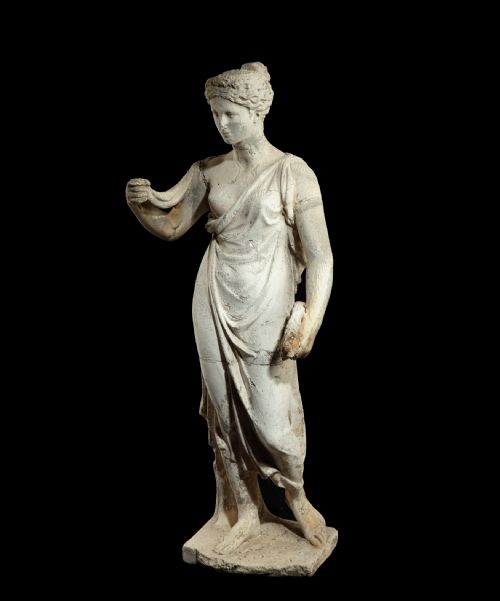
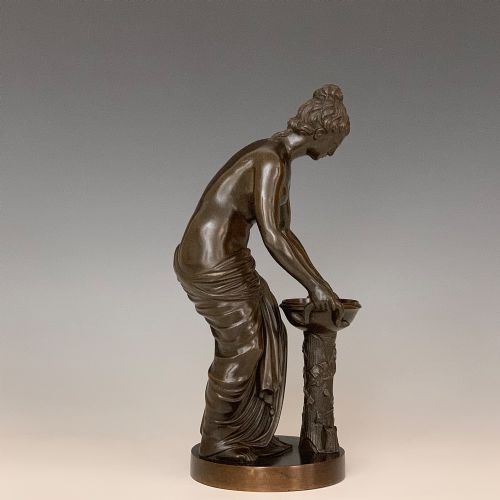
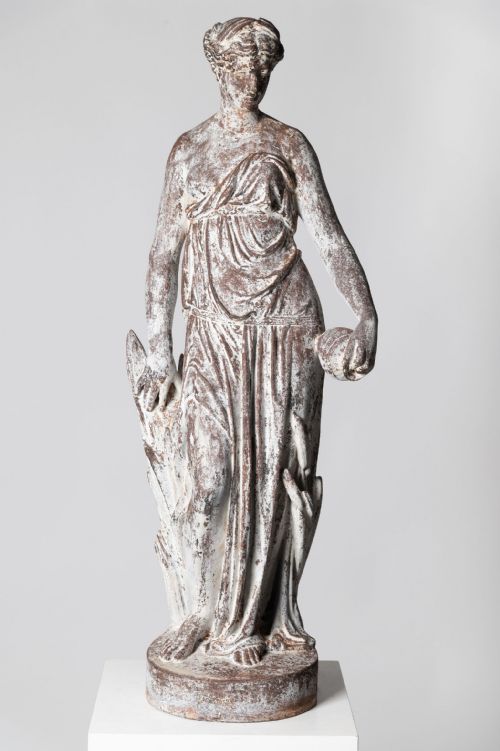
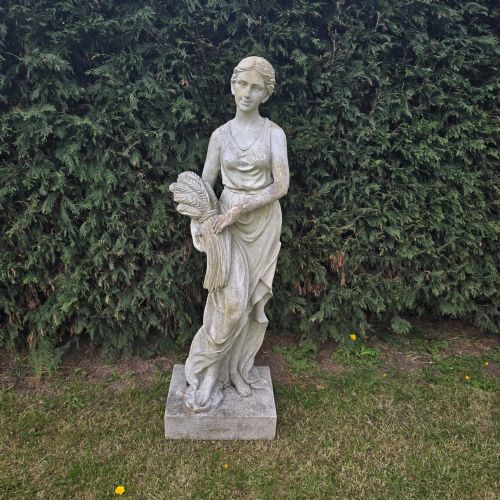
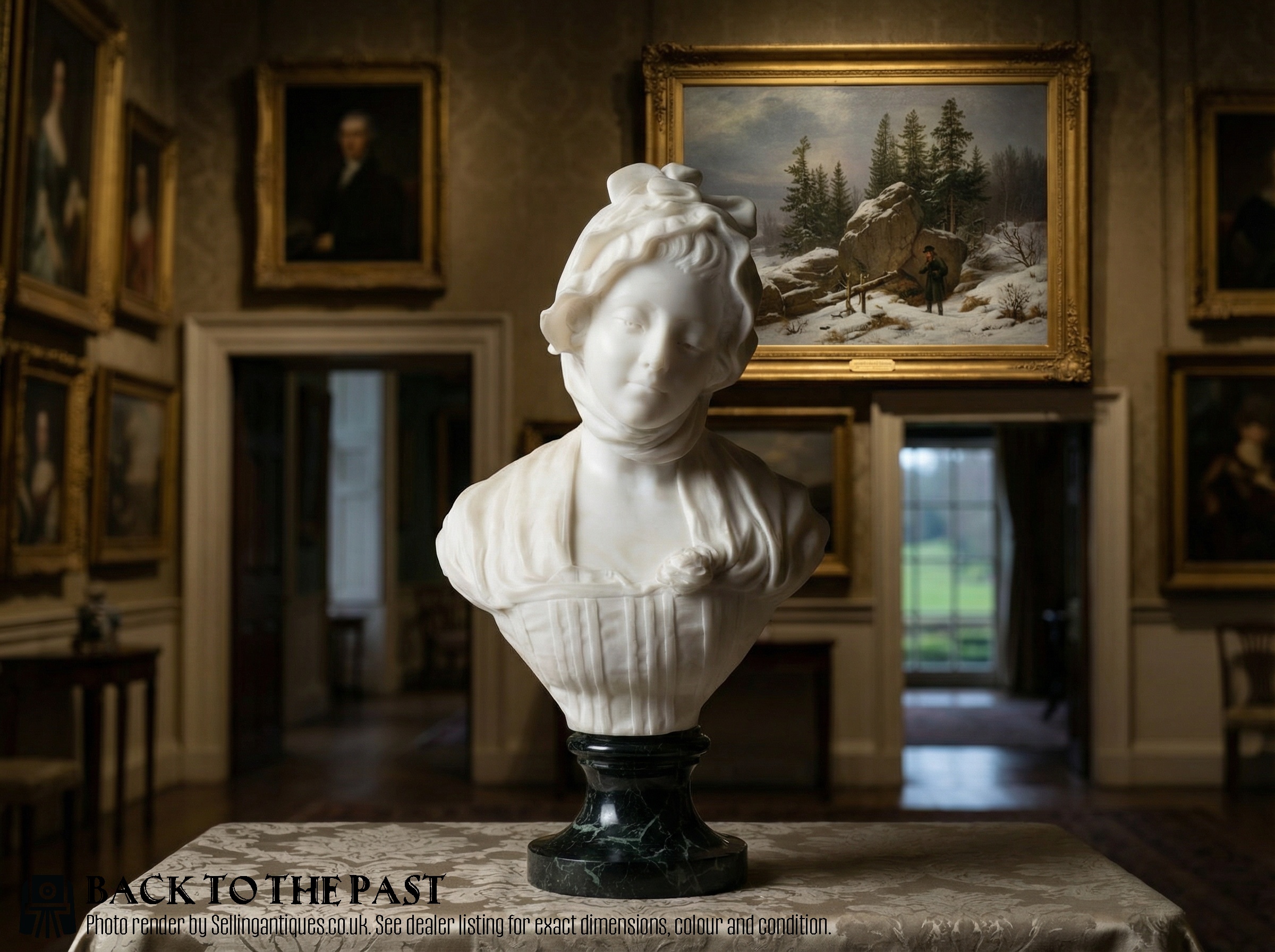
A neoclassical female sculpture draws heavily upon ancient Greek and Roman motifs, presenting figures of goddesses, muses, and classical maidens. These works range from intimate cabinet busts to large garden statuary and figural torcheres designed to illuminate grand interiors.
Buyers encountering this phrase on the page will frequently find nineteenth-century interpretations, including Grand Tour souvenirs and Victorian reinterpretations. The subjects span mythological figures such as Venus, Diana, and Athena, alongside idealized portraits of historic and allegorical women.
The physical scale varies considerably, from small porcelain and parian figurines to life-sized stone and bronze statues. Material choices reflect the diverse production methods of the nineteenth and early twentieth centuries, encompassing carved stone, cast metals, and moulded ceramics.
Materials and Methods
Sculptors and foundries utilised traditional media such as Carrara marble, alabaster, and cast bronze to achieve realistic drapery and anatomical precision. Bronze figures often relied on lost-wax casting or sand casting, followed by manual chasing and patination to enrich the surface texture.
Carved marble pieces demanded meticulous hand chisel work, allowing artisans to replicate the soft folds of classical garments and the smooth polish of skin. Terracotta, plaster, and cast stone provided alternative mediums where moulds or direct modelling permitted more accessible production.
Ceramic variations like Parian ware and bisque porcelain utilised specialised slip-casting techniques to mimic the matte finish of carved marble. Foundries and potteries applied foundry marks and model numbers to record their output during the nineteenth century.
Listings feature marble, bronze, terracotta, and cast stone across the nineteenth and twentieth centuries.
Assessing Quality
The distinction between standard works and superior pieces lies in the fidelity of anatomical rendering and the crispness of the carving or casting. Master sculptors and established foundries achieved subtle depth in facial expressions and delicate folds of fabric that lesser commercial copies miss.
Surface finish plays a vital role in evaluating sculptural merit, particularly the smoothness of a marble polish or the richness of a bronze patina. Cast metal works that retain sharp details without excessive clean-up marks indicate superior workshop standards.
Signature placement and foundry stamps provide tangible evidence of origin, separating workshop-produced items from signed pieces by recognised sculptors. The weight and stability of the base material further denote the original intent and construction standard of the object.
Etienne-Henri Dumaige·Ferdinand Barbedienne·Antonio Canova·Eugene Aizelin·Humphrey Hopper·Carrier-Belleuse
The Neoclassical Female Sculpture Glossary
- Grand Tour
- A traditional trip through Europe undertaken by upper-class young men to absorb classical art and culture. This travel led to the acquisition of small-scale bronzes and carved stone replicas.
- Parian ware
- A type of fine biscuit porcelain developed in the nineteenth century to imitate white marble. It possesses a smooth, unglazed surface suited for classical figures and portrait busts.
- Torchere
- A tall stand or ornamental pedestal designed to hold a light, often formed as a figural sculpture holding lamps. These pieces frequently feature classical robed figures in bronze or stone.
- Patina
- The surface coloration and sheen acquired by bronze or wood through age and chemical treatment. Artisans also apply chemical patination during manufacture to simulate antiquity.
- Bisque porcelain
- Unglazed ceramic fired once to create a matte, porous finish resembling marble. It was widely used for small-scale Victorian and neoclassical portrait busts.
Neoclassical Female Sculpture: Frequently Asked Questions
How do I identify a Grand Tour bronze?
Grand Tour bronzes are typically smaller scale reductions of famous ancient statues, acquired by travellers visiting Italy during the eighteenth and nineteenth centuries. They often feature dark patination and are mounted on marble bases.
Examining the underside and casting seams can reveal clues about the manufacturing period. Many bear subtle signatures or foundry marks from Italian workshops of the era.
Where should I place a stone garden statue?
Large stone and cast stone garden statues require stable, level ground such as a stone plinth or paved terrace to prevent sinking. Positioning them among foliage creates a classic focal point in a garden landscape.
Protecting unglazed stone from severe frost during winter helps preserve the carved details and structural integrity. Regular gentle cleaning prevents the buildup of moss and lichen on vulnerable surfaces.
What is the difference between marble and parian ware?
Marble is a natural metamorphic rock carved by hand, resulting in unique veining and a cool, solid structure. Parian ware is a type of fine ceramic cast in moulds to imitate the appearance and matte texture of white marble.
While marble pieces are heavier and entirely unique, parian figures offer intricate moulded detail typical of nineteenth-century ceramic production. Both materials provide a bright, classical finish suited for interior display.
How do I care for antique bronze sculptures?
Antique bronzes benefit from occasional dusting with a soft brush to prevent particulate accumulation on the patinated surface. Applying a microcrystalline wax sparingly helps protect the metal from atmospheric moisture.
Avoid using abrasive cleaners, water, or chemical solvents which can strip the original patina. Keeping the sculpture away from direct heat sources ensures the wax coating remains stable.