




Classical Maiden Statue
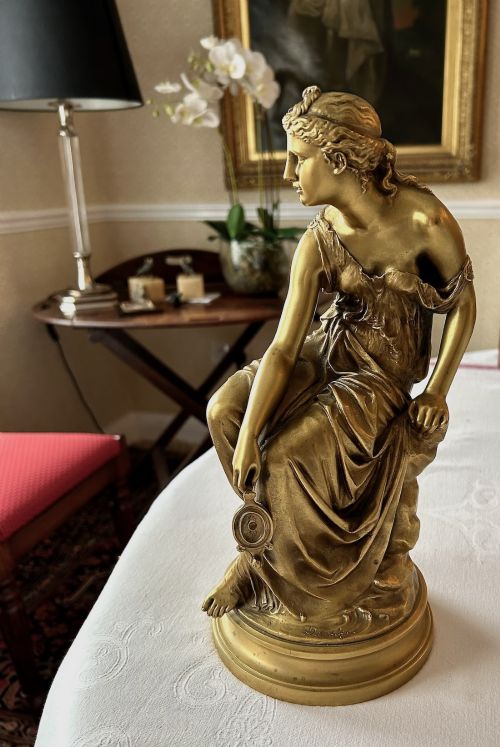
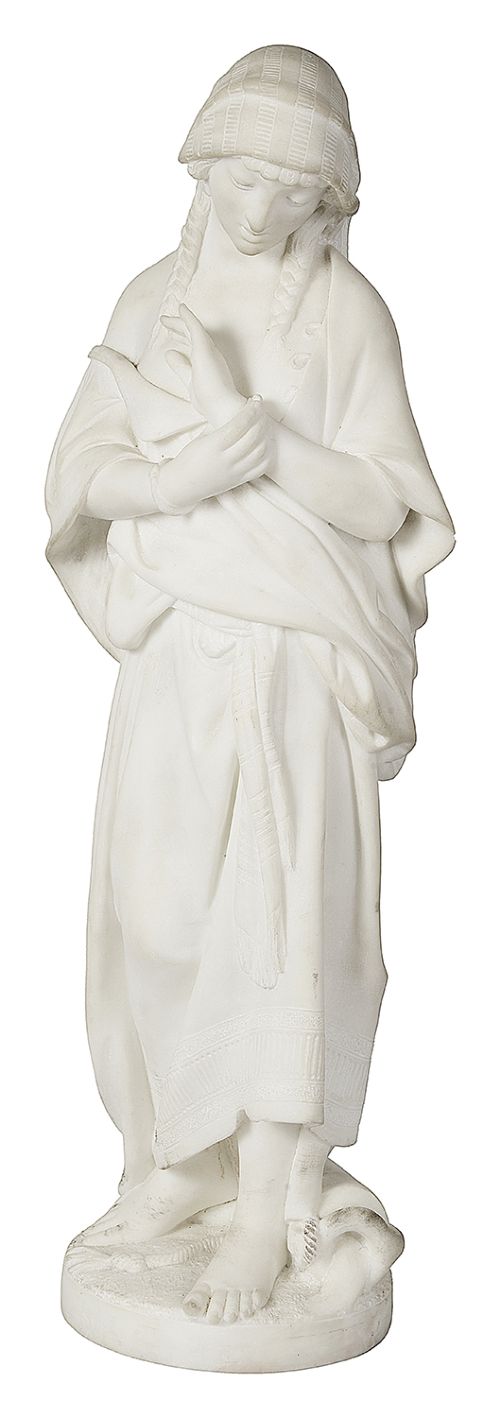
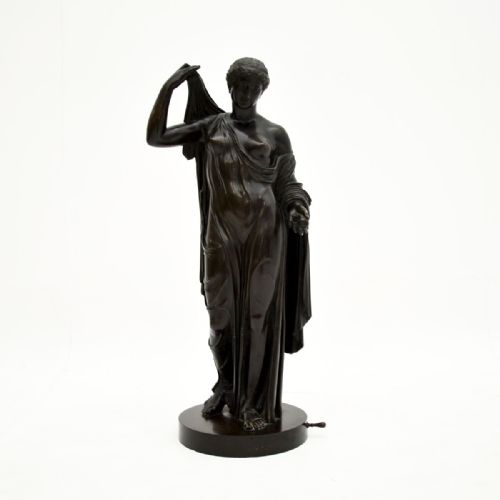
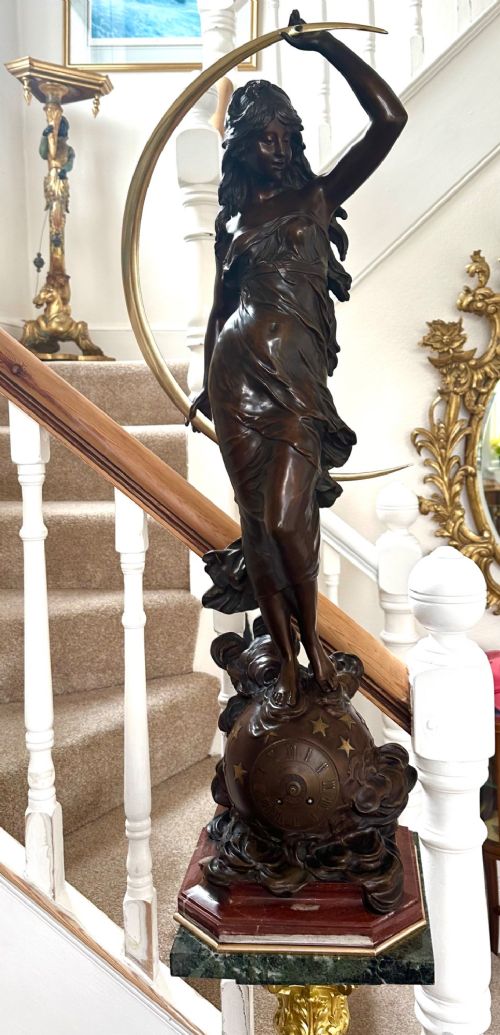
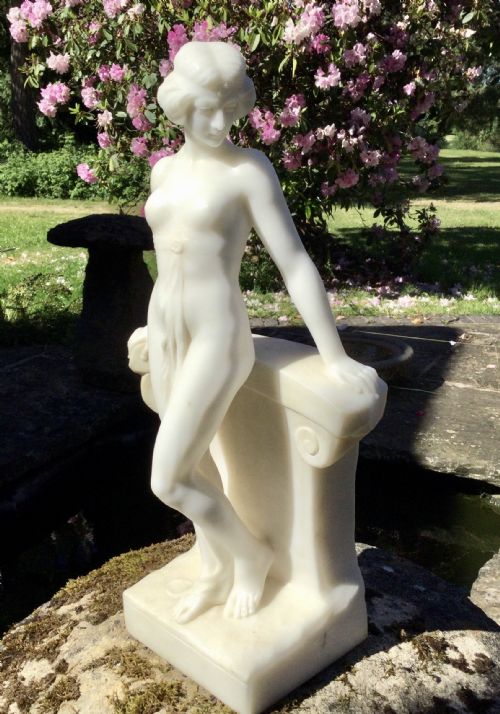
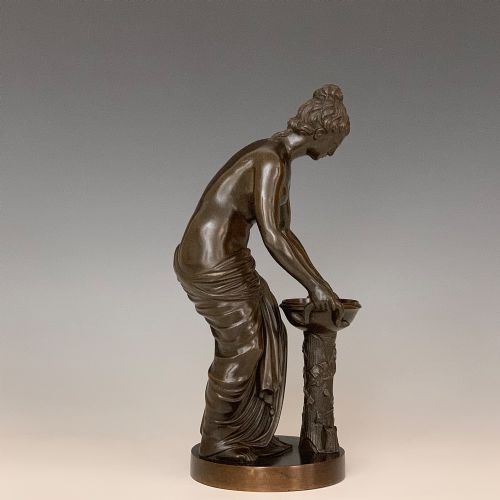
A classical maiden statue brings quiet neoclassical grace into a room through figures cast in bronze, porcelain, and plaster.
Understanding a classical maiden statue
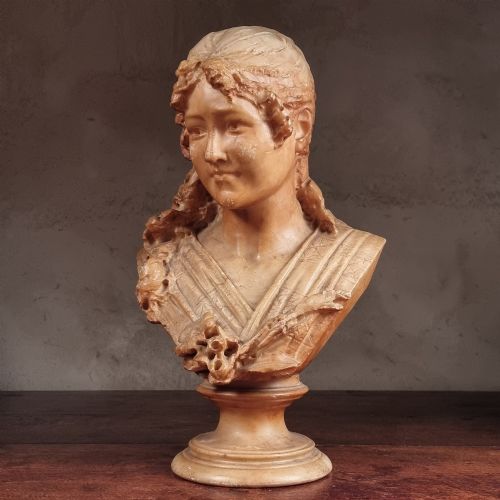
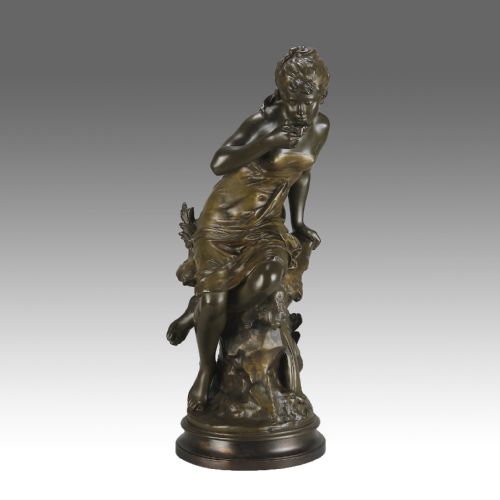
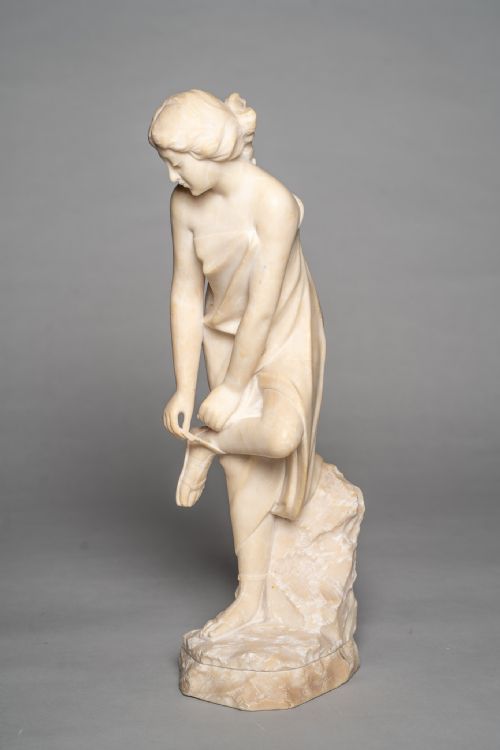
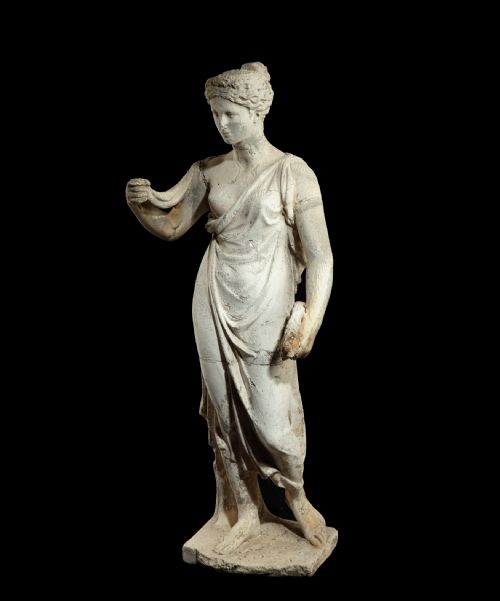
A classical maiden statue draws on antique sculptural traditions, appearing across nineteenth-century European decorative arts in various forms. These figures take shape as freestanding sculptures, decorative figurines, and sculptural groups depicting draped female figures holding birds, jugs, or resting in pastoral poses.
Most examples found here date to the nineteenth century, ranging from Regency Neoclassical and Victorian Neoclassical pieces to later Art Nouveau works. Makers across France and Britain translated classical antiquity into domestic scaled objects suited for nineteenth-century interiors.
Materials and construction
Makers utilised a wide range of media, casting metal figures in gilt bronze and shaping ceramic pieces in parian porcelain, bisque, and standard porcelain with enamel and gilding. Stucco and plaster provided alternative bases for sculptural figures modelled in the manner of prominent workshops.
Ceramic figures required precise kiln firing followed by careful hand-painting or glazing, while bronze sculptures involved foundry casting followed by chasing and surface gilding.
Retail Price Guide 2026
Typical UK retail prices for classical maiden statue, calculated from the Sellingantiques database of over a million retail prices indexed since 2003. This retail price guide relies exclusively on Sellingantiques data; no external sources or auction records are used, so the figures do not describe the wider market.
Several figures spend their days holding small ceramic birds and jugs that have remained undisturbed for over a century.
Qualities that distinguish the range
In ceramic examples, the purity of the porcelain paste and the subtlety of any polychrome enamel work separate mass-produced decorative items from factory pieces designed by notable sculptors.
Etienne-Henri Dumaige·Royal Worcester·Copeland·Royal Dux·Leon Pilet
The Classical Maiden Statue Glossary
- Parian porcelain
- A fine-grained, unglazed biscuit porcelain developed in the nineteenth century to imitate marble. Its smooth matte surface makes it particularly suited for sculptural figurines.
- Gilt bronze
- Metal alloy coated with a thin layer of gold or gold leaf to give a rich metallic finish. It protects the base metal while providing a brilliant reflective surface.
- Bisque
- Unglazed ceramic fired once to create a matte, porous surface resembling marble. It allows fine details in modelled figures to remain sharp and unmasked by glaze.
- Neoclassical
- A cultural movement drawing inspiration from the art and culture of classical antiquity. It influences the proportion, drapery, and serene poses seen in these figures.
Frequently Asked Questions
How do I date a plaster figure?
Dating plaster or stucco figures relies on examining the surface wear, the composition of the material, and any underlying armature or maker marks. Nineteenth-century pieces often show distinct patination and mounting styles.
Comparing the modelling style to known Victorian or Regency sculpture helps narrow down the period of production.
Where should I display bronze figures?
Bronze sculptures benefit from stable indoor environments away from direct moisture and extreme temperature fluctuations to protect the metal and gilding. Placing them on sturdy sideboards or mantelpieces allows proper appreciation from multiple angles.
Good lighting enhances the subtle details of the cast surface and the richness of the gilt finish.
Are these figures fragile?
Ceramic and plaster figures require careful handling because porcelain, bisque, and stucco can chip or crack under impact. Bronze and gilt bronze offer greater durability but still demand gentle treatment to preserve surface finishes.
Dusting with a soft, dry brush keeps the surface clean without risking abrasion to delicate painted or gilded details.