


Classical Female Figure
When you search for a classical female figure, you encounter sculpted busts, statues and drawn studies shaped by neoclassical and nineteenth-century traditions.
Classical Female Figure
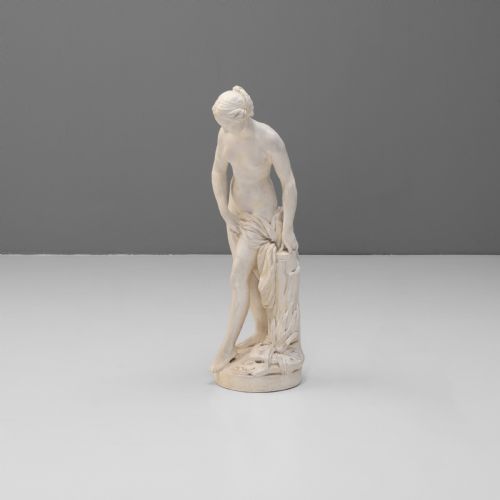
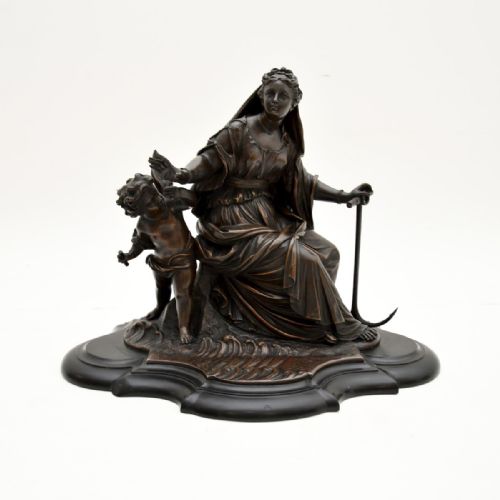
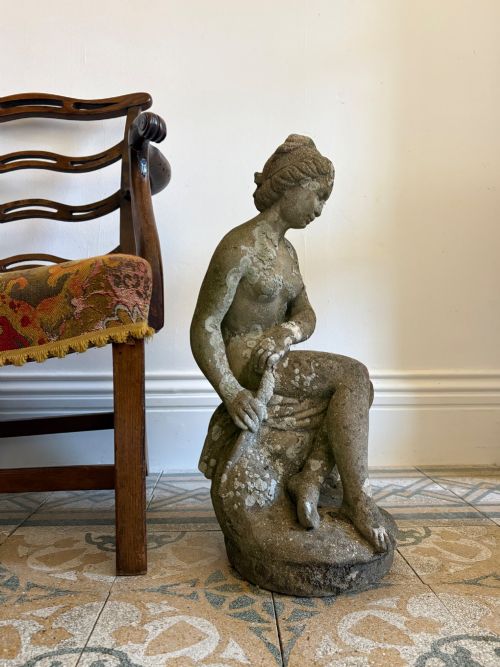
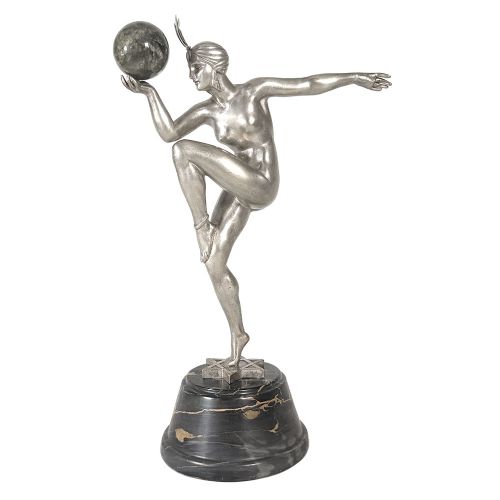
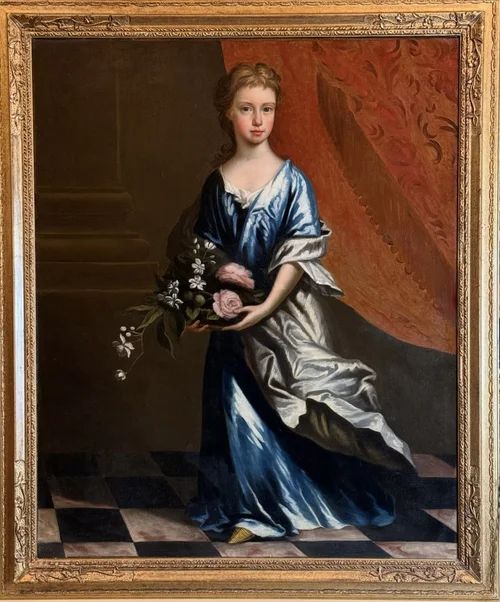
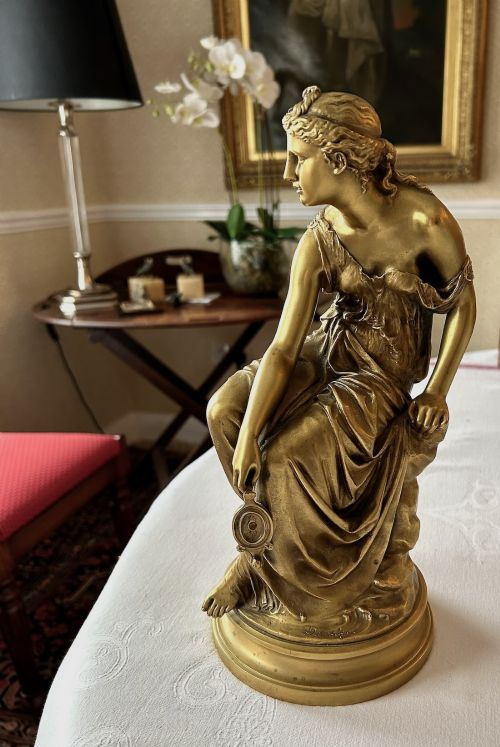
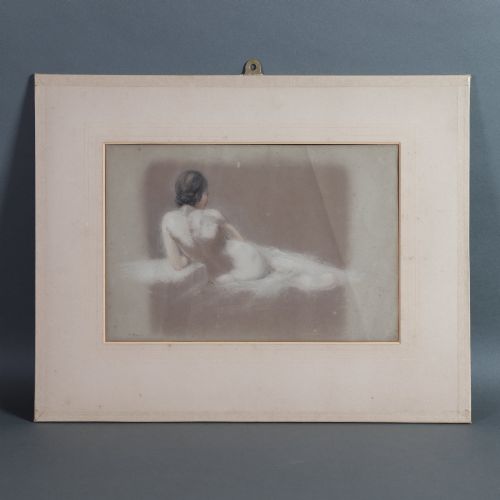
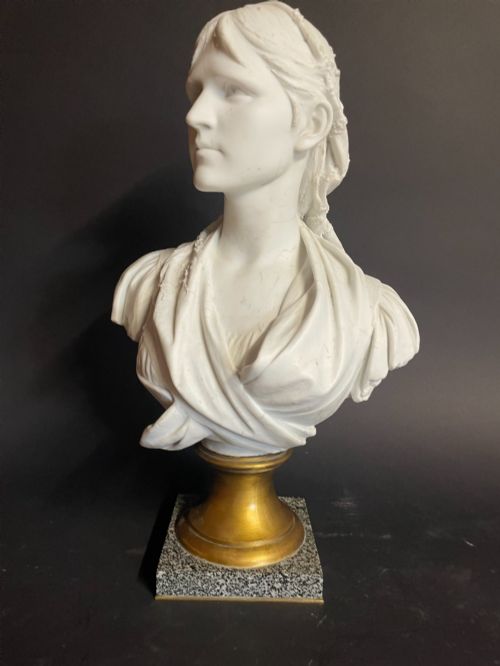
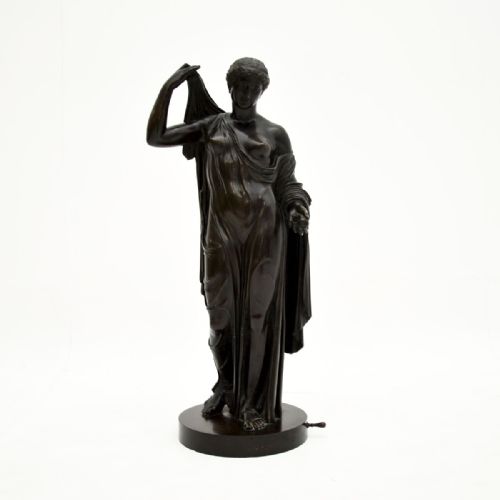
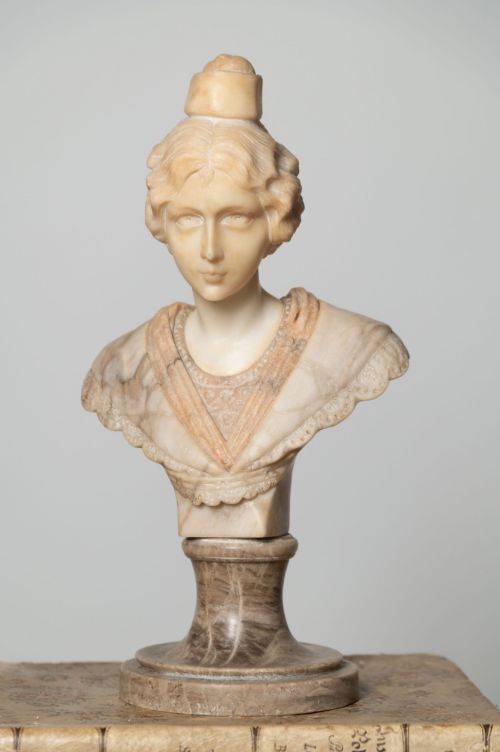
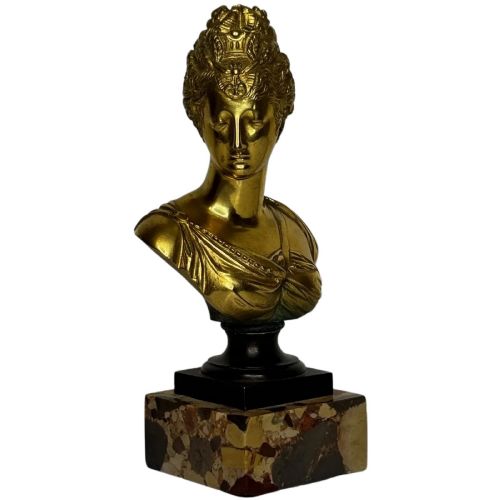
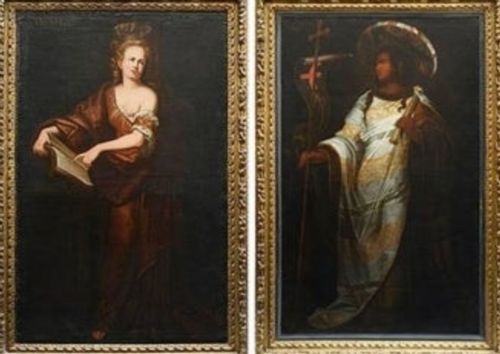
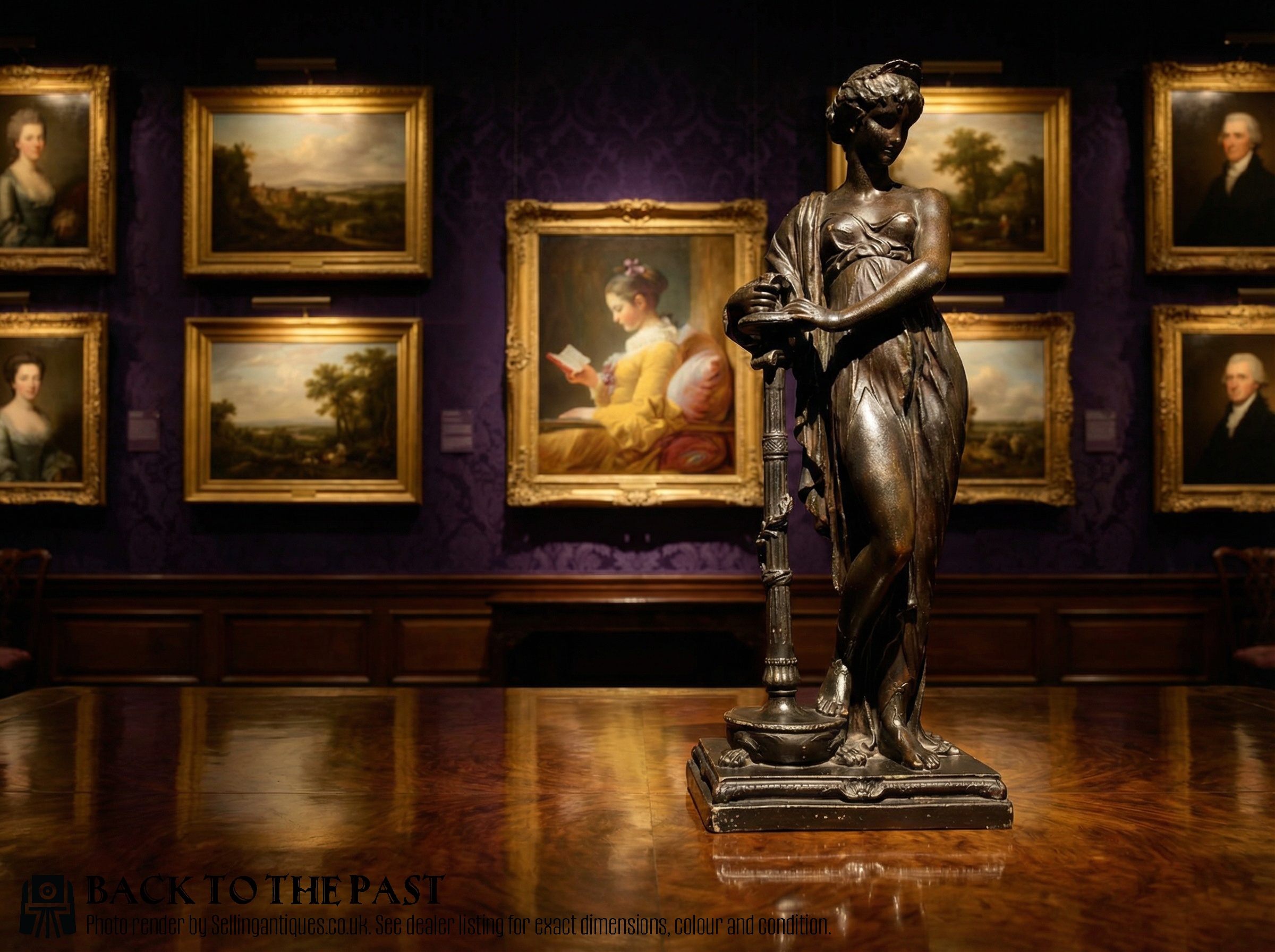
A classical female figure takes the form of bronze, marble, alabaster or porcelain sculptures, alongside period oil paintings and pencil drawings depicting mythical maidens, dancers and historical women.
The objects span the eighteenth, nineteenth and early twentieth centuries, encompassing Grand Tour souvenirs, French foundry casts, garden statues and decorative porcelain figures.
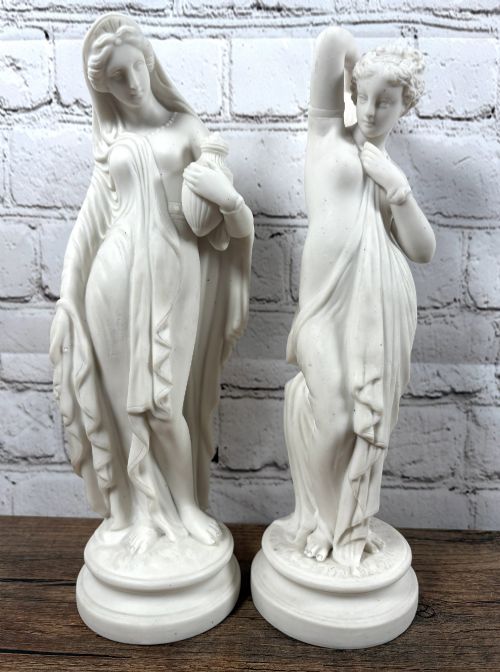
Buyers most frequently meet nineteenth-century bronze and marble sculptures depicting historical or mythological subjects, alongside Victorian Parian ware and painted studies.
How they were made
Foundries produced bronze sculptures using the lost-wax method, often finishing the metal with cold-painted details, gilt surfaces or dark patination.
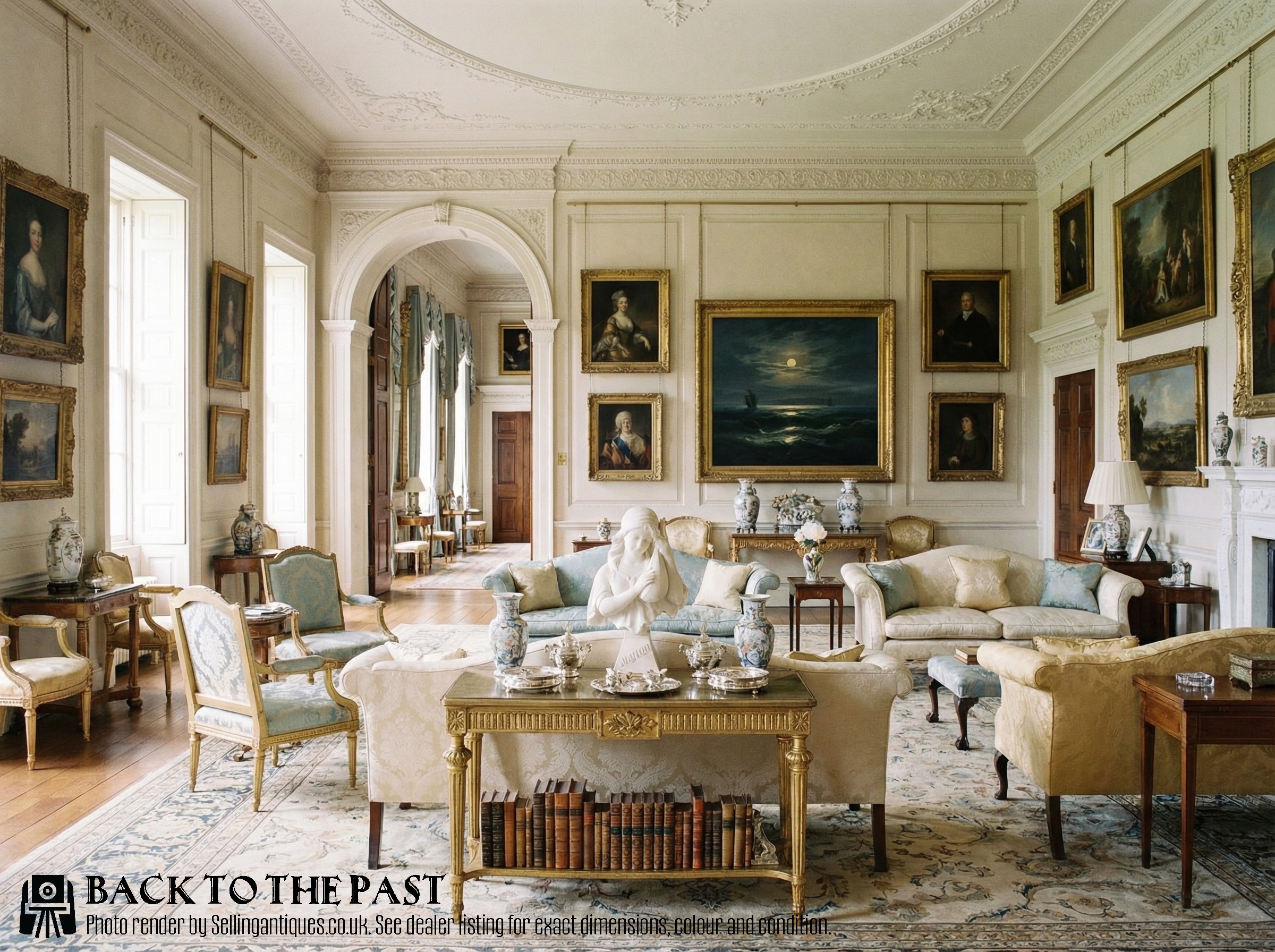
Carved pieces utilised solid blocks of Carrara marble or alabaster, shaped with chisels and polished to render robes and skin.
Porous or delicate works incorporated ceramic biscuit porcelain, oil on canvas, paper and stucco in the manner of period workshops.
Classical Female Figure Retail Price Guide 2026
Typical asking prices for classical female figure among the pieces listed under this phrase on Sellingantiques today, from the lower quarter to the upper quarter. They describe what is for sale here now, not the wider market.
Listings include materials such as marble, bronze, alabaster, porcelain, paper, gilt wood, glass and gilt bronze.
What varies in quality
The refinement of the carving or casting determines the fidelity of anatomical details, drapery folds and facial expressions.
Signatures from recognised nineteenth-century sculptors and foundry marks from establishments such as Barbedienne elevate the standing of a bronze or marble piece.
Etienne-Henri Dumaige·Ferdinand Barbedienne·Pierre le Faguays·William Etty·August Moreau·Antonio Canova·Mathurin Moreau·Eugene Aizelin·Jean-Baptiste Greuze·James Hadley·Edouard Drouot·Carrier-Belleuse·Georges-Charles Coudray·Elkington and Co
The Classical Female Figure Glossary
- Grand Tour
- A cultural journey undertaken by European elites that produced miniature bronze and marble souvenirs of classical sculptures.
- Parian Ware
- A fine white unglazed biscuit porcelain developed in the nineteenth century to imitate carved marble figures.
- Cold Painted
- A technique where pigment is applied to cold bronze without heat firing, creating detailed surface coloration.
- Neoclassical
- An artistic movement drawing inspiration from the art and culture of classical antiquity.
Classical Female Figure: Frequently Asked Questions
What periods do these figures come from?
The objects span the seventeenth, eighteenth, nineteenth and early twentieth centuries. Many examples date from the Victorian era and the broader nineteenth century.
Later works extend into the Art Deco and 1930s periods, reflecting enduring classical revivals.
What materials were used for these sculptures?
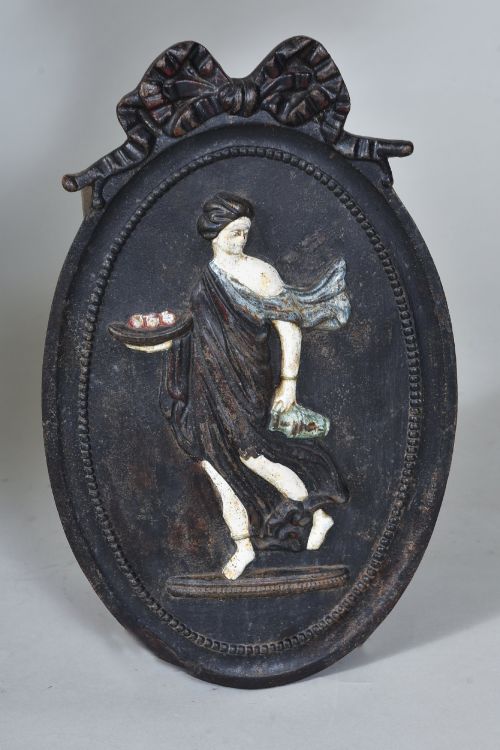
Makers utilised bronze, gilt bronze, Carrara marble, alabaster and cast iron. Ceramics also appear through Parian ware and porcelain.
Works on paper and canvas utilise oil and pencil, while other decorative items incorporate gilt wood and glass.
How were these decorative pieces displayed?
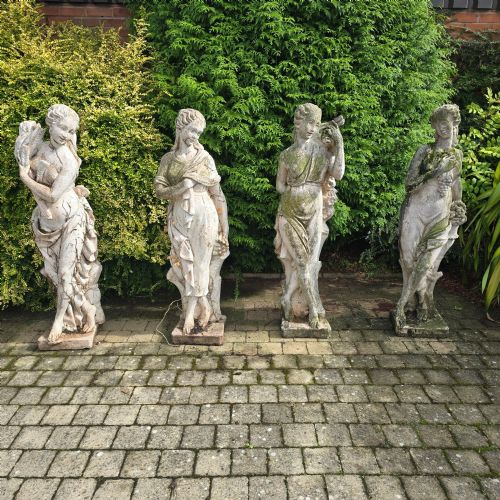
Many figures served as centrepieces, mantel decorations or cabinet ornaments in nineteenth-century homes. Larger works functioned as garden statues or life-sized sculptural installations.
Smaller busts and Grand Tour souvenirs were typically placed on desks, library tables or dedicated pedestals.
How can I identify the subject of a figure?
Subjects often reference Greek and Roman mythology, including figures such as Venus, Diana, Erato and the Four Seasons. Inscribed titles, foundry stamps or maker signatures frequently appear on the base.
Attributions also derive from historical portraits and literary characters depicted in paintings and busts.