
Italian Grand Tour Souvenir
An italian grand tour souvenir brings the classical heritage of Rome, Florence and Naples directly into your home through finely crafted art and architecture.
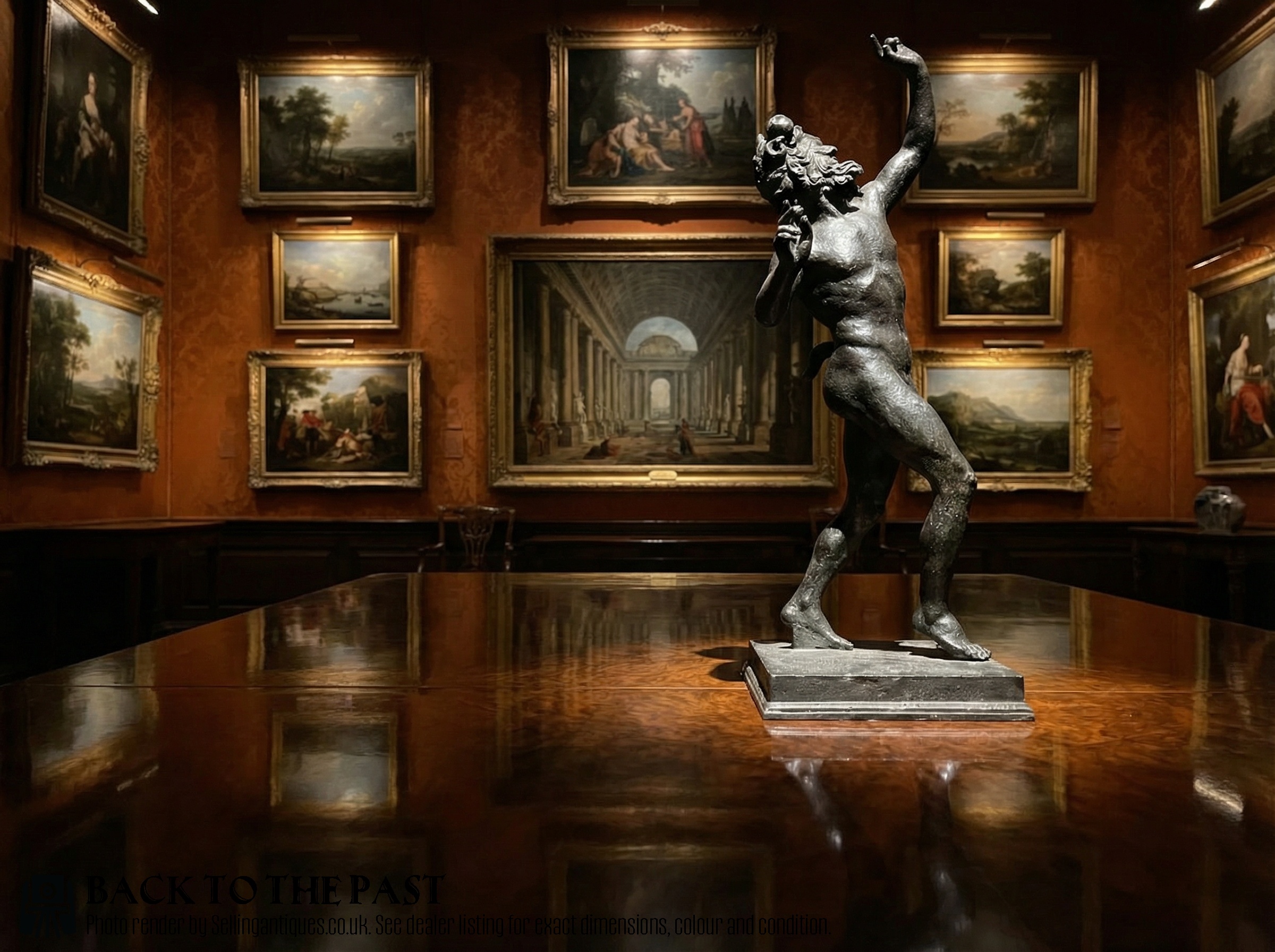
Italian Grand Tour Souvenir
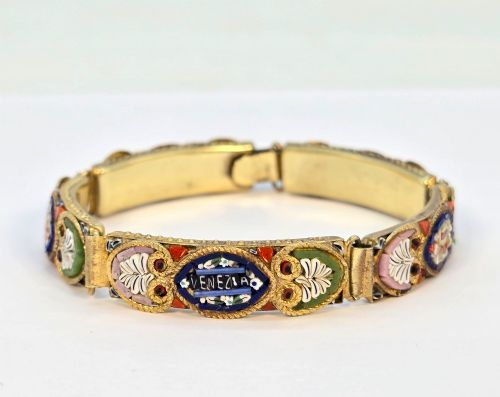
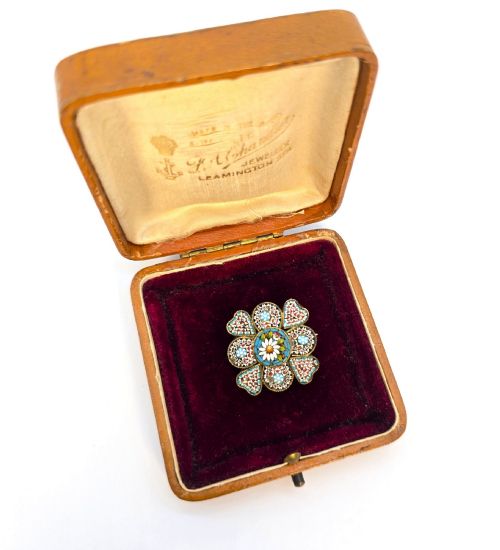
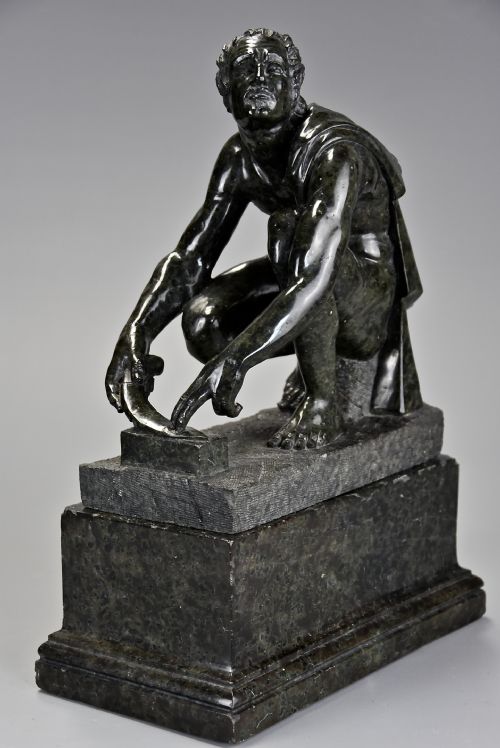
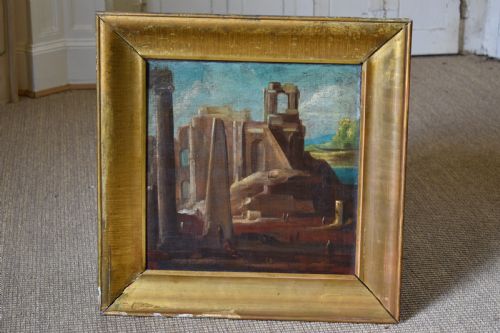
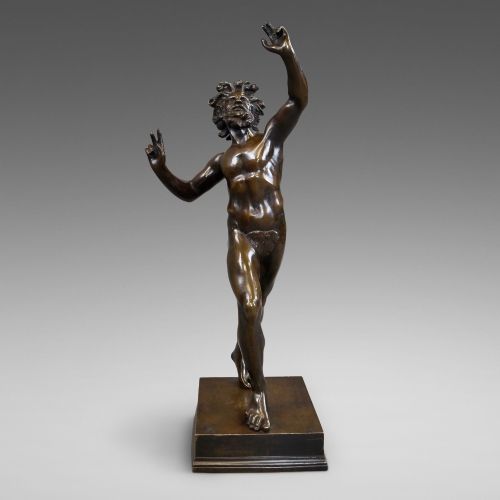
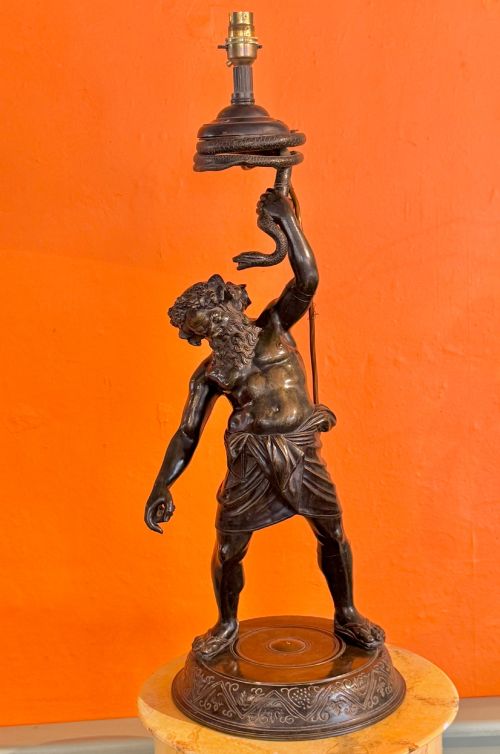
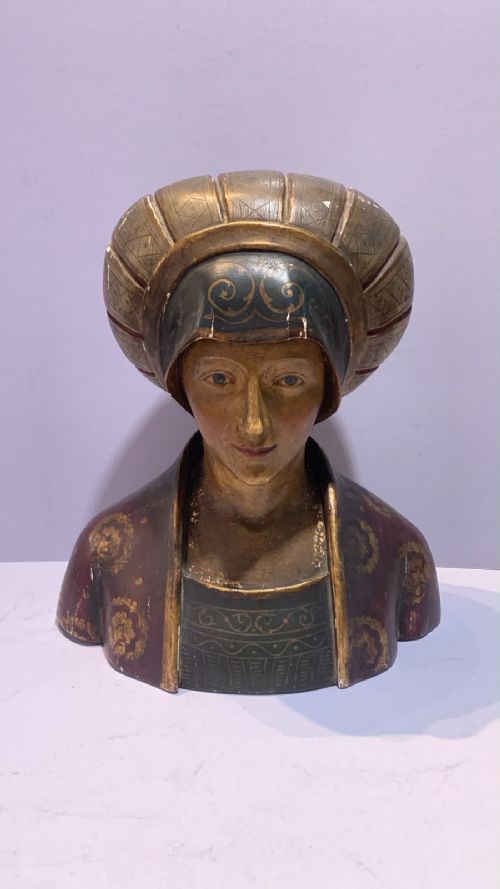
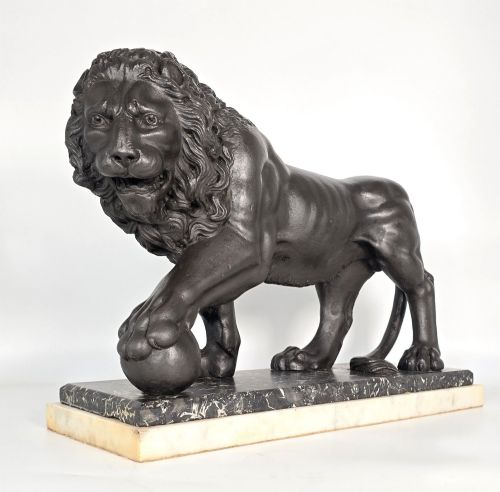
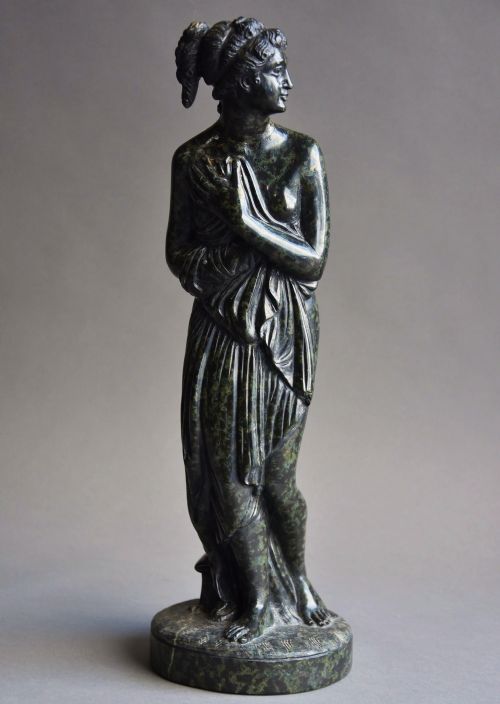
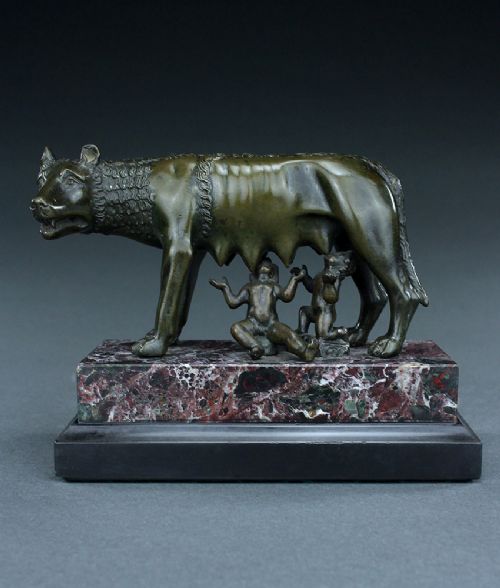
An italian grand tour souvenir represents the physical mementos collected by travellers on cultural journeys across the continent during the nineteenth century. These items include bronze reductions of classical sculptures, carved marble architectural models, delicate micro-mosaics and pietra dura plaques.
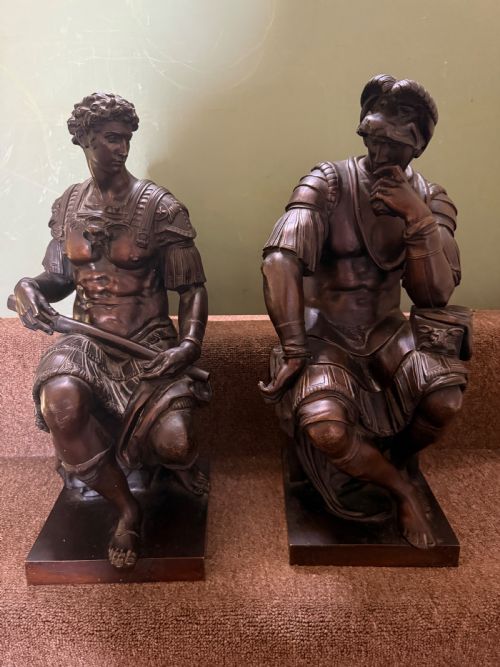
The objects served as sophisticated proof of a traveller's classical education and refined taste upon their return home. On this page, you are most likely to encounter bronze statuary after famous antiquities, architectural elements in coloured marbles, and detailed mosaic jewellery or paperweights.

How They Were Made
Bronzes were cast using traditional lost-wax methods and finished with careful patination to mimic excavated antiquities, ranging from dark green to rich brown tones. Specialist foundries in Rome, Florence and Naples employed skilled artisans to capture the musculature and proportions of classical statues.
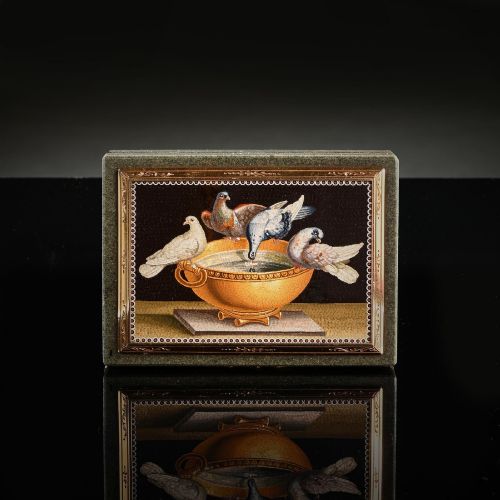
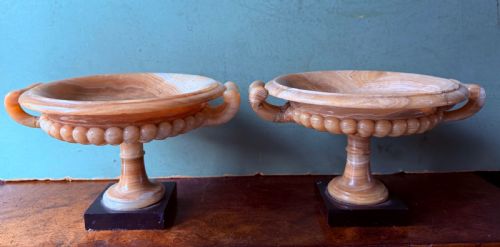
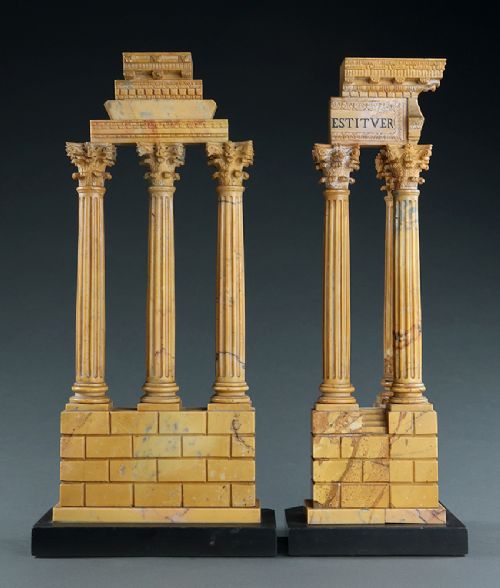
Marble and stone pieces utilised native Italian varieties such as Siena, giallo antico, verdo prato and alabaster, shaped into obelisks, tazze and temple models. Micro-mosaics required thousands of tiny glass tesserae fused together to create pictorial scenes of ruins and wildlife.
Italian Grand Tour Souvenir Retail Price Guide 2026
Typical asking prices for italian grand tour souvenir among the pieces listed under this phrase on Sellingantiques today, from the lower quarter to the upper quarter. They describe what is for sale here now, not the wider market.
Some travellers packed home miniature stone temples so convincing that local pigeons occasionally tried to nest on them.
What Varies in Quality
Gioacchino Barberi·G Amodio·Boschetti·Paoletti·Domenico Moglia·Benedetto Boschetti
The Italian Grand Tour Souvenir Glossary
- Reduction
- A scale copy of a larger monument or sculpture made for travellers to transport home easily. These portable versions made famous classical art accessible for domestic display.
- Tesserae
- Tiny individual squares of coloured glass or stone used to build up complex pictorial micro-mosaics. Artisans arranged them meticulously into wax or mastic beds.
- Pietra dura
- An artistic technique using cut and fitted polished coloured stones to create geometric or pictorial designs. Craftsmen utilised jaspers, marbles and agates to form tabletop views and panels.
- Intaglio
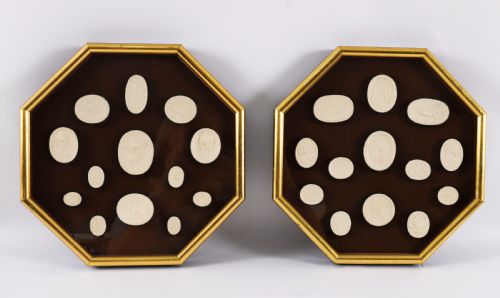
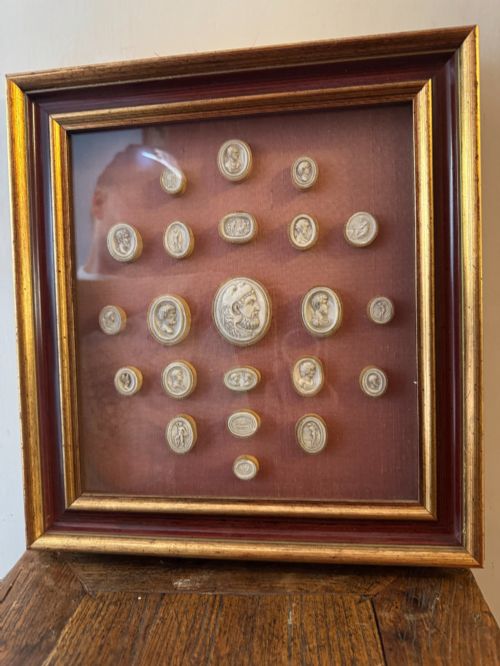
- A gem or glass panel carved with a sunken design so that it produces a raised impression when pressed into wax. Collectors often mounted these in panels or books.
- Patination
- The chemical or natural surface coloration applied to bronze to enhance depth and simulate age. Dark green and brown tones were favoured to imitate buried antiquities.
Italian Grand Tour Souvenir: Frequently Asked Questions
What is an italian grand tour souvenir?
These pieces are portable works of art and architecture purchased by wealthy travellers exploring classical sites in Italy during the nineteenth century.
They function as miniature representations of renowned museum sculptures, ancient ruins and famous Italian landmarks.
How were bronze souvenirs displayed?
Travellers typically placed their bronze reductions on heavy marble plinths or desks within libraries and studies to display their classical learning.
Larger architectural models and vases served as decorative focal points on sideboards and mantelpieces.
How do I identify marble types?
Italian workshops used specific regional stones such as yellow giallo antico, green verdo prato and mottled Siena marble for architectural columns and tazze.
Examining the natural veining and colour variations helps distinguish these native Italian stones from later substitutes.
Were these items mass produced?
While specialist foundries and workshops in Rome and Naples produced multiple copies of famous statues, each piece required significant manual skill in casting and finishing.
Variations in chasing, patination and stone selection mean that no two souvenir objects are entirely identical.