



Bronze Mythological Figure
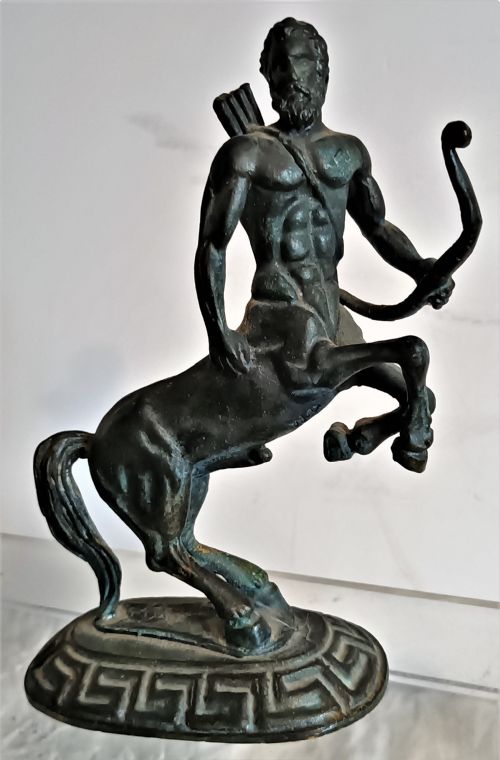
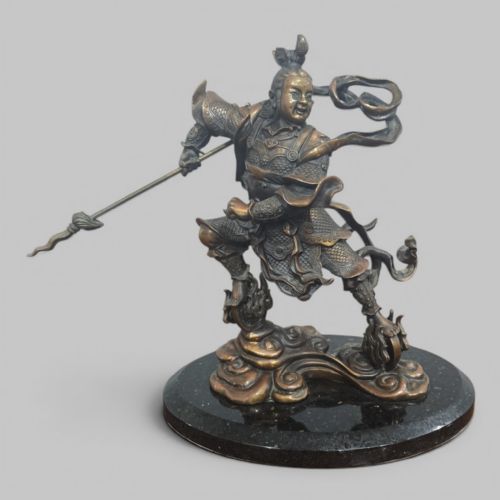
When you search for a bronze mythological figure, you are looking at centuries of classical heroes, gods, and creatures cast in metal.
Bronze Mythological Figure
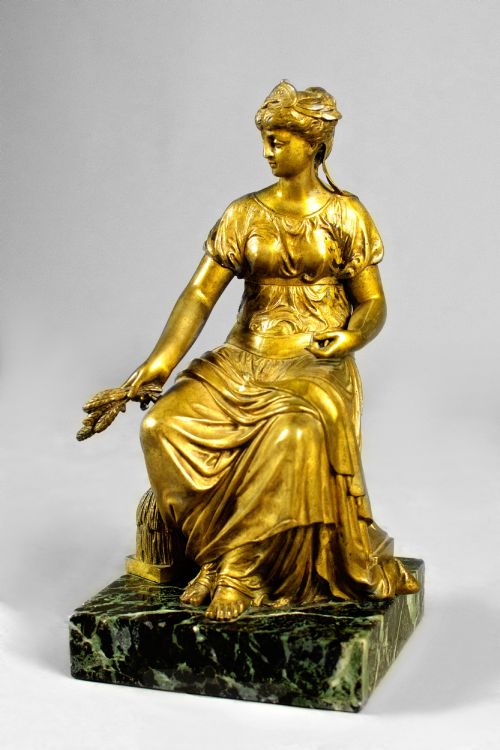
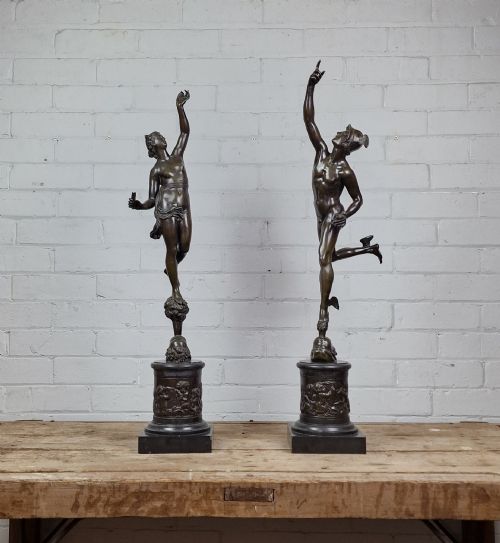
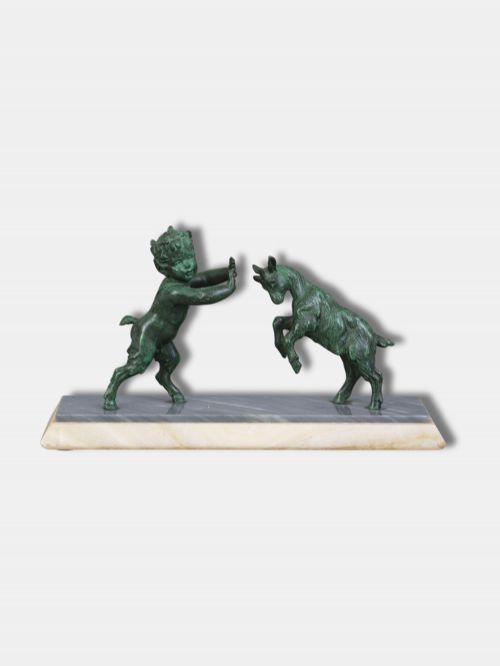
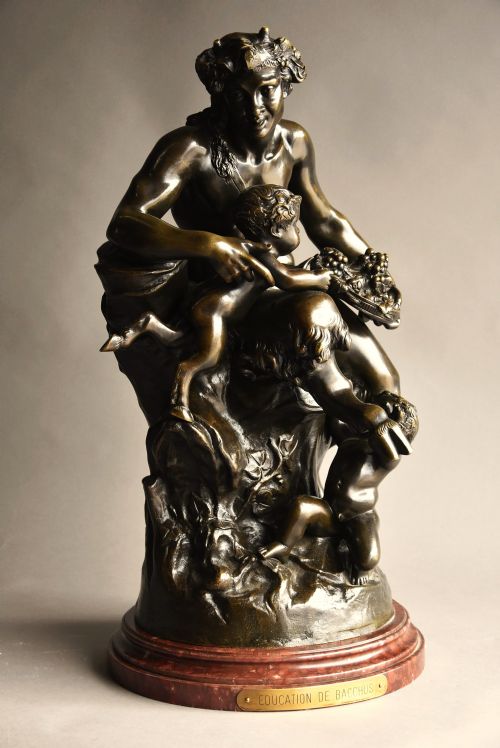
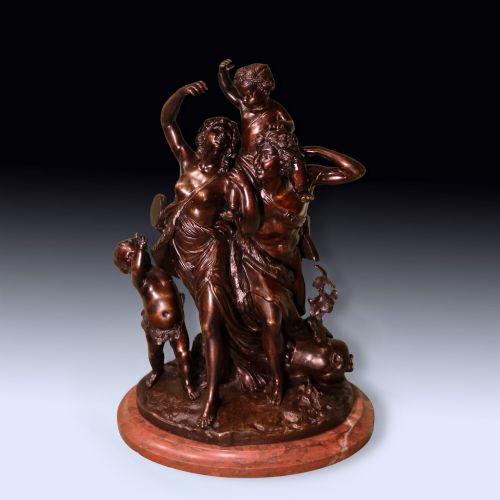
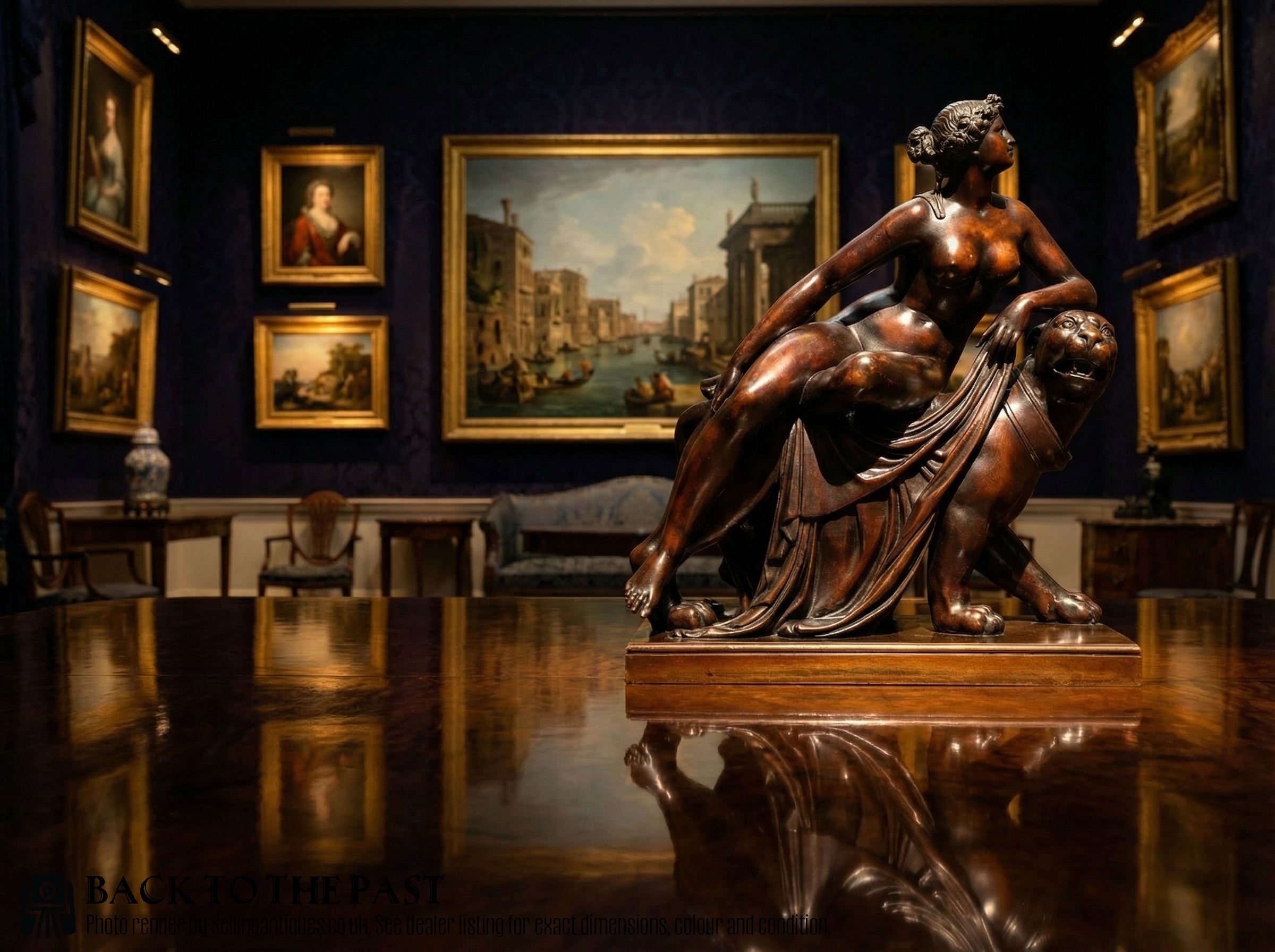
A bronze mythological figure represents gods, heroes, nymphs, and legendary beasts derived from classical antiquity and later artistic revivals. These pieces range from substantial French foundry groups to smaller Italian Grand Tour souvenirs brought home by travellers. The versions most commonly encountered on this page date from the nineteenth century, capturing classical subjects with detailed patination and expressive forms.
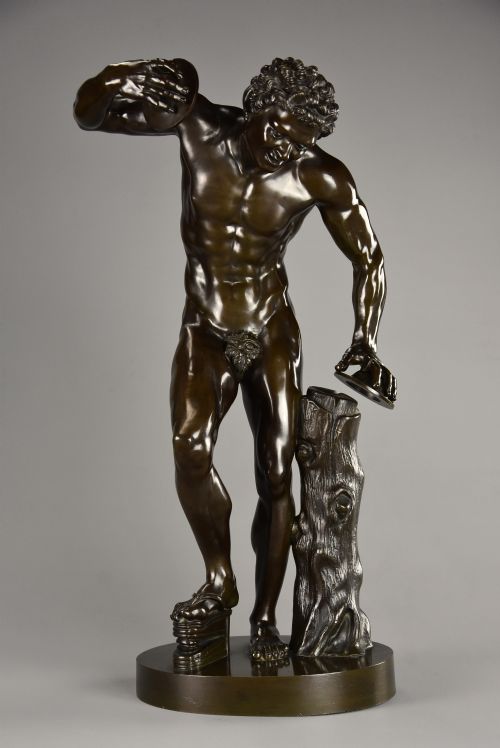
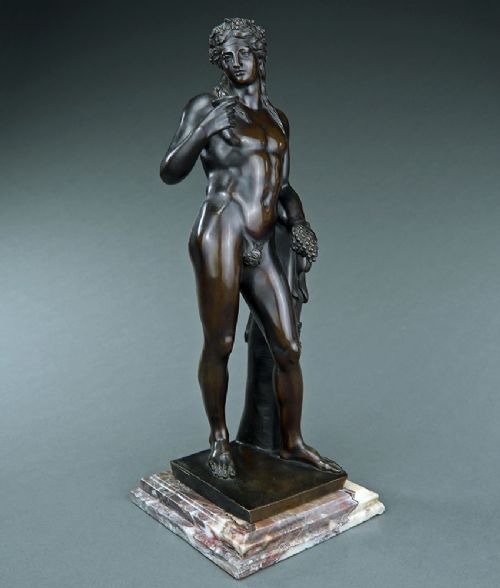
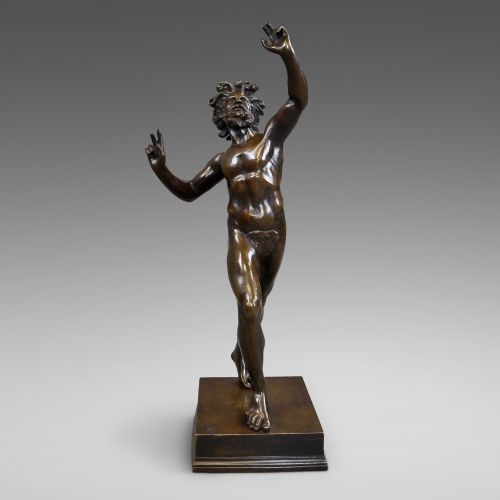
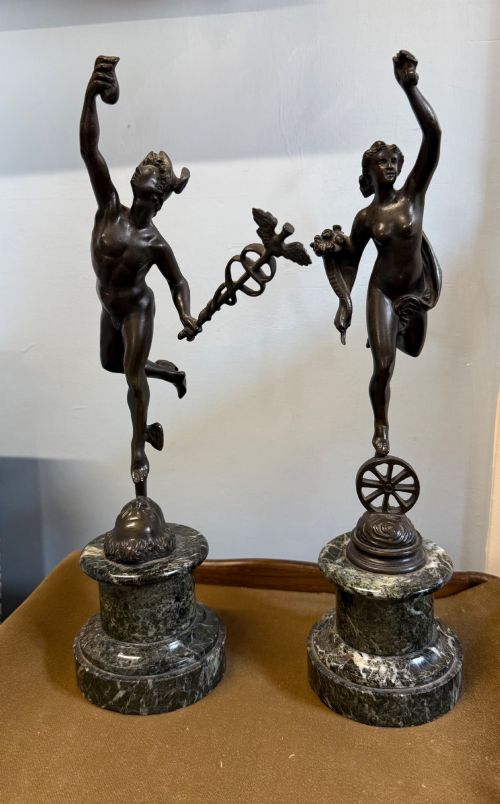
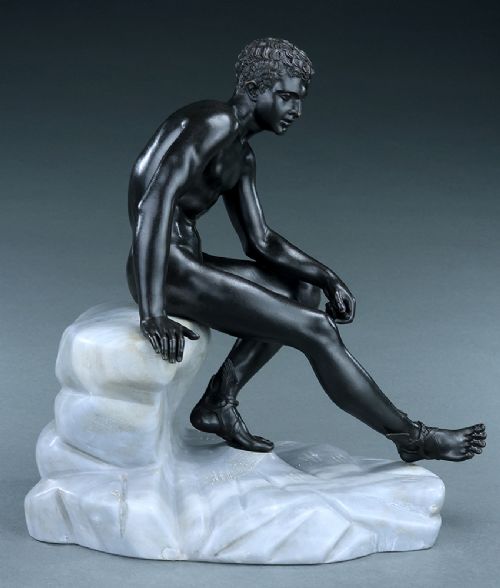
The subjects draw heavily on Greek and Roman mythology, depicting figures such as Mercury, Narcissus, fauns, and nymphs. Many of these sculptures interpret famous antique originals housed in European museums, translating large marble or bronze statues into cabinet-sized works. Makers often mounted these figures on marble bases or incorporated them into functional items like table lamps and fire dogs.
Grand Tour bronzes form a substantial portion of these listings, reflecting the European travel tradition of the eighteenth and nineteenth centuries. Alongside Italian souvenirs, French foundry productions from makers such as Barbedienne provide finely chased details and varied patinas. Whether cast as solitary deities or dynamic figure groups, these objects bring classical narratives into interior spaces.
How they were made
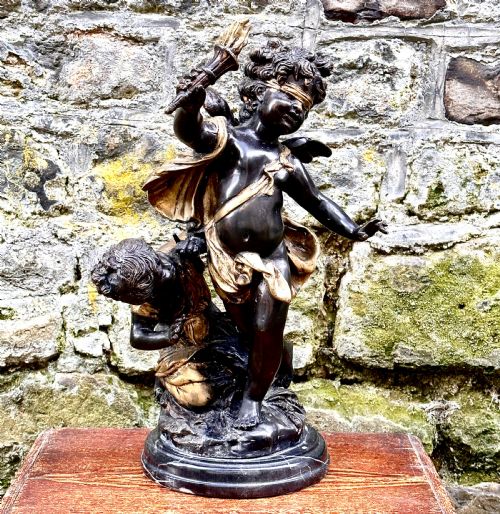
Patination played a crucial role in finishing the surface, utilising chemical treatments to create dark green, brown, or warm dark patinas. Gilt bronze and ormolu applications added contrasting golden highlights to specific elements of the composition. Sculptures were frequently secured to marble bases, providing a stable footing and a contrasting classical material.
Bronze Mythological Figure Retail Price Guide 2026
Typical asking prices for bronze mythological figure among the pieces listed under this phrase on Sellingantiques today, from the lower quarter to the upper quarter. They describe what is for sale here now, not the wider market.
Listings feature works spanning the eighteenth to the twentieth centuries, utilising materials like patinated bronze, marble, ormolu, and brass.
What varies in quality
The crispness of the chasing and finishing separates standard castings from exceptional examples. Superior bronzes retain sharp facial expressions, distinct musculature, and fine texturing in hair and drapery that lesser casts lose during mass production. Foundries that invested time in hand-chasing after casting achieved significantly greater depth.
The quality and depth of the patination contribute heavily to the visual success of the piece. Rich, stable patinas with subtle tonal variations indicate skilled chemical application and careful maintenance over time. Additionally, the integration of solid marble plinths and the overall weight of the cast reflect the ambition of the original maker.
Barbedienne·Emile Carlier·Auguste Moreau·Giambologna·Pierre Le Faguays·Albert Hussmann
The Bronze Mythological Figure Glossary
- Grand Tour
- A traditional trip through Europe undertaken by upper-class young men to absorb classical art and culture. Souvenirs purchased on these journeys often included small-scale bronze sculptures of famous ancient statues.
- Patination
- The process of applying chemical treatments to the surface of metal to alter its colour and texture. This creates protective and decorative finishes ranging from deep browns to dark greens.
- Lost-wax casting
- A metalworking method where a molten metal is poured into a mould that has been created by melting away a wax model. This technique allows for highly intricate and complex sculptural forms.
- Chasing
- The manual refinement of a metal casting using small punches and hammers to sharpen details and clean up surfaces. Skilled chasing distinguishes high-end foundry work from unrefined production.
- Ormolu
- Finely ground high-carat gold applied to a bronze object using a mercury amalgamation process. This technique gives metallic decorative elements a brilliant golden surface.
Bronze Mythological Figure: Frequently Asked Questions
What is a Grand Tour bronze?
A Grand Tour bronze is a nineteenth-century souvenir cast in Italy or France, reproducing famous classical sculptures seen in museums and archaeological sites. Travellers collected these pieces to commemorate their educational journeys across Europe.
These reductions allowed collectors to display miniature versions of ancient masterpieces like the Dancing Faun or the Farnese Hercules within their private libraries and studies.
How do I identify the subject of a figure?
Subjects are typically identified by specific attributes held in the hands or worn on the body, such as Mercury's winged helmet or a faun's pointed ears and pipes. Many figures reference specific narratives from Greek and Roman mythology.
Inscriptions on the base or comparisons with known classical statuary often clarify the exact mythological character being depicted.
Were these figures made as pairs?
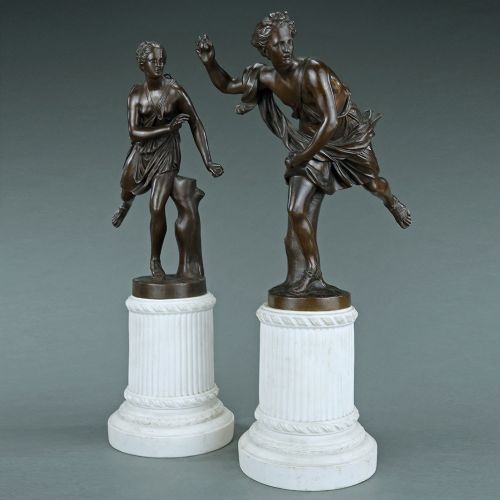
Some sculptures were cast as symmetrical pairs, such as classical figures representing complementary deities or decorative fire dogs for a fireplace. These matched sets were designed to balance mantelpieces or architectural niches.
Single figures were equally common, produced as standalone cabinet bronzes to be appreciated from multiple angles on a desk or pedestal.