




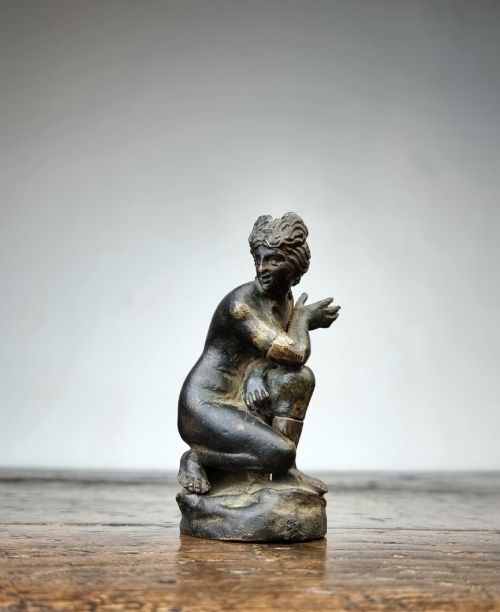
Classical Bronze Statuette
These classical bronze statuettes capture mythological figures and historical portraits, offering tangible links to antiquity through refined metalwork.

Classical Bronze Statuette
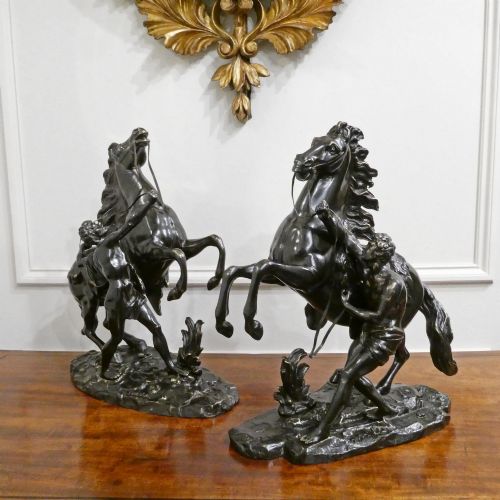
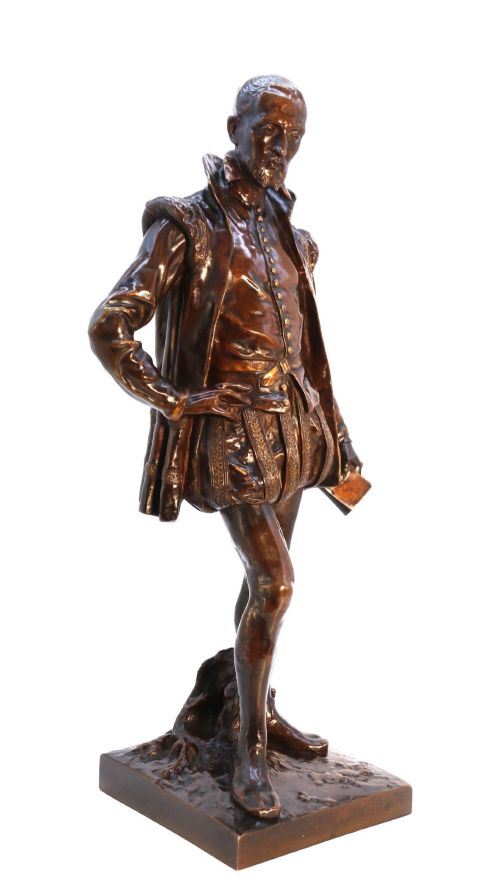
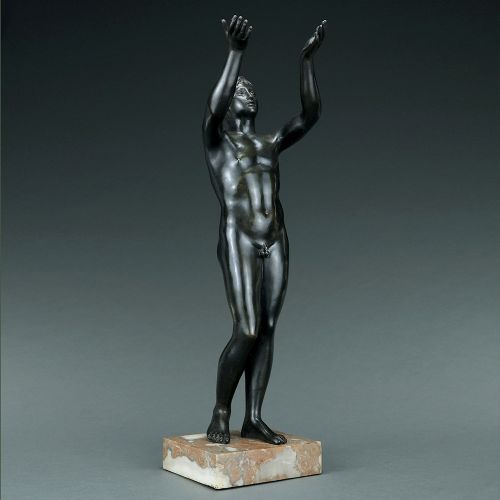
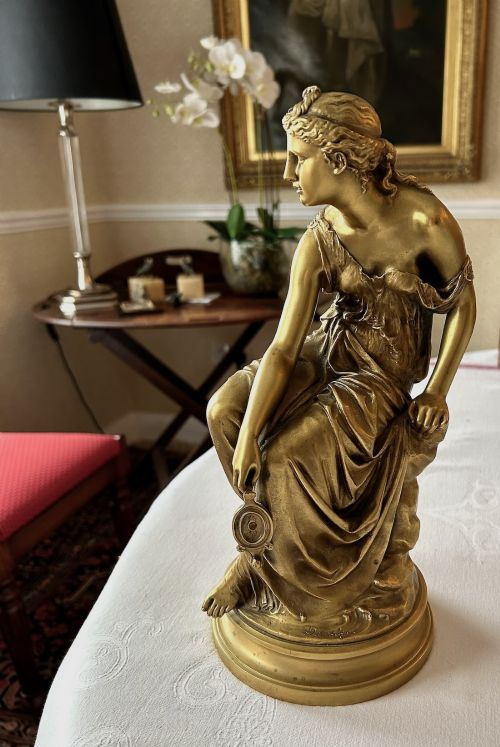
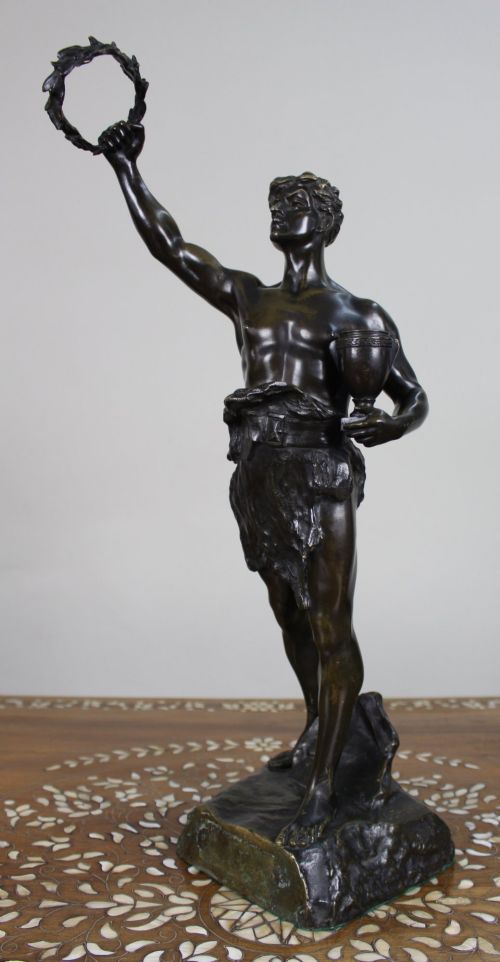
A classical bronze statuette represents mythological subjects, literary figures, and historical portraits derived from ancient sculpture. The search phrase covers distinct pieces originating primarily from nineteenth-century European workshops, encompassing Grand Tour souvenirs and academic salon sculptures.
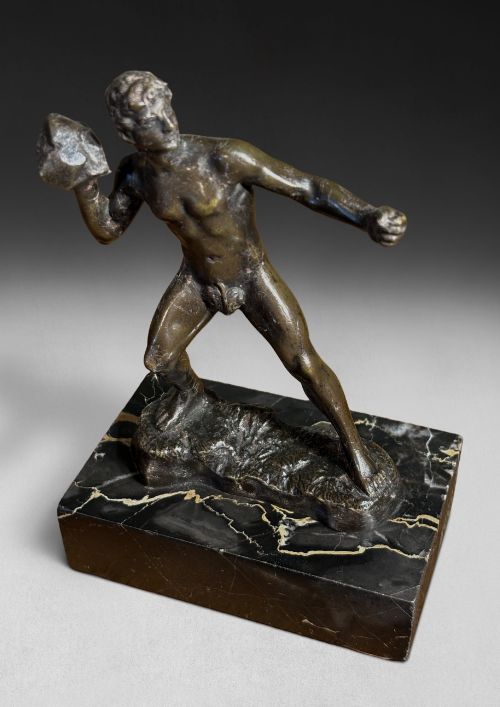
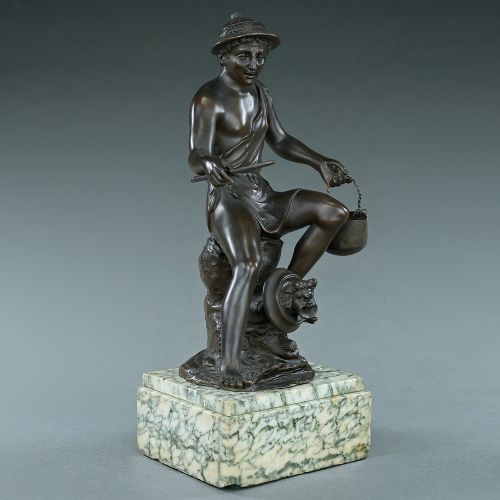
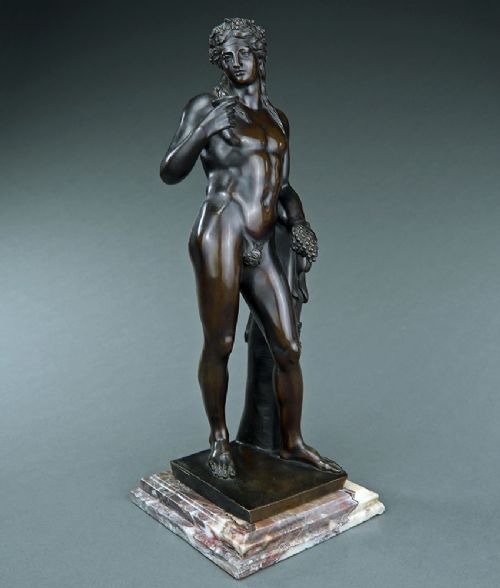
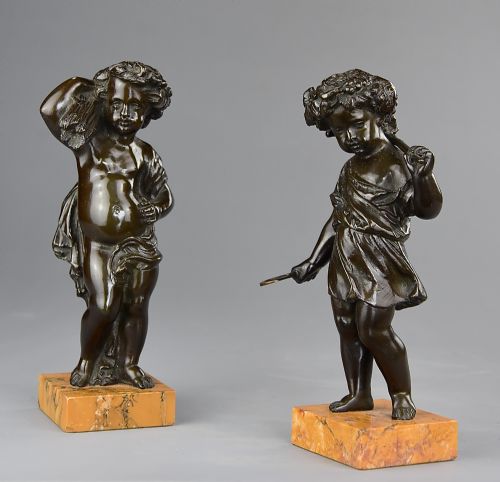
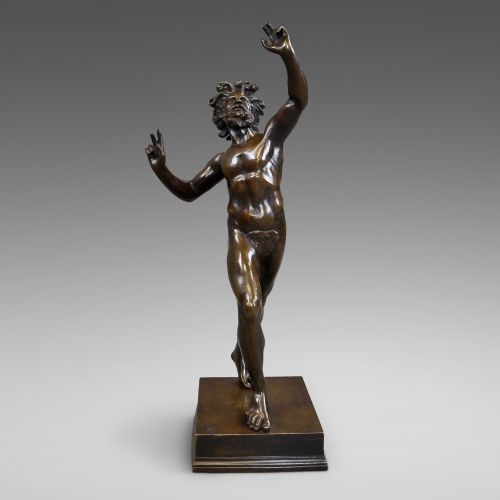
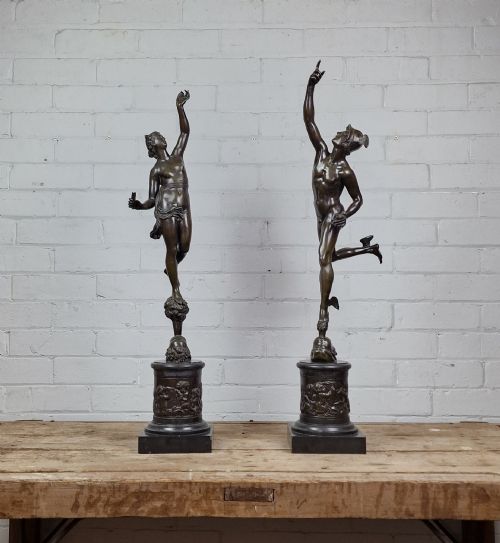
Buyers will encounter depictions of deities such as Mercury, Narcissus, and Dionysus, alongside allegorical putti and literary heroes. These figures frequently stand upon dedicated bases formed from marble, fossil marble, or black slate.
The objects vary from diminutive cabinet pieces acquired on Italian travels to larger French foundry productions. Many draw directly on Renaissance models by sculptors like Giambologna or ancient excavations at Pompeii and Herculaneum.

Materials and Technique
Foundries utilised the lost-wax casting method or sand casting to achieve intricate detail in molten metal. The resulting bronze was subsequently treated with chemical patination to produce dark brown, green, or black surface tones.
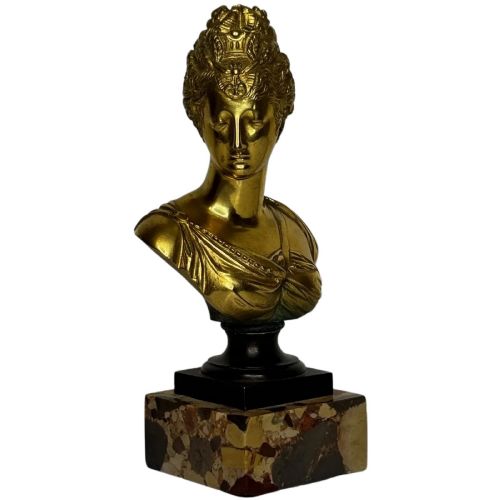
Gilt bronze and ormolu applications provided golden highlights on select garments and accessories. Statuettes were frequently mounted directly onto heavy stone plinths composed of marble or slate to provide structural stability.
Classical Bronze Statuette Retail Price Guide 2026
Typical asking prices for classical bronze statuette among the pieces listed under this phrase on Sellingantiques today, from the lower quarter to the upper quarter. They describe what is for sale here now, not the wider market.
Watch for the tiny wings strapped securely to the ankles of swift messengers.
Distinctions in Quality
Quality rests upon the crispness of the metal chasing and the depth of the subsequent patination. Finer examples retain sharp facial expressions and well-defined musculature without losing detail in the secondary smoothing.
The integration between the bronze figure and its stone base indicates the care taken during assembly. Superior castings demonstrate careful hand-finishing that eliminates visible seams from the mould.
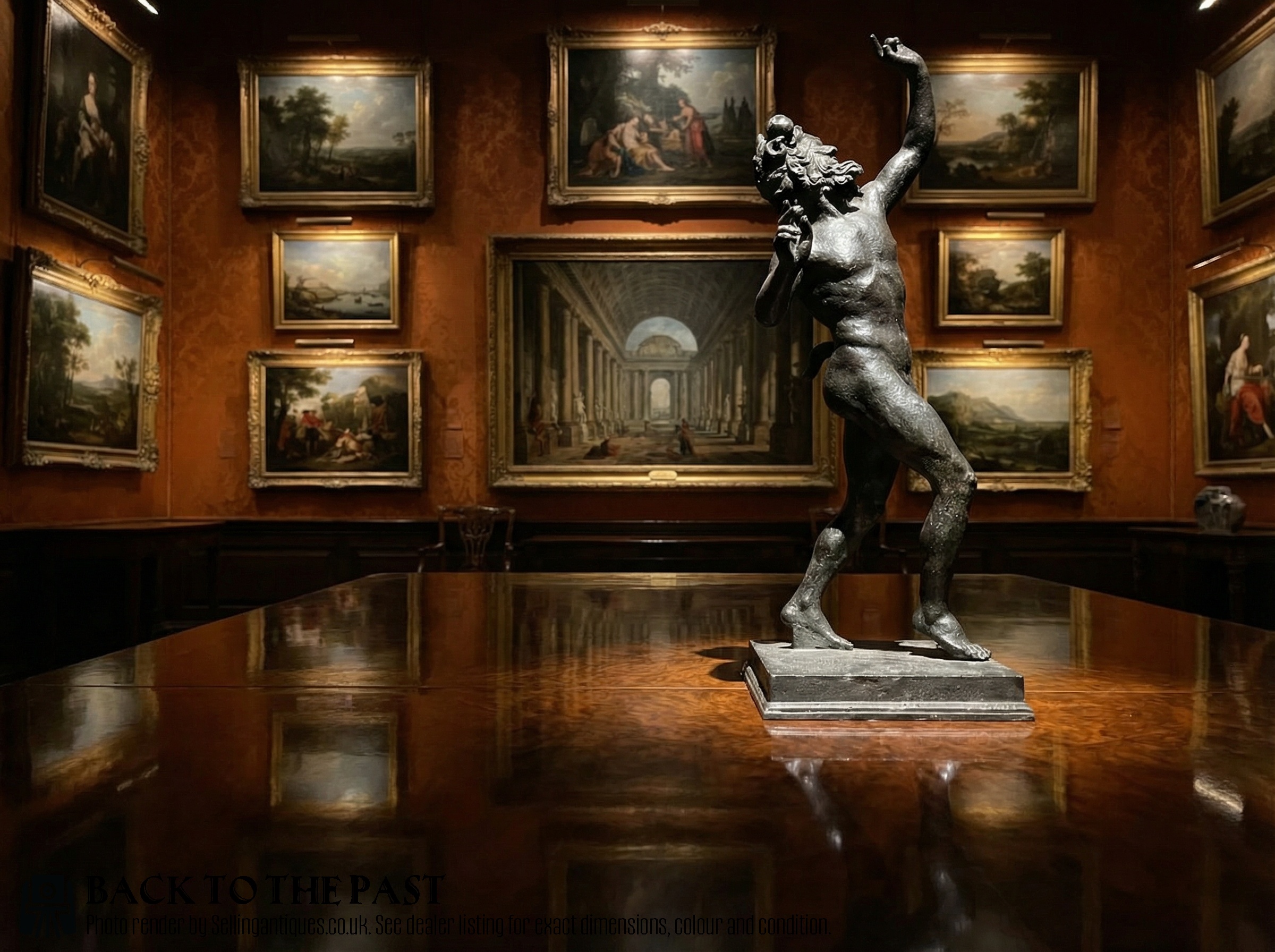
Etienne-Henri Dumaige·Moreau Family·August Moreau·Mathurin Moreau·Julien Lorieux·Hamo Thornycroft·S. Kinsburger
The Classical Bronze Statuette Glossary
- Grand Tour
- A traditional trip through Europe undertaken by upper-class scholars and travellers to study classical art. Souvenirs purchased during these journeys frequently inspired the tabletop bronzes found in nineteenth-century collections.
- Patination
- The chemical treatment or natural weathering applied to the surface of a metal sculpture. This process produces distinct colouration ranging from deep black to variegated green.
- Ormolu
- Finely ground high-carat gold applied to a bronze base through a mercury amalgamation process. The technique produces a rich metallic lustre common on French decorative works.
- Fossil marble
- A natural limestone matrix containing visible ancient organic remains and shell fragments. It serves as a decorative contrasting plinth for small metal figures.
Classical Bronze Statuette: Frequently Asked Questions
What is a Grand Tour bronze?
A Grand Tour bronze is a small souvenir sculpture acquired by travellers visiting classical sites in Italy during the eighteenth and nineteenth centuries. These pieces replicated famous antiquities or Renaissance statues for display in European homes.
Such statuettes allowed collectors to demonstrate their classical education and appreciation for ancient art. They were typically scaled to fit comfortably upon library tables or mantelpieces.
How do I identify the subject of a statuette?
Subjects are usually identified through specific attributes such as winged sandals for Mercury or water jugs for nymphs. Figures often mirror well-documented classical sculptures discovered during European archaeological excavations.
Inscriptions on the bronze or the supporting marble base frequently name the character or the original artist. Reference books on nineteenth-century foundry catalogues also help clarify obscure mythological figures.
Are these pieces solid bronze?
Many nineteenth-century cabinet bronzes were cast hollow to conserve expensive metal and reduce overall weight. The casting thickness varied according to the foundry's practices and the size of the sculpture.
Heavier elements like bases were often added separately using slate or marble. Hollow casting does not indicate lower quality; it represents standard foundry technique for medium-sized figures.
How should I clean a bronze statuette?
Dusting with a dry, soft-bristled brush is sufficient for routine maintenance of patinated surfaces. Avoid using commercial metal polishes, water, or chemical solvents that strip the original patina.
Applying a light coat of microcrystalline wax can protect the metal from atmospheric moisture. Professional conservation is recommended if the surface shows active corrosion or structural damage.