


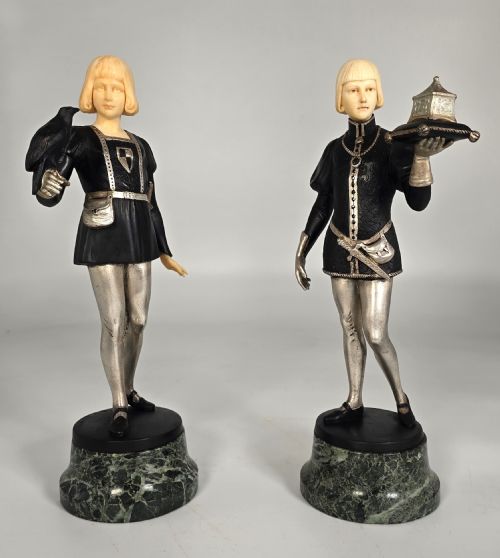


Bronze Boy Statue
When you search for a bronze boy statue, you encounter character studies and classical figures cast across the nineteenth and early twentieth centuries.
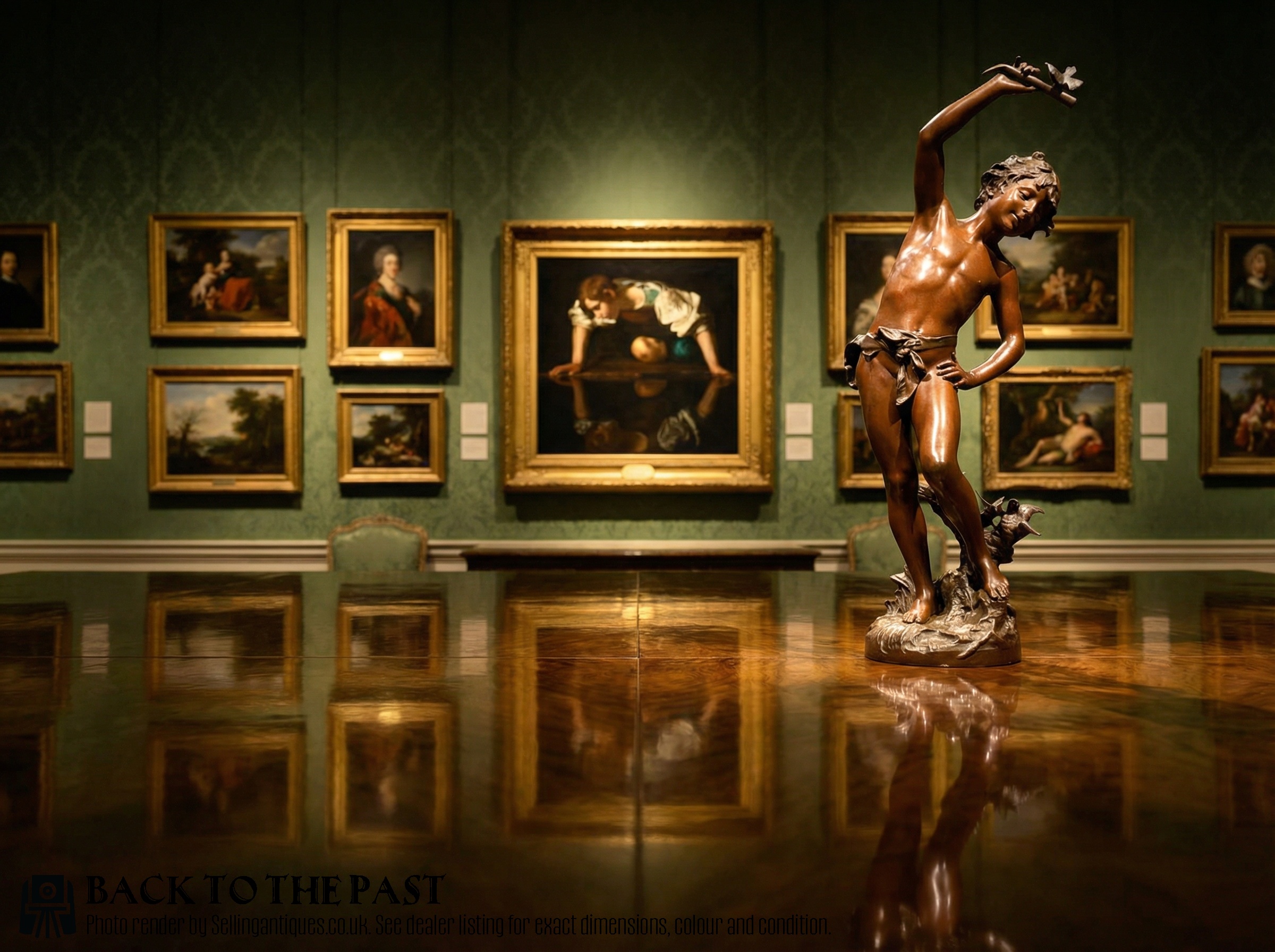
Bronze Boy Statue
A bronze boy statue captures young figures in everyday tasks, classical poses, and playful moments, originating from European foundries and Japanese workshops alike.
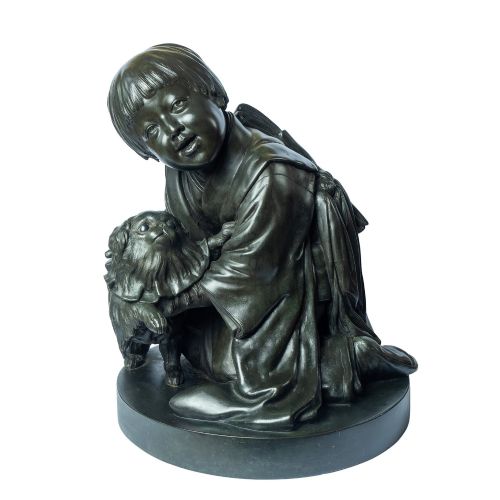
The selections span nineteenth-century realism, neoclassical interpretations, Grand Tour souvenirs, Meiji period okimono, and Art Deco designs.
Common forms range from diminutive cabinet pieces to large garden sculptures and figures mounted on marble bases.
Materials and casting methods
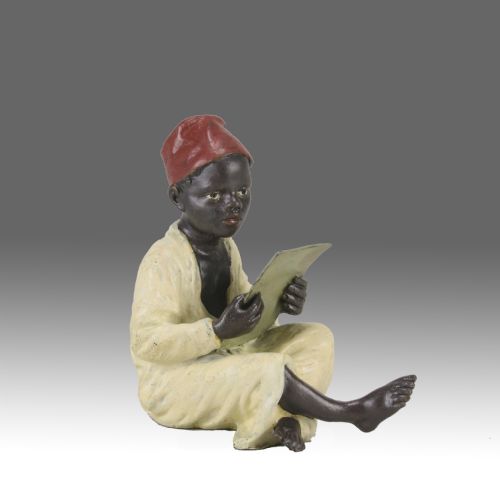
Foundries utilised traditional bronze casting methods, often finishing the metal with a dark patination or applying cold-painted polychrome colours.
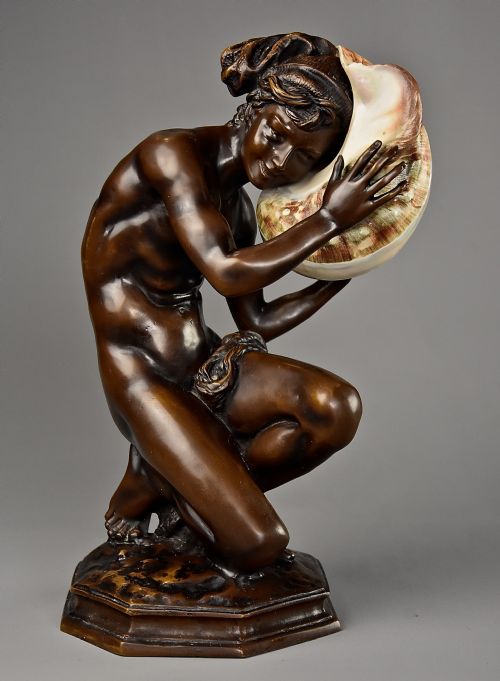
Many sculptures incorporate contrasting materials such as carved ivory, painted terracotta, and spelter mounted on marble or onyx bases.
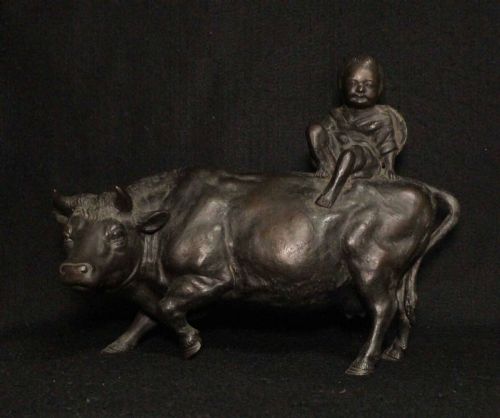
Lobsters and cows frequently share the spotlight with young human subjects in these nineteenth-century metal castings.
Distinctions in craftsmanship
The finesse of the chisel work on the metal surface separates standard foundry output from pieces bearing the signatures of noted sculptors.
Detailing in facial expressions, drapery folds, and the integration of mixed media elements dictate the standing of an individual casting.
Franz Bergman·Carl Kauba·Auguste Moreau·Ferdinand Preiss·Vincenzo Gemito
The Bronze Boy Statue Glossary
- Patinated bronze
- Bronze treated with chemical solutions to produce a specific surface colour and tone. This treatment protects the metal and adds visual depth.
- Cold-painted bronze
- Pigment applied to cold metal without subsequent firing. This technique creates vivid polychrome clothing and skin tones.
- Spelter
- A zinc alloy used as a less expensive alternative to bronze. It takes patination well but lacks the weight and tensile strength of true bronze.
- Okimono
- A Japanese decorative object intended for display on a shelf or tokonoma. These carvings and castings depict figures, animals, and daily scenes.
- Grand Tour
- Souvenirs collected by affluent travellers touring European cultural sites. These smaller bronzes replicate classical antiquities.
Bronze Boy Statue: Frequently Asked Questions
How do I clean a bronze boy statue?
Dust the surface gently with a soft brush to prevent accumulation in crevices. Avoid harsh chemical cleaners that strip the original patina.
Apply a microcrystalline wax sparingly if the metal requires protection against moisture.
What is cold-painted bronze?
Cold-painted bronze refers to metal figures decorated with oil or enamel paints applied after casting. This method was widely used by Viennese workshops.
Care is required because the paint can flake if subjected to humidity or rough handling.
How can I tell spelter from bronze?
Spelter is lighter than bronze and often reveals a greyish metal underneath worn spots on the surface. It is also softer and more prone to bending.
Bronze maintains a heavier weight and a warm, dense metallic quality when tapped.
What is a Grand Tour bronze?
Grand Tour bronzes are miniature replicas of classical statues produced in Italy during the nineteenth century. Travellers purchased them as mementos of their educational journeys.
These pieces usually display a dark brown or green patina mimicking ancient excavated artefacts.