


Vintage Bronze Artwork
These vintage bronze artwork pieces bring cast metal into interiors, offering collectors distinct sculptural forms and patinated surfaces to live with.

Vintage Bronze Artwork
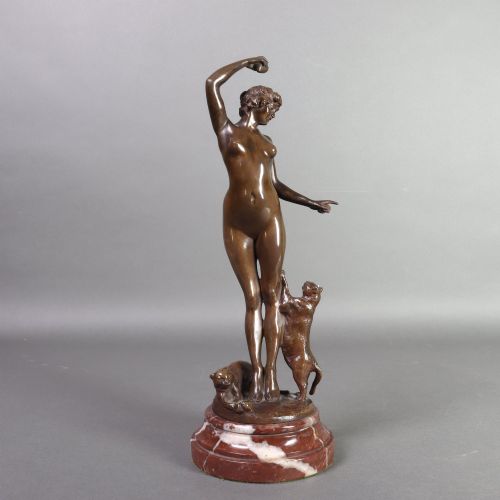
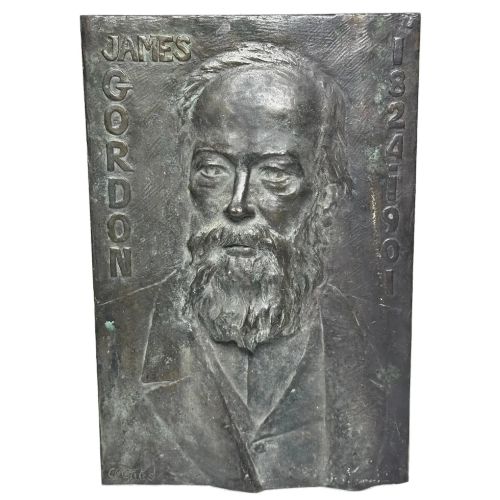
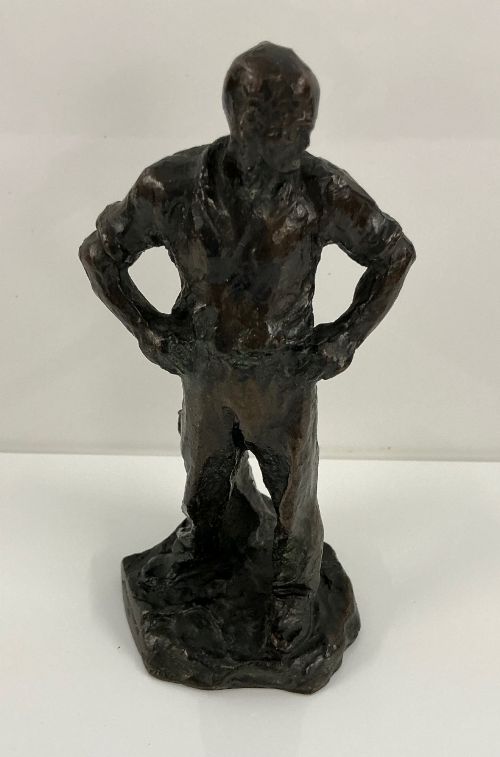
When you search for vintage bronze artwork, you encounter a diverse range of cast metal pieces spanning multiple decades and global origins. The selection on this page includes figures, portrait reliefs, and animal sculptures shaped in styles from Art Deco to French Realism.
Buyers seeking vintage bronze artwork will notice variations in scale, from cabinet miniatures to substantial statues weighing several kilograms. These objects capture human figures, animals, and mythological subjects created by named makers and international foundries.
How they were made
The primary material in these works is bronze, often shaped through traditional casting methods and finished with applied patination or cold painting. Many sculptures combine this metal base with complementary materials such as marble bases or enamel details.
Makers utilised techniques like chasing and gilding to refine surface textures and highlight specific details on figures and reliefs. Artisans also employed cloisonné and hand-painted elements to introduce colour and pattern to the metallic surfaces.
The listings combine European figures with Asian decorative arts, including Burmese, Japanese, and Chinese metalwork alongside French and Austrian sculptures.
What varies in quality
The sophistication of the design and the reputation of the foundry or sculptor elevate certain pieces above standard decorative castings. Weight, proportion, and the harmony between the bronze figure and any supporting plinth also distinguish superior examples.
Ferdinand Preiss·Jules Dalou·P. Sega·Charles Arthur Bourgeois·Franz Bergman·Auguste Moreau
The Vintage Bronze Artwork Glossary
- Patinated bronze
- Bronze that has been treated with chemical solutions to produce a specific surface colour or aged tone. This process protects the metal while giving depth to the sculptural contours.
- Cold painted bronze
- A method where paint is applied to a bronze object without subsequent firing or heat treatment. It appears frequently in early twentieth-century Austrian animal and human figures.
- Cloisonne enamel
- A technique where enamel paste is placed within wire compartments soldered to a metal base before firing. It decorates several plates and vases listed alongside the metal sculptures.
- Relief
- A sculptural technique where figures project from a flat background rather than existing in the round. These pieces include portrait plaques designed for wall hanging or inset mounting.
- Chasing
- The manual refinement of a cast metal surface using hammers and punches to sharpen details and remove casting flaws. Master sculptors relied on this stage to define expression and texture.
Vintage Bronze Artwork: Frequently Asked Questions
What is cold painted bronze?
Cold painted bronze refers to metal sculptures decorated with paint that dries naturally rather than being kiln-fired. This technique allowed makers to achieve vibrant polychrome finishes on small animal and human figures.
You encounter this method frequently on early twentieth-century Austrian pieces. Collectors appreciate the remaining pigment, though handling requires care to preserve the original surface.
How do I care for bronze?
Bronze requires minimal maintenance beyond gentle dusting with a soft, dry cloth to prevent particulate buildup. Avoid using commercial metal polishes, which can strip away the historical patina.
Keep pieces away from direct moisture and extreme temperature fluctuations to protect the underlying metal and any applied surface treatments.
How do I identify Art Deco bronzes?
Art Deco bronzes typically feature stylized human forms, geometric motifs, and sleek, streamlined silhouettes associated with the interwar period. Artists from this era often combined metal with contrasting materials like ivory, marble, or enamel.
The posture of the figures and the design of the bases offer strong stylistic clues to date these works to the 1920s or 1930s.
Are these pieces solid bronze?
Most sculptural items in this category are produced using the lost-wax casting method, resulting in solid or hollow-cast metal construction. Some larger figures are cast in sections and joined securely together.
Weight often provides a useful indicator of density, though hollow casts remain standard practice for large or complex forms to manage weight.