

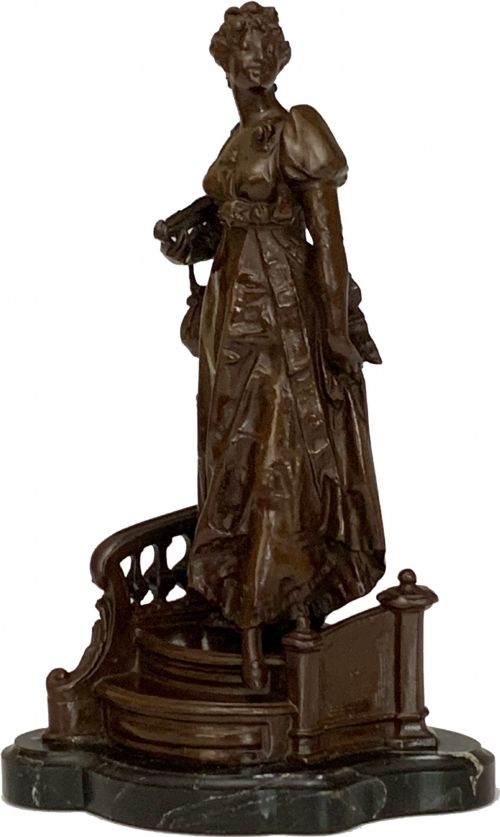


French Art Nouveau Statue
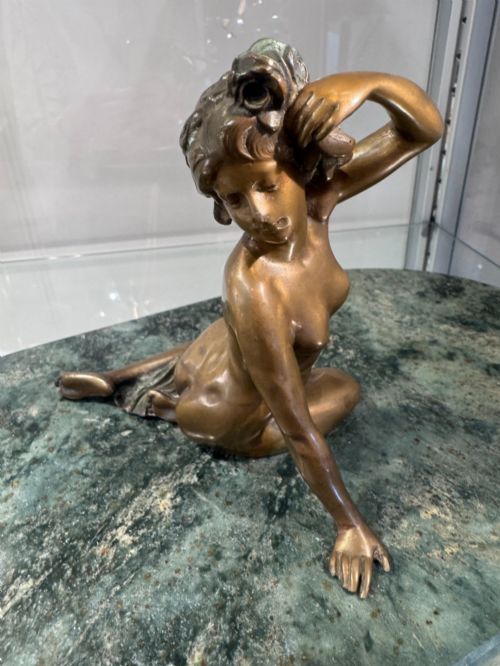
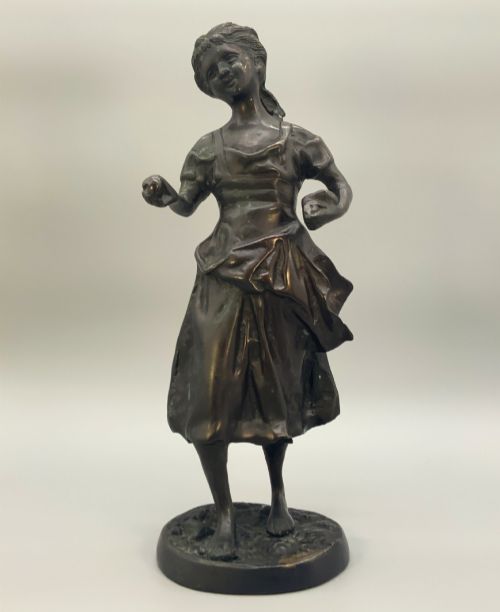
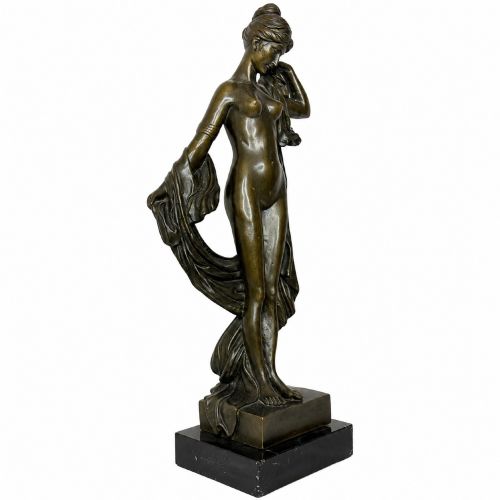
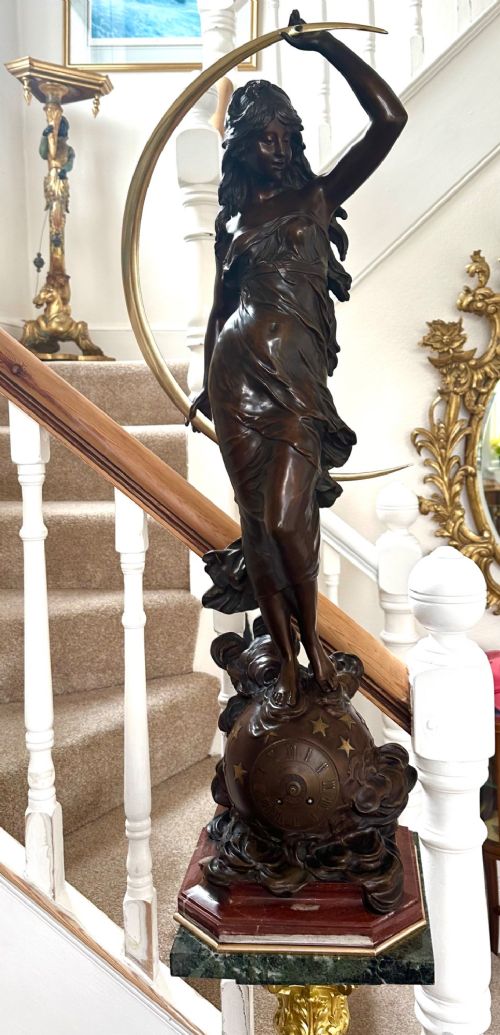
These french art nouveau statue examples bring organic curves, flowing hair and expressive figures into interiors through bronze, marble and spelter.
French Art Nouveau Statue
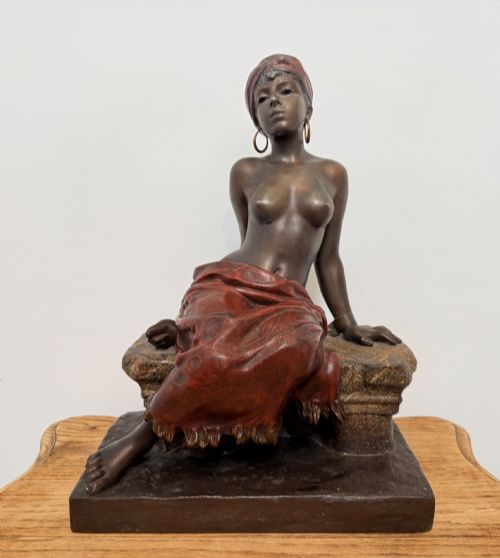
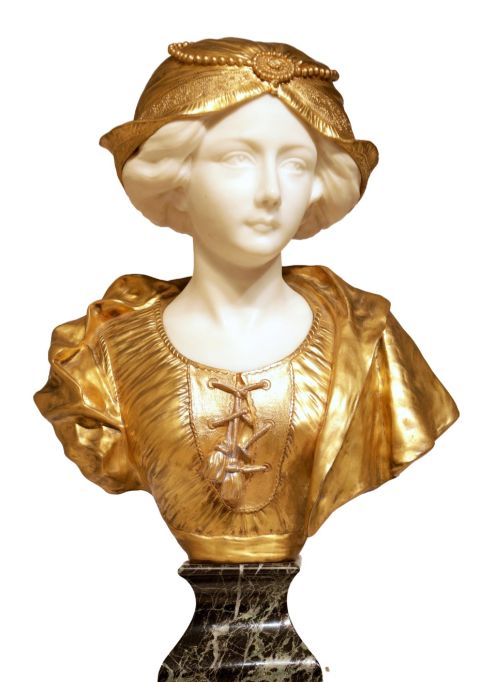
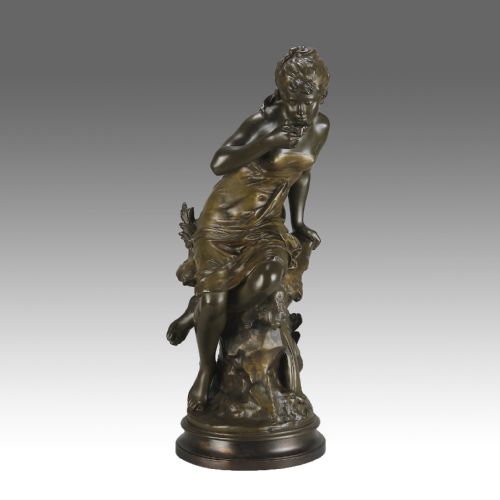
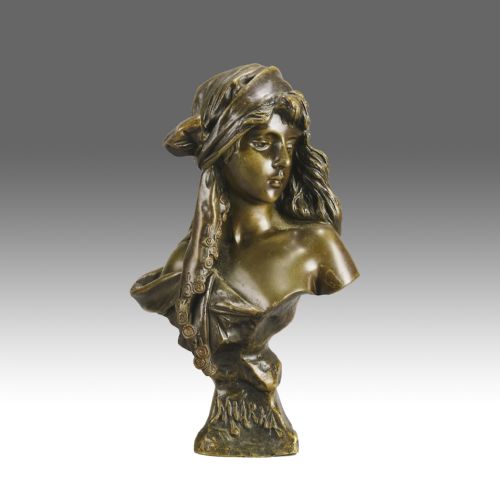
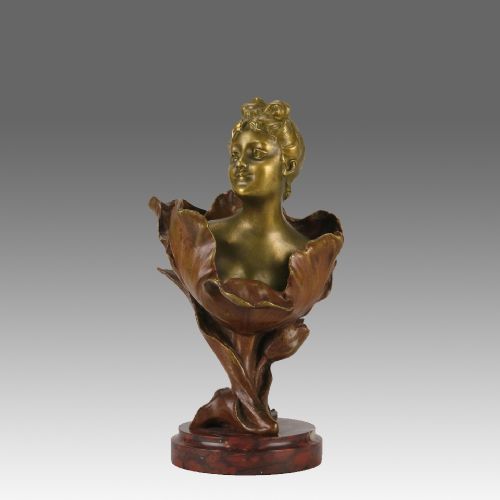
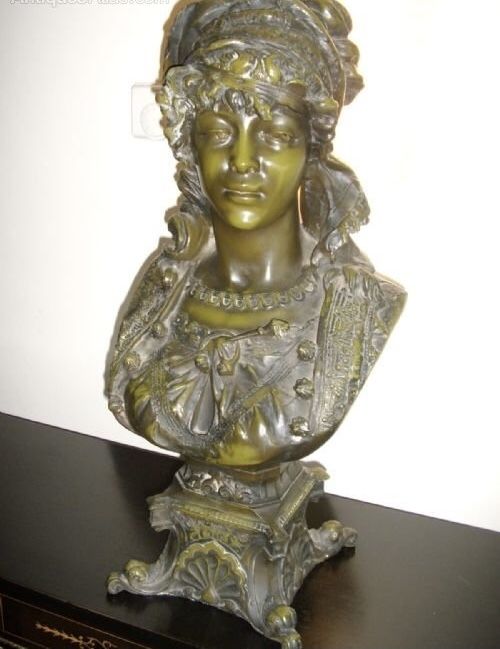
A french art nouveau statue captures the fluid lines and natural themes characteristic of the turn of the twentieth century. These pieces appear as full figure sculptures, portrait busts, table lamps and decorative vases.
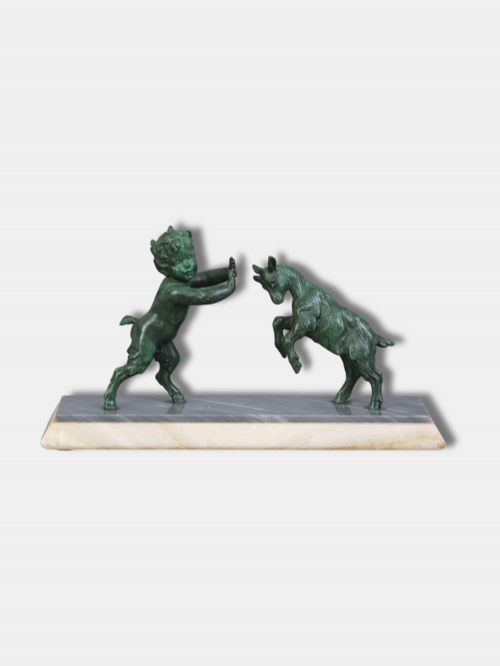
The selections span the late nineteenth century through the early decades of the twentieth century, often reflecting the Belle Epoque aesthetic. Subjects range from mythological figures and nymphs to elegant maidens and animals.
Makers often drew inspiration from nature, literature and classical mythology to shape female forms, draped figures and animal studies.
How they were made
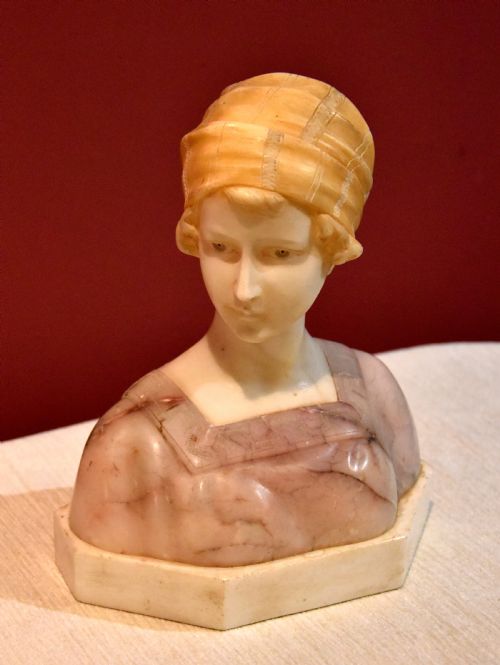
Foundries utilised traditional casting methods to shape bronze, patinated bronze and gilt bronze into complex, organic forms. Many works also combine cast metal elements with carved marble, alabaster or terracotta bases.
Spelter served as an alternative metal for figures, while artisans applied varied patinas to achieve tonal depth and surface texture. Sculptors signed their models directly into the material before casting or carving.
Peacocks occasionally join the human maidens, nymphes and fauns, bringing an unexpectedly theatrical avian presence to the metalwork.
What varies in quality
The reputation of the sculptor and the prestige of the foundry directly influence the standing of a piece within the range. Details like signature placement and the subtlety of the chasing separate standard production works from exceptional studio creations.
Moreau Family·E Villanis·Emile Carlier·Mathurin Moreau·Emmanuel Villanis·Henri Godet·Auguste Henri Carli·Georges Van Der Straeten·Edouard Drouot·Georges-Charles Coudray·Auguste Moreau·Luca Madrassi·Hector Lemaire·Sylvain Kinsburger·Anders Zorn·Emile Laporte·Ernst Barrias·Clovis Masson·Eugène Désiré Piron·Antoine Bofill·Ferrand
The French Art Nouveau Statue Glossary
- Patina
- The surface coloration and sheen developed naturally with age or applied chemically to bronze and metal sculptures. This treatment enhances the definition of the cast details.
- Spelter
- A zinc-based alloy utilised as an economical alternative to bronze for decorative figures and statues. It often received a bronze-like coating to mimic more costly metalwork.
- Terracotta
- Baked red clay shaped by the sculptor before firing. This material records the direct touch of the maker prior to hardening.
- Alabaster
- A fine-grained, translucent stone carved into figures and bases. Its natural veining adds tactile variation to sculpted forms.
French Art Nouveau Statue: Frequently Asked Questions
Where should I display a statue?
Position statues on stable side tables, pedestals or mantels where surrounding light can catch the varied patinas and carved surfaces. Ensure the piece sits away from direct heat sources to protect combined materials like marble and alabaster.
Allow enough clearance around larger figurative works so the profile and silhouette remain visible from multiple angles within the room.
How do I clean metal sculptures?
Dust surfaces gently with a soft, dry cloth to prevent the accumulation of particles in the recessed areas of the casting. Avoid liquid cleaners, oils or abrasive cloths that can strip or alter the original patina.
Consult a professional restorer if the piece requires deeper conservation work or stabilization of its base.
What materials were used?
Sculptors worked primarily in bronze, patinated bronze, gilt bronze and spelter for the figurative elements. Many pieces incorporated carved marble, alabaster or terracotta for bases and structural support.
Combinations of metal and stone allowed artists to contrast cold, polished surfaces with textured drapery and skin.
How can I identify the period?
Examine the stylistic markers, lettering of signatures and foundry stamps characteristic of turn-of-the-century production. Art nouveau pieces typically display asymmetrical compositions, whiplash curves and naturalistic motifs.
Dates inscribed into the material or accompanying biographical records of the sculptors help narrow the timeframe of creation.