
French Bronze Ornament
When you handle a french bronze ornament, you hold a tangible piece of centuries-old foundry work designed to elevate an interior.
French Bronze Ornament
A french bronze ornament encompasses a wide spectrum of cast metal items, ranging from freestanding figural sculptures and animalier studies to functional decorative objects and architectural furniture mounts. Buyers searching this phrase encounter pieces spanning the nineteenth century through the art deco era, reflecting shifts from neoclassical grandeur to modernist minimalism.
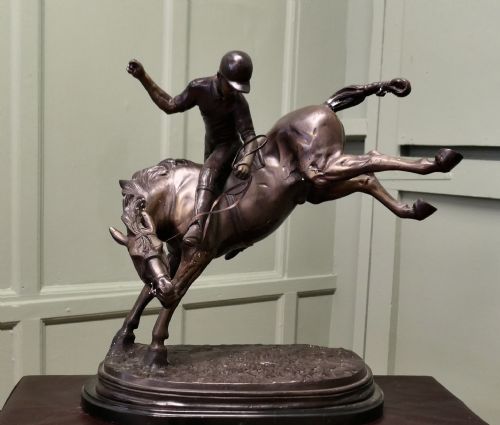
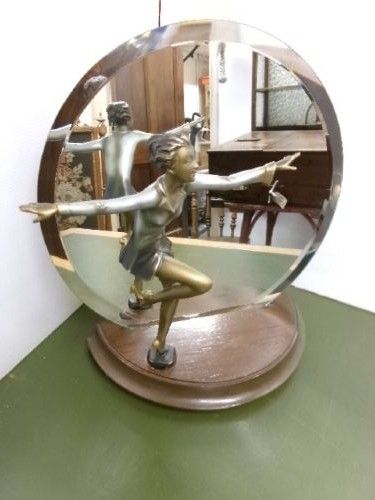
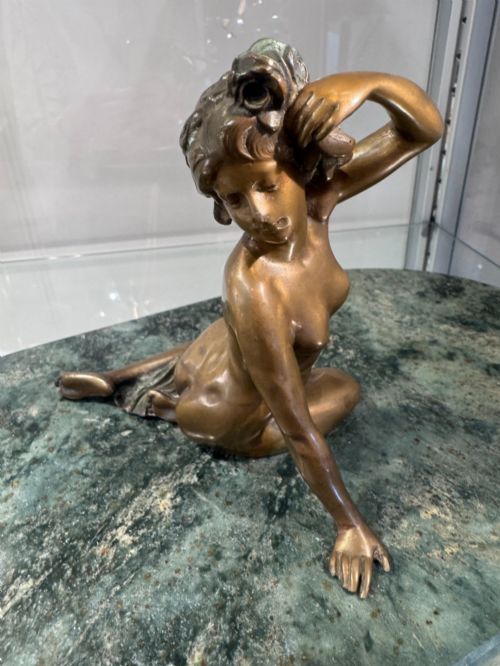
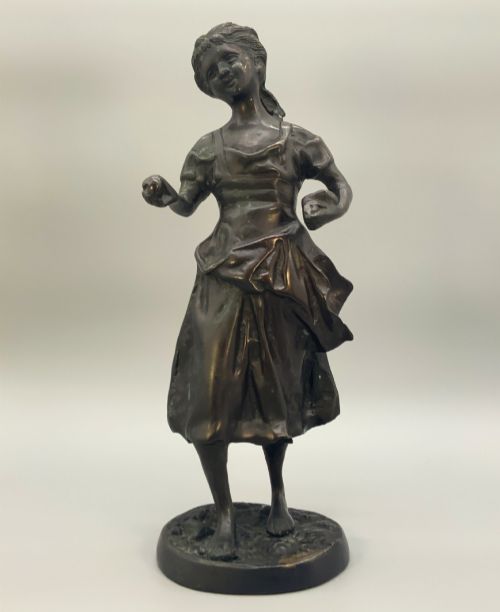
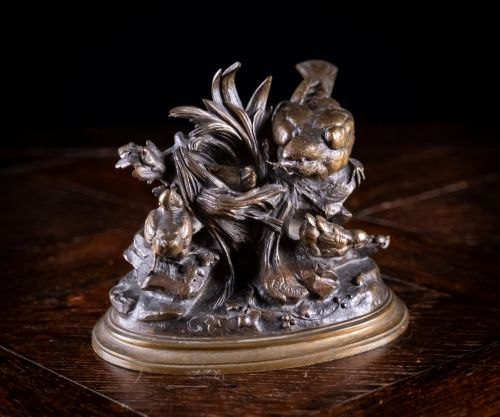
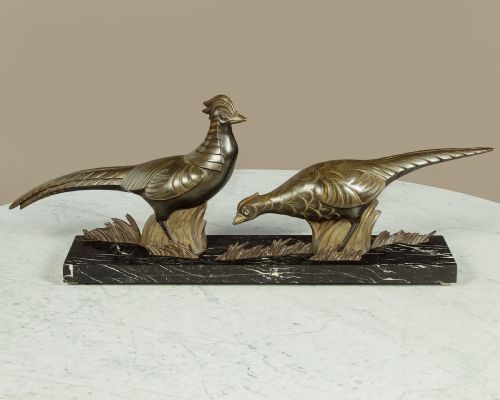
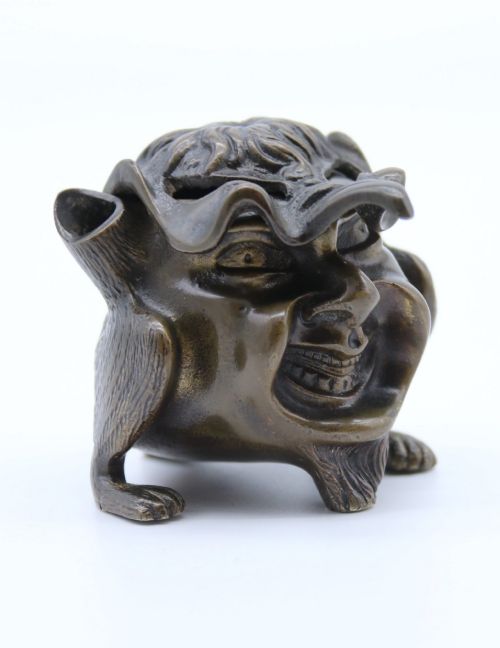
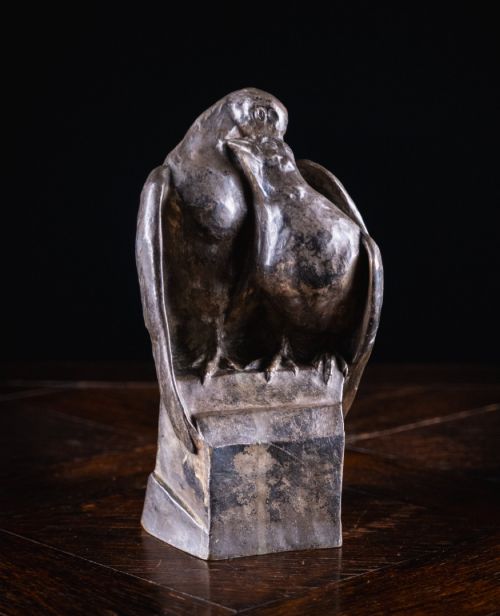
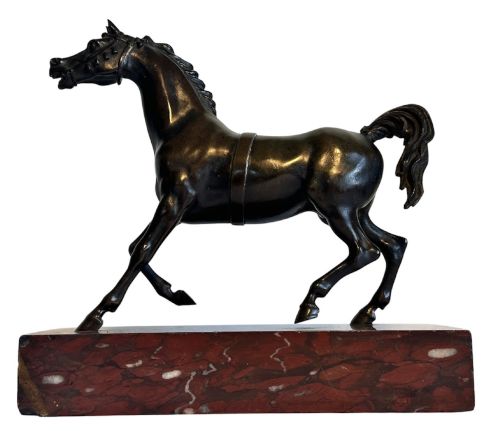
The objects appearing on this page lean heavily towards nineteenth-century animalier groups and human figures, alongside early twentieth-century dancers and birds from the art nouveau and art deco periods. These take forms such as inkwells, tazzas, finials, and standalone statuettes mounted on marble or onyx bases.
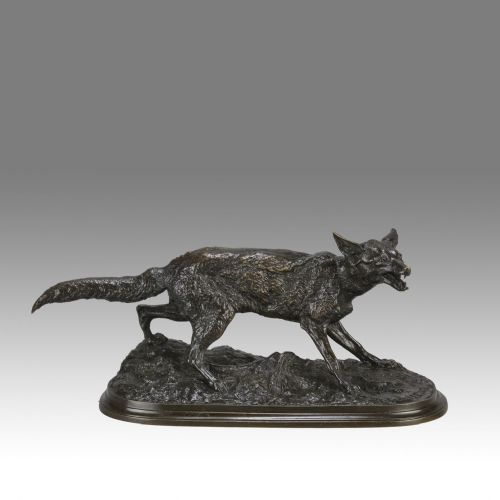
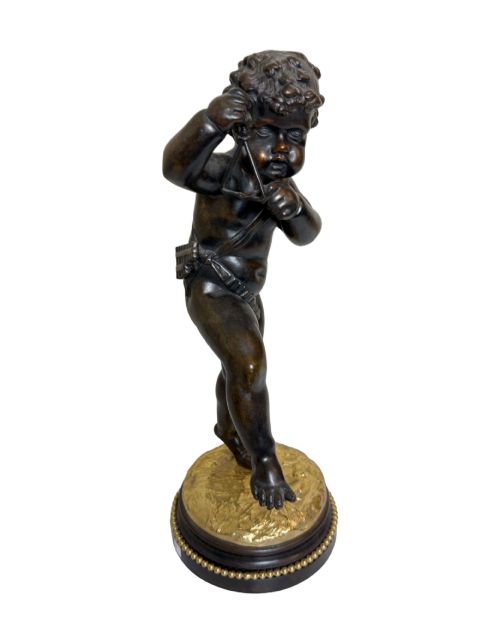
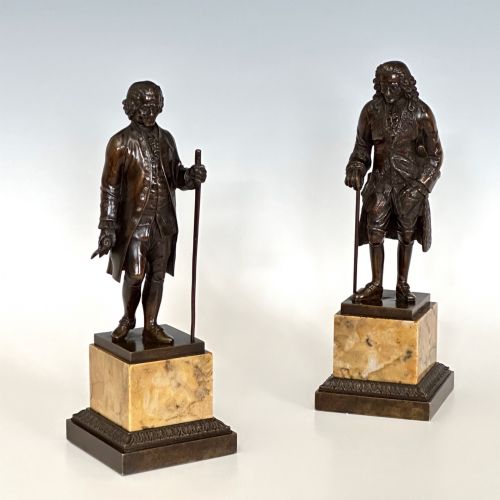
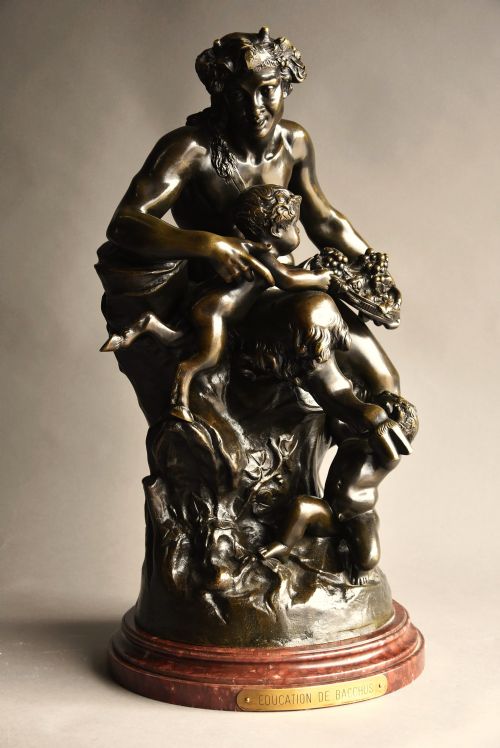
Origins are rooted firmly in French workshops and foundries, capturing historical, mythological, and domestic subjects with varying degrees of scale. Figures of cherubs, literary characters, and victorious soldiers sit alongside realistic studies of stags, dogs, and pheasants.
How they were made
Foundries typically utilised the lost-wax method or sand casting to achieve intricate detail in the metalwork, allowing for sharp rendering of musculature, drapery, and feathers. Once cast, the raw metal underwent extensive chasing and finishing by hand to refine the surface textures.
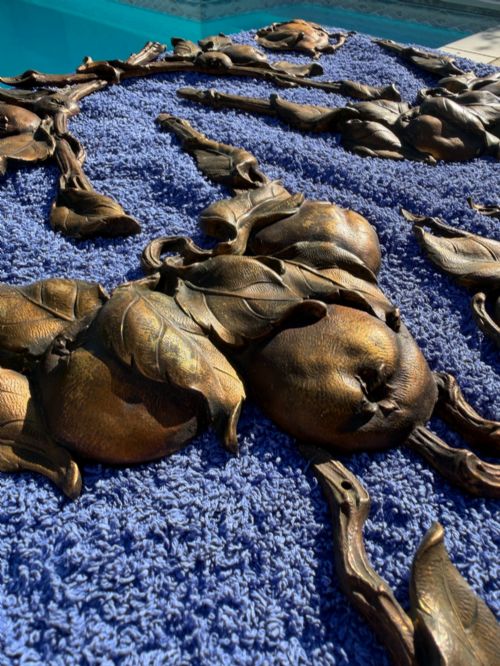
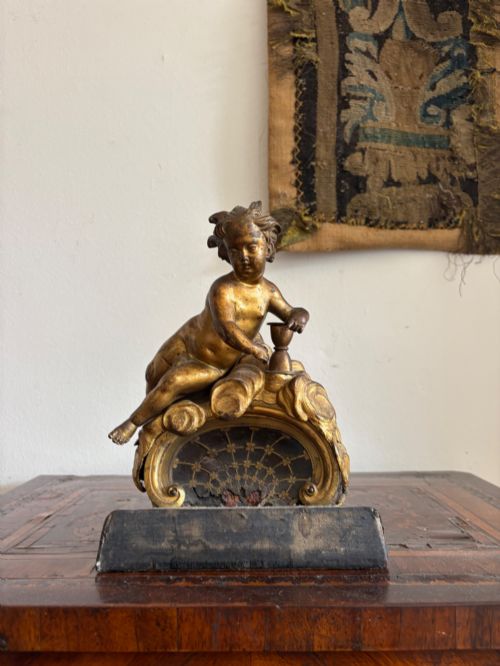
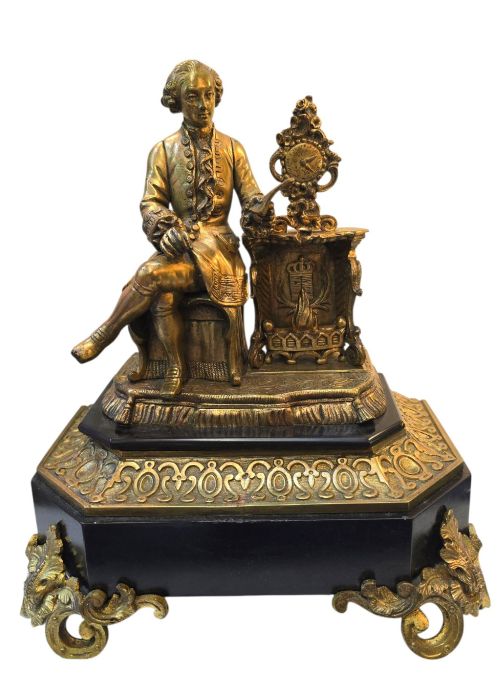
Surfaces were frequently treated with chemical patination to produce rich brown, green, or black tones, while alternative examples received applications of gilt bronze or ormolu to create brilliant golden highlights. Materials such as marble, onyx, and sometimes wood were incorporated as integral bases for stability and aesthetic contrast.
Listings feature works spanning the 19th century through the 1930s, incorporating bronze, gilt bronze, marble, onyx, and spelter.
What varies in quality
Quality rests significantly on the crispness of the initial casting and the subsequent hand-chasing work performed on the metal surface. Superior examples retain sharp facial expressions, distinct feather or fur textures, and clean separation between cast elements without softening.
The integration of secondary materials like marble and onyx bases also differentiates standard production from finer pieces, where stone was selected for colour harmony and cut precisely to fit the bronze foot. Furthermore, the depth, subtlety, and preservation of the original patination or gilding dictate the overall visual success of the piece.
P J Mêne·Émile Louis Picault·Christophe Fratin·Antoine Louis Barye·Emile Carlier
The French Bronze Ornament Glossary
- Ormolu
- A gold-coloured alloy of copper, zinc, and sometimes tin applied to bronze objects to simulate solid gold. This technique was widely utilised in French decorative arts to highlight mountings and ornamental details.
- Animalier
- A nineteenth-century artistic genre focusing on the realistic depiction of animals, particularly horses, dogs, and wild beasts. Sculptors in this tradition studied anatomy closely through observation in menageries.
- Patinated Bronze
- Bronze that has been treated with chemical solutions to alter its surface colour and create a protective layer. Common finishes range from deep chocolate browns to verdigris greens.
- Cassolette
- A decorative vessel shaped like a vase or urn, often featuring a dual-purpose lid that could be reversed to hold perfume or serve as a solid cover. These items frequently combined bronze mounts with coloured stone bodies.
- Finial
- A relatively small ornamental feature placed at the apex of a piece of furniture, clock, or architectural element. In metalwork, these were cast separately and secured as decorative terminations.
French Bronze Ornament: Frequently Asked Questions
What is an animalier bronze?
An animalier bronze is a sculpture specifically focused on the realistic portrayal of animals in naturalistic or dynamic poses. These pieces gained immense popularity during the nineteenth century across France.
Foundries cast these studies to capture the musculature and movement of wildlife and domestic creatures alike, often mounting them on stone bases for display.
How do I care for bronze?
Bronze requires minimal maintenance, relying principally on gentle dusting with a soft, dry cloth to prevent the accumulation of abrasive particles. Avoid using liquid cleaners, polishes, or chemical solvents that can strip or damage the patination.
Keeping the piece in a stable environment away from excessive humidity helps preserve both the metal surface and any attached marble or onyx bases.
What is ormolu?
Ormolu refers to a gilded bronze technique where a mercury-gilding process bonded gold amalgam to a bronze base. This created a durable, brilliant golden finish found on decorative mounts, ewers, and ornamental hardware.
Its use signals high-status French decorative arts, particularly during neoclassical and revival periods.
How are periods identified?
Periods are determined by stylistic cues, foundry marks, subject matter, and the materials used in the construction and mounting. For instance, art deco works feature geometric simplicity and stylized figures from the 1920s and 1930s, whereas nineteenth-century pieces often lean towards classical revival or detailed realism.
Signatures or foundry stamps etched into the bronze provide definitive chronological markers when linked to known historical makers.