
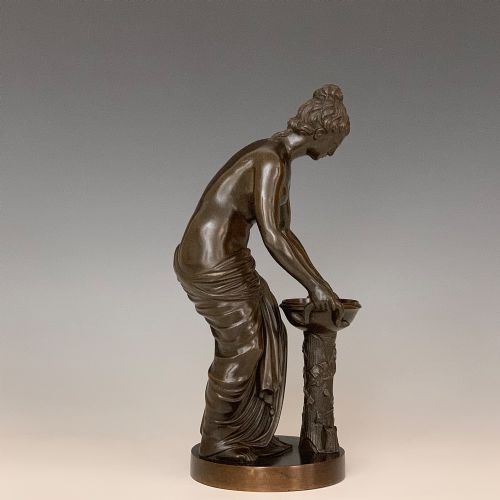


Antique Bronze Maiden
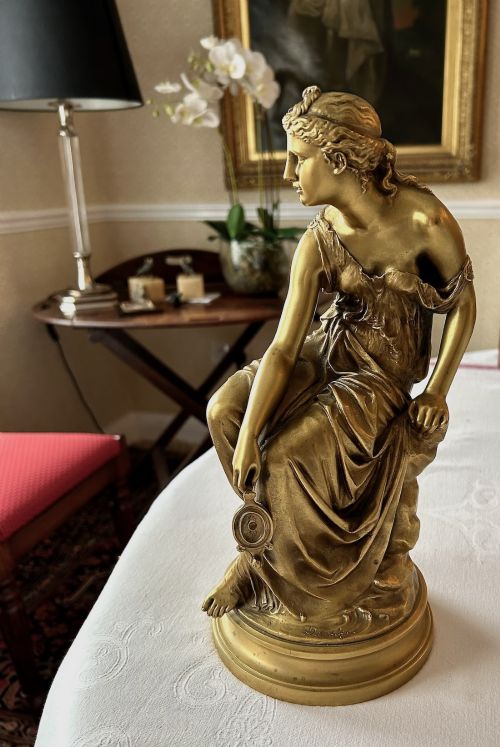
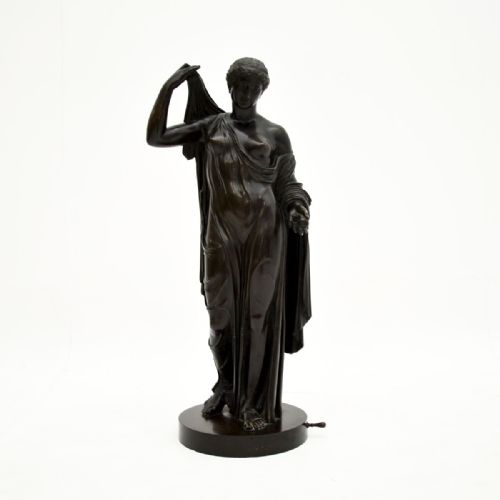
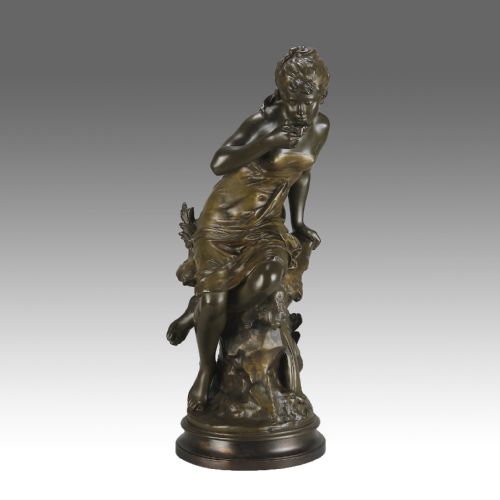
When you collect an antique bronze maiden, you bring home a sculptural study that captures classical grace, mythological heroines or naturalistic female forms.
Antique Bronze Maiden
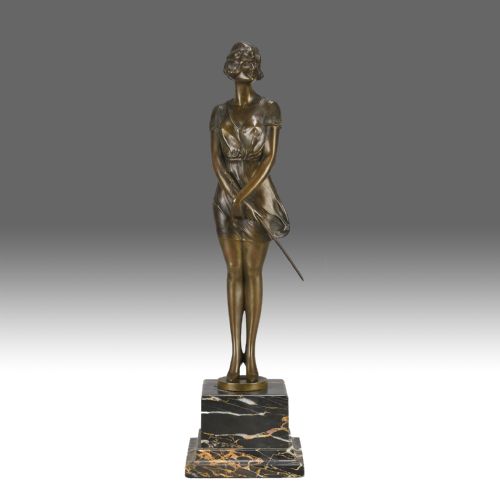
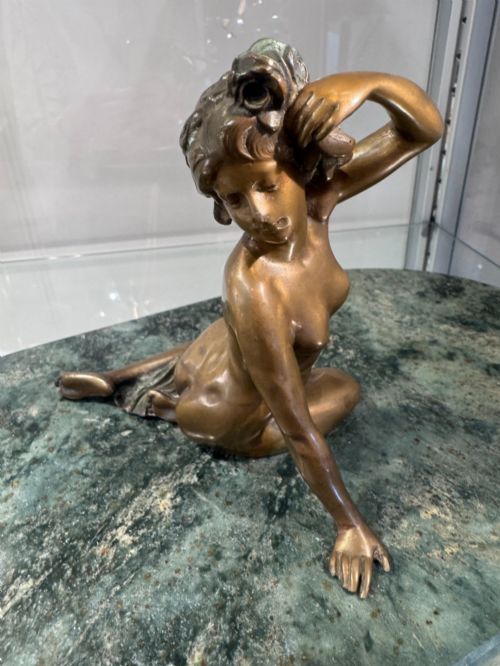
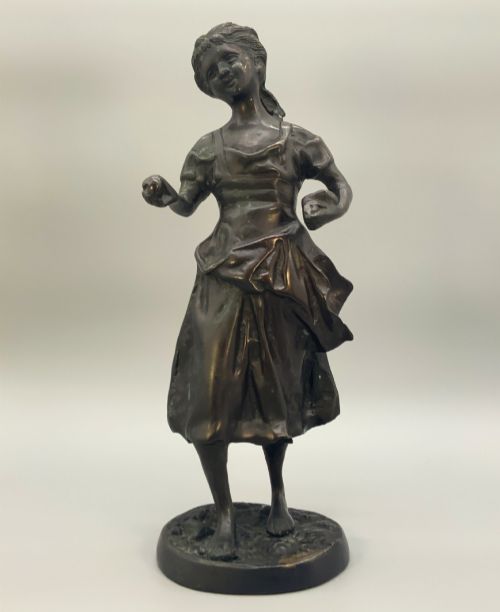
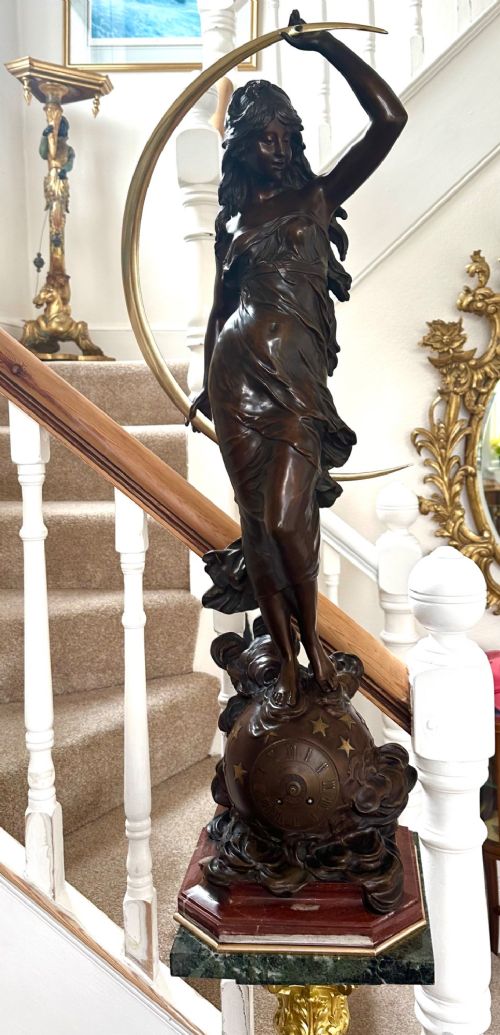
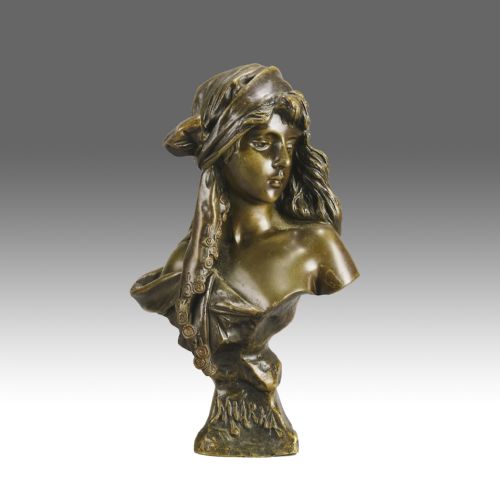
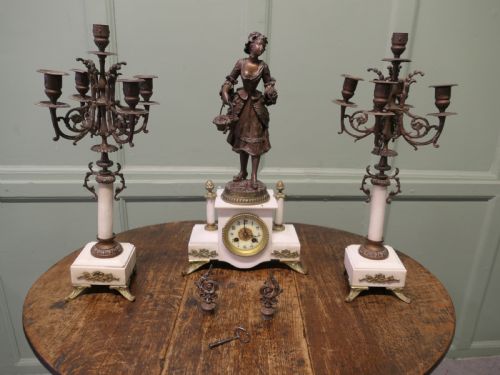
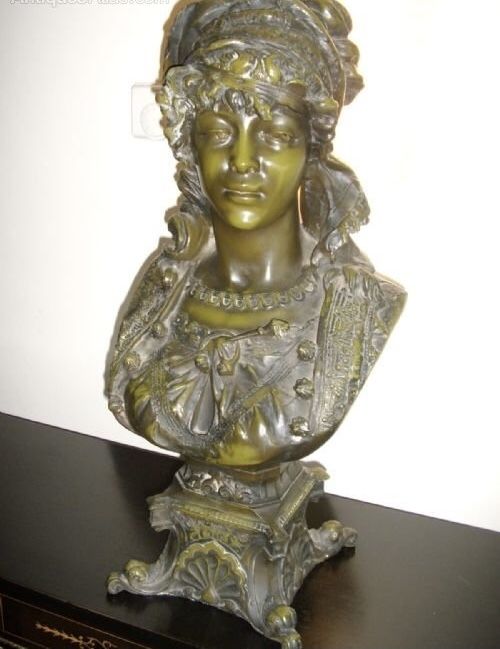
An antique bronze maiden is a figural work depicting a woman, dancer, classical figure or mythological subject cast in metal, terracotta, or related sculptural media. These pieces appear as standalone sculptures, cabinet bronzes, clock garnitures, candlesticks, table lamps and decorative busts.
The versions most common on this page date from the nineteenth and early twentieth centuries, reflecting Neoclassical, Art Nouveau and Art Deco aesthetics. French founders and named sculptors produced many of these works, ranging from small cabinet figures to large statues.
Materials and casting methods
Sculptors utilised bronze, gilt bronze, patinated bronze, and brass, often mounting figures on marble bases or combining them with materials like ivory in chryselephantine works. Alternative mediums in the evidence include terracotta, bronzed plaster, earthenware, and wood.
Foundries employed traditional casting techniques to capture intricate details in drapery, hair, and facial expressions, applying patination or gilding to finish the surfaces of the figures.
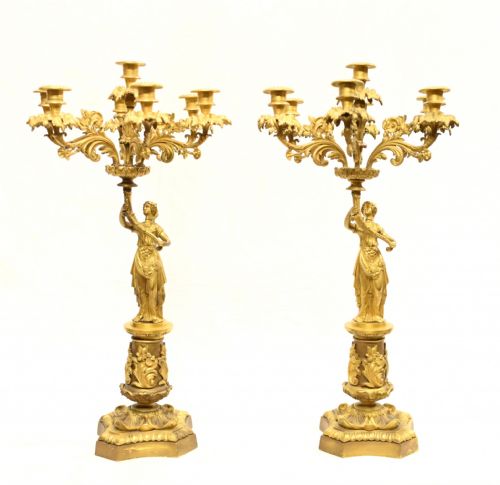
The selection includes functional objects such as mantel clocks, candelabras, table lamps, and vases alongside pure sculptures and busts.
Distinctions in craftsmanship
The integration of secondary materials, such as fitted marble plinths, high-grade ormolu mounts, and signed foundry markers, elevates the standing of a piece within its period.
Etienne-Henri Dumaige·Bruno Zach·Moreau Family·Mathurin Moreau·Emmanuel Villanis·Henry Wissen Senior·C J R Colinet·Zoldan Kovats·Hans Müller·Charles Korschann·S Kinsburger·Clodion·Claudius Marioton·Ferdinand Preiss·Georges Van Der Straeten·Maurice Bouval·Houdebine·C Neuhaus·Henri Fuere·Albert Ernst Carrier
The Antique Bronze Maiden Glossary
- Patinated bronze
- Bronze treated with chemical solutions to produce a specific surface colour, ranging from deep brown to green. This finish protects the metal and highlights sculptural contours.
- Gilt bronze
- Bronze coated with a thin layer of gold or gold amalgam, also known as ormolu when used in decorative arts. It provides a bright, reflective surface finish.
- Chryselephantine
- A term describing statues made of a combination of bronze and ivory, particularly popular in Art Deco figures. The technique allows for contrasting textures between robes and flesh.
- Garniture set
- A decorative matching set consisting of a clock flanked by matching objects such as candelabras or vases. These sets often incorporate figural maiden bronzes into their design.
- Grand Tour
- Pieces acquired by nineteenth-century travellers visiting cultural sites in Europe, often including miniature bronze sculptures of classical figures. These serve as portable mementos of antiquity.
Antique Bronze Maiden: Frequently Asked Questions
What periods do these bronzes cover?
The pieces span the nineteenth and early twentieth centuries, encompassing Victorian, Art Nouveau, and Art Deco movements. Dates in the evidence stretch from the early 1800s through the 1930s.
Stylistic shifts during these decades moved from strict classical and Neoclassical revivals to flowing organic lines and geometric modernist designs.
How were figural bronzes used originally?
Figures functioned as standalone decorative sculptures, interior table lamps, mantel clock garnitures, and candelabras. Many served as artistic centrepieces in domestic interiors and libraries.
Smaller works were also produced as cabinet bronzes or Grand Tour souvenirs for collectors.
How do I distinguish Art Nouveau from Art Deco pieces?
Art Nouveau figures, popular around 1900, feature asymmetrical lines, flowing hair, and botanical motifs inspired by nature. Artists like Emmanuel Villanis and Mathurin Moreau worked within this aesthetic.
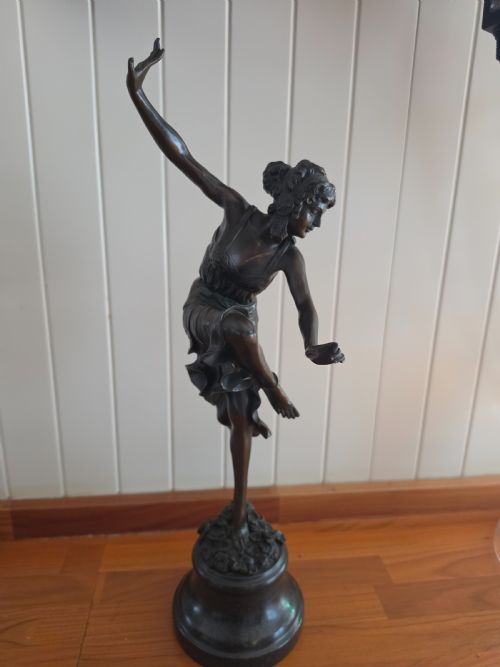
Art Deco works from the 1920s and 1930s favour stylised geometry, sharp lines, and dynamic poses, often seen in dancers by sculptors such as Bruno Zach and Ferdinand Preiss.
What materials accompany the bronze?
Marble forms a frequent base material for mounting figures securely. Other associated materials include gilt bronze, brass, terracotta, earthenware, and carved ivory in chryselephantine sculptures.
Some pieces utilise wood or painted finishes on plaster bases to emulate heavier metal castings.
Are all maiden sculptures signed?
Many pieces bear signatures or foundry marks inscribed directly into the bronze base or body. Signatures link works to prominent sculptors of the nineteenth and twentieth centuries.
Unsigned pieces also appear, reflecting standard foundry production or works after established models without direct artist signatures.