




French Academic Bronze Figure
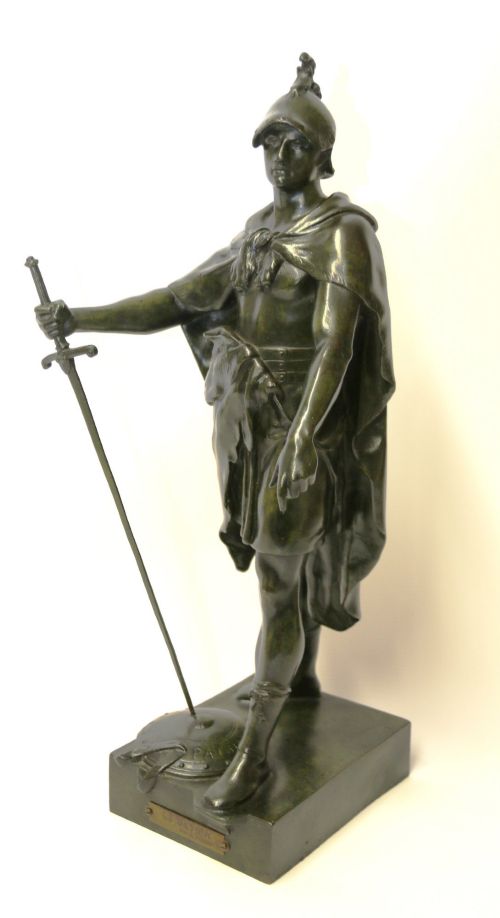
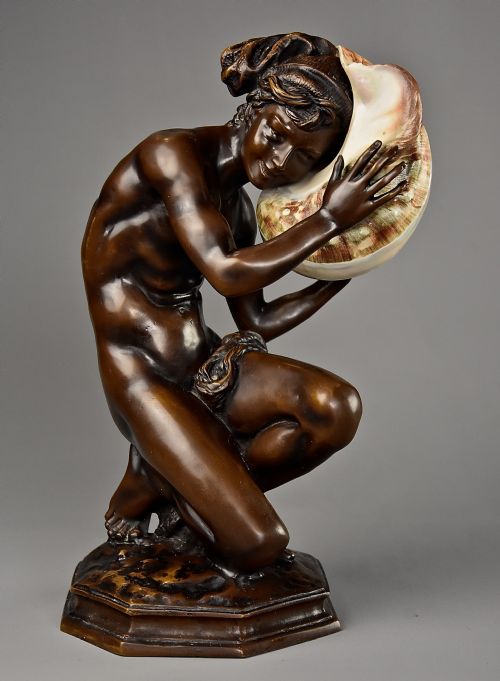
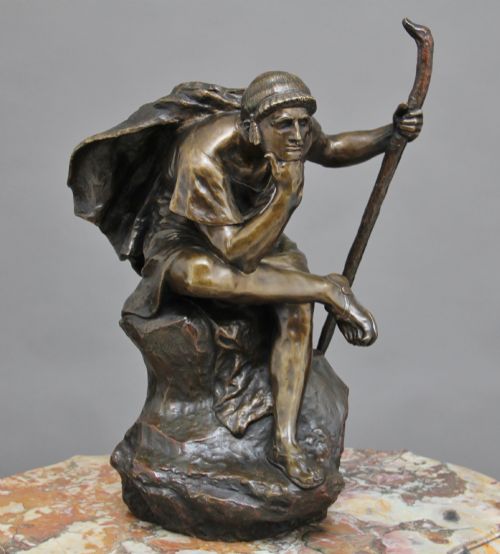
A french academic bronze figure brings mythological heroes and classical subjects into interior spaces with remarkable weight and physical precision.
French Academic Bronze Figure
A french academic bronze figure represents the rigorous training of nineteenth-century European ateliers, capturing subjects from classical mythology, history and literature. Collectors encounter these works cast as standalone sculptures, tabletop studies and occasional fitted lamp bases.
The dominant forms span the nineteenth century, including Victorian examples and pieces stretching into the early twentieth century. Makers rendered subjects ranging from victorious soldiers and musicians to classical maidens and historical figures.
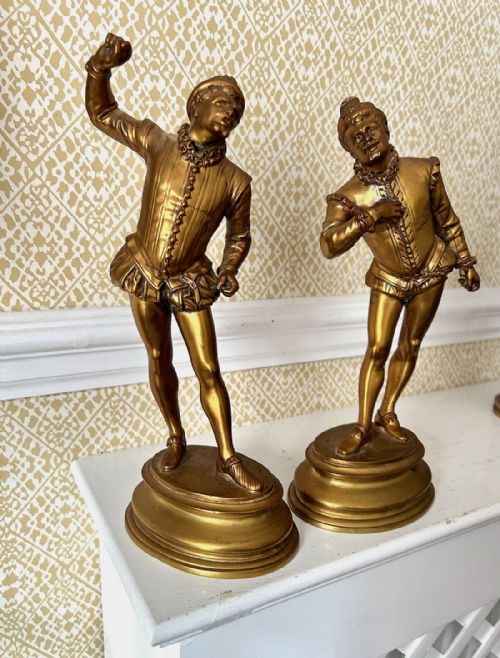
Neoclassical and French academic styles prevail among these pieces, demonstrating precise anatomical study and theatrical narrative poses. Sculptures appear in patinated bronze, gilt bronze, and occasionally paired with marble bases.
Materials and Casting Techniques
Foundries utilised traditional lost-wax casting methods or sand casting to achieve intricate detail in bronze, capturing hair, drapery and muscle structure with fidelity. Metal workers applied chemical patination to produce varied dark and warm finishes on the surface.
Gilt bronze surfaces received layers of applied gold, while other variants combined patinated bronze with red marble or frosted glass elements. Founders often signed or stamped the resulting sculptures with the artist's name and foundry marks.
Materials recorded on this page include bronze, patinated bronze, gilt bronze, marble, red marble, and frosted glass.
Distinguishing Quality in Castings
Superior examples demonstrate meticulous chasing and cold-working of the bronze after casting, where artisans sharpened details that the mould left soft. Casts pulled from worn production moulds lose crispness in facial expressions and ornamentation.
Foundry reputation and the depth of the patination layer govern the visual resonance of the piece. Heavier castings with integrated marble components indicate a higher tier of nineteenth-century production.
Émile Louis Picault·Jean-Baptiste Carpeaux·Julien Lorieux·A. Mercié·Emile-Coriolan Guillemin·Charles Anfrie·Edouard Drouot·S. Kinsburger·Rousseau·Jean Jules Salmson·Claudius Marioton·Auguste Moreau·Charles Arthur Bourgeois·Barbedienne·Raoul Francois Larche·Houdebine·Ernest-Eugène Hiolle·Devaulx·Albert Carrier-Belleuse·Emile Laporte·E. Laurent·Math. Moreau·Adrien Gaudez·Marcel Debut·Eutrope Bouret
The French Academic Bronze Figure Glossary
- Patination
- The treatment of the bronze surface using chemicals and heat to produce colour variations and protect the metal. This process creates the characteristic dark or warm tones seen on nineteenth-century casts.
- Lost-wax casting
- A method where a wax model is rendered in refractory material, melted out, and replaced with molten bronze. This technique allows for complex undercuts and fine surface textures.
- Foundry mark
- A stamp or signature applied by the casting workshop to identify where and often when the bronze was produced. Major foundries maintained rigorous standards for metal composition.
- Chasing
- The process of refining the cast bronze surface by hand using hammers and punches to clear away residue and sharpen details. Skilled chasing separates high-grade sculptures from commercial production runs.
- Neoclassical
- An artistic style drawing inspiration from the art and culture of classical antiquity. Figures in this tradition emphasise restrained emotion, balance and heroic proportions.
French Academic Bronze Figure: Frequently Asked Questions
How do I clean a bronze figure?
Dust the surface regularly with a soft, dry brush to prevent particulate accumulation in crevices. Avoid water, harsh chemical solvents, or abrasive cloths that can strip the chemical patination.
Apply a very thin coat of microcrystalline wax periodically if the metal requires protection against humidity. Buff the wax gently with a clean cloth to maintain a stable, satin finish.
What subjects do these sculptures depict?
Sculptors drew heavily from classical mythology, ancient history, and theatrical literature to create narrative figure studies. Common representations include soldiers, musicians, mythological heroes, and allegorical figures.
Artists aimed to capture moments of intense action or quiet meditation, reflecting nineteenth-century academic training standards. These subjects allowed sculptors to demonstrate mastery over human anatomy and dynamic drapery.
Are these pieces signed by the artist?
Many nineteenth-century bronzes bear cast signatures or incised initials of the sculptor directly on the base or integral plinth. Foundries occasionally added their own stamps or cachets alongside the artist signature.
Unsigned casts still reflect the period style and foundry techniques, though signed examples carry documented attribution to known European ateliers. Verification relies on comparing signatures against recorded foundry ledgers and known exemplars.
Where should I display a bronze?
Place sculptures on stable, level surfaces such as sturdy sideboards, pedestals, or dedicated display tables capable of supporting the heavy weight of metal and marble. Ensure the location avoids direct, prolonged sunlight and excessive moisture fluctuations that could affect underlying materials.
Position pieces away from high-traffic household areas where accidental impacts might occur. Adequate clearance allows proper viewing of the multi-angular composition and fine chased details.