

Antique Classical Bronze Statue
An antique classical bronze statue brings the enduring grace of antiquity into a room.
What an antique classical bronze statue is
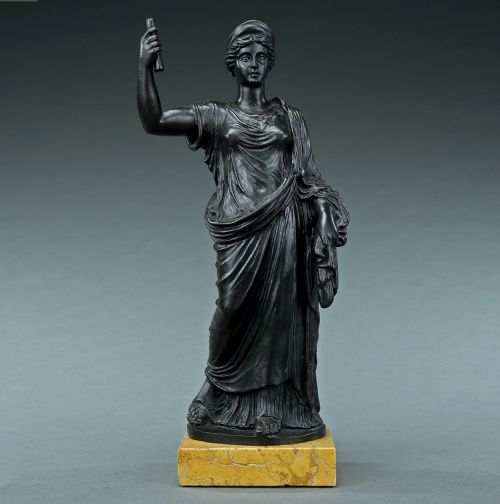
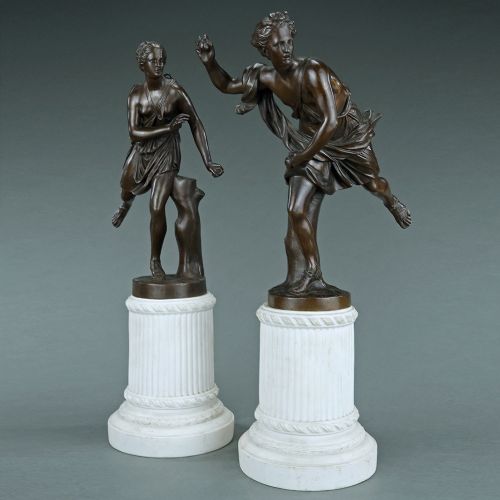
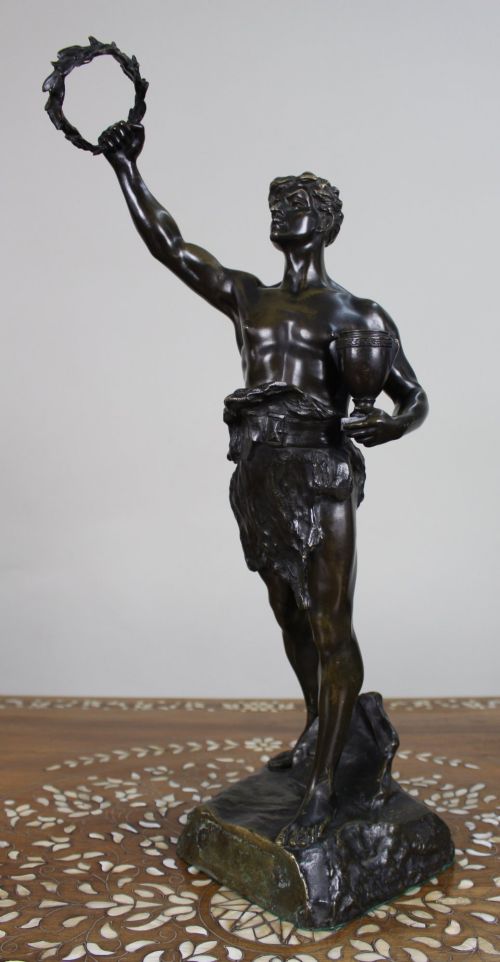
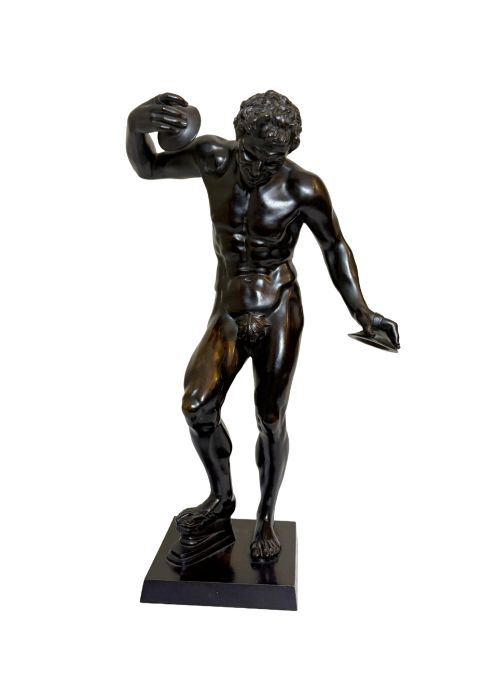
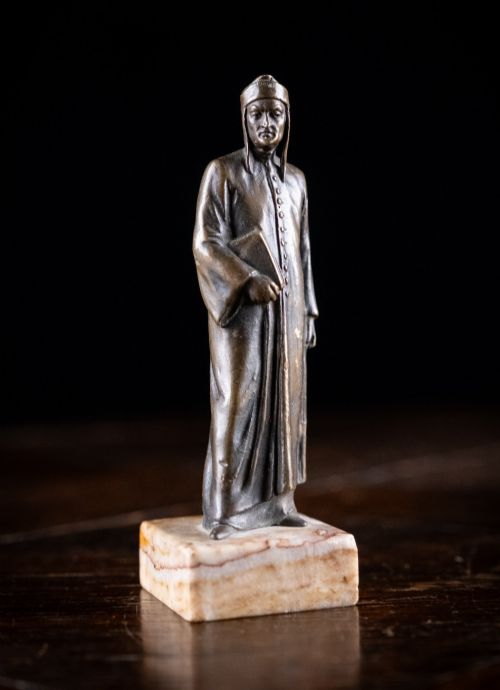
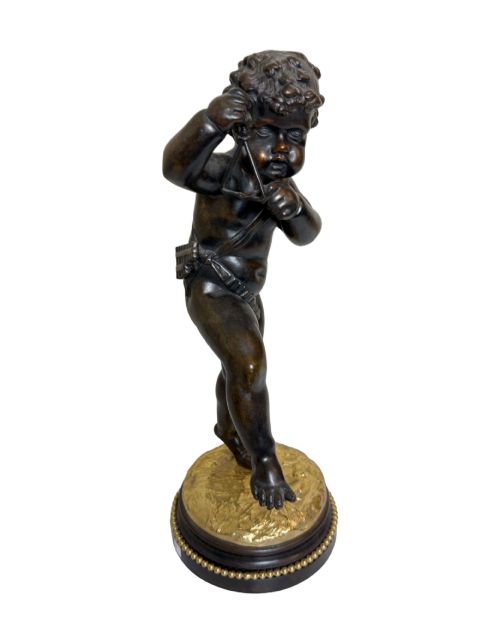
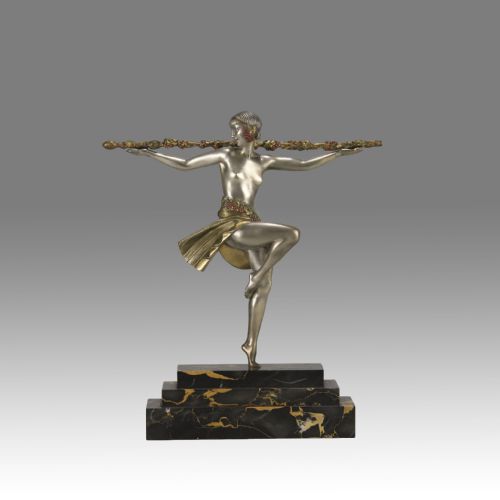
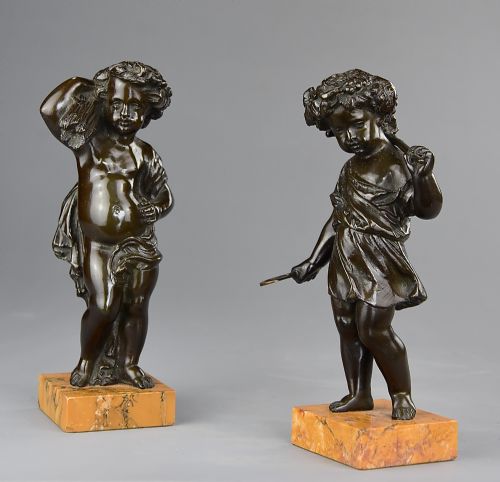
An antique classical bronze statue embodies the lasting influence of ancient sculptural traditions, reimagined during the nineteenth century. These works frequently draw upon mythological and historical figures, capturing subjects like dancers, bathers, and classical youths.
Buyers encountering this selection will predominantly find nineteenth-century pieces, including Grand Tour souvenirs and works produced by French foundries. These figures often combine cast bronze with integrated pedestals or bases made from marble.
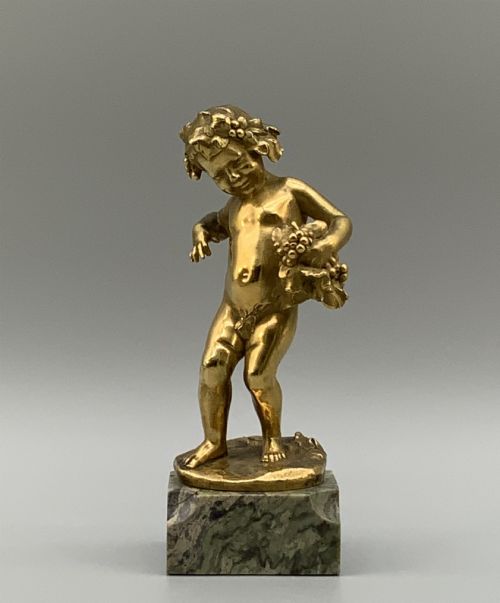
The forms range from intimate cabinet figures to larger sculptural groups mounted on elaborate bases. Each piece reflects the nineteenth-century fascination with classical antiquity, adapting ancient forms for contemporary interiors.
Materials and construction
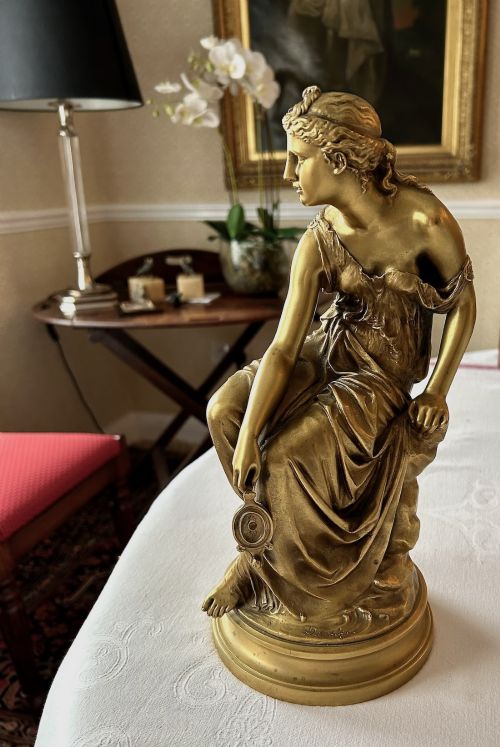
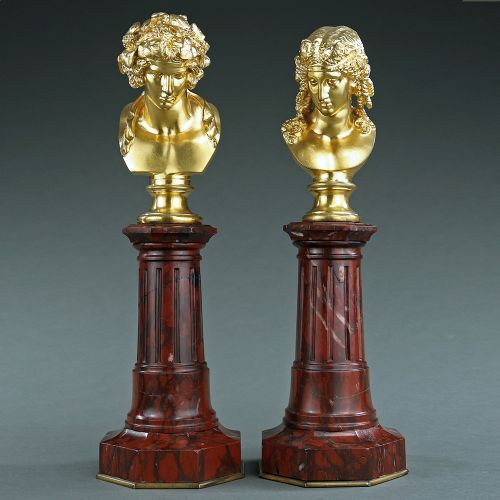
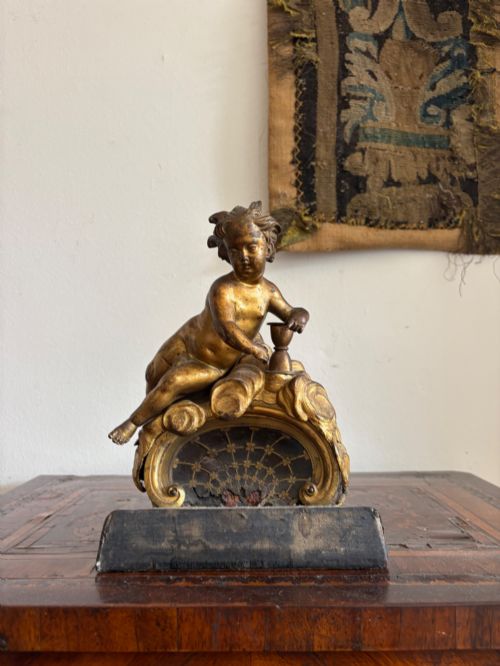
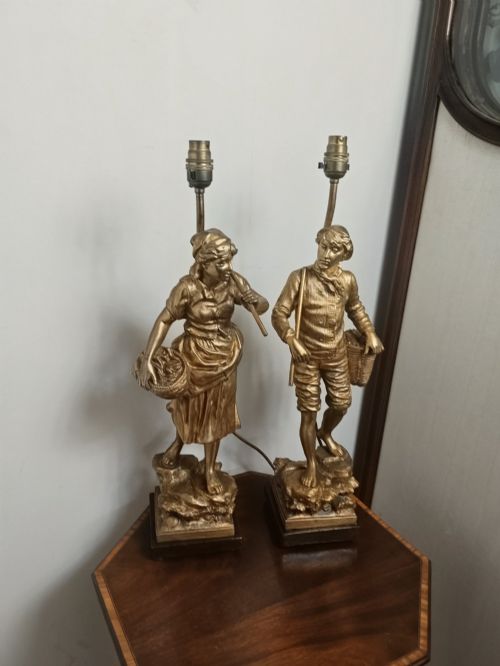
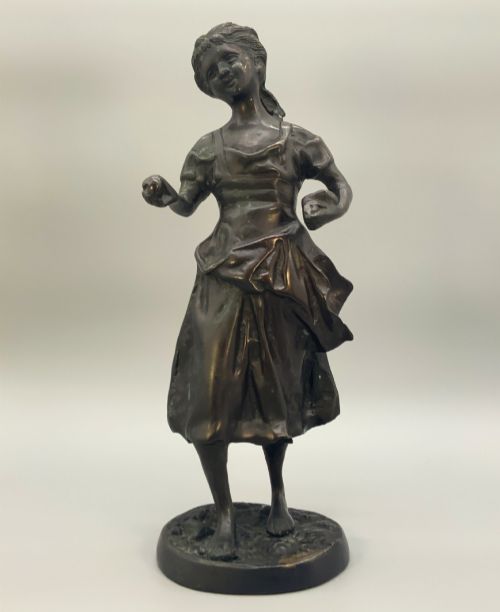
These works are produced in cast bronze, often enhanced with patination to create subtle tonal variations across the metal surface. Some examples incorporate parcel-gilt details or ormolu mounts to highlight specific decorative elements.
Many figures are paired with distinct bases, utilising materials such as rouge marble or black marble to anchor the composition. The combination of patinated bronze and polished stone creates a characteristic visual contrast seen across these nineteenth-century pieces.
Retail Price Guide 2026
Typical UK retail prices for classical bronze statue, calculated from the Sellingantiques database of over a million retail prices indexed since 2003. This retail price guide relies exclusively on Sellingantiques data; no external sources or auction records are used, so the figures do not describe the wider market.
Materials documented across these sculptures include bronze, patinated bronze, marble, rouge marble, black marble, and ormolu.
Judging quality
The quality of the patination and the integration of the bronze with its marble pedestal further distinguish superior examples. A thoughtfully applied patina deepens the visual texture of the metal, while a well-fitted marble base demonstrates the maker's attention to overall harmony.
Barbedienne·Auguste Moreau·Jean Jacques Pradier
The Antique Classical Bronze Statue Glossary
- Grand Tour
- A traditional travel itinerary undertaken by nineteenth-century Europeans to study classical art and architecture. Sculptures purchased as souvenirs from this period often replicate famous ancient antiquities.
- Patinated Bronze
- Bronze that has been treated with chemical solutions to produce a controlled surface colour or tone. This technique enhances depth and replicates the appearance of aged metal.
- Ormolu
- Gilded bronze ornamentation applied to furniture or sculptural bases. The process involves treating the metal with a mixture of finely powdered gold.
- Parcel-Gilt
- A decorative treatment where only specific portions of an object are gilded with gold leaf or powder. This highlights particular details against a darker bronze background.
- Neoclassical
- A cultural movement spanning the eighteenth and nineteenth centuries that revived the styles and motifs of classical antiquity. It influences the proportion, subject matter, and dignity of these sculptures.
Frequently Asked Questions
What is a Grand Tour bronze?
A Grand Tour bronze is a nineteenth-century reduction or replica of a celebrated classical sculpture, acquired by travellers visiting Italy.
These pieces served as portable education and sophisticated interior decoration for collectors returning home.
How should I clean a bronze statue?
Dust the surface gently with a soft, dry cloth to prevent the accumulation of grit.
Avoid using water, chemical polishes, or abrasive cleaners, as these can strip the original patina.
Why are marble bases used?
Marble bases provide structural stability and visual weight to the composition of the bronze figure.
Different types of marble, such as rouge or black varieties, were selected to complement the tone of the patinated metal.
How do I identify nineteenth-century bronzes?
Examine the casting quality, the type of patination, and any foundry marks or signatures inscribed on the base.
Nineteenth-century pieces frequently display technical refinements and material pairings characteristic of European foundries from that era.