
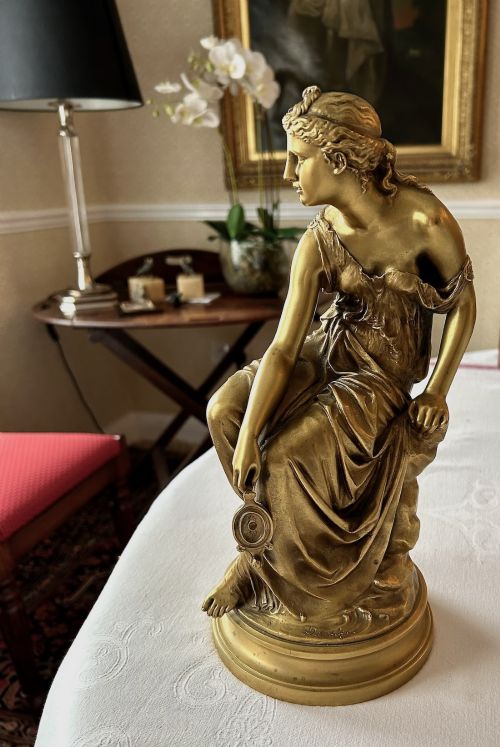
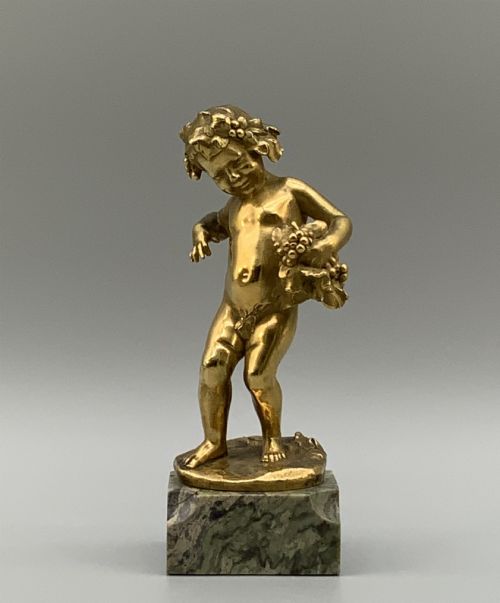
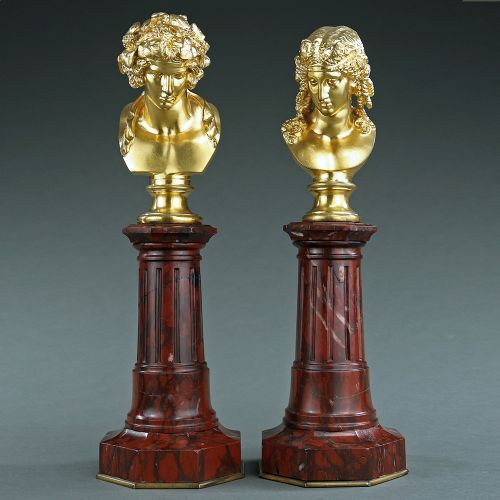
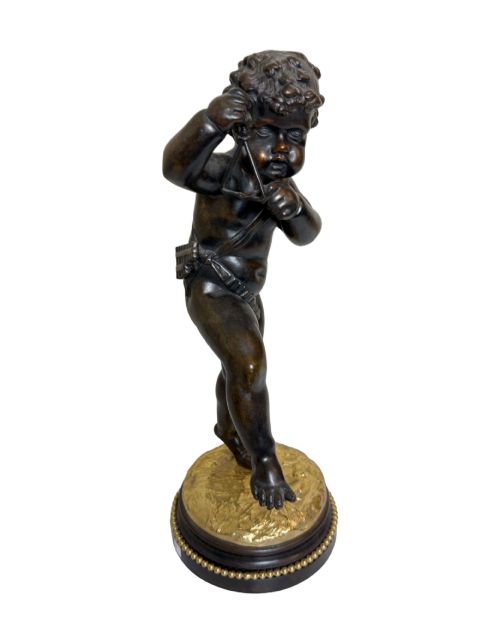
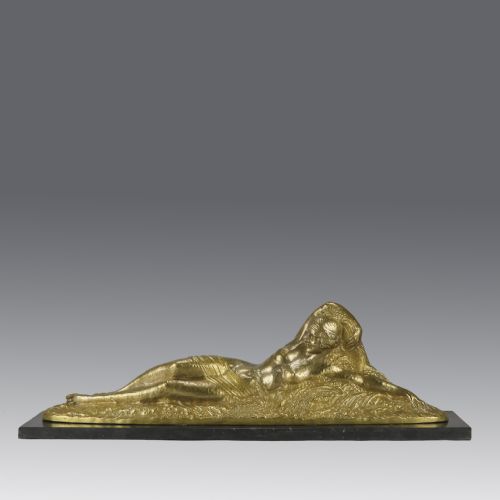


Gilt Bronze Figurine
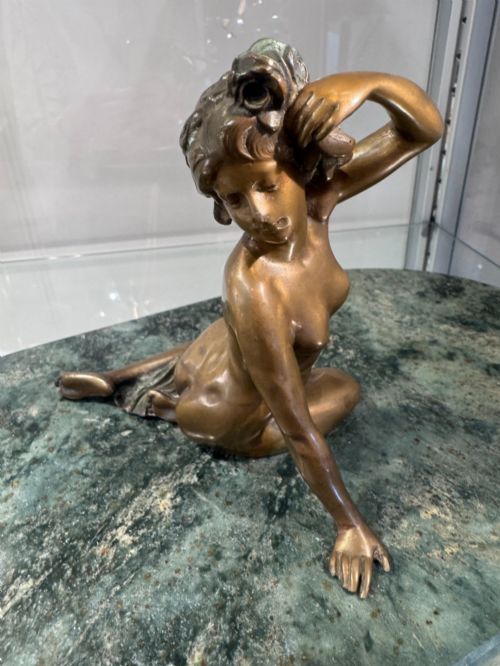
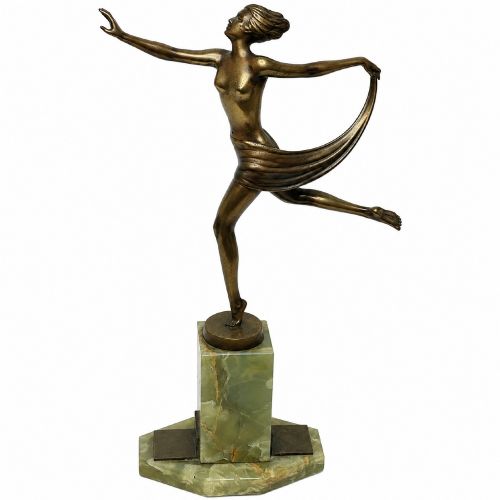
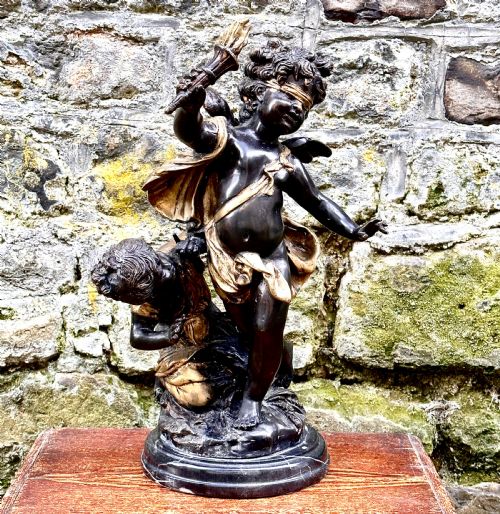
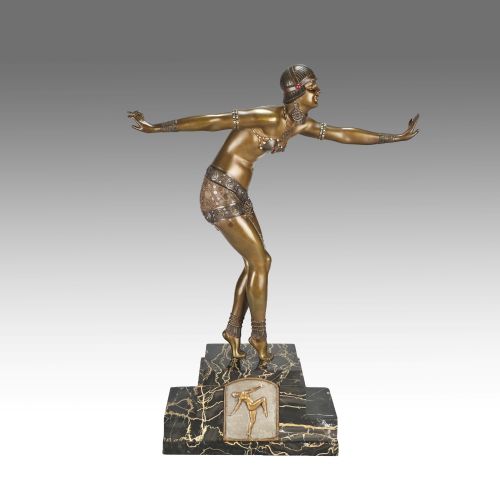
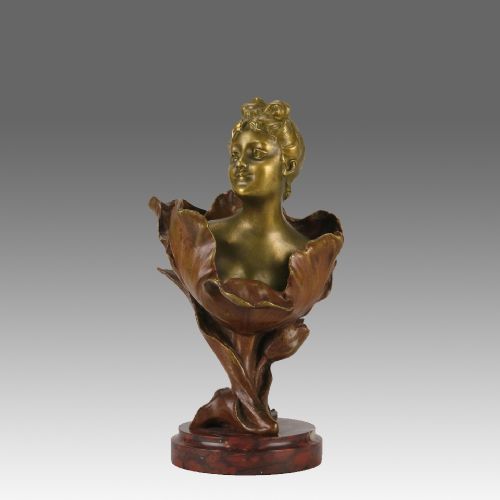
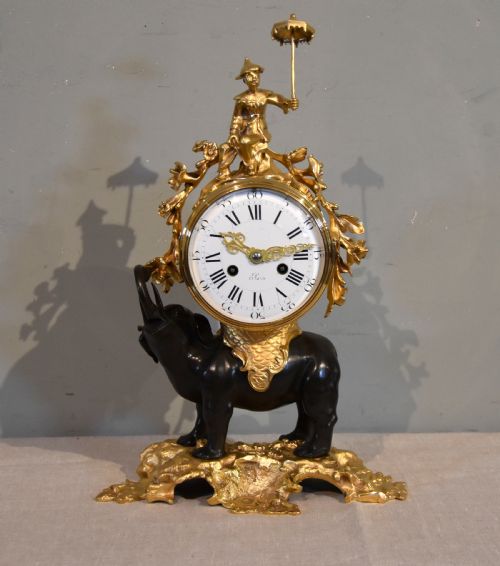
A gilt bronze figurine brings tactile weight and golden warmth to a mantelpiece, capturing mythological subjects, dancers and animals through intricate metalwork.
Gilt Bronze Figurine
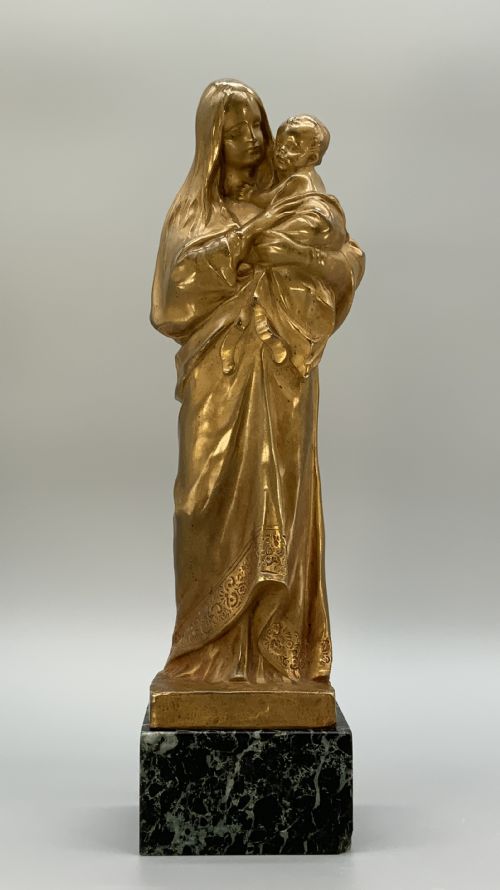
A gilt bronze figurine represents a compact sculptural object cast in metal and finished with gold, appearing across nineteenth-century French ateliers and twentieth-century modernist studios.
The buyer encounters classical maidens, animalier studies of lions and birds, and Art Deco dancers mounted on marble or onyx bases.
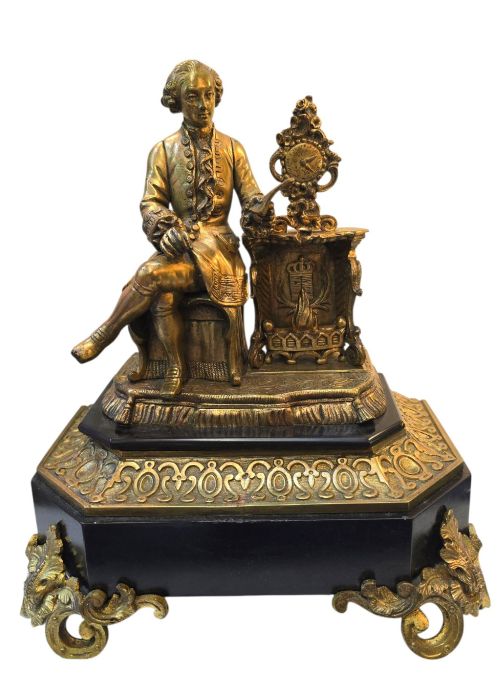
Objects range from standalone statuettes to functional items like mantel clocks, inkwells and table lamps incorporating bronze figures.
Materials and Casting
Casting utilised bronze or related metal alloys shaped by skilled founders, frequently enhanced through fire gilding or ormolu application to impart a bright golden surface.
Sculptors combined the metal bodies with contrasting materials such as carved marble, onyx plinths, enamel details, coromandel-wood and occasionally ivory for chryselephantine effects.
Cold-painted pigments added colour directly to the metallic surfaces in specific Austrian and American workshop productions.
Gilt Bronze Figurine Retail Price Guide 2026
Typical asking prices for gilt bronze figurine among the pieces listed under this phrase on Sellingantiques today, from the lower quarter to the upper quarter. They describe what is for sale here now, not the wider market.
Listings feature works spanning the sixteenth century to the 1930s, encompassing bronze, marble, onyx, enamel and wood.
Artistic Execution
The refinement of the chasing work after casting dictates the sharpness of facial expressions, drapery folds and feather textures on the metal surface.
The integration of the figure with its stone base and the crispness of the original gilding separate standard commercial editions from master-modelled studio pieces.
Etienne-Henri Dumaige·Susse Frères·Josef Lorenzl·Hans Müller·Demetre Chiparus·Henri Godet·Franz Bergman·Emile-Coriolan Guillemin·Antoine Louis Barye·Paul Philippe·Paul-Édouard Delabrièrre·Ernst Barrias·Christophe Fratin·Jennings Brothers
The Gilt Bronze Figurine Glossary
- Gilt Bronze
- Metal alloy coated with a layer of gold. This finish provides a bright, lasting metallic sheen.
- Ormolu
- Finely ground gold applied in a mercury amalgam to bronze. The technique creates a rich yellow lustre characteristic of French decorative arts.
- Animalier
- Nineteenth-century sculptural style focused on realistic animal subjects. Artists observed wild and domestic creatures with anatomical precision.
- Chryselephantine
- Sculpture combining bronze and ivory elements. The method gained popularity during the Art Deco period for figures and dancers.
- Cold-Painted
- Paint applied to unheated bronze metal. This technique yields matte polychrome details on small decorative objects.
Gilt Bronze Figurine: Frequently Asked Questions
What is a gilt bronze figurine?
A cast metal statuette finished with a layer of gold or gold-coloured amalgam. These pieces depict human figures, animals and allegorical subjects.
Found primarily in nineteenth and early twentieth-century European workshops, they function purely as decorative art or form parts of clocks and lamps.
How do I clean gilt bronze?
Dust gently using a soft, dry artist brush to remove particles from crevices. Avoid abrasive polishes that strip the thin gold layer.
Water and chemical solvents damage historic gilding surfaces, so dry maintenance remains the safest approach for antique metalwork.
Are these figures solid bronze?
Most antique figurines are cast as hollow bronze pieces using the lost-wax or sand-casting method. Solid casts add excessive weight and material cost.
Founders balanced structural stability with metal thickness while preserving fine surface detail during the casting process.
How do I date a figurine?
Examine the artistic style, such as Neoclassical drapery, Art Nouveau whiplash lines or Art Deco geometric forms. Base materials also offer clues.
Foundry marks, artist signatures and the type of stone plinth help narrow down the decade of production alongside historical records.