
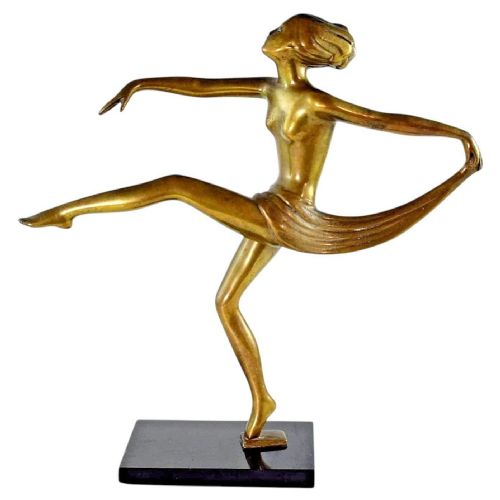
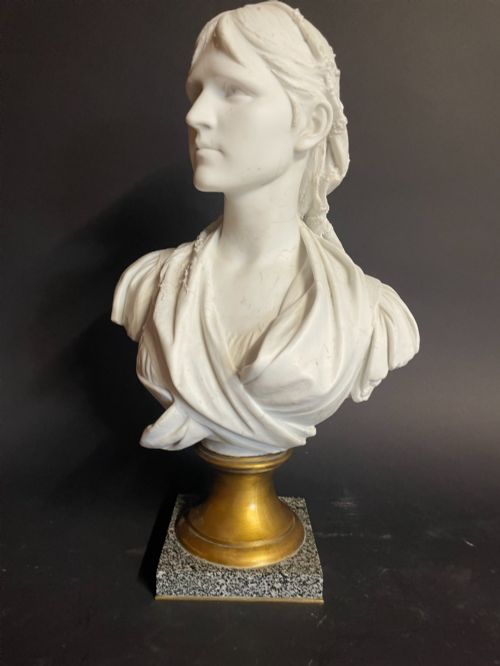
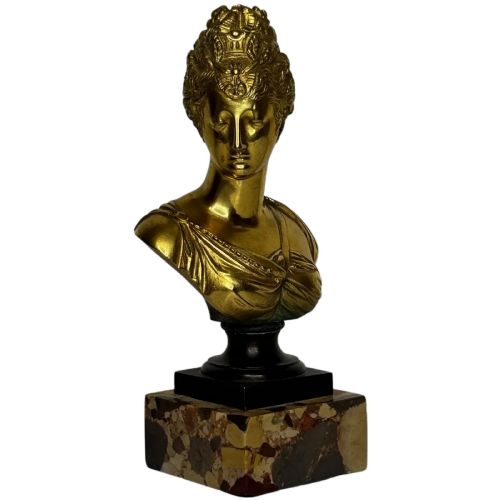
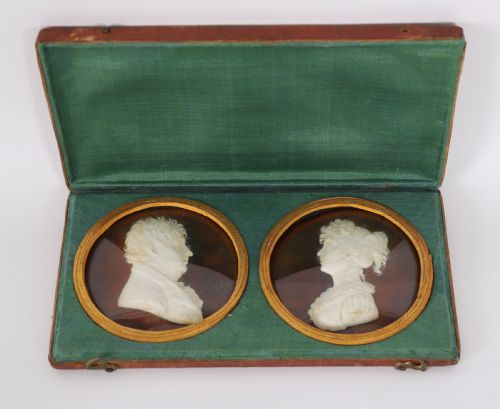
Antique Brass Sculpture
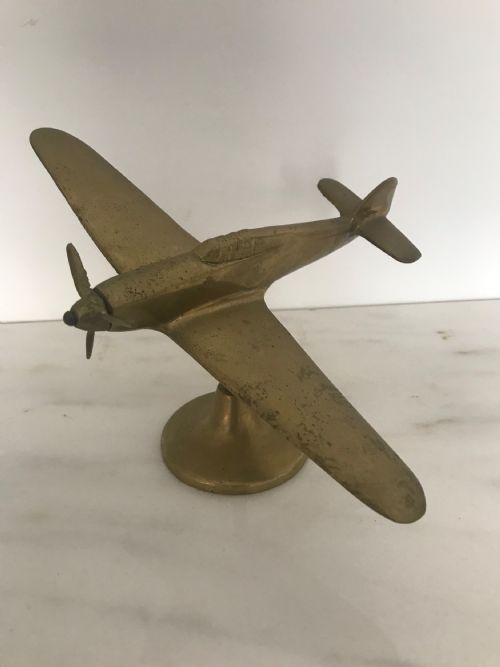
These heavy metal figures and decorative objects bring three-dimensional form and rich golden alloy surfaces into a room.
Antique Brass Sculpture
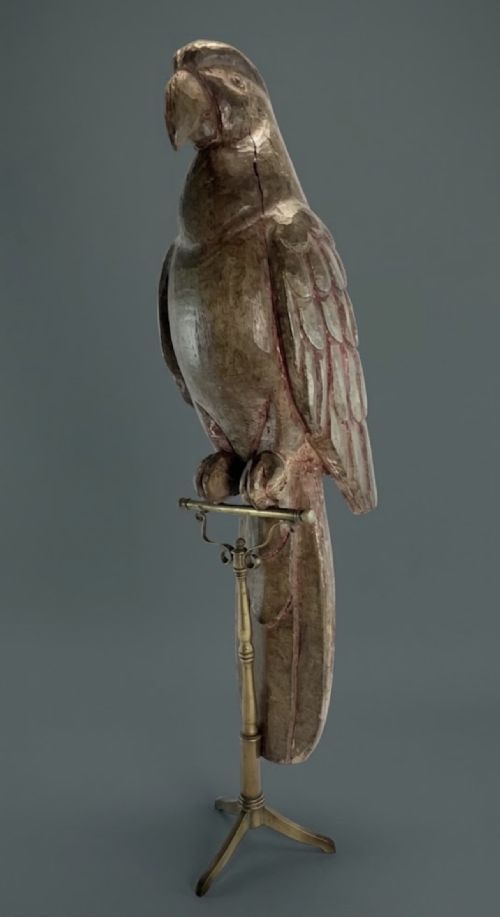
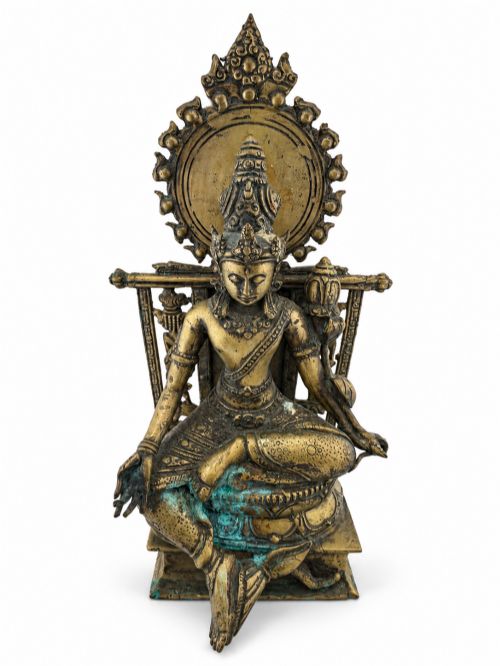
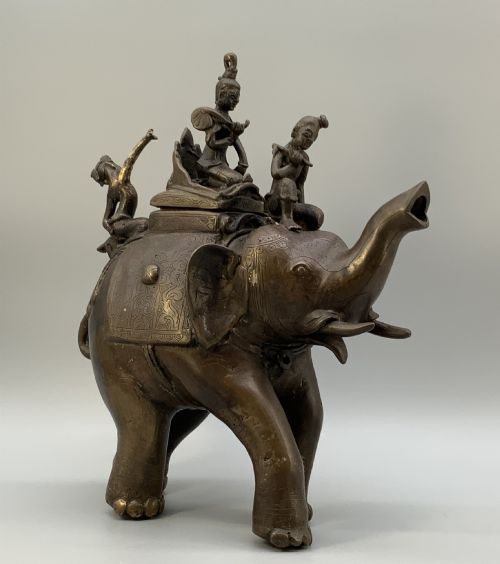
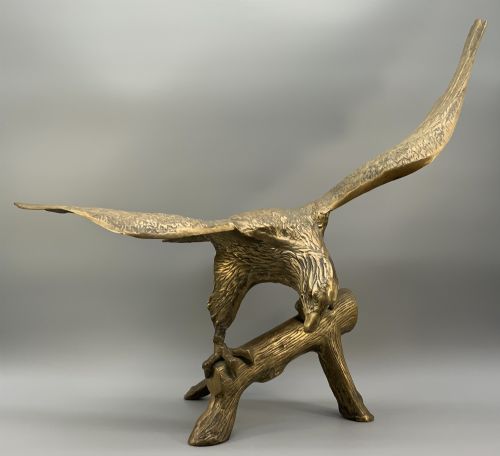
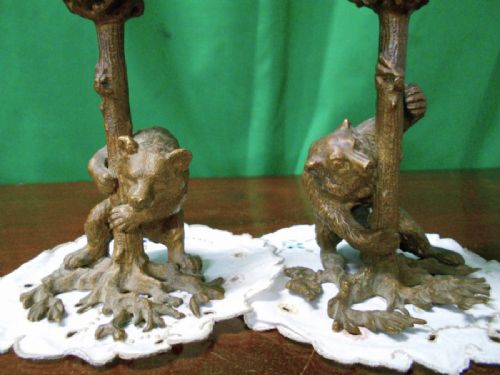
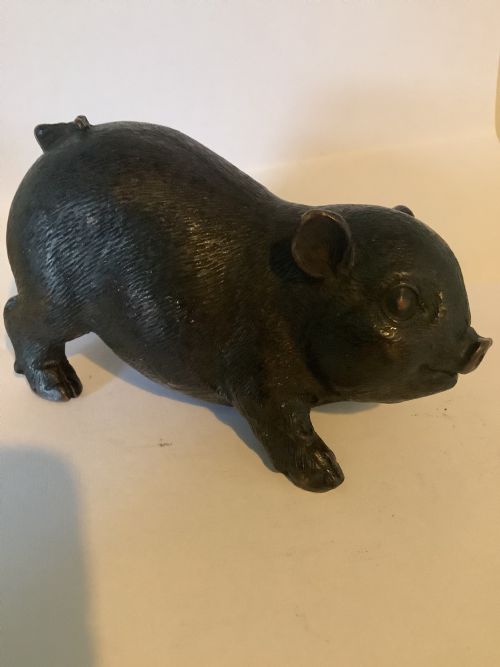
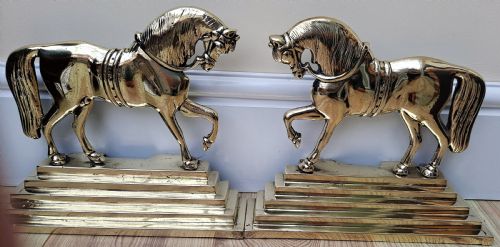
Beyond strict metal casts, the offerings include mixed-media items combining brass and bronze with marble, glass, and carved wood. Animal subjects appear frequently, from lions and bears to domestic pets and exotic creatures, alongside human figures, busts, and architectural fittings.
Materials and casting methods
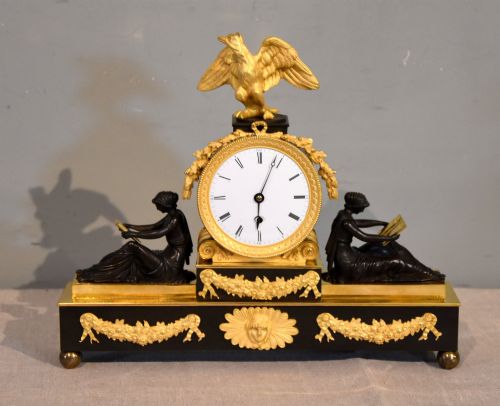
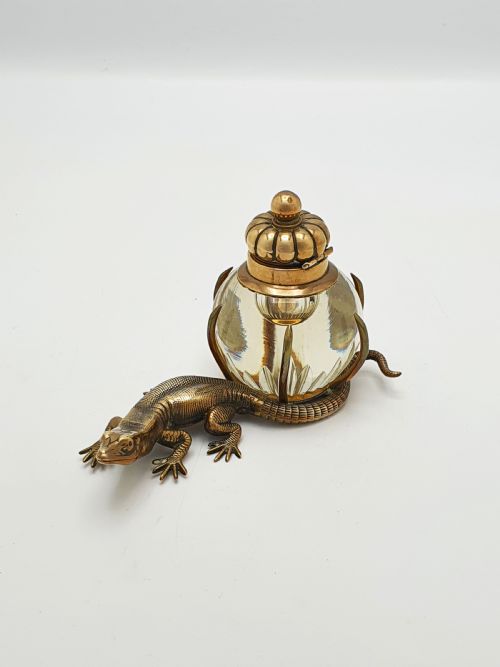
The objects recorded here rely primarily on copper alloy casting, utilising brass, bronze, and ormolu alongside gilt bronze variants. Artisans combined these metals with structural elements of marble, wood, and glass, particularly in functional items like inkstands, lamps, and clock sets.
Surface finish played a major role in production, with gilding, engraving, and fine chasing applied to raw metal casts. Many items demonstrate detailed hand-finishing, whether through the delicate carving of associated wooden stands or the intricate tooling of metal animal forms.
Listings feature nineteenth-century and early twentieth-century metalwork, including Victorian and Edwardian decorative objects, clocks, and animal sculptures.
Assessing craftsmanship and execution
The integrity of the materials also dictates the standard of the piece, distinguishing solid metal casts from plated or simpler composite items. Furthermore, the weight of the casting and the balance of associated bases in marble or wood indicate the original maker's investment in materials.
Poix Blin·Josef Lorenzl·C Omin
The Antique Brass Sculpture Glossary
- Ormolu
- A gilded bronze technique used widely in decorative objects and clock mounts during the eighteenth and nineteenth centuries. This process involves applying a finely ground high-carat gold-mercury amalgam to a bronze base.
- Patina
- The surface sheen and colour developed over decades through oxidation, handling, and natural ageing. This thin outer layer distinguishes authentic older metal surfaces from modern reproductions.
- Chasing
- The manual technique of refining a metal casting from the outside using hammers and punches. Artisans use this method to sharpen details, texture surfaces, and remove casting flaws.
- Andiron
- A horizontal metal support raised on legs, placed in a hearth to hold burning logs. Antique examples often feature decorative cast brass or bronze figurative terminals.
- Doorstop
- A heavy utilitarian object designed to hold interior doors open, frequently modelled as animals, human figures, or heraldic emblems. Victorian and Edwardian examples often utilise solid brass or bronze.
Antique Brass Sculpture: Frequently Asked Questions
How do I clean an antique brass sculpture?
Maintenance requires only a soft, dry cloth to remove dust from crevices and chased surfaces. Avoid harsh metal polishes, which strip away the historic patina and reduce the long-term character of the alloy.
Water and chemical cleaners can damage any underlying wooden bases, marble plinths, or gilt layers associated with the piece. Gentle dusting preserves both the metal skin and the integrity of the original finish.
Are these pieces solid brass or plated?
The objects recorded here encompass both solid metal casts and items finished with surface gilding or plating. Bronze, brass, and gilt bronze dominate the material records, though manufacturing methods vary by period.
Heavier items typically indicate solid metal construction, while specific decorative accents may rely on applied surface treatments. Inspecting the underside or unexposed areas often reveals the base metal composition.
How can I tell a nineteenth-century cast apart?
Nineteenth-century metalwork often displays distinct casting seams, hand-chased details, and heavier material weights compared to later mass-produced items. The presence of natural wear patterns and a deep, undisturbed surface patina point toward older production methods.
Stylistic cues, such as Victorian naturalism or Grand Tour classical motifs, also help anchor a piece within the 1800s. Examining the fixing screws or mounting pins can provide further clues regarding age.
Where were these sculptures placed originally?
Many of these objects served functional roles in period interiors, acting as mantel timepieces, door porters, desk inkstands, or hearth fixtures. Other figurative works functioned purely as decorative art for display on tables, cabinets, or dedicated pedestals.
Larger animal sculptures and fountains were designed for garden settings or grand hallways. Smaller bronze figures and bookends found homes in studies and libraries.