
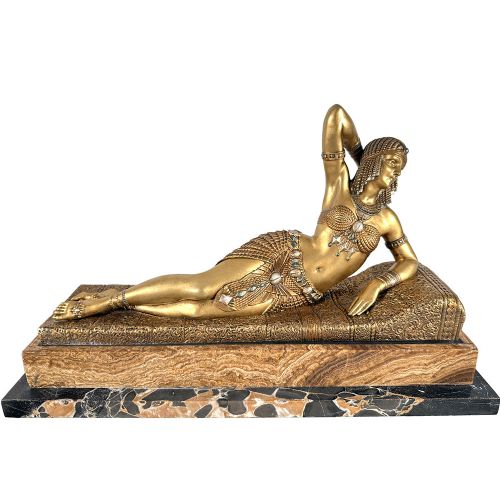


Gilded Bronze Statue
These gilded bronze statue pieces bring metalwork and sculpture together through centuries of craftsmanship, offering distinct period character to any room.
Understanding the gilded bronze statue
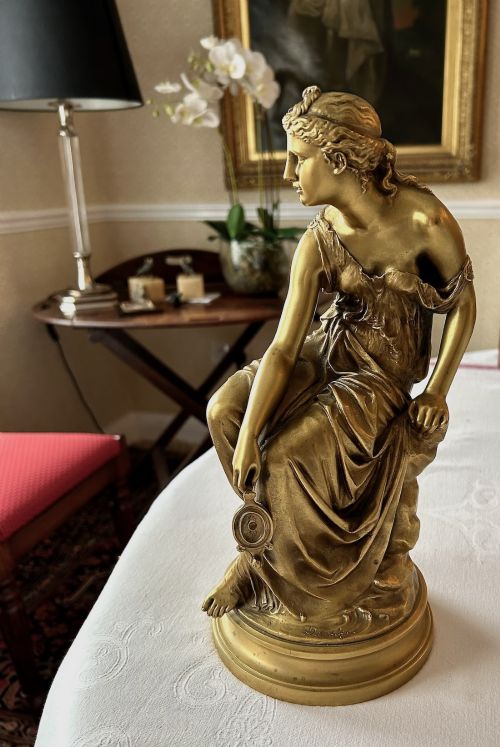
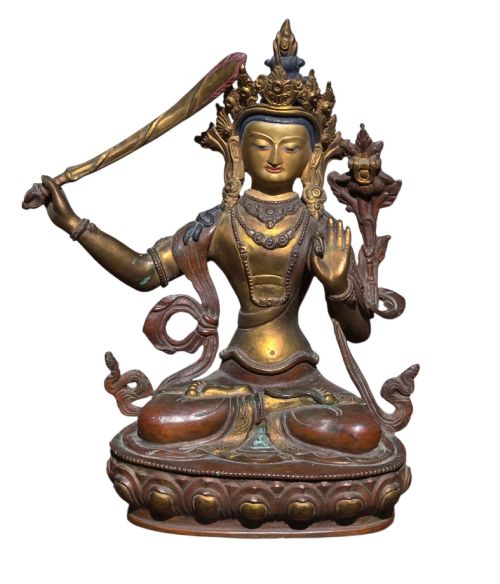
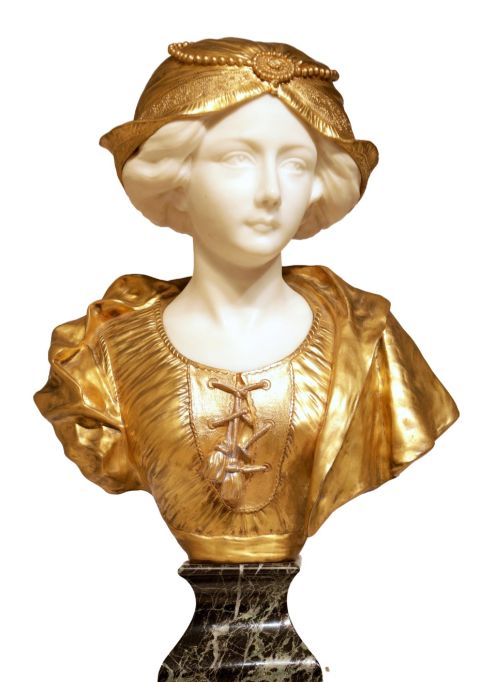
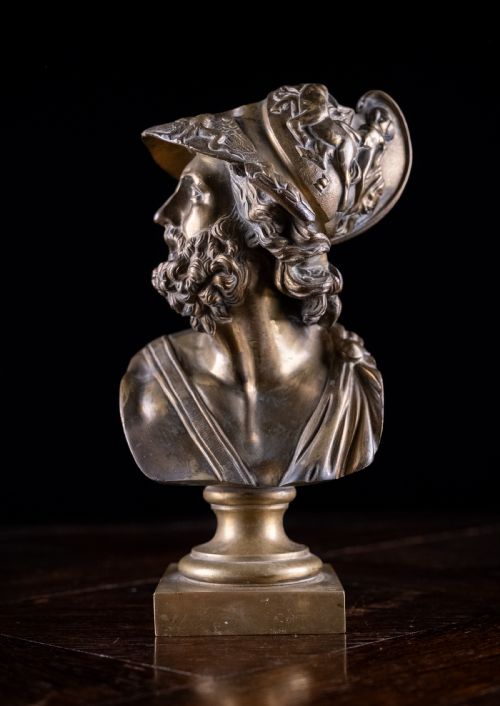
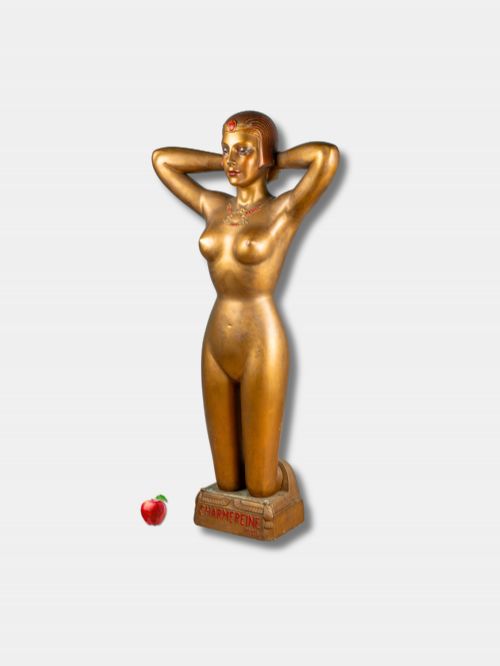
A gilded bronze statue combines cast metalwork with applied gold leaf or mercury gilt, creating figures that range from classical deities to Art Nouveau studies. When searching for a gilded bronze statue, buyers encounter everything from Sino-Tibetan deities and Grand Tour souvenirs to Art Deco figures on marble bases.
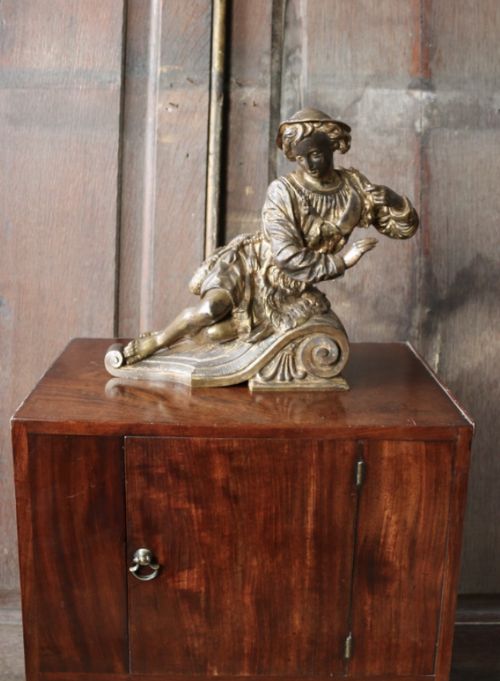
The forms span centuries, taking shape as standalone statuettes, andirons, and busts. Pieces emerge from French, Japanese, and Sino-Tibetan workshops, representing styles from Baroque and French Rococo to Art Nouveau and Art Deco.
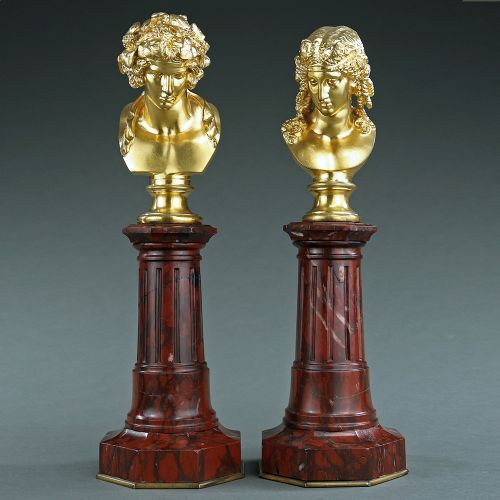
The material palette often pairs the metal with marble or alabaster bases, while patinated bronze and pigment appear alongside the primary gilt surface. These variations determine whether a piece leans toward classical severity or decorative fluidity.
Judging quality
The crispness of the cast defines the upper tier of these works, where facial expressions, drapery folds, and fingers remain sharp rather than softened by worn moulds. Superior pieces maintain their original gilt surface evenly across complex contours without excessive rubbing.
Integration with the base separates workshop standards, as high-grade figures fit securely onto their marble or alabaster plinths with matching historical fixings. The depth of the chasing work after casting distinguishes skilled finishing from rapid production.
Retail Price Guide 2026
Typical UK retail prices for gilded bronze statue, calculated from the Sellingantiques database of over a million retail prices indexed since 2003. This retail price guide relies exclusively on Sellingantiques data; no external sources or auction records are used, so the figures do not describe the wider market.
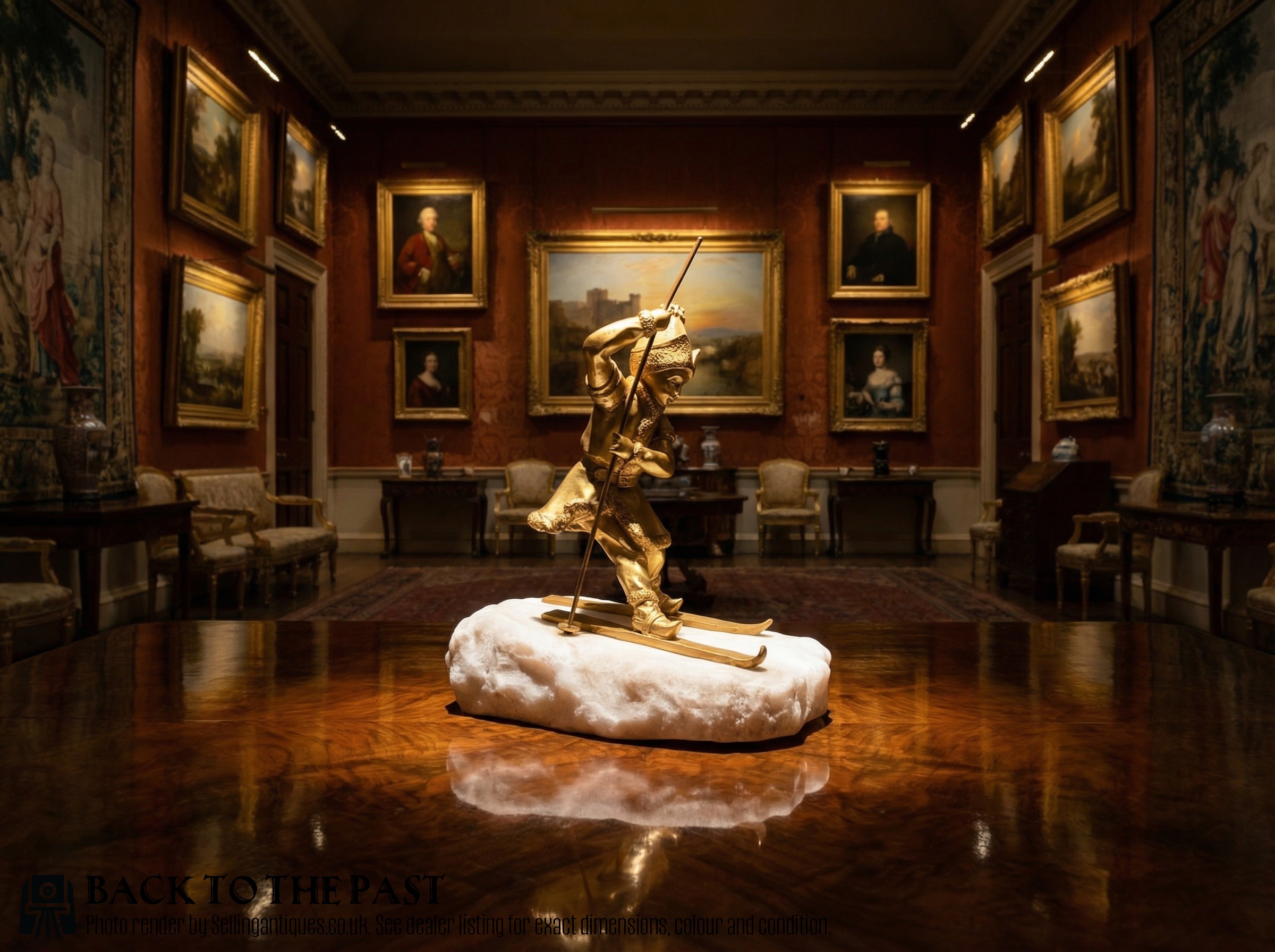
A youthful skier in gilded bronze braves the domestic climate without a single snowflake in sight.
Affortunato Gory·Ernst Barrias·Bruno Zach·Carl Kauba·Charlotte Monginot·Raymond Leon Rivoire
The Gilded Bronze Statue Glossary
- Gilt bronze
- Metal cast and coated with a layer of gold or gold amalgam. This finish provides durability and a bright metallic sheen.
- Patinated bronze
- Metal treated chemically to produce a darkened or coloured surface layer. This contrast often highlights the gilded highlights on a figure.
- Grand Tour
- Travel across continental Europe undertaken by nineteenth-century collectors to acquire classical souvenirs. These objects frequently imitate ancient statuary.
- Andiron
- A horizontal metal support used in pairs inside a fireplace. Some examples incorporate cast statuettes as decorative frontpieces.
- Bodhisattva
- An enlightened being in Buddhist tradition depicted in art. These figures appear frequently in Sino-Tibetan metalwork.
Frequently Asked Questions
How do I clean a gilded bronze statue?
Dust the surface gently with a soft, dry brush to prevent accumulation in crevices.
Avoid commercial polishes or water, which can damage the delicate gilt layer or historical patina.
Are these statues solid bronze?
Many figures are cast using the lost-wax method, which often results in hollow interiors to save metal and weight.
Heavier elements like marble bases provide physical stability to the composition.
What is the difference between gilt bronze and ormolu?
Both terms describe bronze objects treated with gold, with ormolu being a traditional French term often applied to decorative furniture mounts and clocks.
Statuary pieces use the same underlying mercury gilding or fire-gilding techniques.
How do I identify an Art Deco figure?
Art Deco pieces typically feature streamlined forms, geometric bases, and subjects inspired by modern dance or athletics.
Materials like stepped marble bases and contrasting patination help date these works to the early twentieth century.