

Austrian Bronze Sculpture
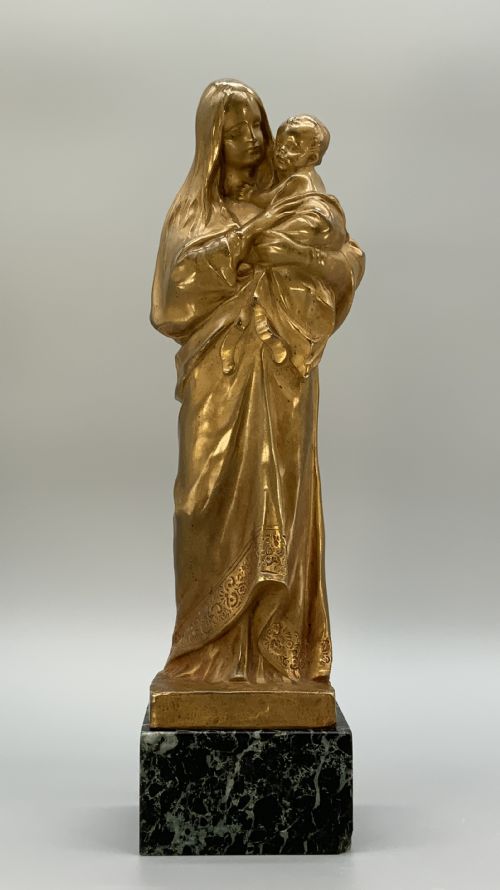
These austrian bronze sculpture pieces bring remarkable cast detail and vivid colour to a room.
What austrian bronze sculpture is
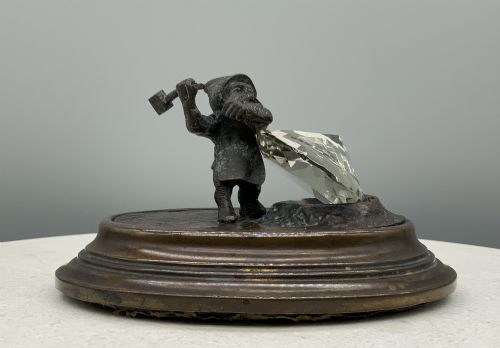
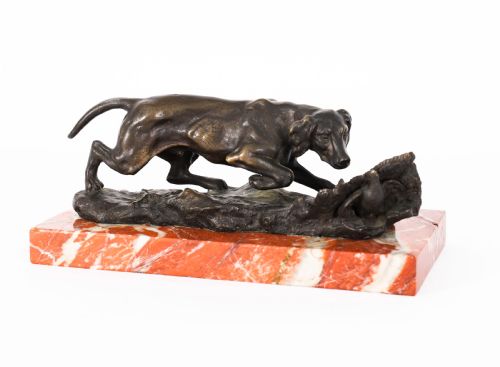
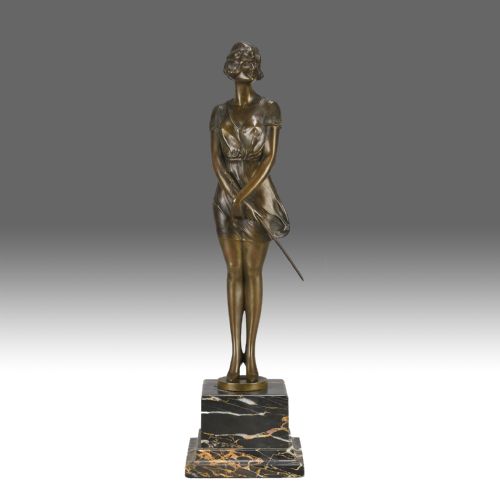
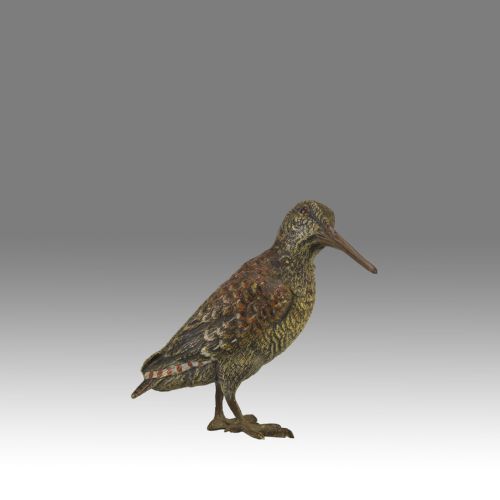
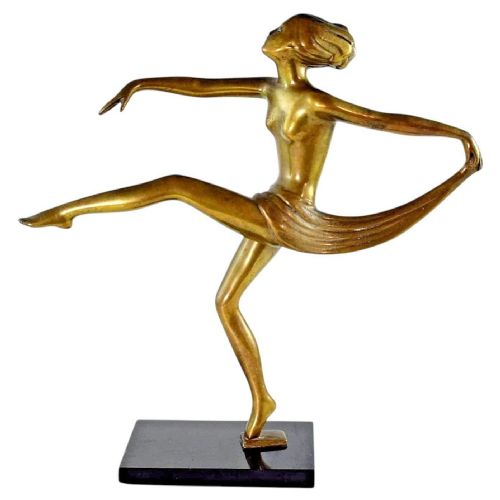
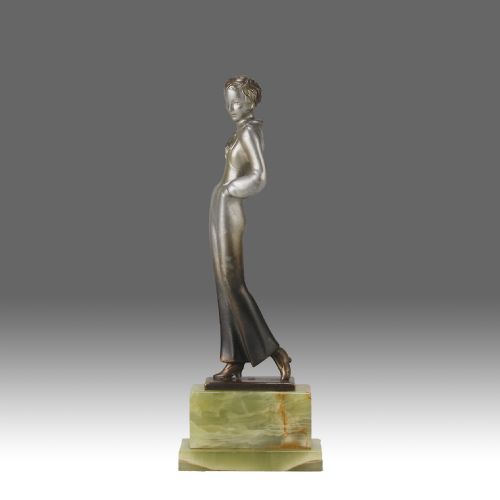
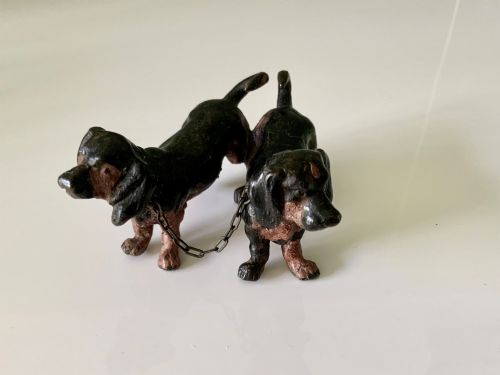
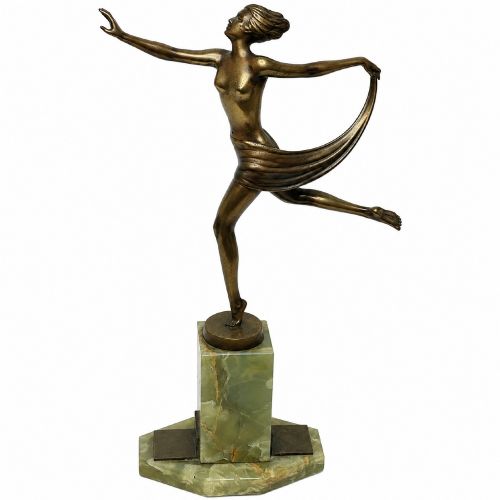
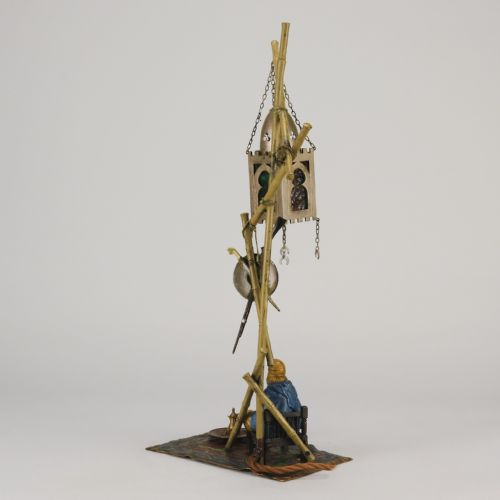
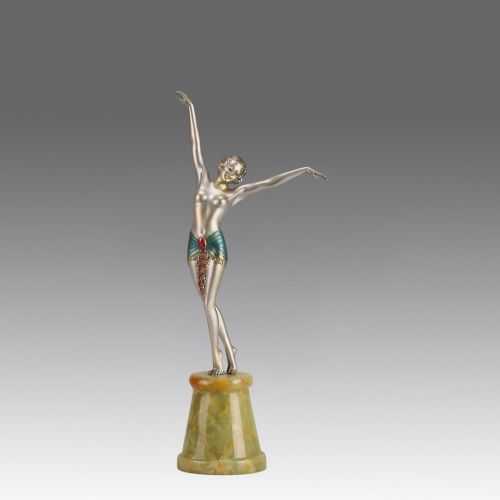
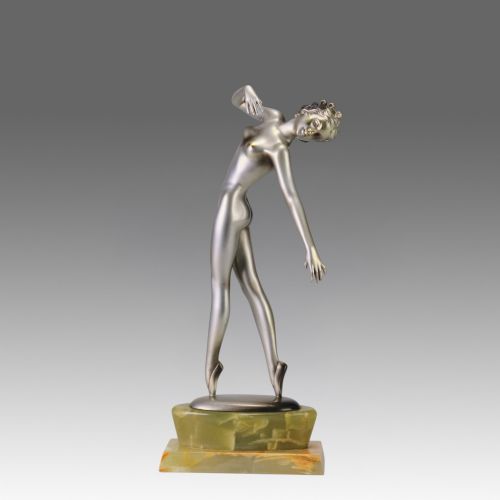
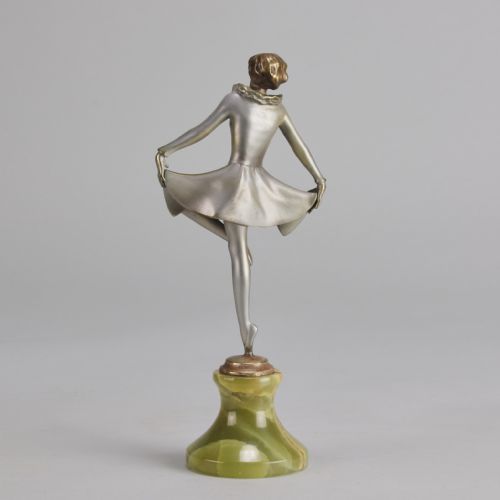
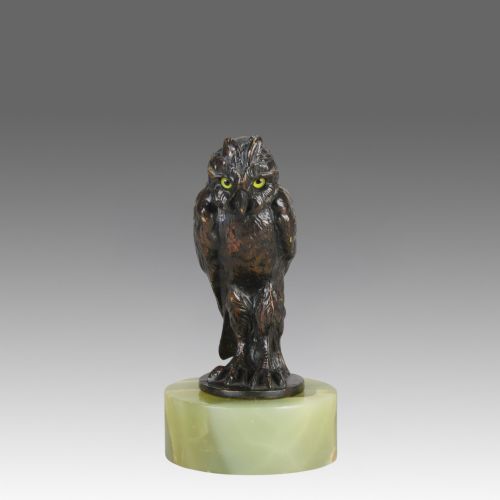
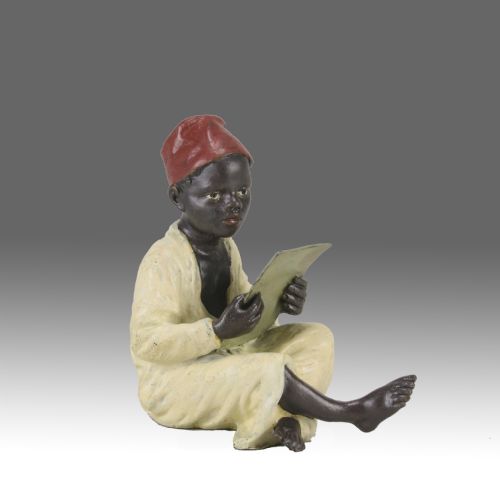
When you search for austrian bronze sculpture, you encounter small cast figures and animal studies produced primarily around the turn of the twentieth century and through the art deco period. These works encompass human subjects such as dancers and orientalist figures alongside naturalistic animal subjects including birds, dogs, and fish.
The objects span several distinct design movements, most notably art nouveau, art deco, animalier, and orientalist styles. You meet works mounted on heavy stone bases of marble and onyx as well as freestanding cold-painted figures.
How they were made
The makers cast these sculptures in bronze, often applying a cold-painted finish where enamel paint adheres to the metal surface without high-temperature firing. Some examples combine the cast bronze with natural mineral elements such as quartz rock bases or marble and onyx plinths.
Surface treatments range from simple patinated bronze and gilded bronze to detailed polychrome enamel paint work. Artisans chased the metal surfaces by hand after casting to define feathers, fur, and costume details before applying colour.
Retail Price Guide 2026
Typical UK retail prices for austrian bronze sculpture, calculated from the Sellingantiques database of over a million retail prices indexed since 2003. This retail price guide relies exclusively on Sellingantiques data; no external sources or auction records are used, so the figures do not describe the wider market.
Franz Xaver Bergmann occasionally signed his animal bronzes with a small urn stamp to mark his Vienna foundry.
What varies in quality
The choice of base materials also distinguishes the work, with solid marble, onyx, and natural quartz adding substantial weight and presence compared to simpler mountings. The reputation of the foundry or artist involved elevates the standing of individual pieces.
Carl Kauba·Bruno Zach·Josef Lorenzl·Franz Xaver Bergmann·Hans Muller
The Austrian Bronze Sculpture Glossary
- Cold-painted bronze
- A technique where bronze figures are painted with unfired enamel colours after casting. This method allows for vivid, varied hues that require careful handling to preserve over time.
- Animalier
- A nineteenth-century artistic style focusing on the realistic depiction of animals. Sculptors working in this manner studied anatomy closely to capture creatures in motion or repose.
- Orientalist
- A genre of art depicting scenes, figures, and architecture from the Middle East and North Africa. These works often feature detailed costumes and narrative subjects.
- Patinated bronze
- Metal treated with chemicals or heat to produce a stable surface colour ranging from warm brown to dark green. This finish protects the metal and defines sculptural contours.
- Chasing
- The manual refinement of a cast metal surface using hammers and punches to sharpen details and remove casting flaws. Skilled chasing separates ordinary production from finer studio work.
Frequently Asked Questions
What is the difference between Vienna bronze and regular bronze?
Vienna bronzes typically feature the distinctive cold-painted polychrome enamel finish applied over small cast figures.
Standard bronze sculptures more often rely on chemical patination to show shades of brown, green, or black without added paint.
How can I tell art nouveau from art deco pieces?
Art nouveau pieces incorporate flowing, organic lines inspired by natural plant forms and the sweeping drapery of figures.
Art deco works favour geometric precision, stylised symmetry, and sleek silhouettes typical of the interwar period.
Why are some figures mounted on stone?
Heavy bases of marble, onyx, or quartz provide necessary physical stability for figures with slender or dynamic postures.
These natural stone plinths also enhance the visual presence and vertical scale of smaller cabinet bronzes.