
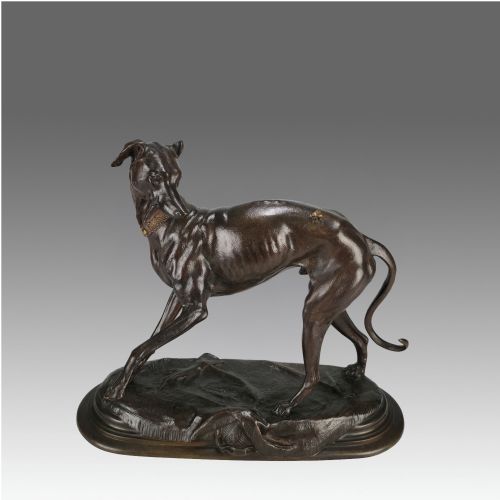
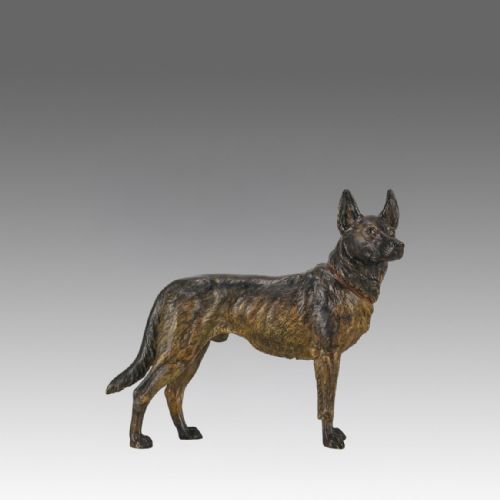
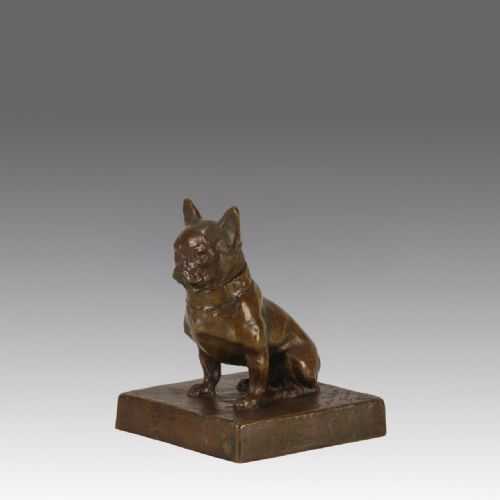
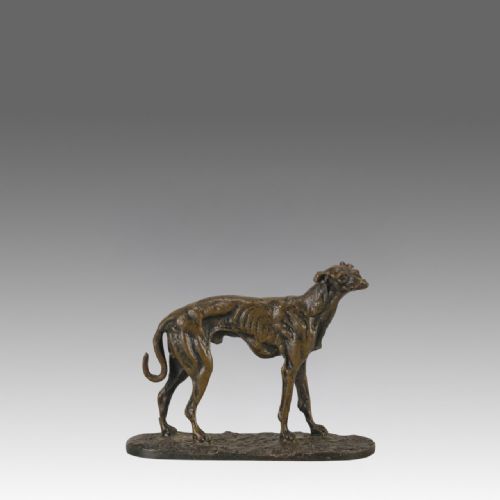

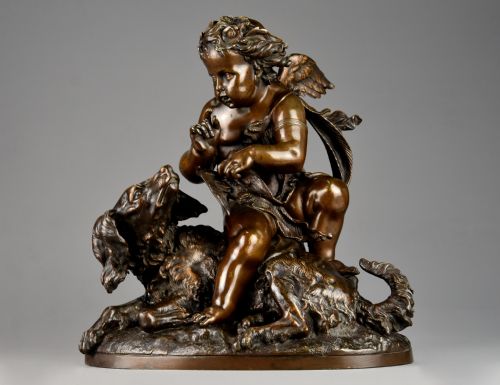


Bronze Dog Statue
A bronze dog statue captures canine character in enduring metal, bringing nineteenth-century animalier realism straight into your home.
What these bronze dog statues are
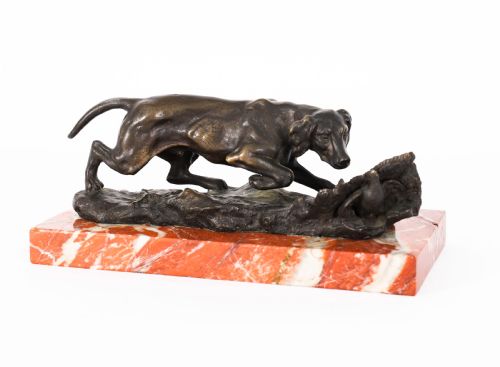
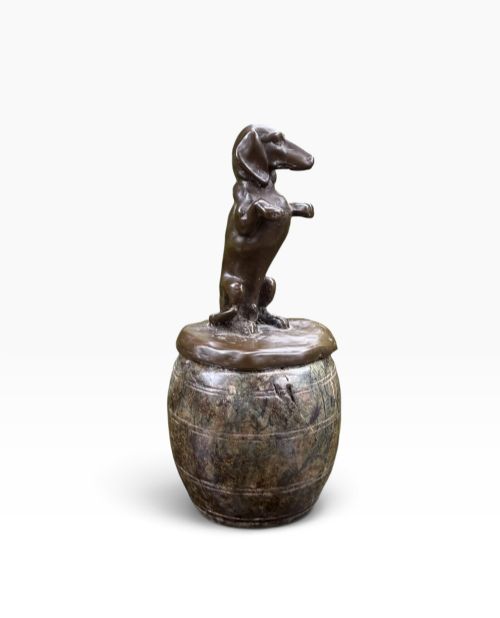
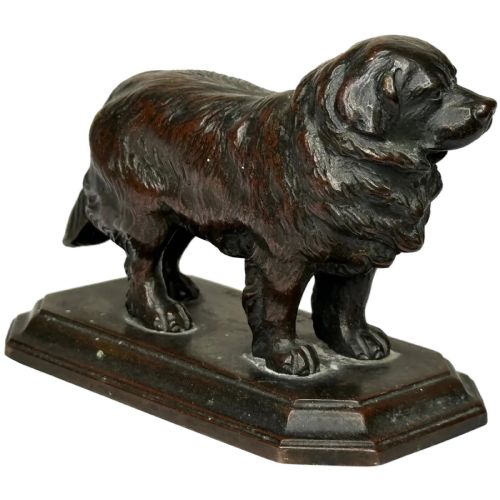
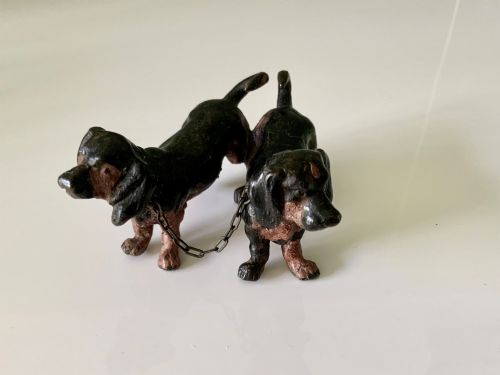
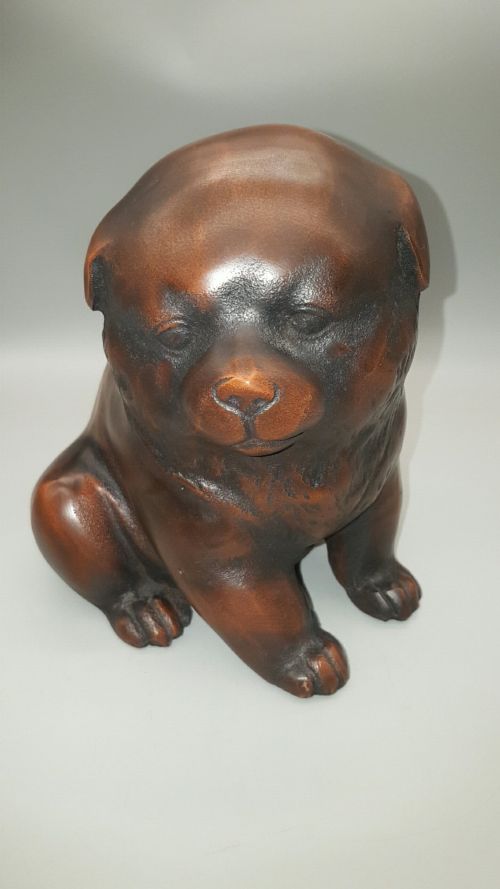
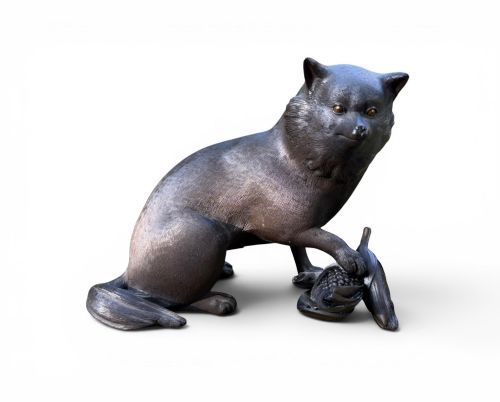
A bronze dog statue represents the pinnacle of animalier sculpture, capturing breeds from Newfoundlands to Pugs with sharp anatomical precision. Most examples encountered here hail from the nineteenth century, including Victorian pieces and works from around eighteen-ninety or nineteen-twenty.
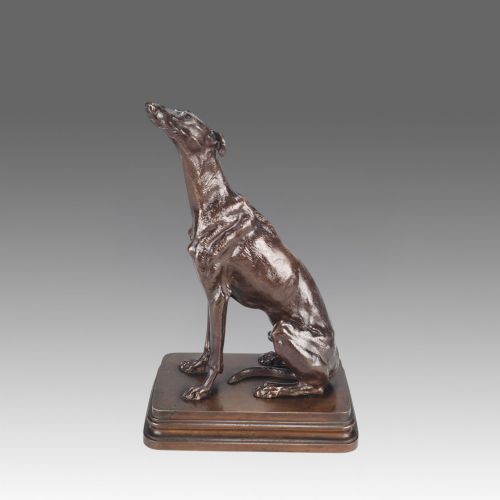
The assortment spans decorative figurines and substantial sculptures, often mounted on marble bases or timber stands. French animalier works sit alongside English interpretations, reflecting a widespread nineteenth-century fascination with domestic and sporting dogs.
How they were made
These sculptures utilise the traditional lost-wax casting method to render fine fur texture and muscular detail in solid bronze. Artisans frequently applied patinated finishes to achieve realistic tonal variations across the metal surface.
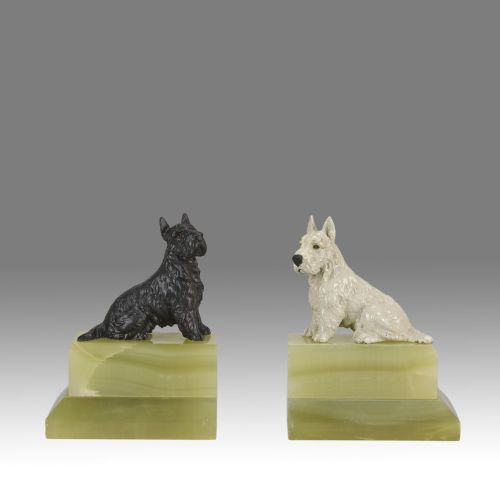
Many figures are paired with custom marble or timber bases, anchoring the heavier bronze castings securely. Selected pieces also incorporate cold-painted decoration directly onto the bronze surface for added realism.
Retail Price Guide 2026
Typical UK retail prices for bronze dog statue, calculated from the Sellingantiques database of over a million retail prices indexed since 2003. This retail price guide relies exclusively on Sellingantiques data; no external sources or auction records are used, so the figures do not describe the wider market.
Even hardened collectors sometimes find themselves offering a polite hush to a particularly lifelike bronze pug resting on the desk.
What varies in quality
Quality rests primarily on the sharpness of the casting and the sensitivity of the chasing work done after the metal cooled. Superior pieces preserve individual hair strands and subtle muscle tension rather than showing softened, generalized contours.
The depth and richness of the patina also distinguish better examples, alongside the quality of the associated marble or timber base. Works associated with known animalier sculptors generally display a higher level of anatomical observation.
Carl Kauba·Prosper Lecourtier·Antoine Louis Barye·J. Moigniez
The Bronze Dog Statue Glossary
- Animalier
- A nineteenth-century artistic movement focused on the realistic depiction of animals, particularly in sculpture. Practitioners studied live subjects extensively in menageries to achieve accurate anatomy.
- Patinated Bronze
- Bronze treated with chemical solutions to produce a specific surface colour or aged finish. This process protects the metal while enhancing visual depth.
- Cold Painted Bronze
- A technique where paint is applied to an unheated bronze sculpture and left to dry naturally. It permits intricate multi-coloured details, particularly on smaller decorative figures.
- Lost-Wax Casting
- A meticulous metalworking process where a wax model is melted out of a mould to create a cavity for molten bronze. This technique allows for complex undercuts and delicate surface textures.
Frequently Asked Questions
What is a bronze dog statue?
A bronze dog statue is a cast metal sculpture depicting various canine breeds, created predominantly during the nineteenth and early twentieth centuries.
These pieces range from small decorative desk figures to substantial gallery sculptures, often reflecting the rigorous standards of the animalier school.
How do I date a bronze dog statue?
Dating relies on stylistic clues, casting techniques, and any associated signatures or foundry marks found on the bronze or its base.
Nineteenth-century pieces frequently display hand-chased surface details and heavier patination, while bases made of specific marbles or timber offer additional chronological markers.
Where should I place my statue?
These sculptures suit stable, flat surfaces such as mantelpieces, heavy sideboards, or dedicated display tables where their weight is safely supported.
Keep them away from direct heat sources and moisture to preserve the stability of the bronze patina and any attached marble or timber base.
What breeds were commonly sculpted?
Victorian and nineteenth-century sculptors captured a wide variety of breeds, from sporting setters and retrievers to King Charles Spaniels and Pugs.
Working dogs such as Newfoundlands and Great Danes also appear frequently, reflecting their prominent roles in contemporary society.