

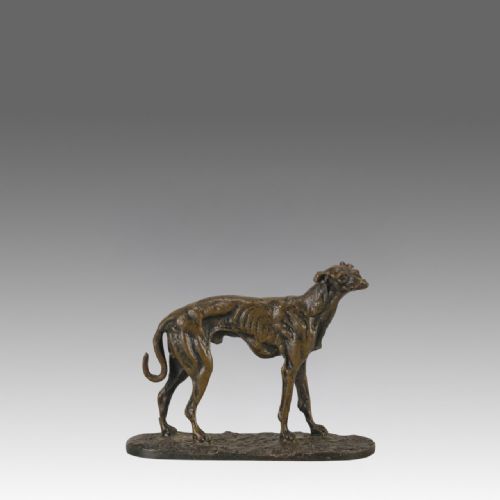




Cast Bronze Dog
A cast bronze dog brings the character of a faithful hound into your interior with lasting weight.
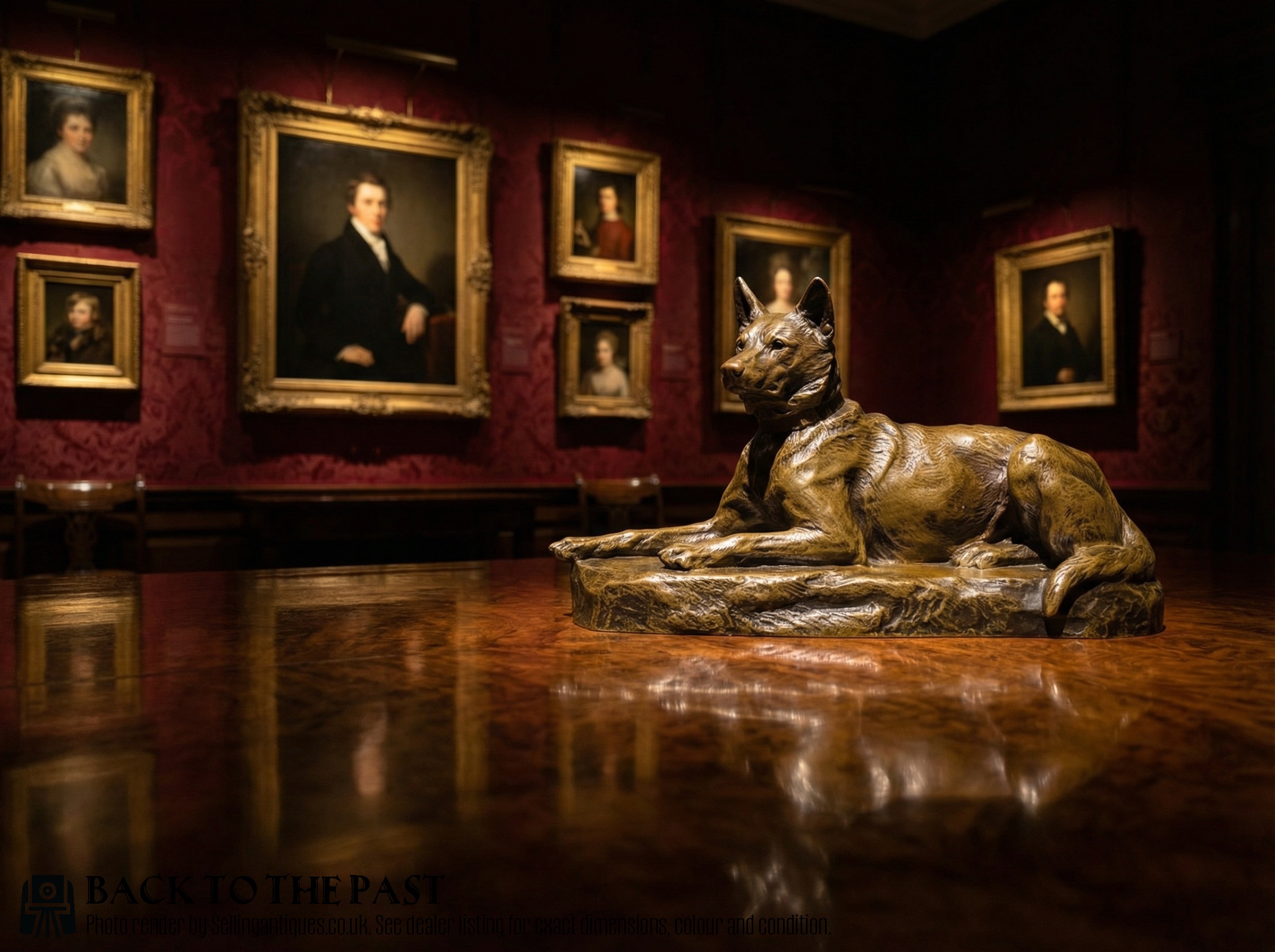
What these pieces are
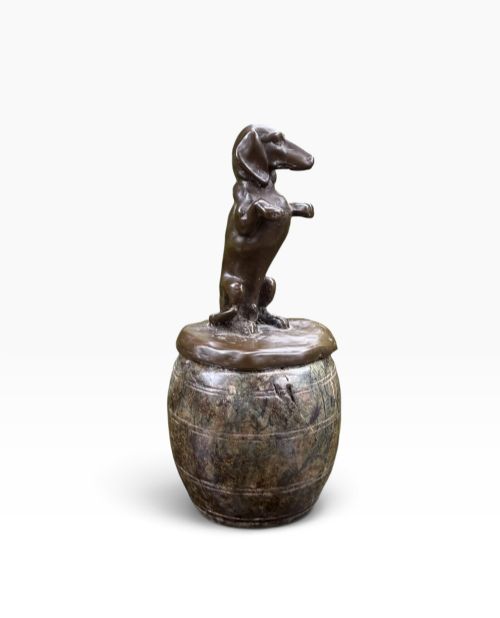
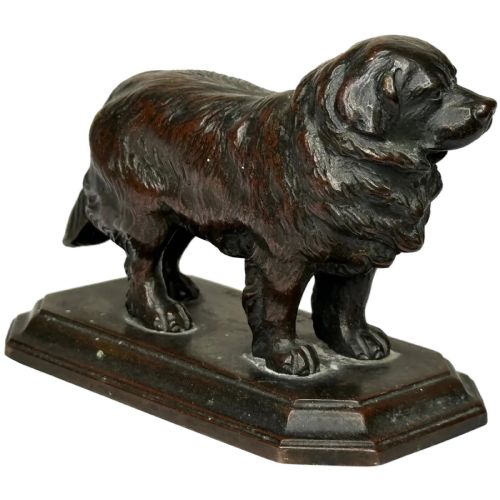
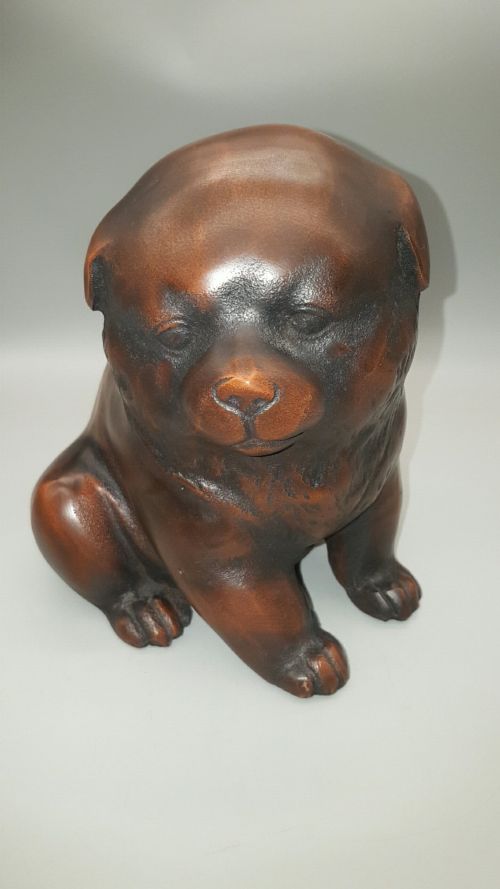
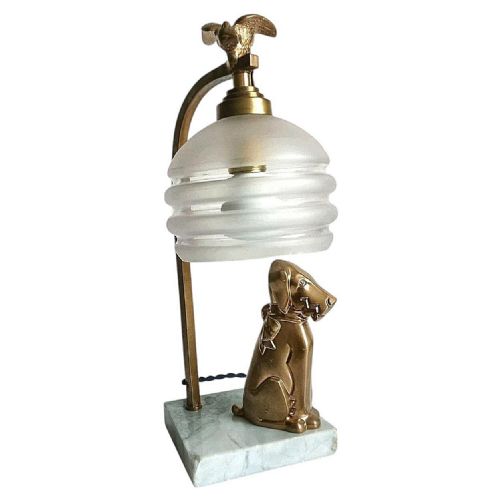
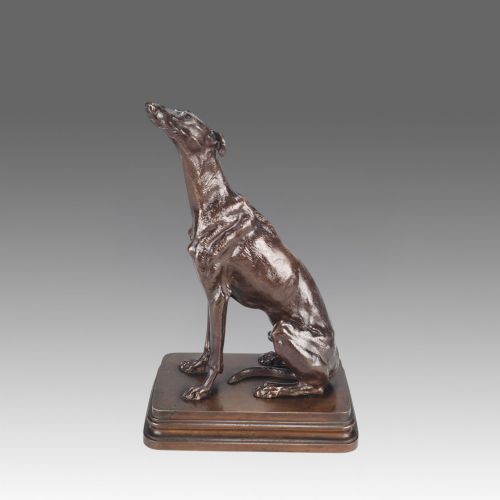
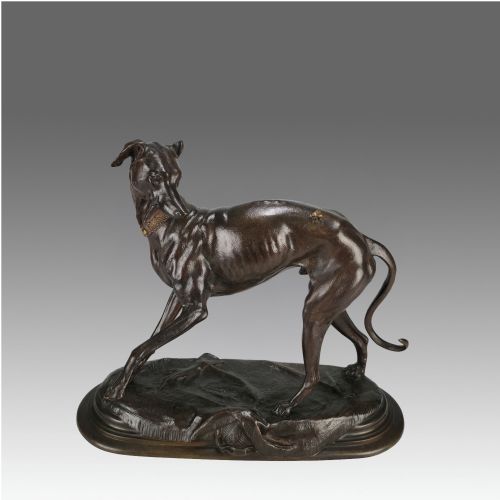
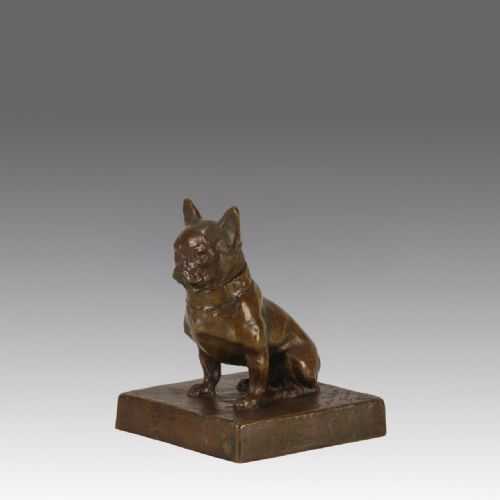
When you search for a cast bronze dog, you are looking at figural sculptures and decorative desk accessories produced across the nineteenth and early twentieth centuries. These works capture specific breeds such as poodles, pugs, pointers, setters, greyhounds, and German shepherds in moments of rest or sporting action. Most examples on this page hail from the nineteenth century, reflecting the period fascination with naturalistic animal forms.
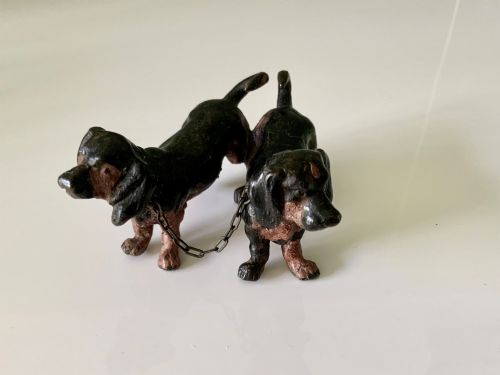
The majority of these pieces adopt the Animalier style, which focused on the realistic anatomical study of animals. You will find single figures, pairs of hounds, and functional items like desk clips incorporating canine figures. French foundries and named sculptors dominate the record, alongside English interpretations in bronze and leather.
How they were made
These figures rely on traditional metal-casting techniques using bronze, sometimes finished with cold-painted details or a gilt surface. A patina is applied to the metal surface to create deep tonal variations in the brown or dark finish. Certain pieces combine the cast metal with other media, mounting the canine figures upon marble bases for stability and contrast.
Makers utilised skilled modeling to render the musculature and coats of different breeds with precision. Castings range from original foundry works by recognised artists to later interpretations produced after established sculptors.
Retail Price Guide 2026
Typical UK retail prices for cast bronze dog, calculated from the Sellingantiques database of over a million retail prices indexed since 2003. This retail price guide relies exclusively on Sellingantiques data; no external sources or auction records are used, so the figures do not describe the wider market.
Listings feature works from the nineteenth century into the twentieth century, utilising bronze, marble, and gilt finishes.
What varies in quality
Quality in a cast bronze dog lies in the crispness of the chasing and the fidelity of the anatomical detail. Superior castings retain sharp rendering in the fur, eyes, and paws without losing definition in the softer folds of skin or musculature. The depth and richness of the applied patina also separate standard production pieces from finer foundry work.
The sophistication of the composition dictates the standing of the piece. Dynamic groupings, such as pairs of hounds or working pointers in sporting poses, demand greater skill in balance and spatial arrangement than static single figures.
Jules Moigniez·Louis Riche·L. Bureau·Alfred Dubucand
The Cast Bronze Dog Glossary
- Animalier
- A nineteenth-century artistic movement dedicated to the realistic portrayal of animals. Sculptors in this tradition studied live subjects extensively in menageries and veterinary schools.
- Patina
- The surface coloration and sheen developed naturally over time or applied chemically to bronze. It enhances the visual depth of the metal.
- Cold Painted
- A technique where paint is applied to a cold bronze object rather than fired in a kiln. It requires careful preparation of the metal surface to adhere properly.
- Gilt Bronze
- Bronze that has been coated with a thin layer of gold or gold-coloured alloy. This finish adds a bright, decorative metallic sheen to the sculpture.
Frequently Asked Questions
What breeds appear most often?
Pointers, setters, poodles, pugs, and hounds form the primary breeds represented across the nineteenth-century selections. Sporting dogs connected to hunting appear frequently in both single and paired configurations.
Other notable representations include German shepherds and greyhounds, often integrated into desk items or standing as independent sculptural figures.
How do I identify the period?
Nineteenth-century pieces typically exhibit heavier casting weights and deep, hand-rubbed patinas characteristic of European foundries from that era. Stylistic adherence to the Animalier movement provides a strong chronological marker.
Signatures or foundry marks stamped into the bronze base also help establish the date and origin of the sculpture.
Where should I display them?
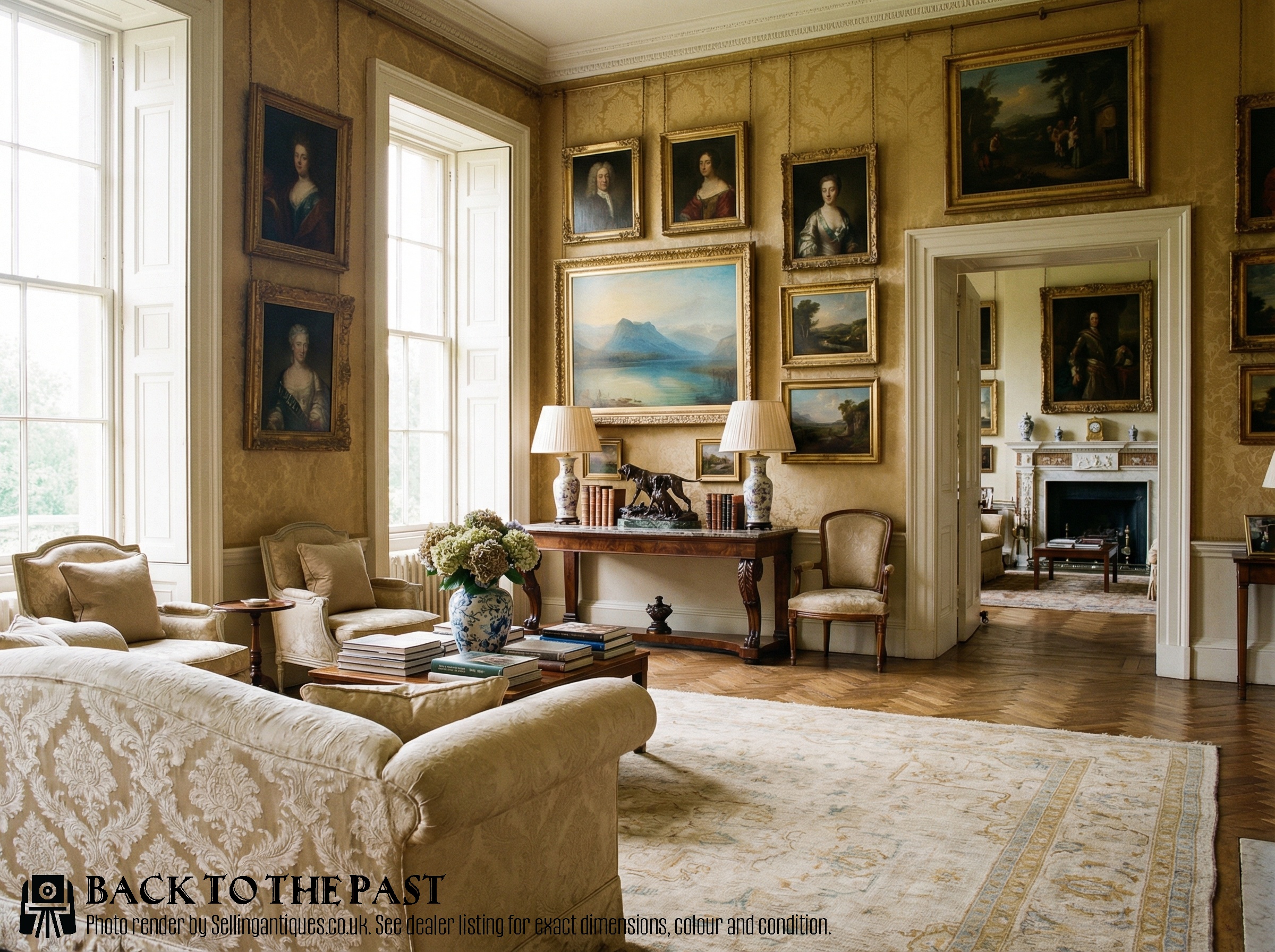
These figures suit tabletops, mantelpieces, and desks where their material weight and detailed casting can be appreciated up close. Pieces mounted on marble bases require stable, flat surfaces.
Pairing hounds or placing a single retriever near a study or library complements traditional interiors.
Are these pieces functional?
While the majority of listings are purely sculptural figures, some examples incorporate practical elements. Items like desk clips combine the cast bronze dog with functional hardware for holding letters.
Most serve strictly as decorative ornaments rather than utilitarian objects.