



French Animalier Sculpture
When you search for french animalier sculpture, you enter a distinct world of bronze beasts, birds and domestic animals cast across the nineteenth and early twentieth centuries.
French Animalier Sculpture
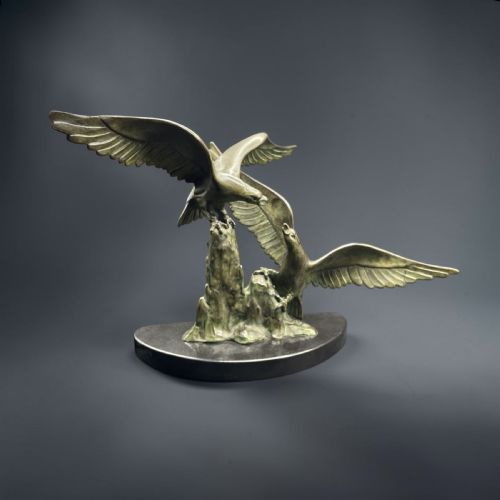
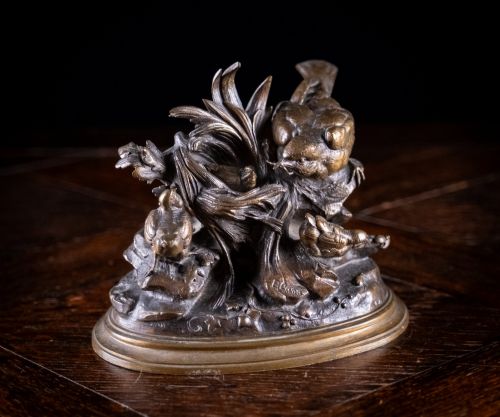
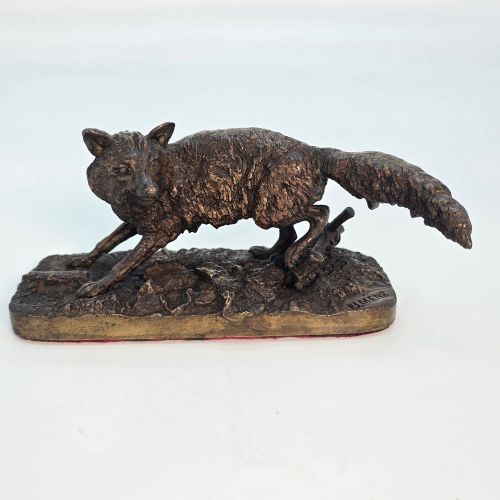
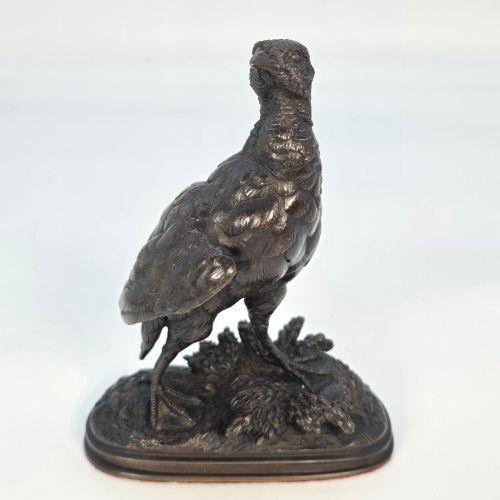
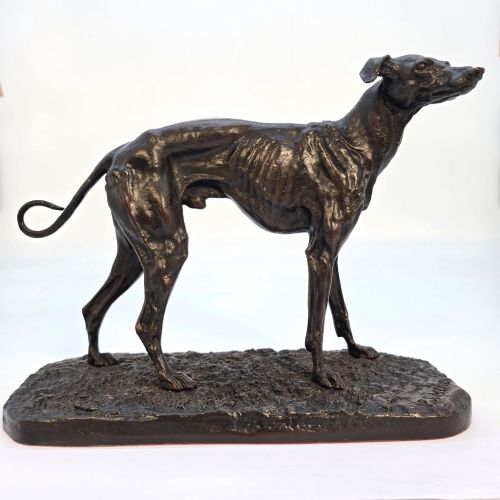
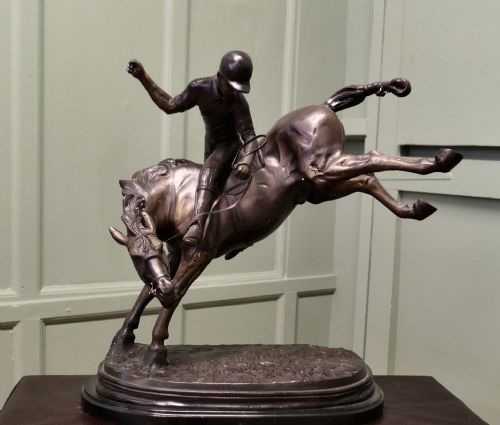
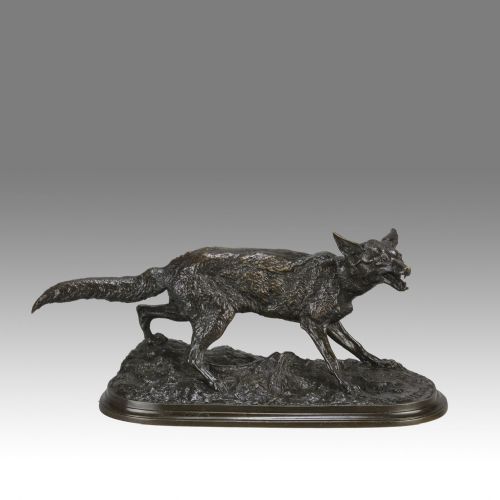
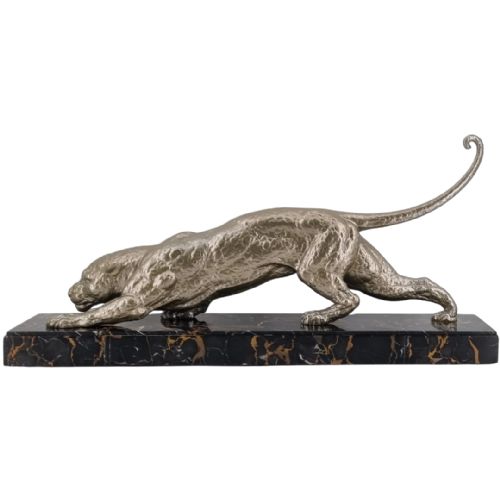
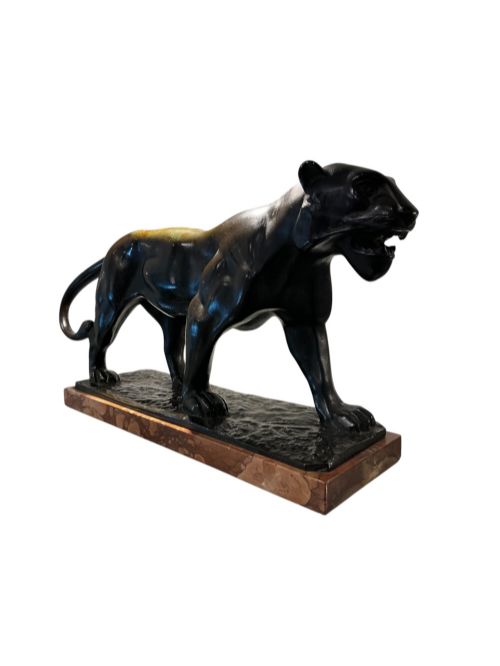
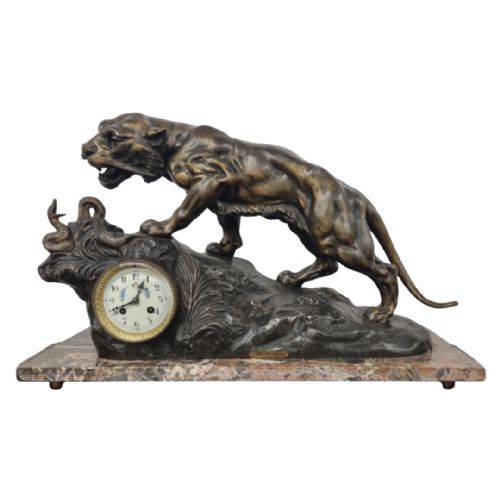
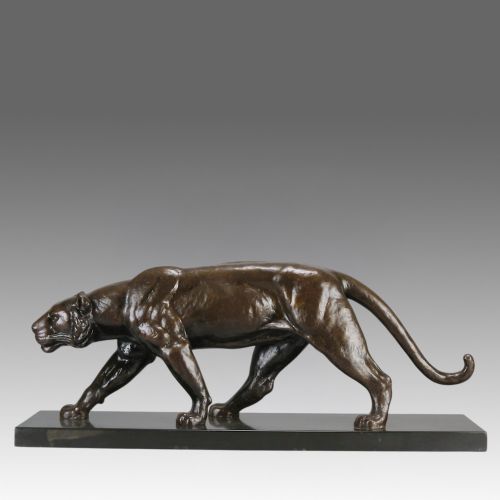
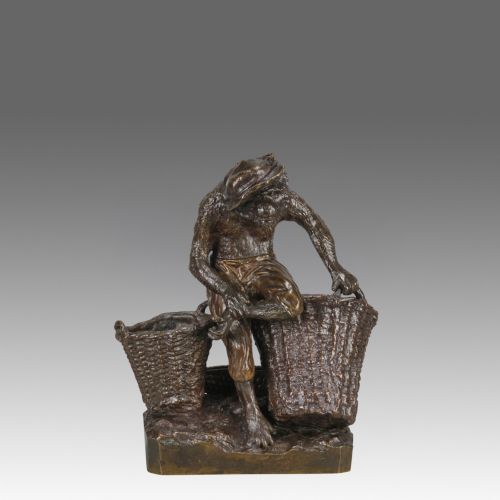
French animalier sculpture captures the anatomy and movement of animals, ranging from pacing big cats and hunting dogs to horses and farmyard birds. You will frequently encounter works originating from the nineteenth century alongside later examples stretching into the art deco period.
The objects take many forms beyond standalone figures, appearing as mantel clocks, inkstands and inkwells where functional items incorporate naturalistic animal figures. These pieces reflect a sustained fascination with wildlife and domestic subjects interpreted through French artistic schools.
How they were made
Foundries utilised traditional casting techniques to shape molten metal into complex animal forms, employing bronze as the primary medium alongside patinated bronze, gilt bronze, brass, nickel bronze and ormolu. Artisans also worked with terracotta for figurative pieces and occasionally incorporated enamel details.
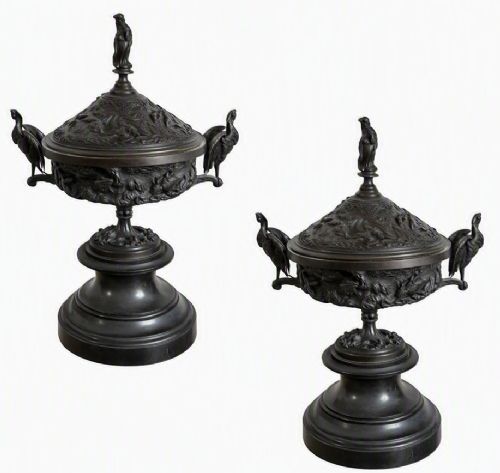
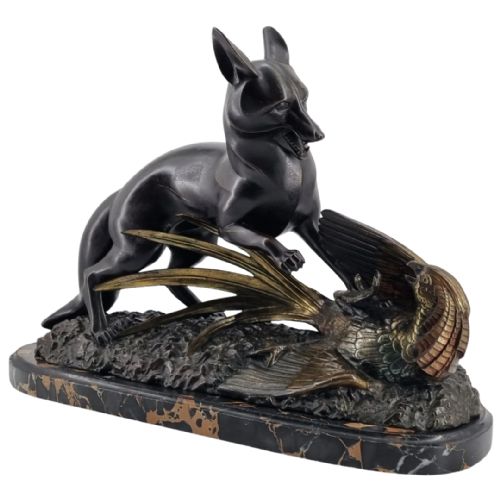
Finished metal figures were frequently mounted upon heavy bases of marble, onyx or stone to provide stability and visual contrast. These natural stone plinths complement the dark patinas and metallic finishes characteristic of the period.
French Animalier Sculpture Retail Price Guide 2026
Typical asking prices for french animalier sculpture among the pieces listed under this phrase on Sellingantiques today, from the lower quarter to the upper quarter. They describe what is for sale here now, not the wider market.
Listings feature works spanning the nineteenth century through the 1940s, executed in bronze, terracotta and marble.
What varies in quality
Quality rests in the fidelity of the casting and the sensitivity of the finishing hand, which determines whether muscle, fur and feather read with convincing realism. Superior examples display crisp chasing where fine details are hand-tooled after casting rather than left soft from the mould.
The depth and subtlety of the applied patina also dictate the visual success of a piece, with nuanced shading elevating simple bronze surfaces. Additionally, the integration of the figure with its marble or onyx base reveals the care taken in final assembly.
P J Mêne·Antoine Louis Barye·Alfred Dubucand·Jules Moigniez·Prosper Lecourtier·Christophe Fratin·Alexandre Ouline·Charles Valton
The French Animalier Sculpture Glossary
- Animalier
- A nineteenth-century artistic movement dedicated to the realistic portrayal of animals. Sculptors in this tradition studied live specimens extensively to capture authentic anatomy and behaviour.
- Patina
- The surface coloration and texture developed naturally over time or applied chemically by the foundry. It enhances the contours of the bronze and protects the metal underneath.
- Ormolu
- Finely ground high-carat gold applied to a bronze base using a mercury amalgamation process. This technique creates a rich, durable golden finish seen on decorative mounts and inkstands.
- Spelter
- A zinc alloy frequently utilised as a cost-effective alternative to bronze. It accepts similar patination treatments but possesses a lighter weight and softer structural composition.
- Terracotta
- Fired unglazed clay moulded into sculptural figures. This medium allows for direct modelling marks from the artist's hands before the clay hardens in the kiln.
French Animalier Sculpture: Frequently Asked Questions
What is a french animalier sculpture?
It is a three-dimensional artwork depicting animals, created primarily by French artists during the nineteenth and early twentieth centuries. These works focus on realistic anatomical study and dynamic poses.
Subjects range from wild predators and game birds to horses and domestic dogs, cast in bronze and frequently mounted on stone bases.
How do I clean a bronze sculpture?
Bronze requires very little intervention, relying mostly on gentle dusting with a soft, dry cloth to keep the surface clear of particles. Avoid using water, oils or commercial cleaning agents which can strip the original patina.
Allow the metal to age naturally, as cleaning away historical patination diminishes the character and surface integrity of the piece.
How can I tell bronze from spelter?
Bronze is heavier, denser and colder to the touch than zinc-based spelter, and it possesses a resonant ring when lightly tapped. Spelter is softer, more prone to scratching, and often reveals a greyish metal underneath worn areas of patina.
Magnification often reveals the crisp casting grain of bronze compared to the slightly pitted or granular surface sometimes found on spelter castings.
Where were these sculptures displayed?
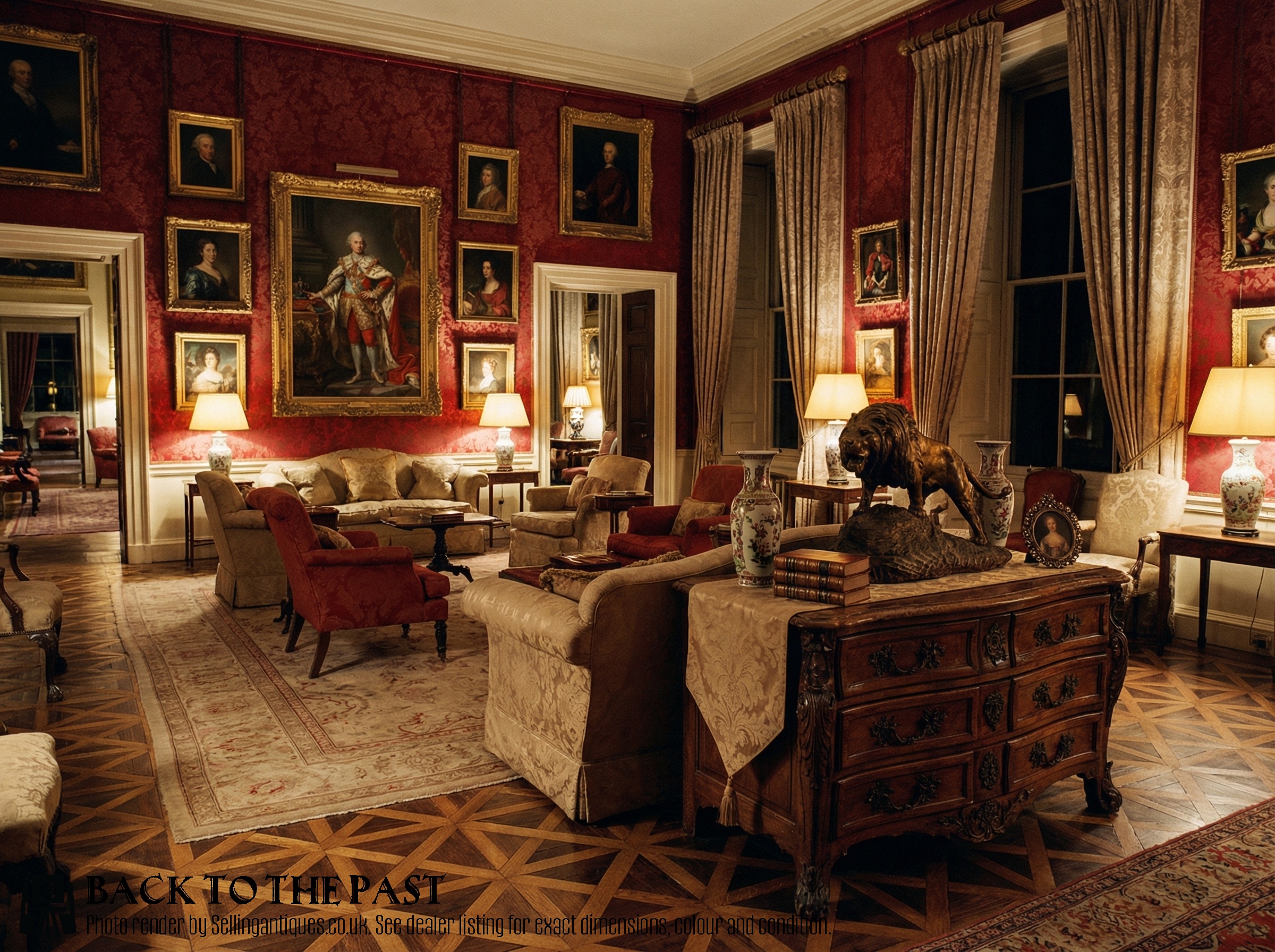
Nineteenth-century collectors placed these bronzes in studies, libraries and drawing rooms as decorative statements on desks, mantelpieces and tables. They served as conversation pieces that demonstrated the owner's appreciation for natural history and fine art.
Functional pieces like inkstands and clocks allowed owners to integrate animal sculpture directly into their daily writing and domestic routines.