




Victorian Bronze Animal Sculpture
These Victorian bronze animal sculpture pieces capture the fierce character and muscular energy of the natural world in enduring metal.

Identifying victorian bronze animal sculpture
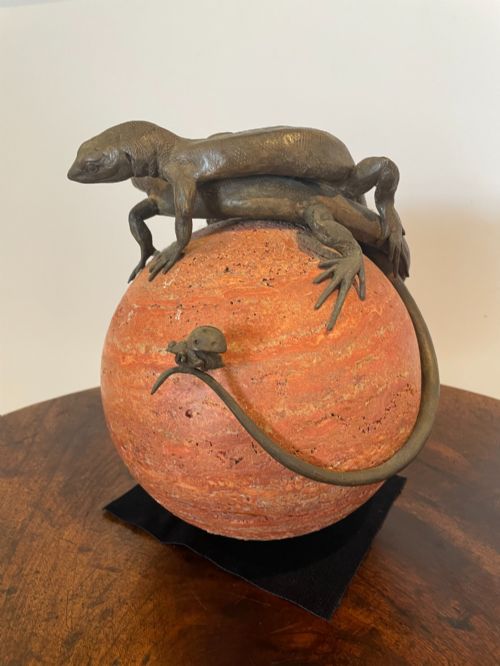
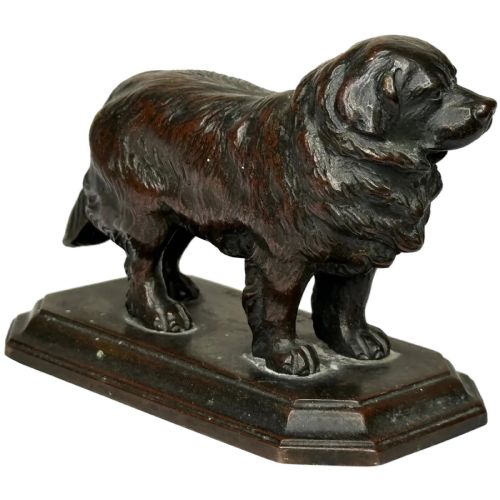
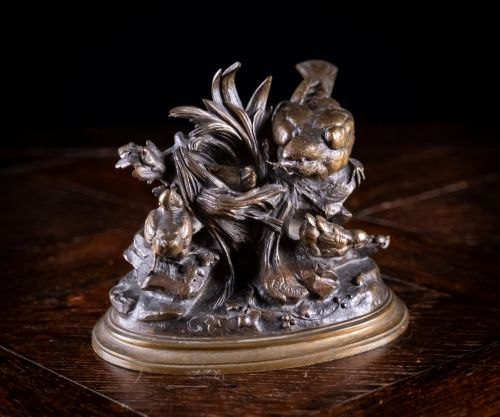
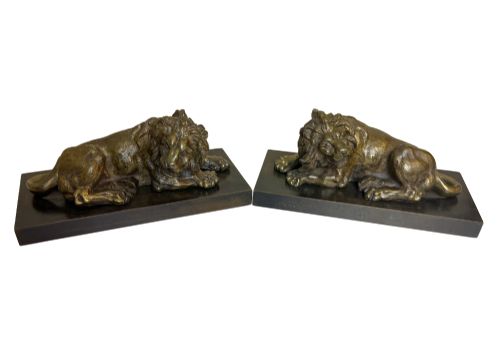
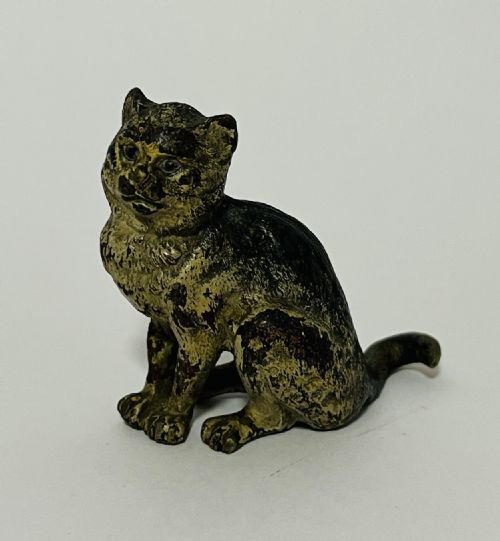
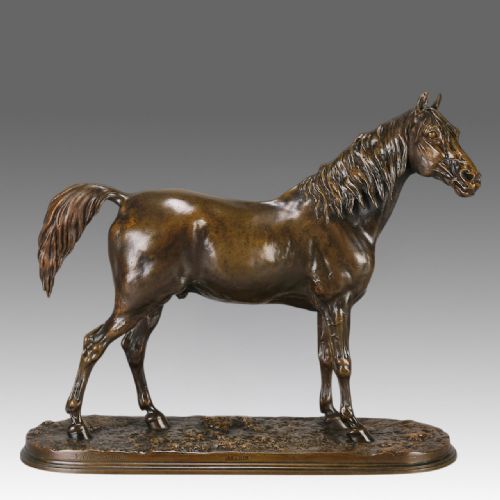
A victorian bronze animal sculpture brings the nineteenth century menagerie into the domestic interior through finely cast figures of dogs, lizards, and camels. These decorative sculptures and figurines range from French Animalier School studies to Vienna bronze novelties and practical desk accessories like inkwells and paperweights. A buyer browsing this selection is most likely to encounter French Animalier works alongside English dog figures from the middle and late nineteenth century.
The subjects span domestic hounds such as greyhounds and King Charles spaniels alongside exotic beasts including camels and lizards. Stylistic influences cross borders from French realism to Orientalist themes and playful cold painted Vienna novelties. Each piece reflects the Victorian fascination with natural history, precise anatomical observation, and characterful animal behaviour.
Materials and construction
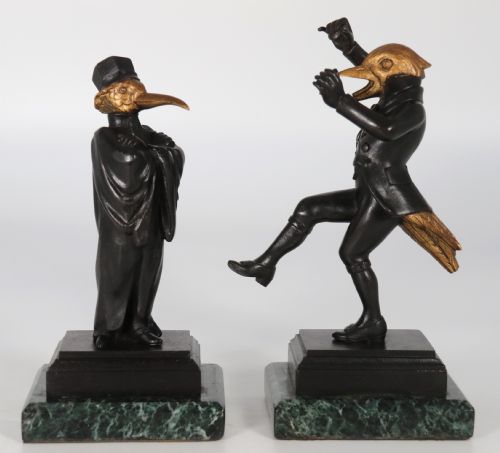
Foundries produced these works primarily in bronze, frequently employing patinated bronze surfaces or cold painted polychrome finishes using paint over the metal. Castings rest upon integral or separate bases fashioned from marble, onyx, or glass to provide stability and visual contrast. The lost-wax casting method or sand casting allowed founders to capture fine fur, muscular tension, and textured hide.
Surface treatments define the visual character of the metal, ranging from deep dark patination to brightly coloured cold painted details. Artisans mounted the figures onto stone plinths or integrated them into functional objects like desk inkwells and paperweights.
Retail Price Guide 2026
Typical UK retail prices for victorian bronze animal sculpture, calculated from the Sellingantiques database of over a million retail prices indexed since 2003. This retail price guide relies exclusively on Sellingantiques data; no external sources or auction records are used, so the figures do not describe the wider market.
Dated examples span the nineteenth century, including specific years like 1850, 1880, 1890, and 1900.
Assessing quality in bronze sculpture
Quality rests upon the crispness of the chase work and the fidelity of the anatomical rendering after casting. Superior pieces demonstrate sensitive handling of muscle, bone, and expression by established sculptors, whereas lesser works blur the fine details of coat or texture during finishing.
The depth and subtlety of the patination or the preservation of the cold painted finish dictate visual success. Bases of matched marble or onyx with clean geometry elevate the presentation far above plain or replacement mounts.
P J Mêne·Arthur Waagen·Jules Moigniez
The Victorian Bronze Animal Sculpture Glossary
- Animalier
- A nineteenth-century artistic movement focused on the realistic portrayal of animals, particularly associated with French sculptors. This style prioritises anatomical accuracy and vigorous movement.
- Cold painted bronze
- A technique where bronze figures receive paint decoration without the application of heat to fire the pigment. The paint often sits directly upon a preliminary metallic ground.
- Patinated bronze
- Metal treated with chemical solutions to produce a specific surface colour and tone. This process protects the bronze while enhancing its visual depth.
- Vienna bronze
- Small, naturalistic or whimsical bronze sculptures produced in Austrian workshops, typically finished with cold painted colours. These figures frequently depict animals in humorous or exotic poses.
Frequently Asked Questions
What is an Animalier sculpture?
An Animalier sculpture is a nineteenth-century work dedicated to the realistic and dynamic depiction of animals in bronze.
These pieces capture beasts in moments of action or rest, reflecting the period's obsession with natural history and zoology.
How do I care for bronze sculptures?
Bronze requires minimal intervention, needing only a gentle dusting with a soft, dry cloth to protect the patination.
Avoid using liquid cleaners, polishes, or abrasive cloths that can strip the original surface finish.
What is cold painted bronze?
Cold painted bronze refers to metal figures decorated with paint layers that are applied without high-temperature firing.
This technique allows for vivid, multicoloured finishes that bring birds, dogs, and Orientalist subjects to life.
Where were these sculptures displayed?
Victorians placed these figures across studies, libraries, and drawing rooms as ornaments, paperweights, or functional inkwells.
They served as conversational desk accessories and decorative focal points on mantelpieces and tables.