

Nineteenth Century Bronze Sculpture
Nineteenth century bronze sculpture delivers classical mythology, animal studies and grand tour souvenirs cast in metal and mounted on marble plinths.
Nineteenth Century Bronze Sculpture
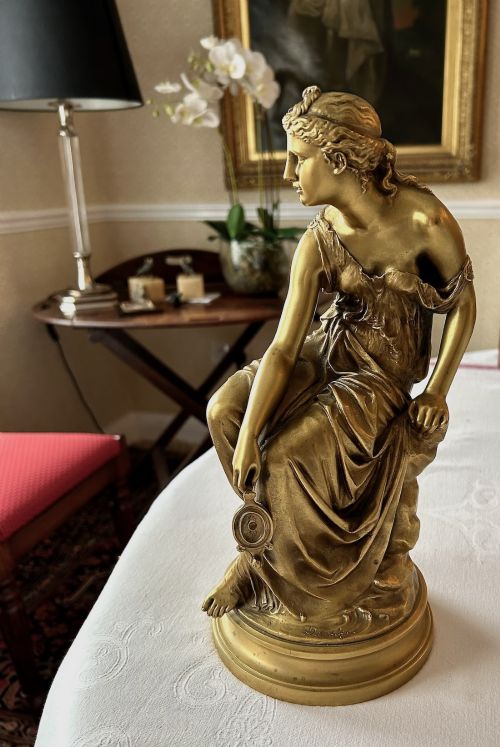
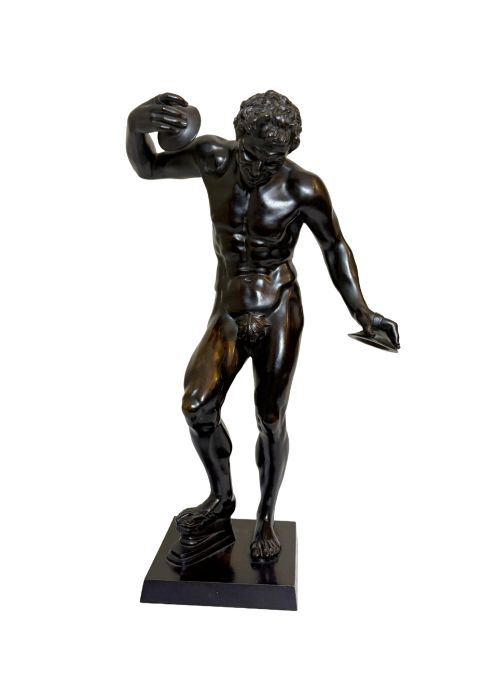
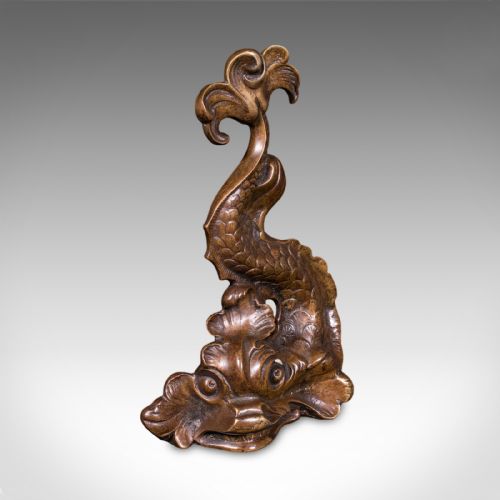
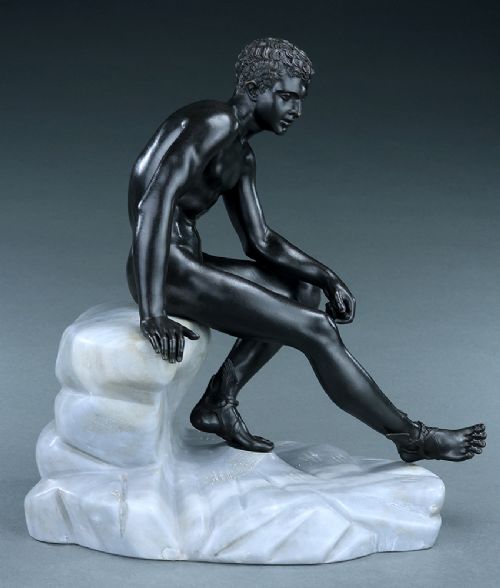
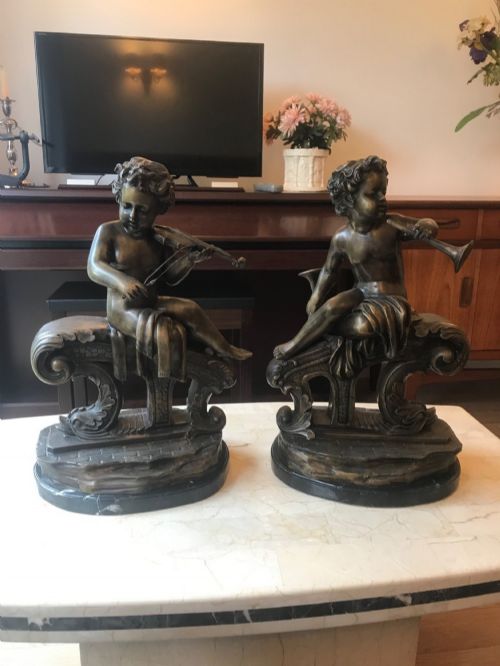
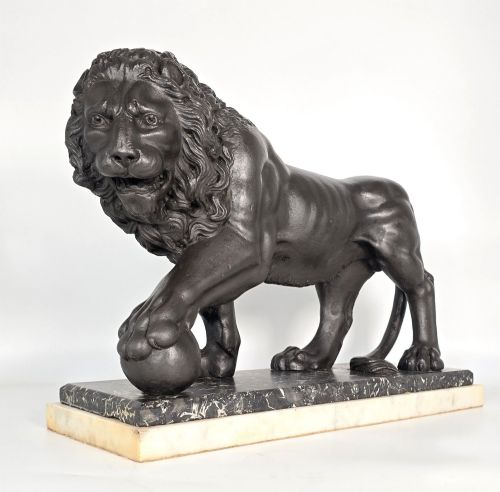
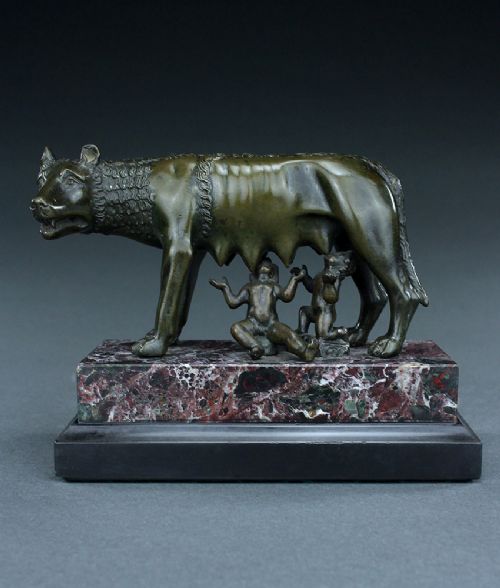
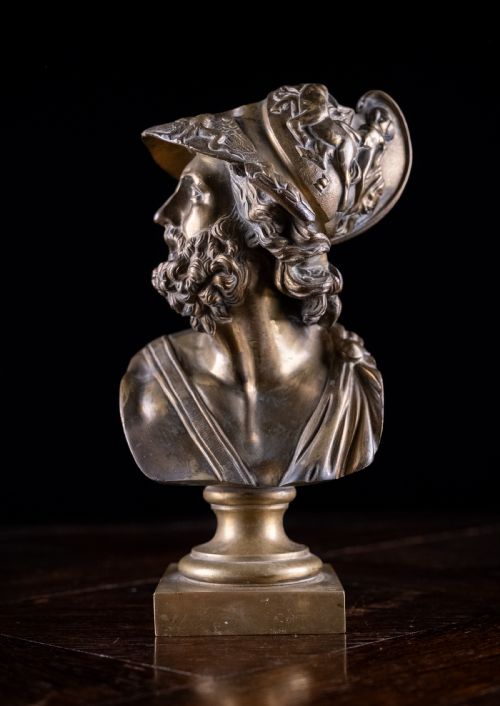
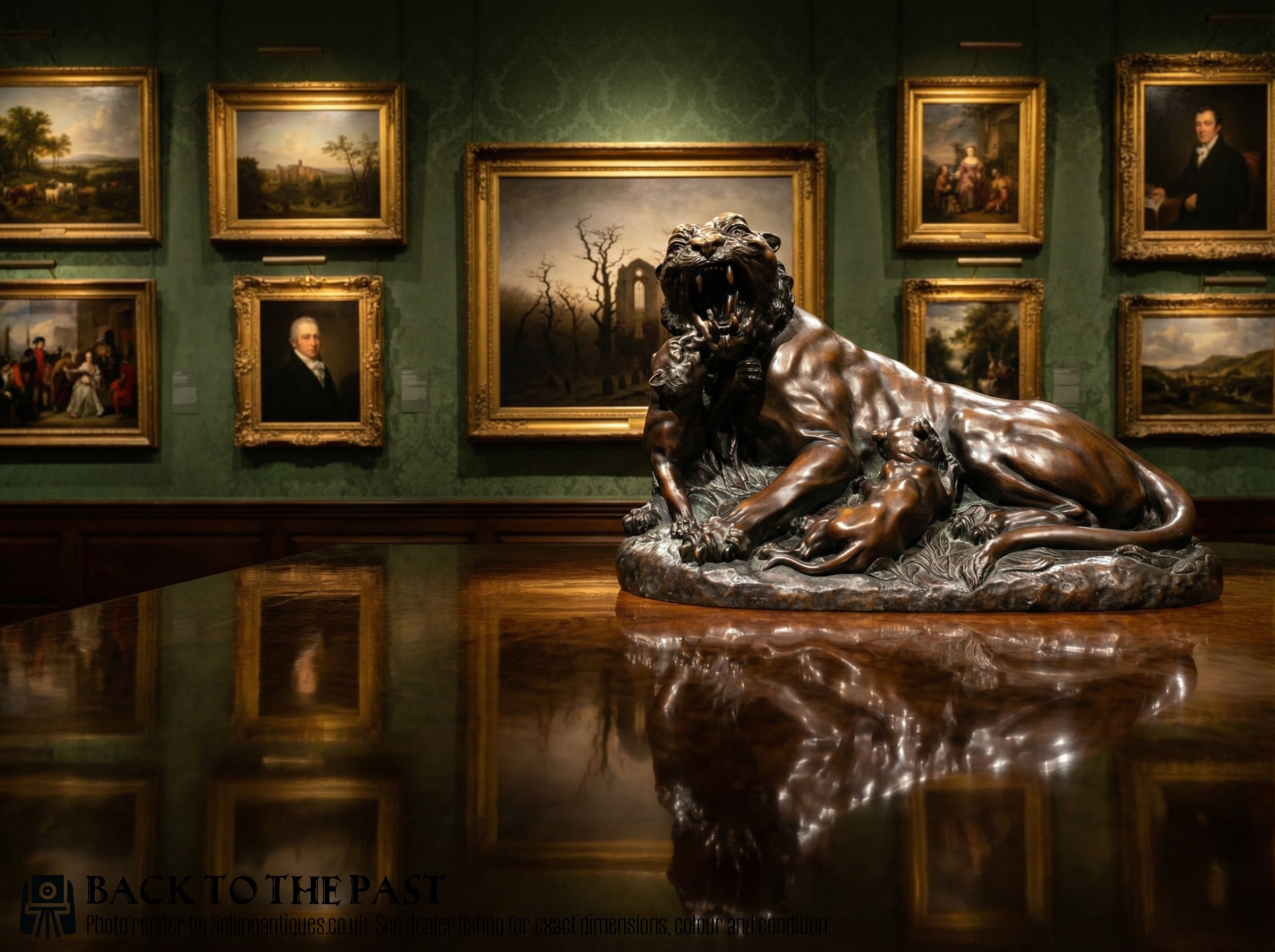
Nineteenth century bronze sculpture spans classical figures, mythological subjects, animalier studies and architectural souvenirs collected by travellers. These works range from small desk ornaments and candlesticks to substantial portrait busts and figural groups.
French foundries and Italian grand tour workshops dominate the forms, alongside distinctive Japanese Meiji period animal bronzes and Black Forest works. Figures of maidens, dancers, historical rulers and wild animals appear frequently across the selection.
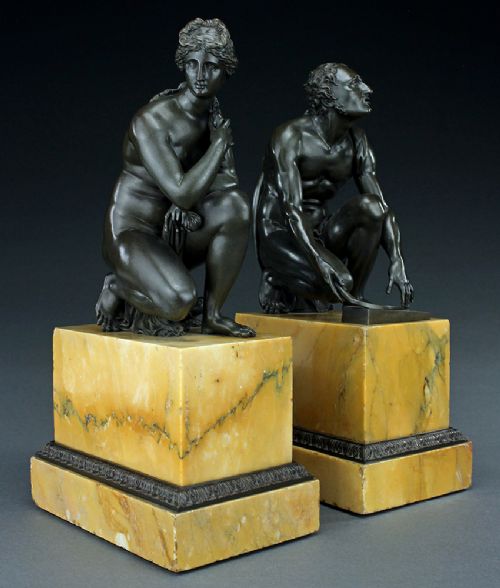
Many pieces incorporate marble plinths, granite bases or wooden mounts, grounding the metal figures. The subjects draw heavily on antiquity, literature and nature, reflecting the aesthetic interests of the period.

Casting and finishing methods
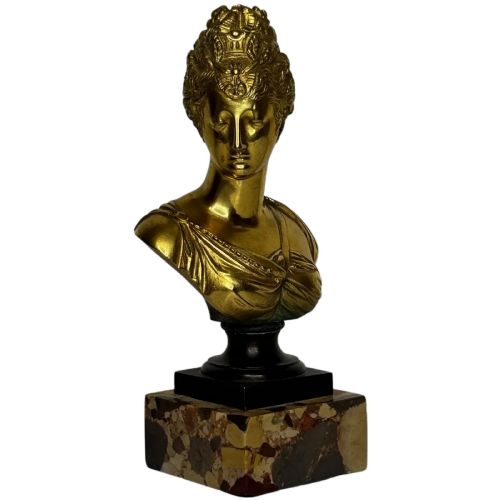
Surface treatments vary from deep dark patination and bright fire gilding to cold painted enamel colours applied over the metal. Bases of white marble, Siena marble, grey marble or olive wood were frequently added to support the sculptures.
Nineteenth Century Bronze Sculpture Retail Price Guide 2026
Typical asking prices for nineteenth century bronze sculpture among the pieces listed under this phrase on Sellingantiques today, from the lower quarter to the upper quarter. They describe what is for sale here now, not the wider market.
Listings include bronze, gilt bronze, patinated bronze, terracotta, wood and marble across nineteenth century and early twentieth century periods.
Factors influencing execution
The crispness of the chase work and the subtlety of the patina determine the visual success of a cast. Weaker examples show soft details and blunt edges where subsequent casting generations lost the sharpness of the original model.
The quality of the mounting materials also distinguishes standard production pieces from finer works. Dense polished marble plinths and carefully fitted wooden bases indicate higher workshop standards during production.

Etienne-Henri Dumaige·Alfred Barye·Emile Guillemin·Georges Van Der Straeten·Auguste Moreau·Victor Peter·Franz Bergman·Charles Anfrie
The Nineteenth Century Bronze Sculpture Glossary
- Patinated Bronze
- Metal treated with chemical solutions to produce a specific surface colour and tone. This finish protects the alloy and enhances sculptural depth.
- Grand Tour
- Souvenir objects purchased by travellers touring European cultural sites. These smaller bronzes reproduced famous classical antiquities.
- Cold Painted
- Pigment applied to cold metal without subsequent firing. This delicate finish appears frequently on Vienna bronzes.
- Animalier
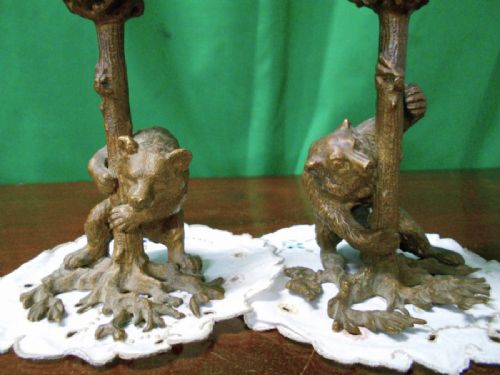
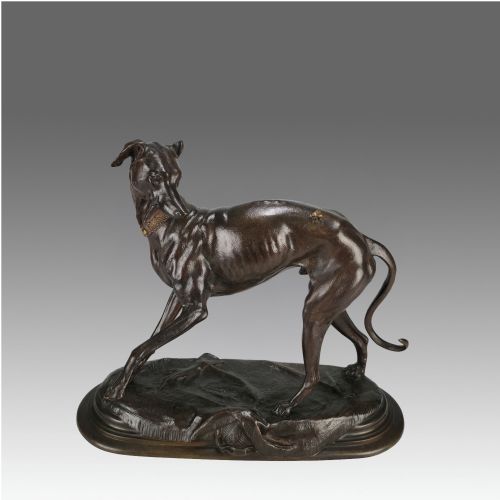
- Sculptural works focused specifically on animals in realistic poses. Naturalistic studies of bears, big cats and insects typify this genre.
Nineteenth Century Bronze Sculpture: Frequently Asked Questions
What subjects appear most often in these sculptures?
Mythological figures, historical rulers, classical dancers and animals dominate the recorded selection. Subjects range from Roman deities and literary heroes to fighting bears and rhinoceros beetles.
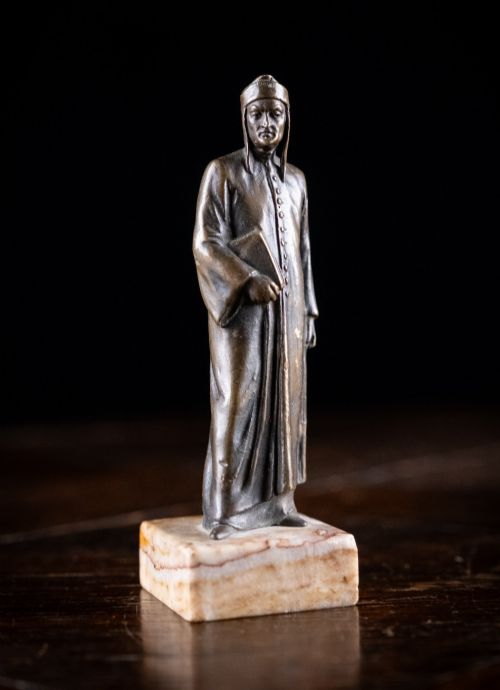
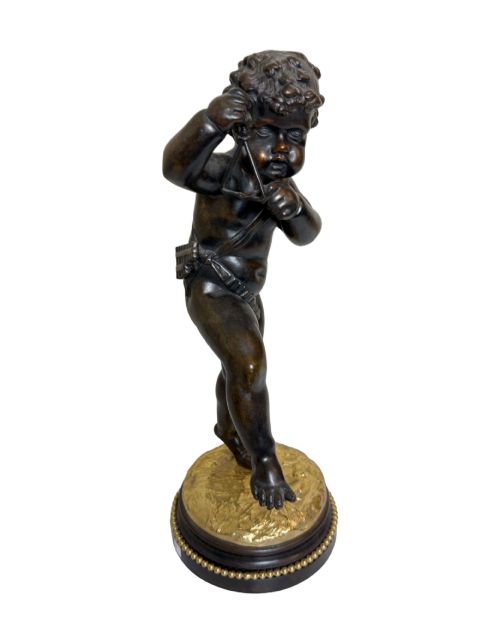
Human figures often depict classical maidens, cherubs and historical personages such as Dante or Napoleon. Animal studies capture both domestic pets and exotic wildlife with high naturalism.
How should I display bronze sculptures at home?
These pieces require stable surfaces away from direct heat sources and excessive moisture. Placing them on sturdy wooden furniture or dedicated display stands protects both the sculpture and its marble base.
Dusting with a soft dry cloth maintains the surface without disturbing the original patina or cold painted details. Avoid using commercial metal polishes on patinated or gilded surfaces.
Are marble bases original to the pieces?
Many nineteenth century bronzes were cast specifically to be mounted on marble or stone plinths. Materials such as white marble, Siena marble and grey marble provided essential stability for standing figures.
Matching the stone type and mounting style to the period helps verify the integrity of the object. French and grand tour pieces frequently utilised fitted stone bases.
How do I distinguish French works from grand tour pieces?
French foundry pieces often bear signatures, foundry stamps or titles relating to specific salon sculptors. They frequently showcase elaborate gilding or fine patination on literary and allegorical themes.
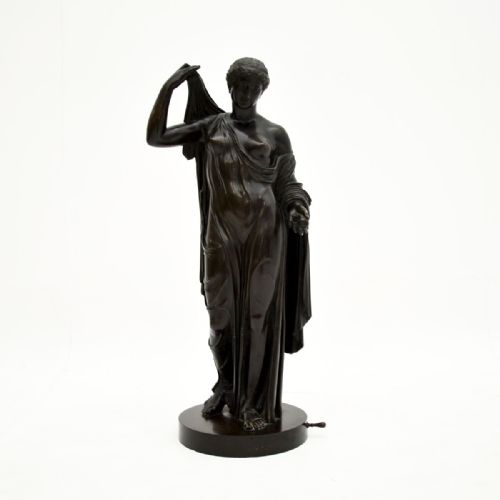
Grand tour bronzes typically reproduce specific ancient Roman or Greek sculptures acquired in Italy. These souvenirs often feature unlabelled patinated bronze mounted on simple marble columns.