

French Figural Bronze
These french figural bronze works capture human and animal subjects with remarkable foundry skill, offering collectors sculptural elegance from the nineteenth and early twentieth centuries.
What french figural bronze pieces are
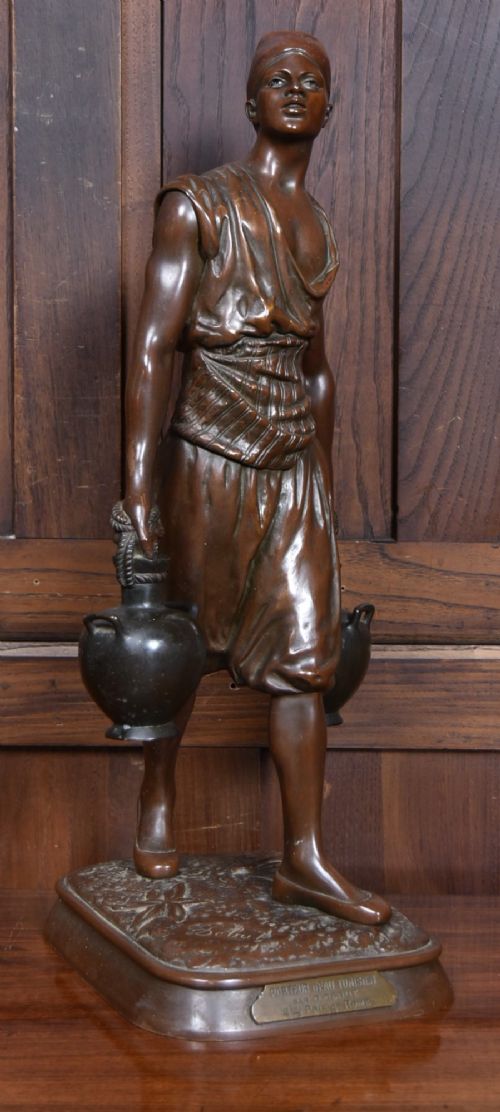
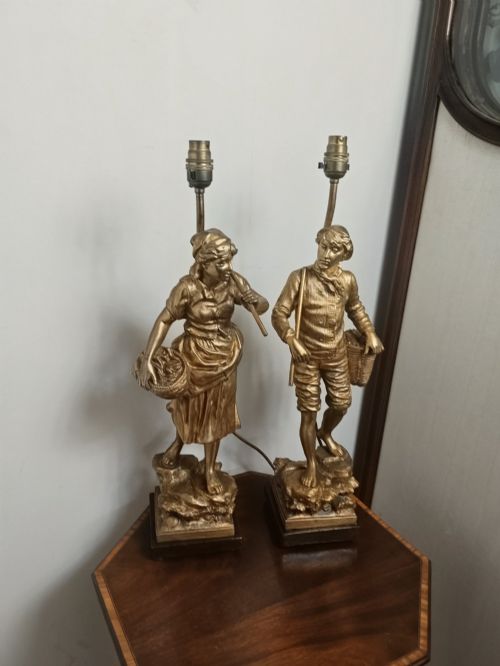
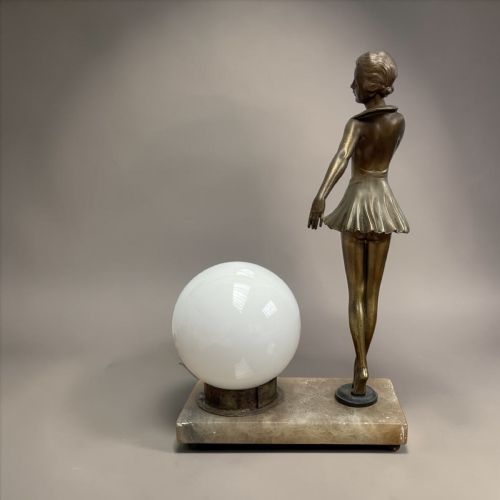
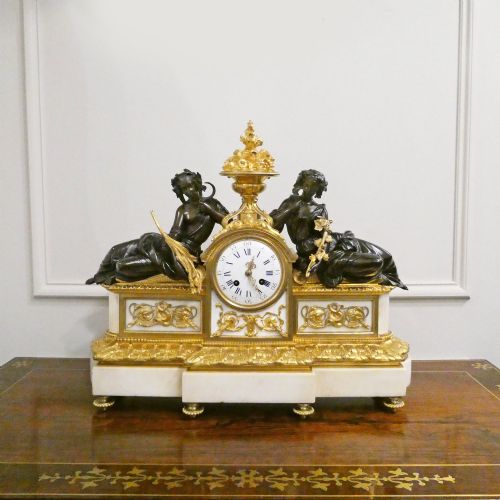
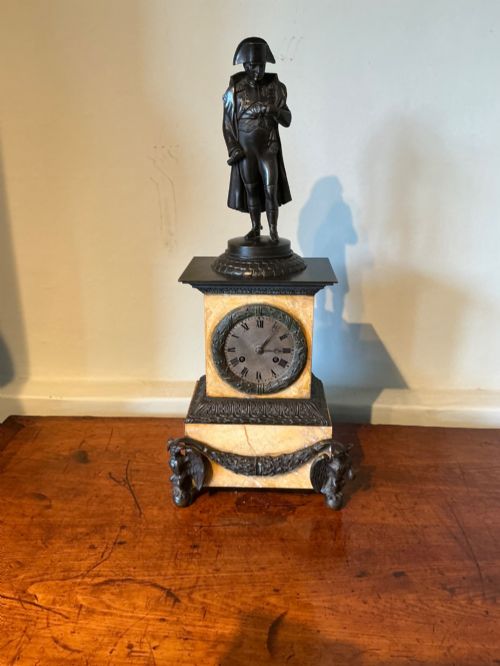
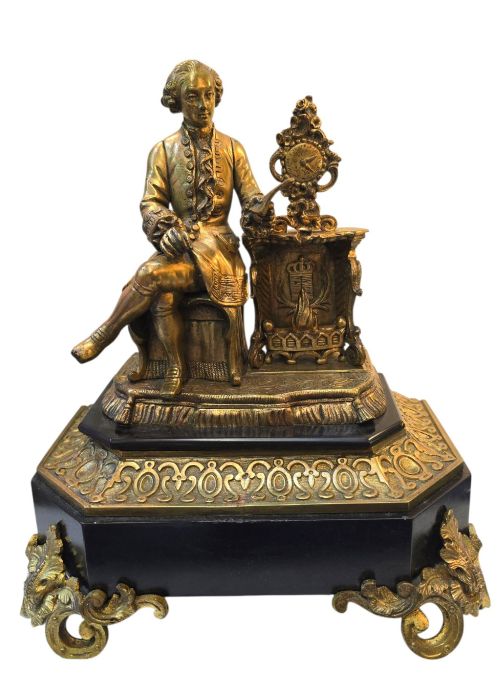
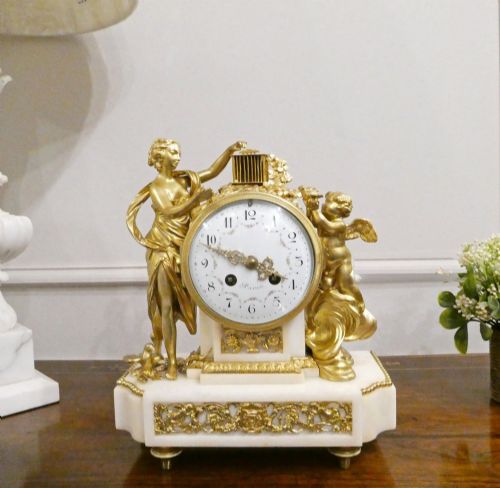
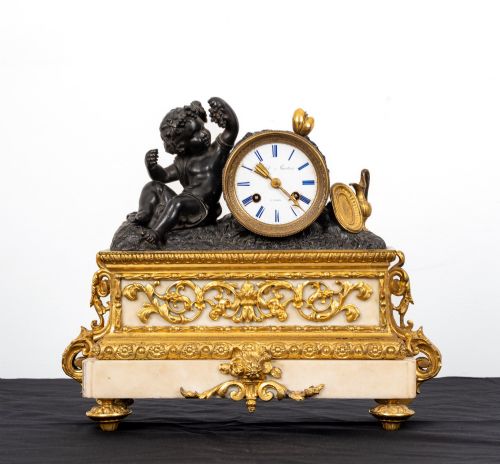
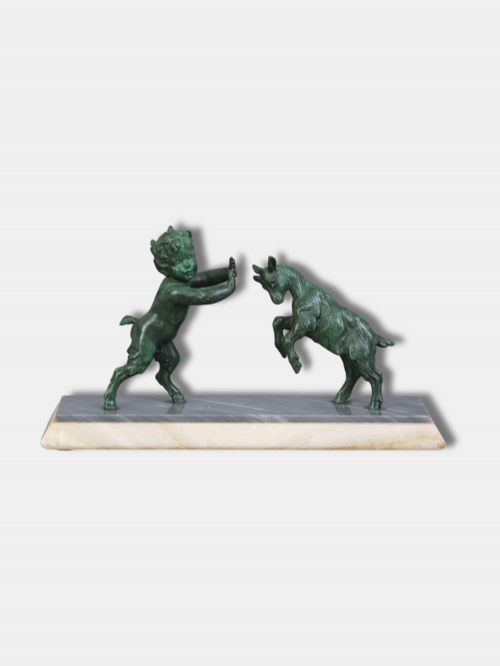
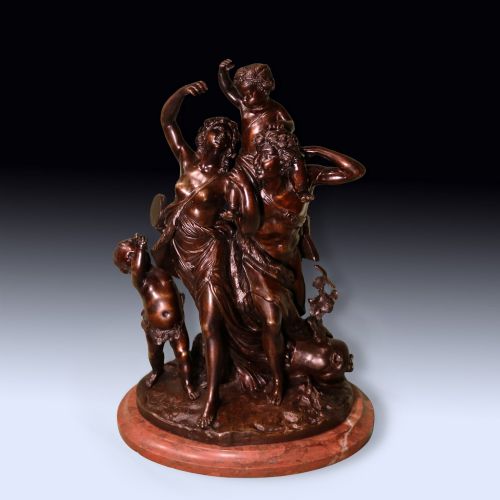
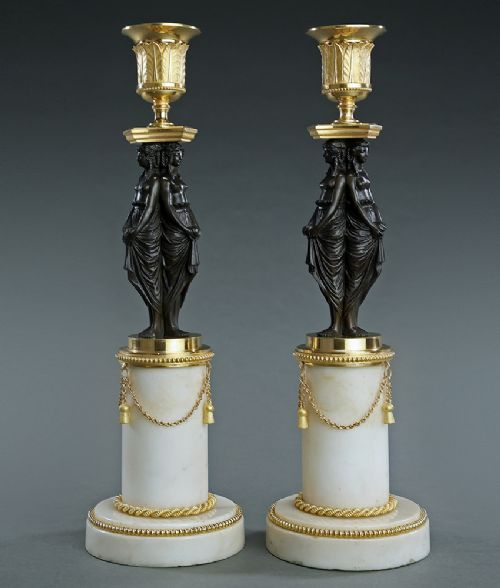
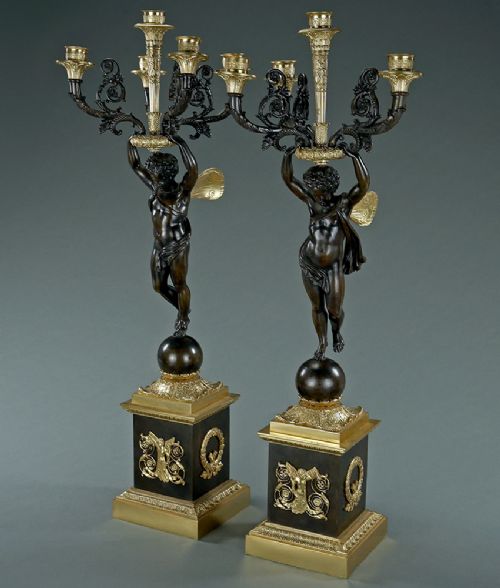
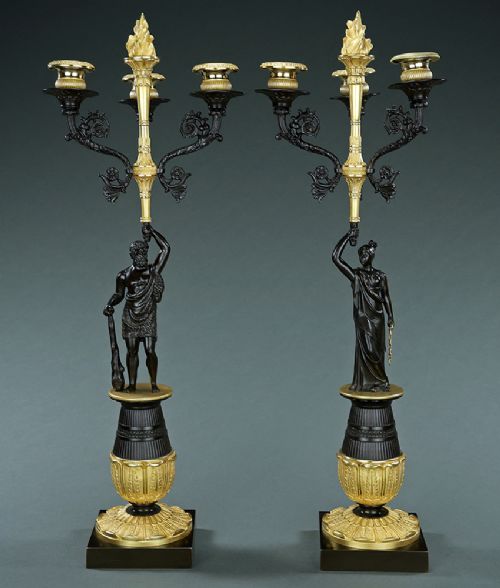
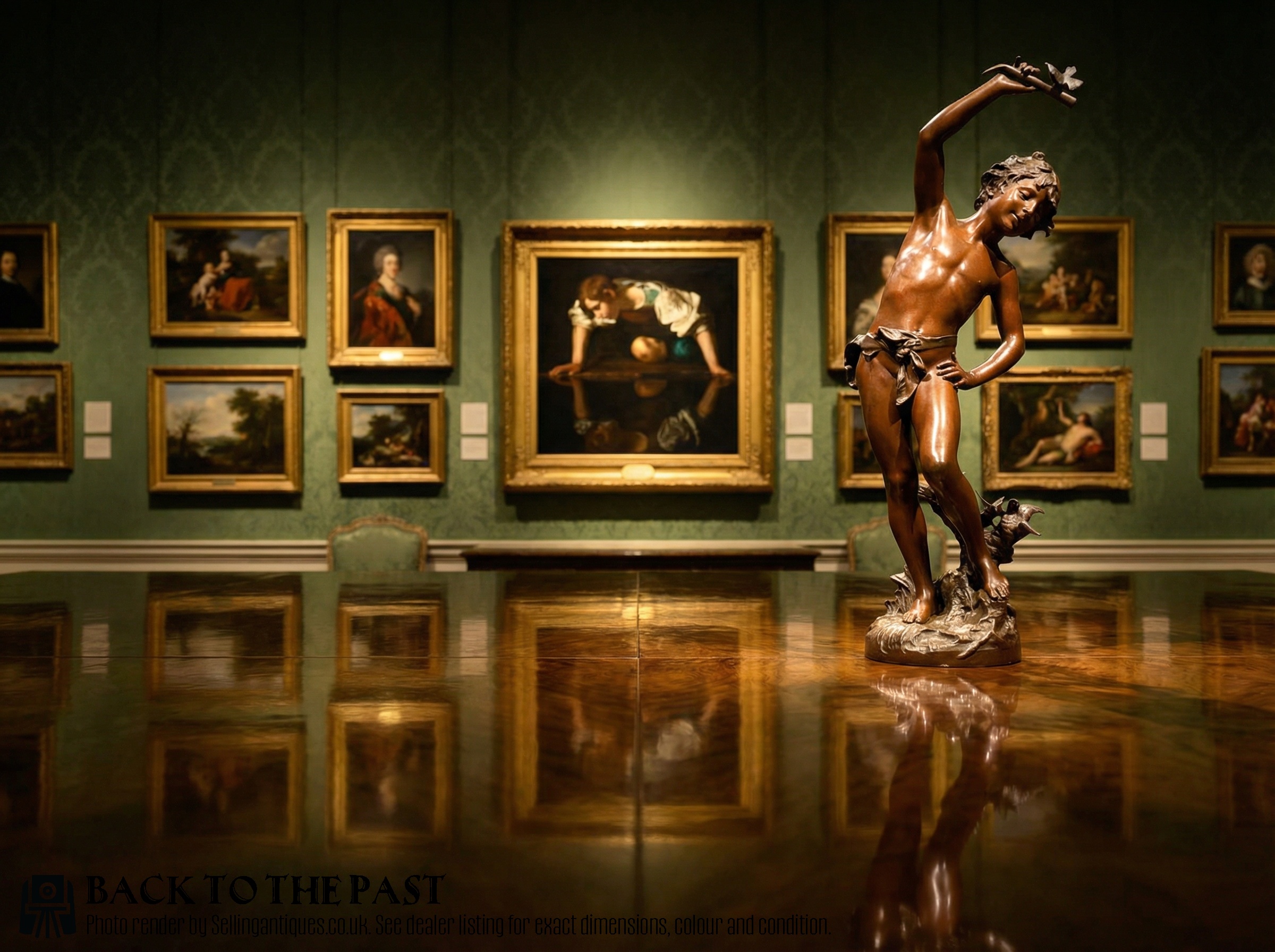
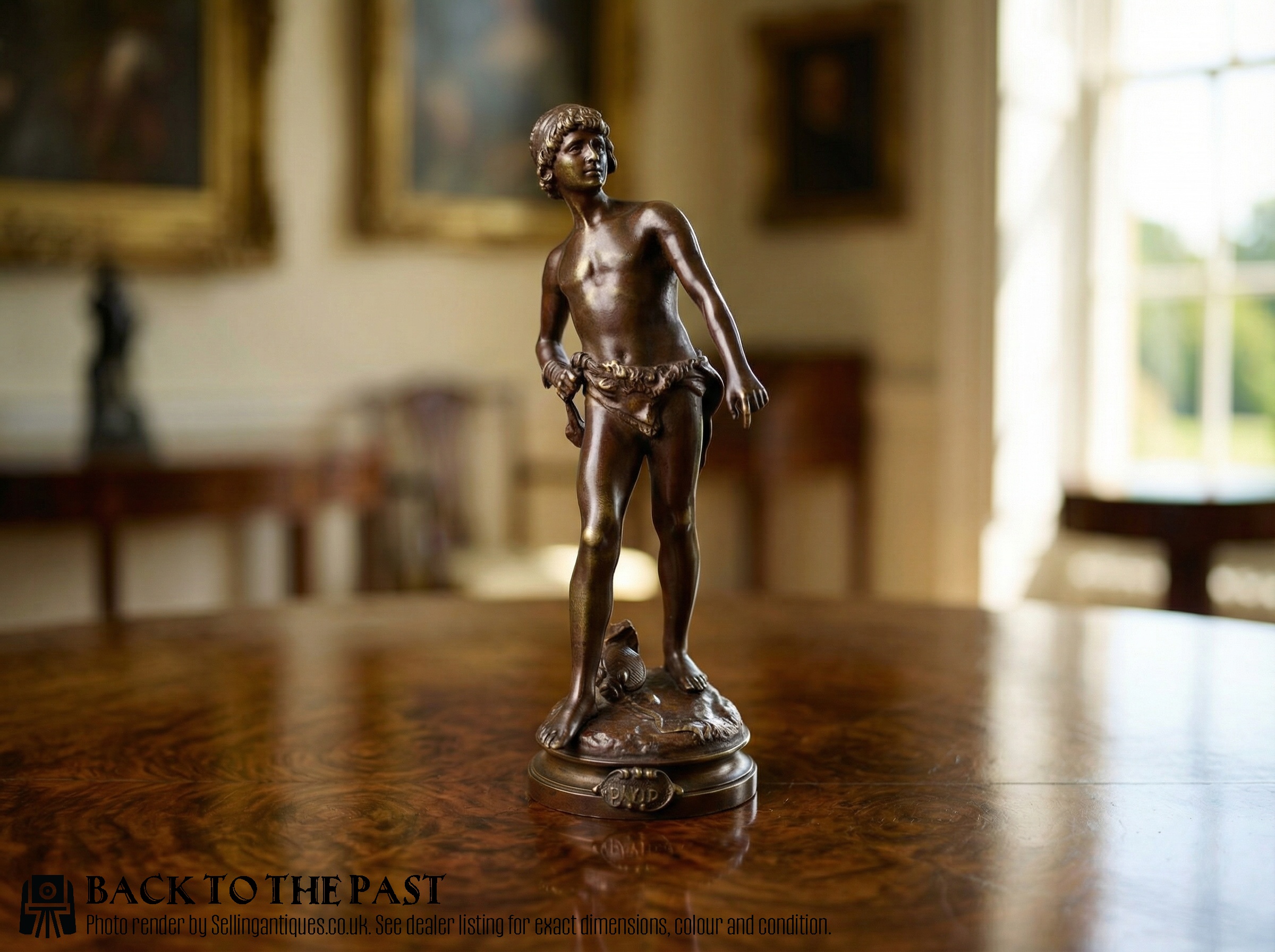
When searching for french figural bronze, you encounter sculptural works depicting human figures, animals, and mythological subjects created in France. These objects take the form of standalone statues, figural groups, clocks, chandeliers, lamps, and desk accessories.
The pieces on this page span from the nineteenth century into the early twentieth century. Common styles include French Realism, Academic works, and Art Nouveau designs.
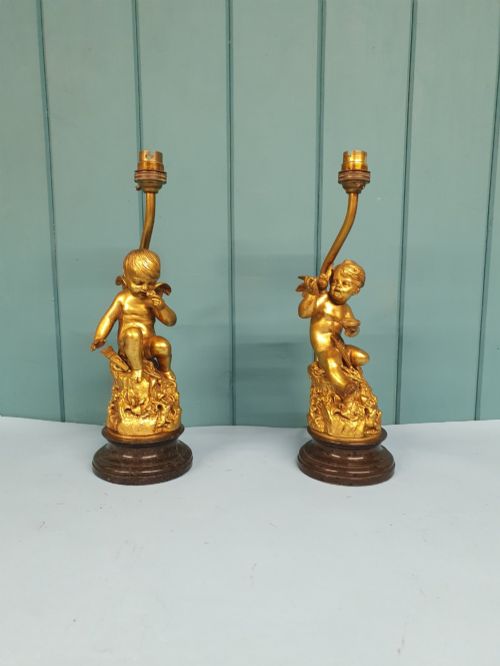
Subjects range from mythological figures and musical putti to farm labourers, dancers, and animals such as dogs and cats. Many of these sculptures interpret classical themes or depict everyday French life.
Materials and construction methods
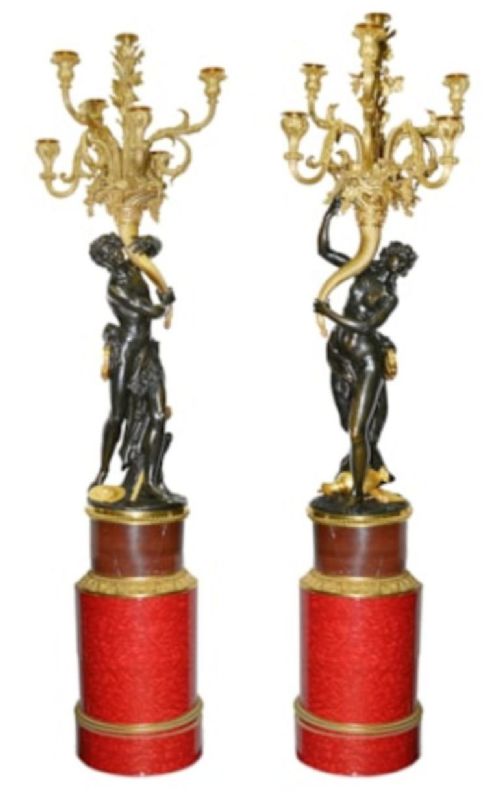
Foundries utilised bronze as the primary medium, frequently applying specific surface finishes including patinated bronze, silvered bronze, and gilt bronze. Certain compositions incorporate marble, onyx, glass, and cut crystal elements.
Many sculptures are cast after renowned sculptors, while others bear signatures from established makers. Artisans combined metal casting with chasing and mounting techniques to achieve detailed textures on robes, hair, and animal forms.
Retail Price Guide 2026
Typical UK retail prices for french figural bronze, calculated from the Sellingantiques database of over a million retail prices indexed since 2003. This retail price guide relies exclusively on Sellingantiques data; no external sources or auction records are used, so the figures do not describe the wider market.
Listings feature bronze, patinated bronze, silvered bronze, and gilt brass combined with marble, onyx, and crystal.
Factors that distinguish quality
Quality in these sculptures rests upon the crispness of the casting and the sensitivity of the chasing work after the metal leaves the mould. Superior examples preserve fine facial expressions, drapery folds, and anatomical details without blurring.
The depth and nuance of the patina or gilding separate finer works from simpler production pieces. Secondary materials such as marble bases, onyx plinths, and applied glass eyes also influence the refinement of the object.
Jules Dalou·Claudius Marioton·Auguste Moreau·Carrier·A. Gaudez·Louis Auguste Moreau·Jean Gautherin·Claude Michel Clodion
The French Figural Bronze Glossary
- Patinated bronze
- Bronze treated with chemical solutions to produce a darkened or coloured surface finish. This technique protects the metal and accentuates sculptural contours.
- Gilt bronze
- Bronze coated with a thin layer of gold or gold-coloured alloy. Also known as ormolu, this finish provides a bright, reflective surface often seen on decorative clocks and candelabra.
- Silvered bronze
- Bronze treated with a silver coating to give a pale, metallic finish. It appears frequently on nineteenth-century figural groups.
- Putti
- Depictions of small, winged infants or cherubs used in classical and Renaissance-revival art. They often appear in musical or playful sculptural groups.
- Tazza
- An ornate shallow cup or bowl set upon a stem and foot. In metalwork, these pieces frequently feature figural supports.
Frequently Asked Questions
How do I identify French bronze periods?
Stylistic indicators help distinguish periods within these bronzes. Art Nouveau pieces feature fluid, organic lines, while nineteenth-century academic and realist works focus on classical proportion and detailed narrative.
Foundry marks, signatures, and material combinations such as onyx or marble bases further clarify the date of production.
Where were these bronzes displayed originally?
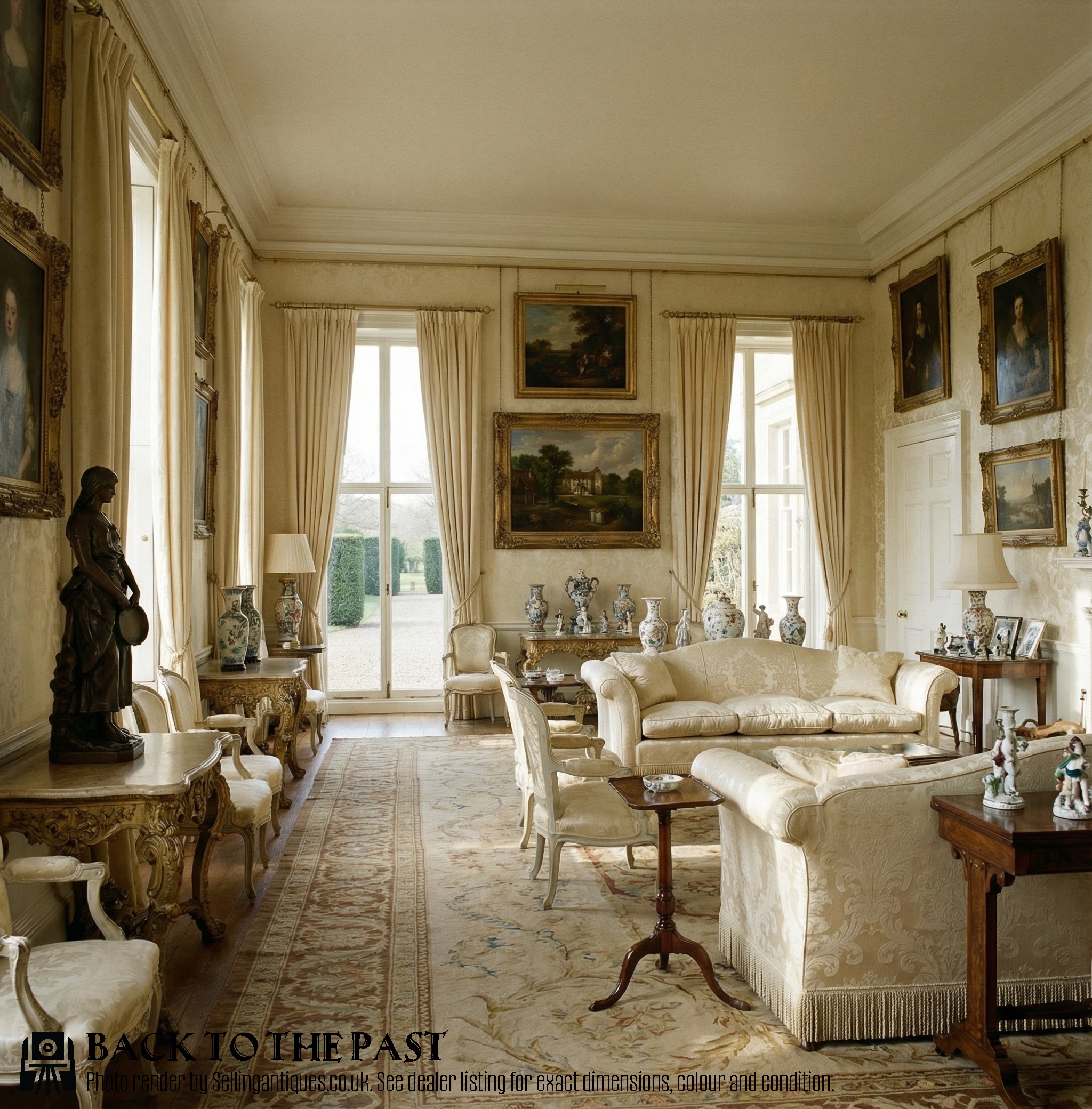
These pieces served multiple functions in period interiors. Larger sculptures stood in reception rooms, while functional items like clocks, desk tidies, and candelabra occupied studies and mantelpieces.
Table lamps and chandeliers integrated figural bronze work into domestic lighting schemes.
How should I clean my bronze sculpture?
Maintenance requires only gentle dusting with a soft, dry cloth to prevent the accumulation of dirt. Avoid chemical polishes, abrasives, and water, which can damage the original patina or gilt surfaces.
Preserving the surface skin maintains the integrity and visual depth of the metal.
What subjects are most common?
Human figures form a large category, including classical deities, poets, knights, dancers, and labourers. Animal subjects also appear frequently, ranging from domestic dogs and cats to birds of prey.
Mythological groups involving putti and bacchic figures represent another major theme in the archive.