
French Art Bronzes
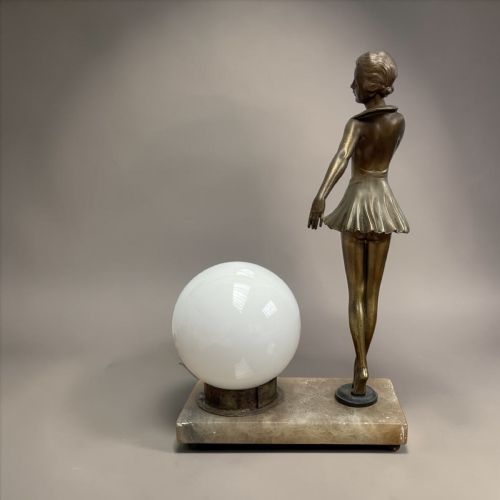
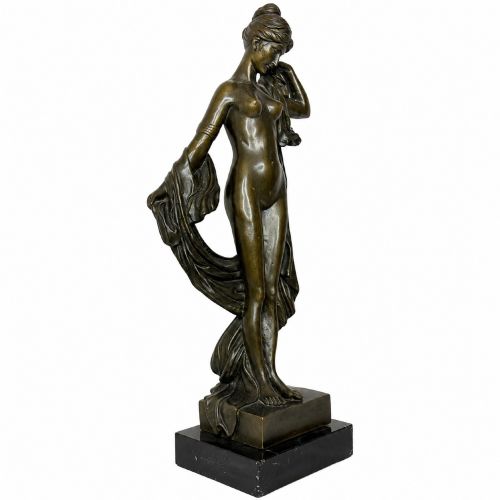
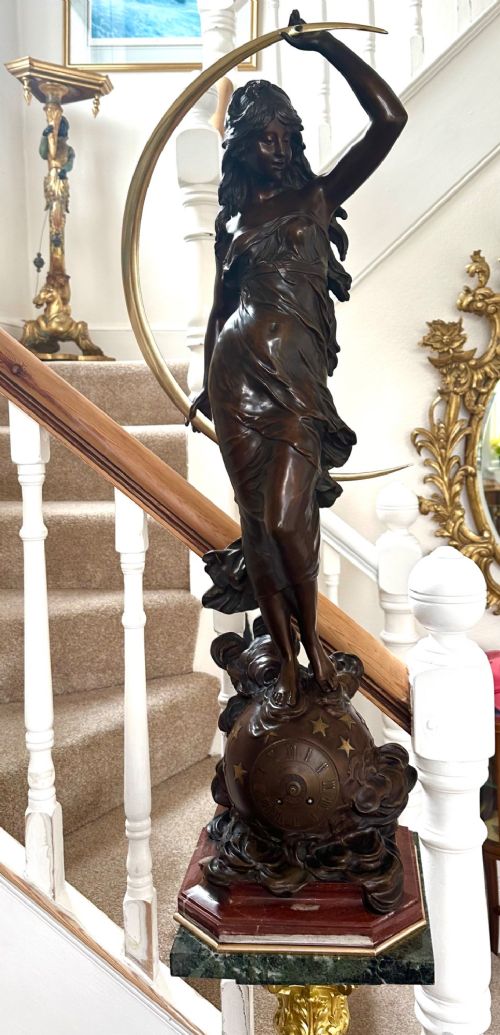
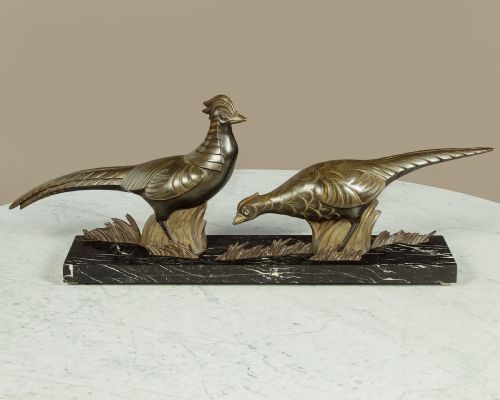
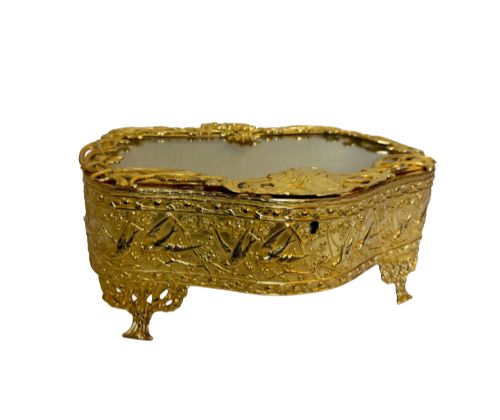
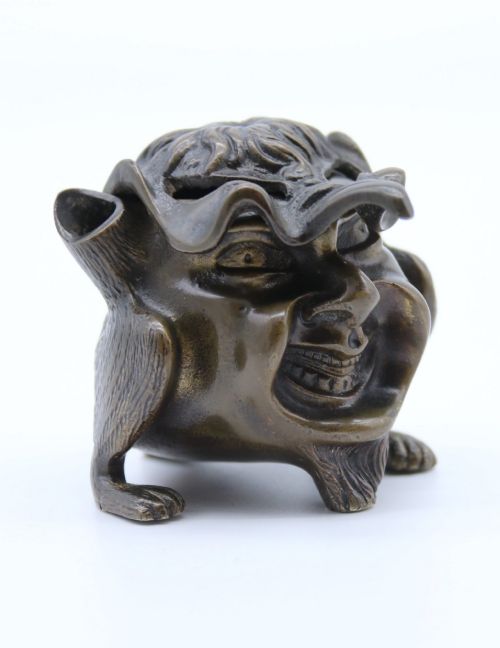
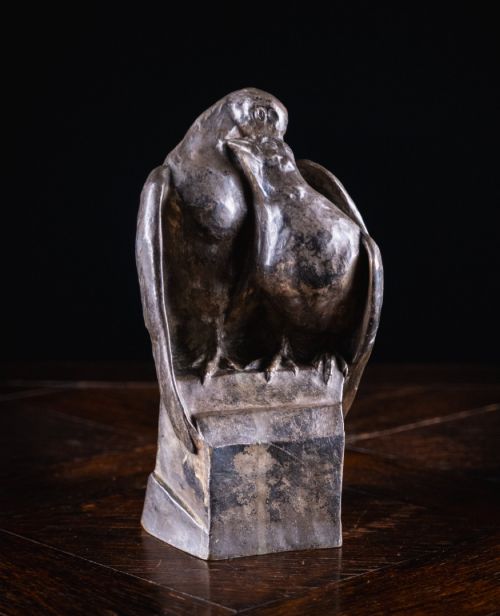
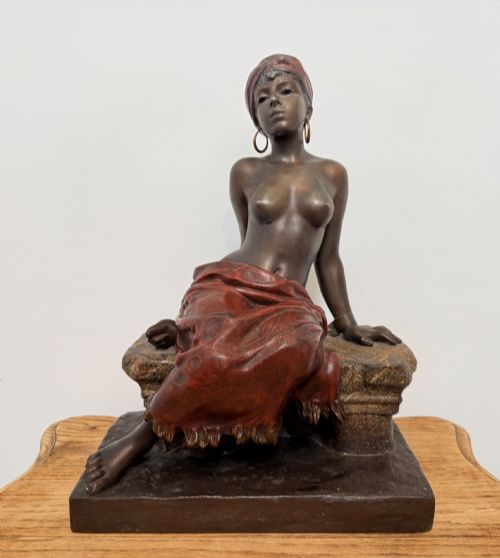
French art bronzes encompass figures, lamps, and decorative objects spanning the late nineteenth century through the art deco era.
French Art Bronzes
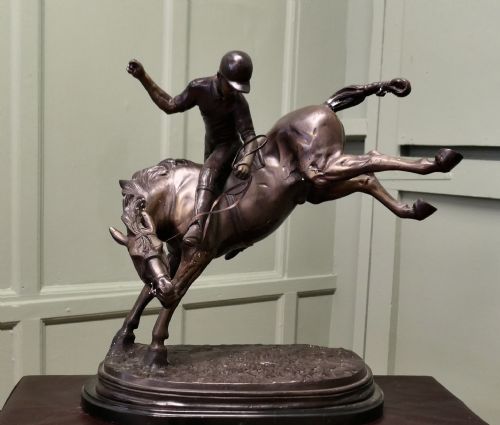
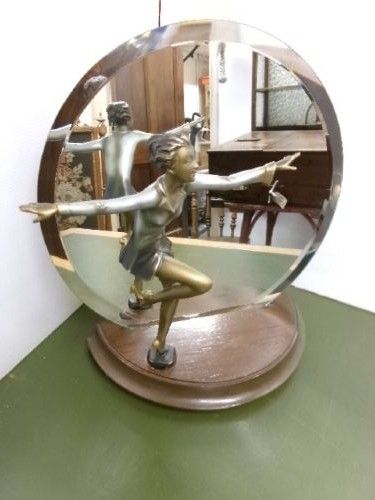
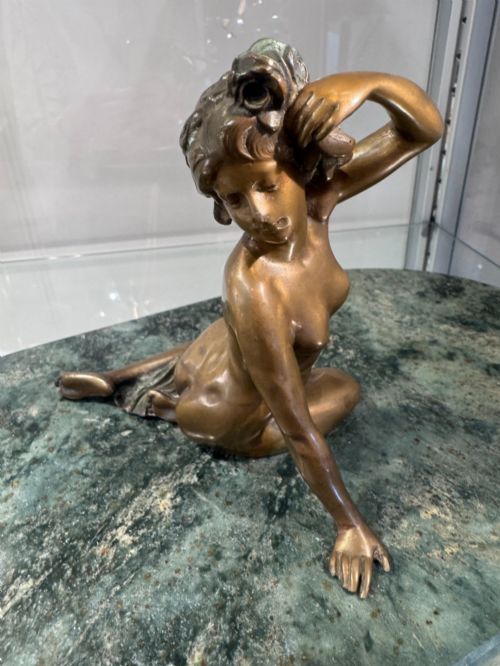
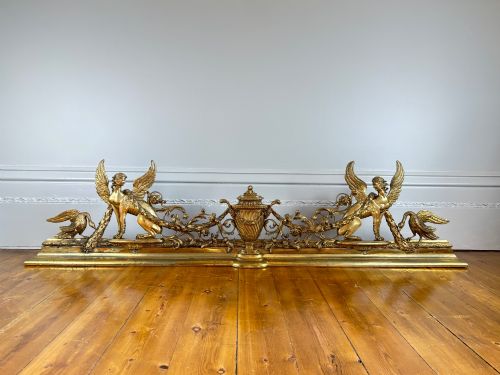
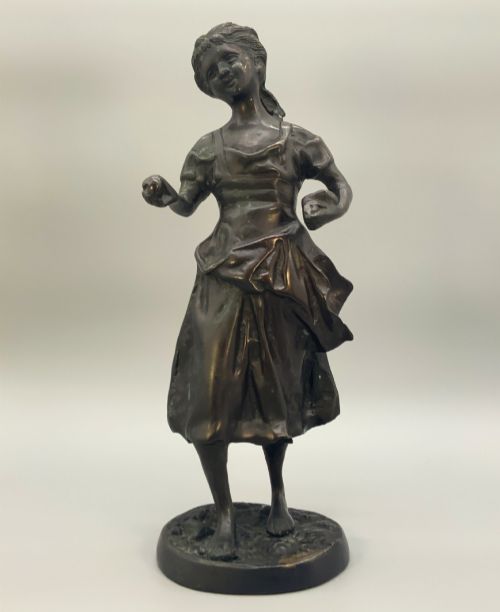
French art bronzes include figurative sculptures, lighting, and decorative accessories created across the nineteenth and twentieth centuries. When searching for French art bronzes, buyers encounter works ranging from nineteenth-century realism and neoclassical revival to flowing art nouveau designs and geometric art deco forms.
What varies in quality
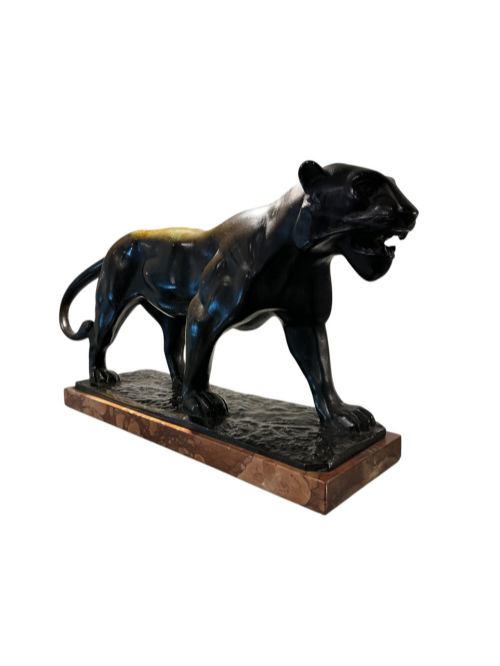
The refinement of the casting and the crispness of the chisel work define the upper tier of these pieces. Details in facial expressions, drapery, and animal musculature separate standard foundry output from masterworks.
Listings span periods from the late nineteenth century through the 1940s, featuring bronze, marble, glass, and spelter.
Pierre le Faguays·Raymond Subes·E F Caldwell·Moreau Family·August Moreau·Frederique Cederlund-Ozanne·Maurice Jallot·Affortunato Gory·Emile Carlier·Alexandre Ouline·Mathurin Moreau·Demetre Chiparus·Emmanuel Villanis·Henri Godet·Aurore Onu·G.E.C·Henry Wissen Senior·Sega·C J R Colinet·Charmereine·Jules Dalou
The French Art Bronzes Glossary
- Patinated bronze
- Bronze treated with chemical solutions to produce a specific surface colour or dark tone. This finish protects the metal and highlights sculptural contours.
- Spelter
- An alloy of zinc and lead often used as a substitute for bronze in decorative figures and lamps. It is lighter and softer than true bronze.
- Gilt bronze
- Metal coated with a thin layer of gold or gold leaf to create a brilliant, reflective surface. It is also known as ormolu.
- Cold painted
- A method where paint is applied to a bronze object without heat-firing. The pigments sit on the metal surface rather than fusing into a patina.
- Art nouveau
- A decorative style characterised by flowing, organic lines and floral motifs. It flourished between the late nineteenth century and the First World War.
French Art Bronzes: Frequently Asked Questions
How do I identify art deco bronzes?
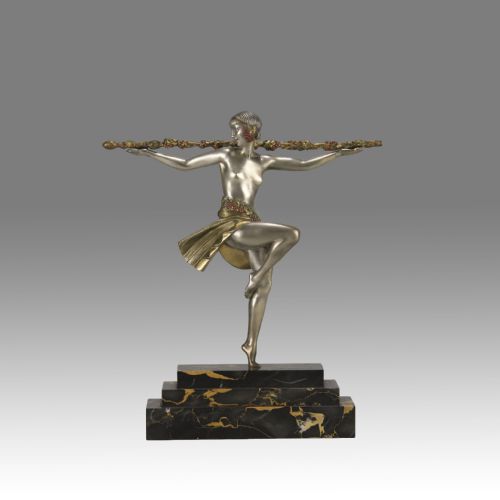
Art deco bronzes display streamlined geometries, stylised animal forms, and depictions of dancers from the interwar period. They frequently incorporate contrasting materials like marble or alabaster.
Look for clean lines and modern motifs that depart from the flowing organic curves of earlier art nouveau pieces.
What is the difference between bronze and spelter?
Bronze is a durable copper alloy capable of holding fine chisel details and developing a deep patina over time. Spelter is a softer, zinc-based metal that was used for more affordable decorative figures and lamps.
Underneath the finish, spelter is lighter and more brittle than genuine bronze.
Where were these decorative pieces used?
These items served as mantel decorations, desk accessories, and lighting in bourgeois French interiors. Sculptures adorned living spaces while specialised pieces like inkwells and chandeliers fulfilled domestic functions.
Larger figures often required dedicated pedestals or substantial furniture surfaces for display.
How should I clean a bronze sculpture?
Dust the surface gently with a soft, dry cloth to prevent the accumulation of grit. Avoid using harsh chemical polishes that can strip away the original patina.
Professional conservation advice should be sought if the metal requires deeper cleaning or restoration.