


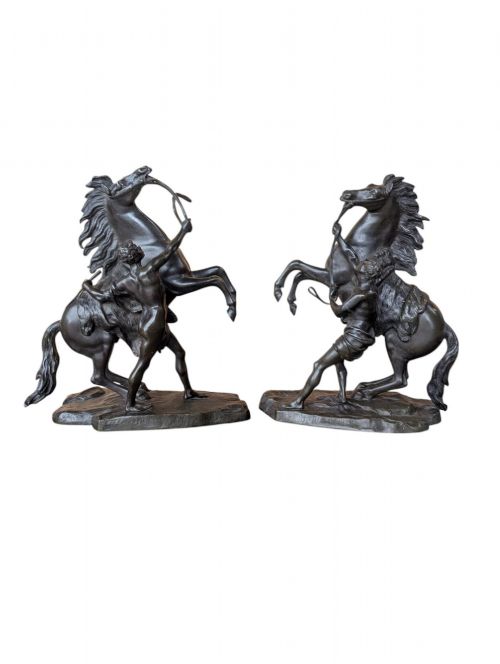
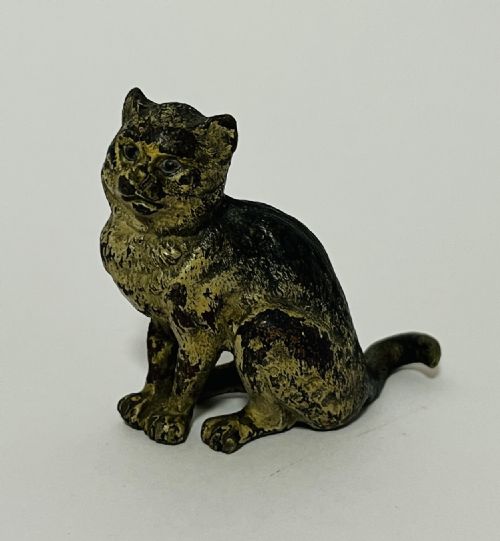
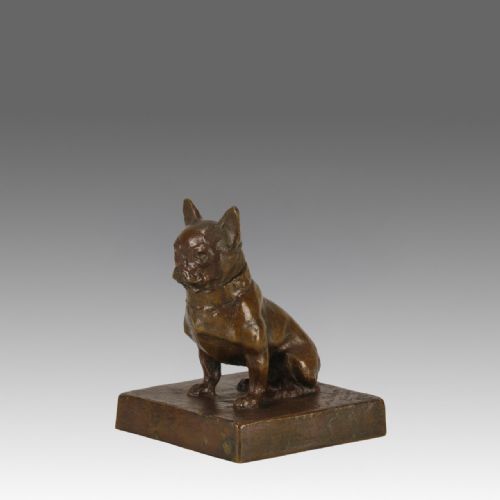
Brown Bronze Statuette
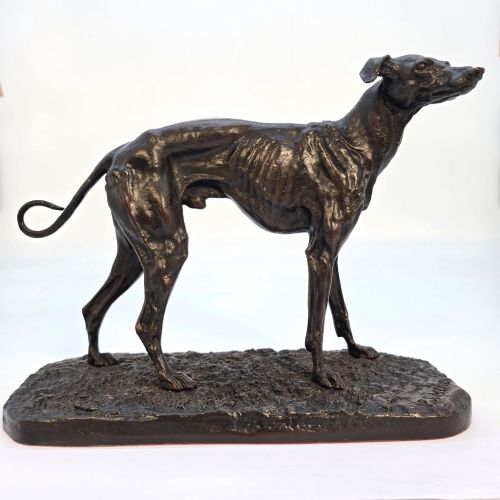
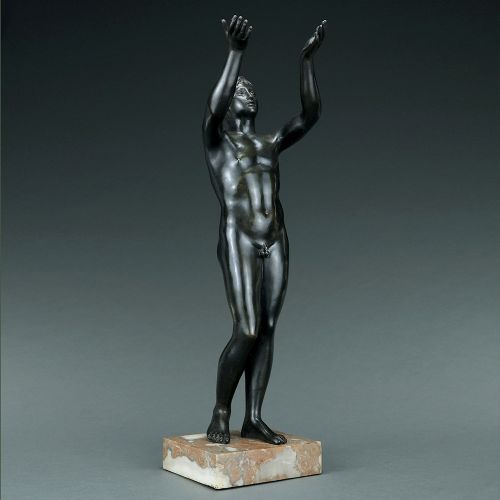
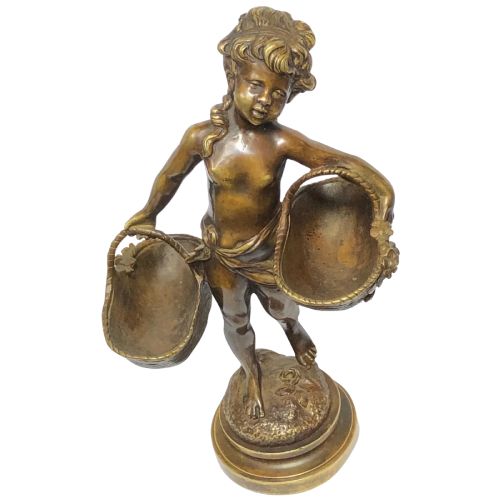
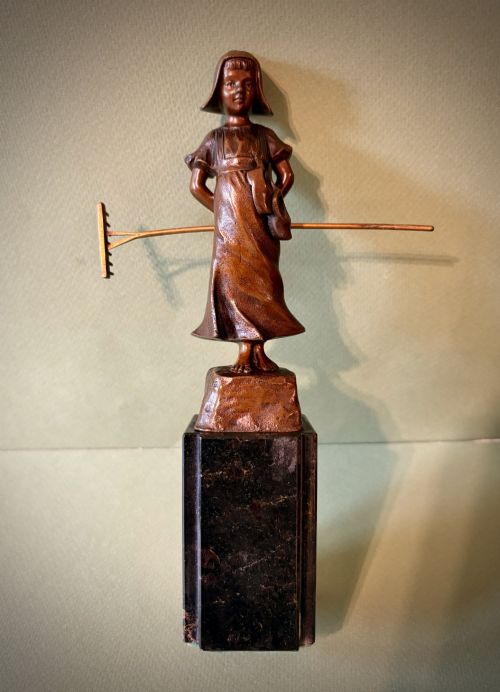
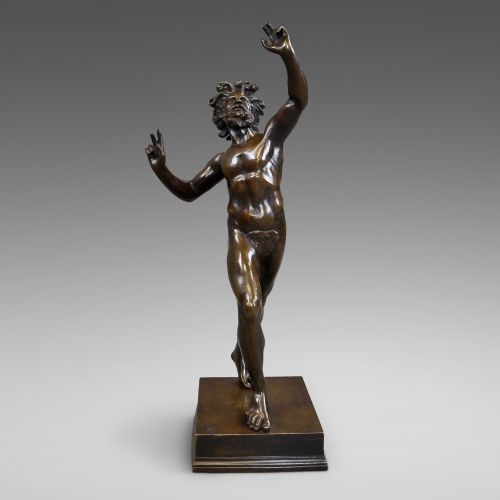
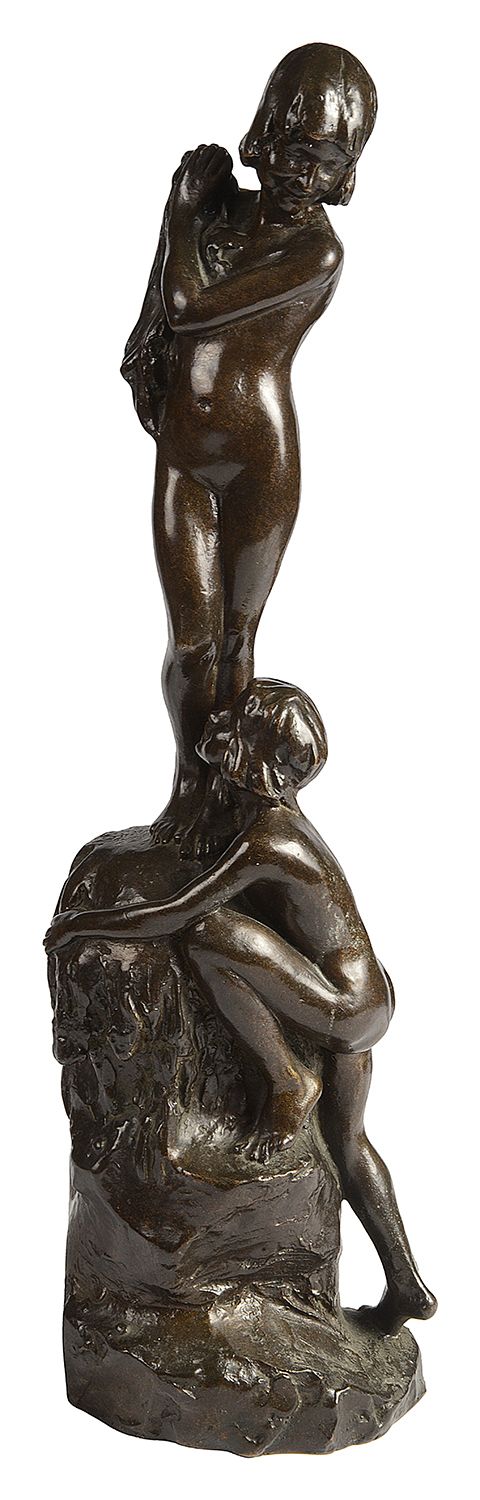
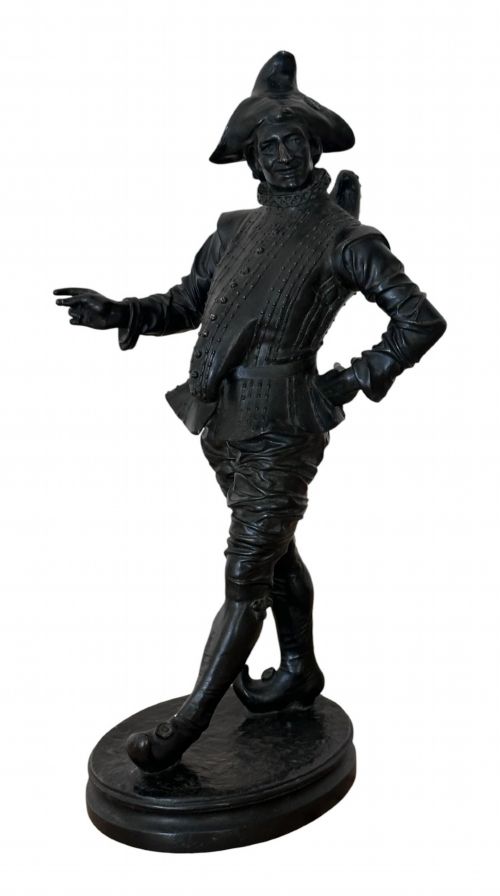
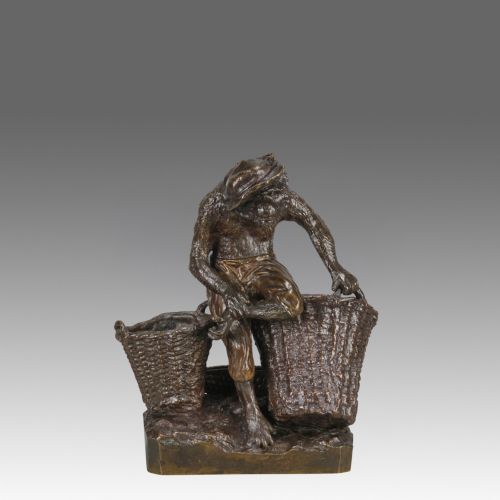
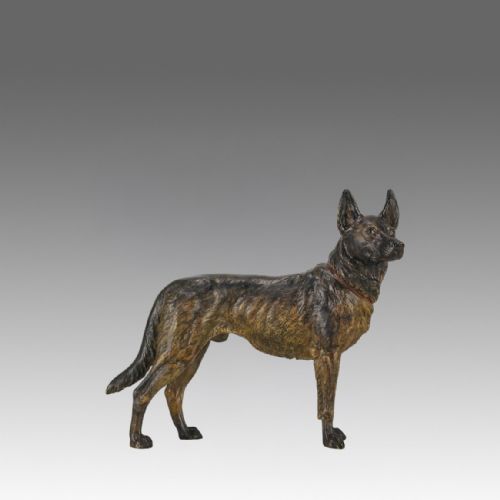
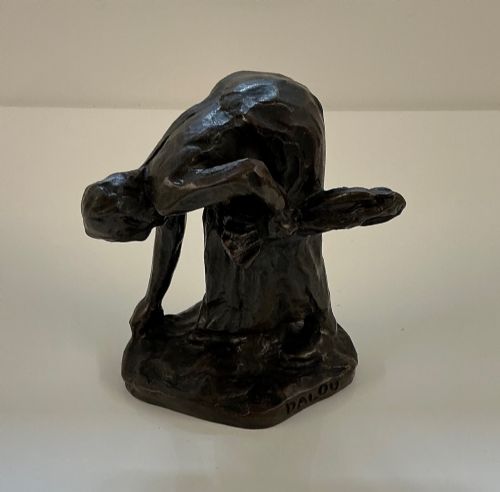
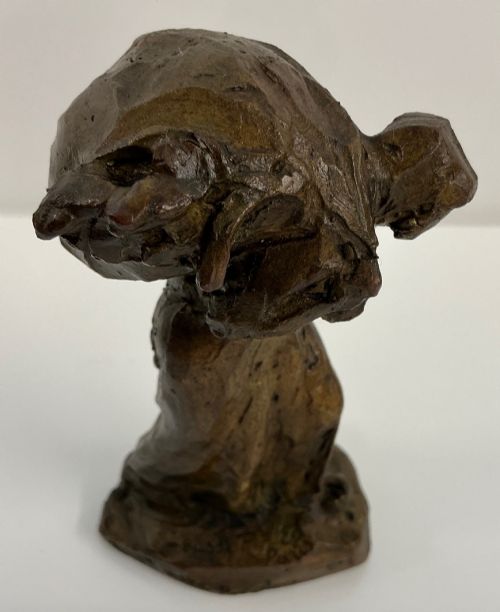
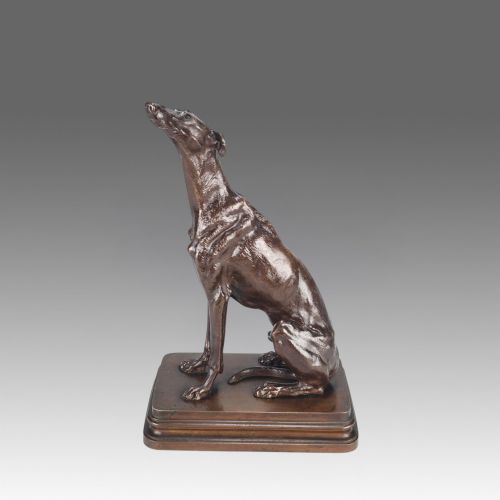
These brown bronze statuette examples range from intimate animal studies to classical figures, bringing tactile weight and narrative presence to a room.
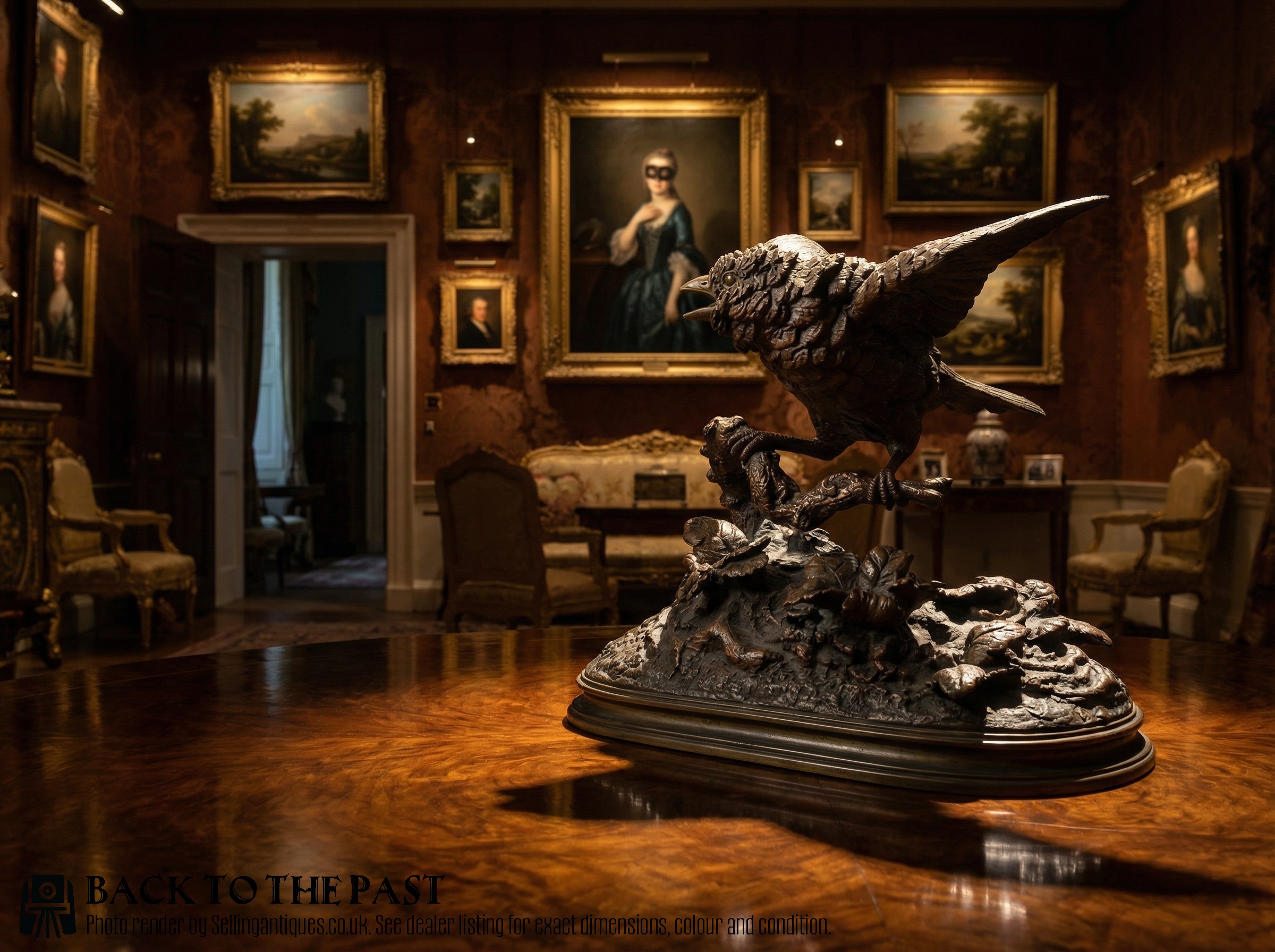
Brown Bronze Statuette
A brown bronze statuette brings together small-scale metal sculpture produced across the nineteenth and early twentieth centuries. These pieces encompass figurative works, animal studies, and decorative items such as mantel clocks and table lighters.
The objects derive from several distinct European traditions, including French Realism, Art Nouveau, and Vienna workshops. Many examples adopt specific regional characters, ranging from Grand Tour souvenirs to playful animalier subjects.
Materials and techniques
Foundry work relies on metal casting, often utilising copper alloy to achieve durable sculptural forms. Finished surfaces frequently receive patination treatments to produce deep brown tones, or incorporate cold-painted pigments for added colour.
Many sculptures incorporate secondary elements like marble bases or wooden mounts to support the cast metal figures. Artisans frequently added hand-chased details after casting to define textures in hair, drapery, and natural elements.
Brown Bronze Statuette Retail Price Guide 2026
Typical asking prices for brown bronze statuette among the pieces listed under this phrase on Sellingantiques today, from the lower quarter to the upper quarter. They describe what is for sale here now, not the wider market.
Listings feature bronze and patinated bronze alongside marble, wood, and cold paint across the nineteenth and early twentieth centuries.
Assessing quality
The success of a cast rests upon the crispness of the chasing and the subtlety of the brown patina. Weaker examples show soft surface details and muddy coloration that obscure the underlying metalwork.
Artistic authorship and foundry reputation strongly influence the standing of a piece. Works bearing signatures from established sculptors or recognised foundries demonstrate superior articulation and compositional balance.
Rudolf Küchler·Christophe Fratin·Alfred Dubucand·Franz Bergman·Jules Dalou·Carl Kauba·Emmanuel Villanis·Antoine Louis Barye
The Brown Bronze Statuette Glossary
- Animalier
- A style focusing on realistic depictions of animals, particularly predators and domestic beasts in motion. This genre flourished in nineteenth-century France through dedicated bronze sculptors.
- Cold-Painted Bronze
- A technique where oil paint is applied to a cold metal surface rather than fired in a kiln. This method allows for vivid polychrome finishes on small Austrian figures.
- Grand Tour
- A cultural journey undertaken by wealthy Europeans to classical sites, resulting in the acquisition of miniature bronze souvenirs. These reproductions often depicted ancient statues and mythological figures.
- Patination
- The chemical treatment of a metal surface to alter its colour and tone. In these sculptures, chemical processes produce warm brown or dark patinas that protect the bronze.
- Chasing
- The manual refinement of a raw metal casting using hammers and punches. This finishing step restores fine textures and removes casting seams left by the mould.
Brown Bronze Statuette: Frequently Asked Questions
How do I identify periods?
Stylistic indicators such as flowing Art Nouveau lines or strict classical proportions point toward specific decades of production. Foundry stamps and artist signatures provide further chronological markers.
Materials like marble plinths and specific cold-painting techniques also help narrow down the date of manufacture.
Where were they made?
The majority of these pieces originate from workshops in France and Austria, which dominated European art casting. Italian foundries also produced significant numbers of classical souvenirs.
These regional centres employed specialised artisans who managed everything from the initial metal pour to the final surface patination.
How should I display them?
These compact sculptures suit placement on desks, bookshelves, and mantelpieces where their tactile details remain accessible. Adequate lighting helps reveal the subtle variations in the brown patination.
Keeping them away from direct moisture protects the metal surfaces and any applied cold-paint finishes from degradation.