



Turn of Century Bronze
Turn of century bronze brings together sculpture, clocks and decorative objects from around 1900, capturing the fluid lines of Art Nouveau and classical revival forms.
Turn of Century Bronze
Turn of century bronze encompasses a wide assortment of decorative metalwork, sculptures, and utilitarian objects created around 1900. Pieces from this era frequently adopt the flowing, organic motifs of Art Nouveau or look back to Neoclassical and Victorian traditions.
Buyers searching for this phrase encounter figures, mantel clocks, vases, candlesticks, and fireplace fenders originating from Britain, France, Austria, and America. These items reflect the transition from nineteenth-century historicism into early twentieth-century design.
Materials and construction
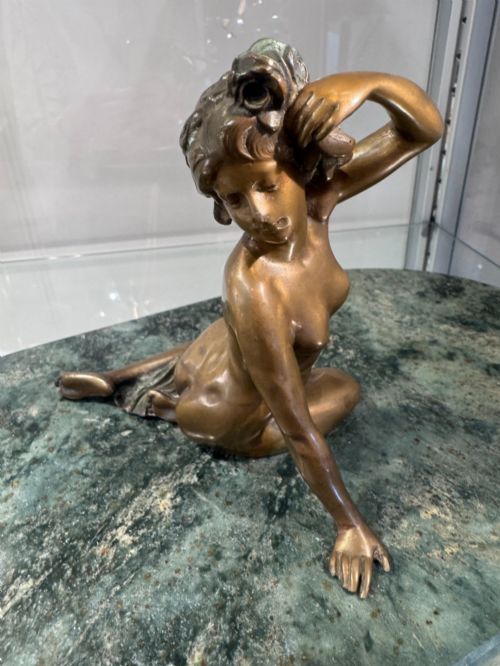
The primary material is bronze, often patinated to achieve dark brown or greenish tones, or gilded to create a bright, reflective surface. Alternative metals such as brass, copper, and spelter appear alongside mixed media elements like marble bases, onyx columns, and crystal vessels.
Manufacturing methods involve traditional casting techniques, cold-painting, and chased detailing applied to both individual sculptures and larger architectural elements like fenders and clock mounts.
Turn of Century Bronze Retail Price Guide 2026
Typical asking prices for turn of century bronze among the pieces listed under this phrase on Sellingantiques today, from the lower quarter to the upper quarter. They describe what is for sale here now, not the wider market.
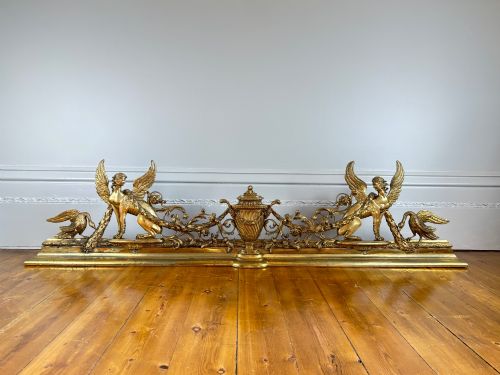
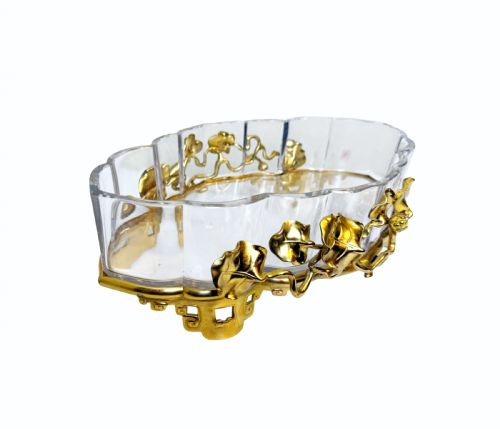
Listings from this era combine solid bronze sculptures with functional items like fireplace fenders, mortar and pestle sets, and crystal centrepieces.
Assessing quality
Signed pieces by recognised modlers or foundries carry distinct artistic weight compared to anonymous commercial production, reflecting the skill of the original designer rather than mere mass manufacture.
E F Caldwell New York·R Varnier·Abel Landry·Franz Bergman·Charles Korschann·Edith Parsons·Carl Kauba·Henry Berkeley
The Turn of Century Bronze Glossary
- Patinated bronze
- Bronze treated with chemicals or heat to produce a coloured surface layer. This coating protects the underlying metal while enhancing shadow and depth in sculptural details.
- Spelter
- An alloy of zinc and lead often used as a cheaper alternative to bronze. It takes a bronze-like finish easily but remains softer and lighter in weight.
- Cold painted
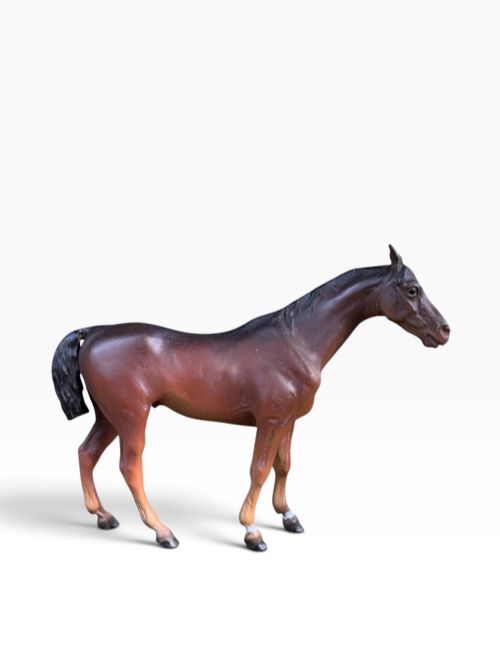
- Paint applied to a bronze object after casting, without subsequent firing. This technique is particularly characteristic of Austrian animal and human figures from the period.
- Animalier
- Artworks focusing on the realistic depiction of animals, especially popular in nineteenth and early twentieth-century French and Viennese sculpture.
- Champlevé
- An enamelling technique where troughs are dug into a metal surface and filled with vitreous enamel before firing. It appears frequently on decorative vases and vessels from the era.
Turn of Century Bronze: Frequently Asked Questions
How do I clean a bronze sculpture safely?
Dust the surface regularly with a soft, dry brush to prevent dirt accumulation. Avoid using chemical cleaners, water, or abrasive cloths that can strip the patination.
Apply a microcrystalline wax sparingly if the metal requires protection, buffing it gently with a clean cloth. Professional conservation is advisable for valuable or delicate pieces.
What is the difference between bronze and spelter?
Bronze is a durable copper and tin alloy that feels heavy and cold to the touch. Spelter is a softer, lighter zinc-based metal that was frequently cast as an economical substitute.
Examining the underside or an area of wear reveals the paler grey metal of spelter beneath the surface finish. Bronze develops a stable patina over time, whereas spelter tends to flake or crack more readily.
Are these clocks still in working order?
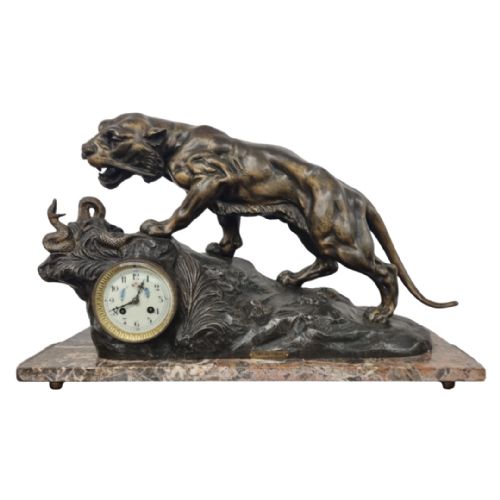
Many mantel clocks retain their original movements, such as single chain fusee mechanisms, but operational status varies between individual items. Some require professional servicing or adjustment to keep accurate time after decades of static display.
Inspect the internal escapement and dial components carefully, or consult the dealer regarding recent maintenance history before winding an antique movement.
Where should I place these items in my home?
Sculptures and bookends suit sturdy wooden surfaces like mantelpieces, desks, or bookshelves where their weight provides stability. Position them away from direct sunlight and moisture to protect patinas and associated materials like marble or onyx.
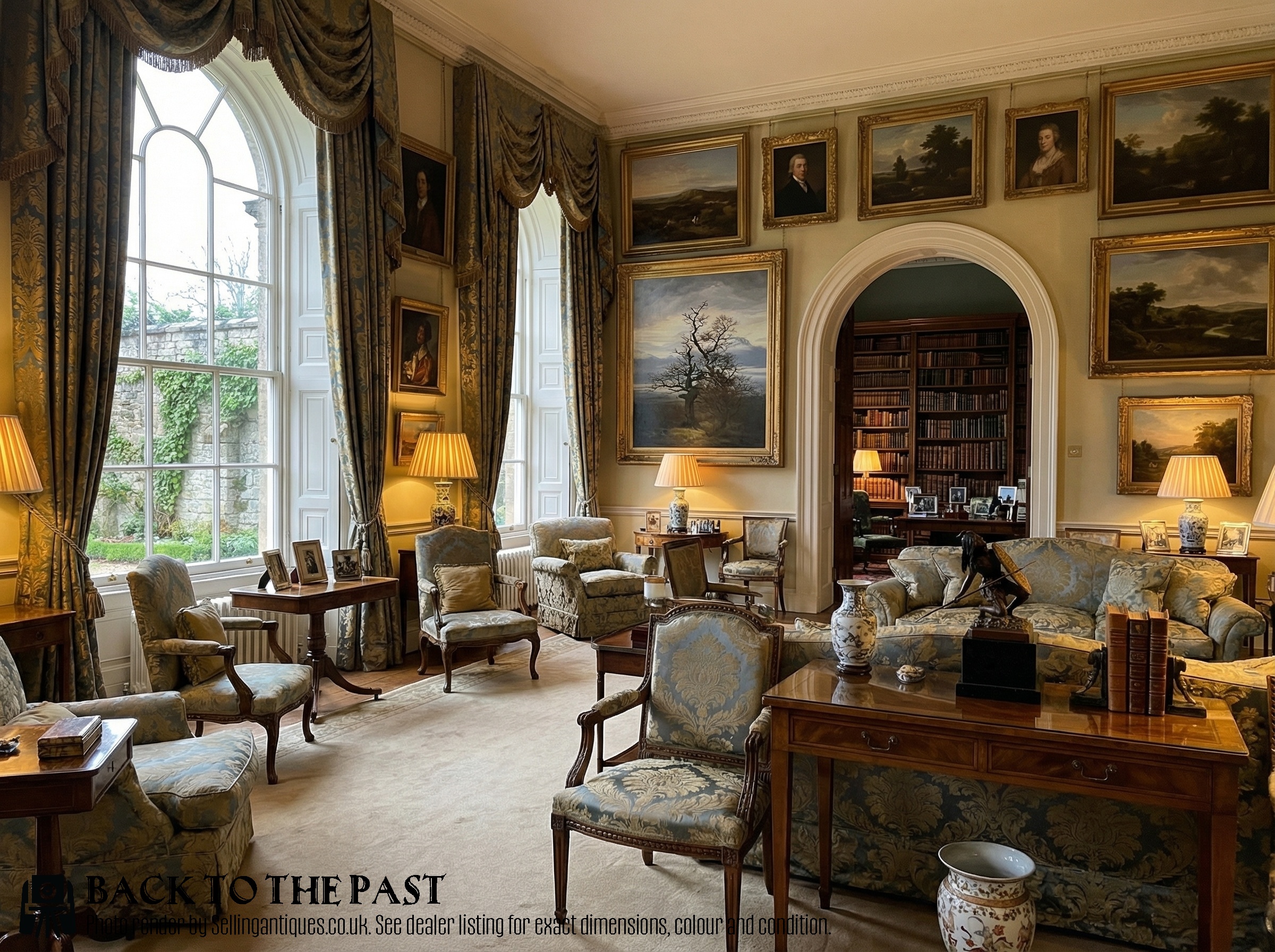
Pairing candlesticks or clocks with complementary decorative objects creates a balanced display that reflects early twentieth-century interior aesthetics.