




Meiji Period Bronze Vase
A meiji period bronze vase brings sculptural weight and masterly metalwork into a room, offering the collector a distinct piece of Japanese artistry.
What meiji period bronze vase examples look like
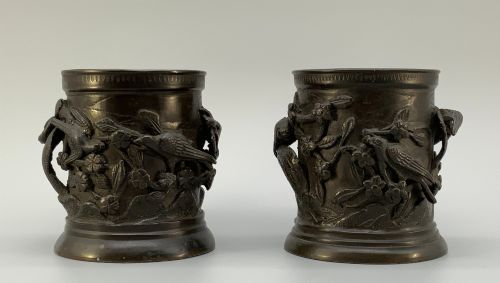
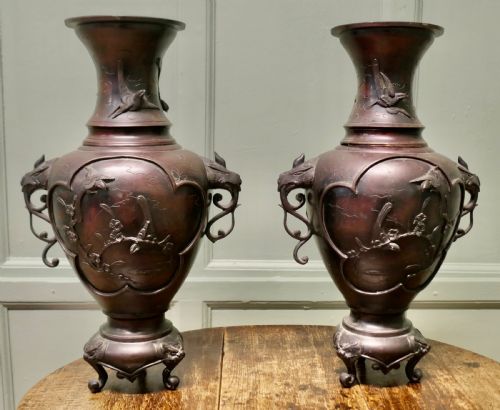
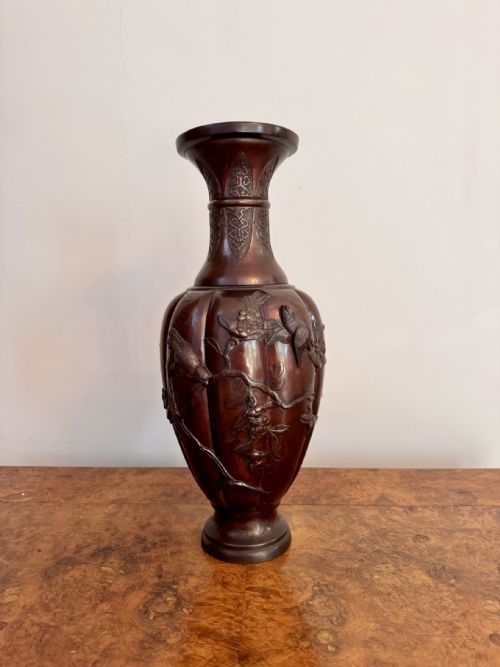
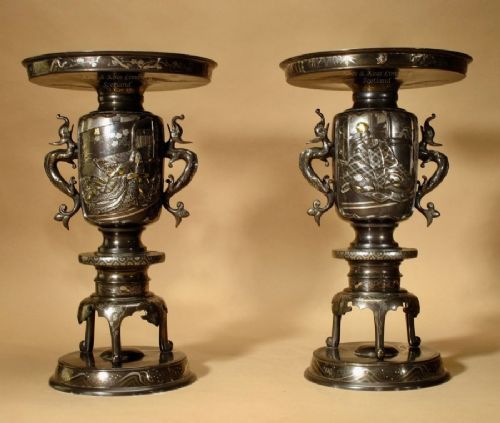
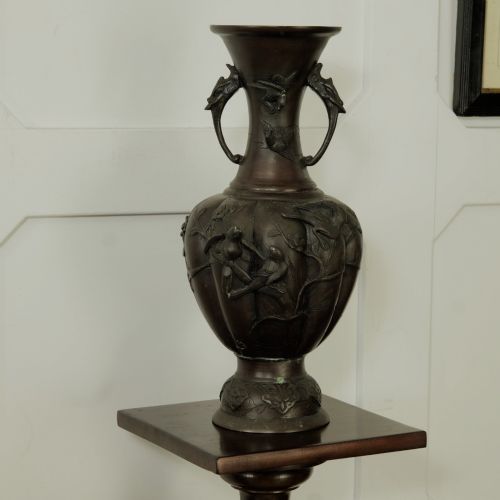
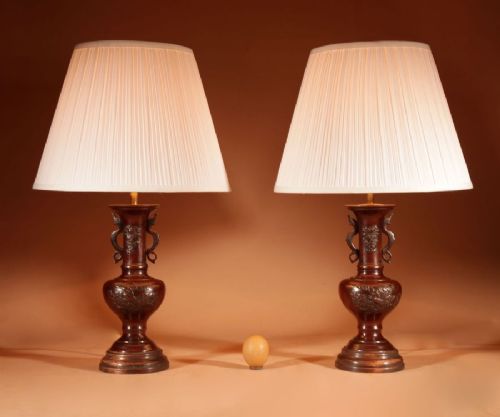
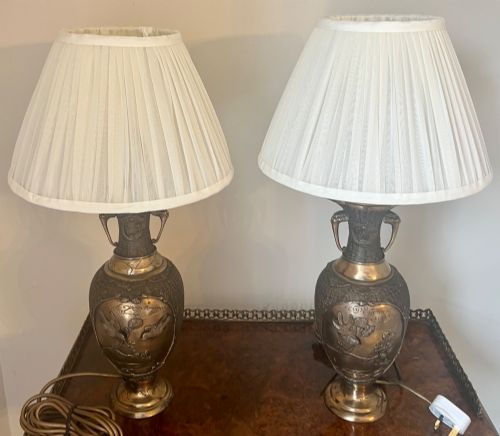
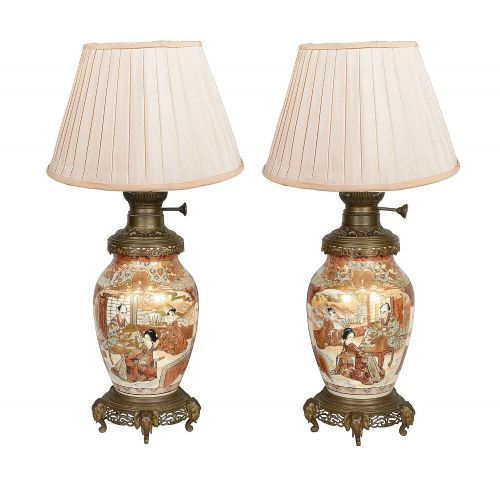
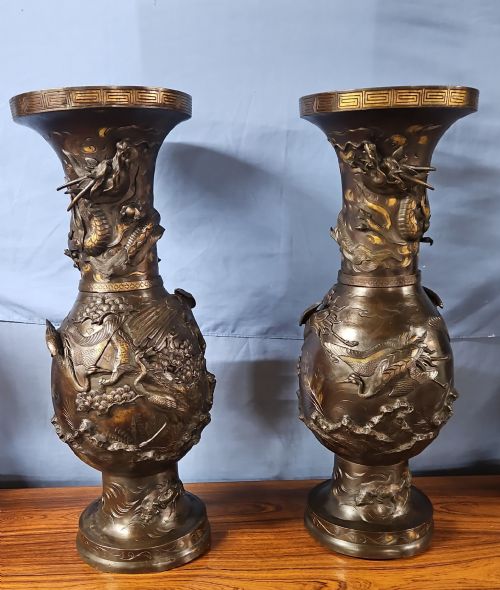
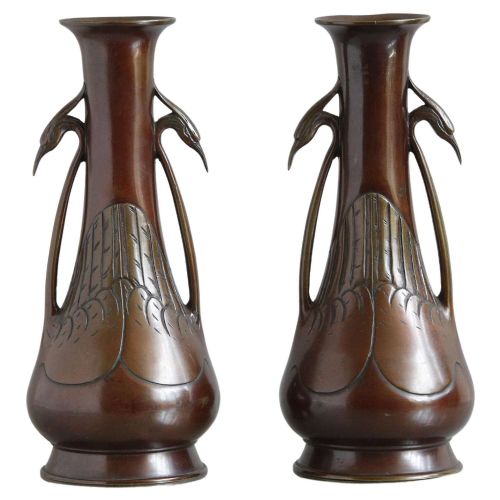
A meiji period bronze vase typically presents as a substantial Japanese vessel shaped during the late nineteenth or early twentieth century. Collectors frequently encounter forms such as baluster shapes, bottle vases, and twin-handled designs.
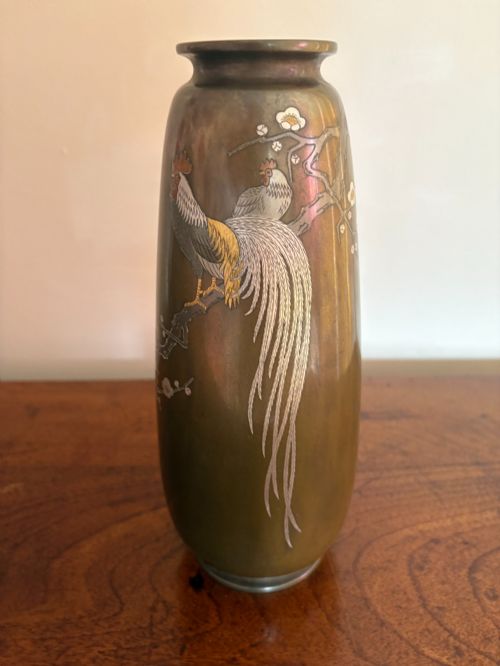
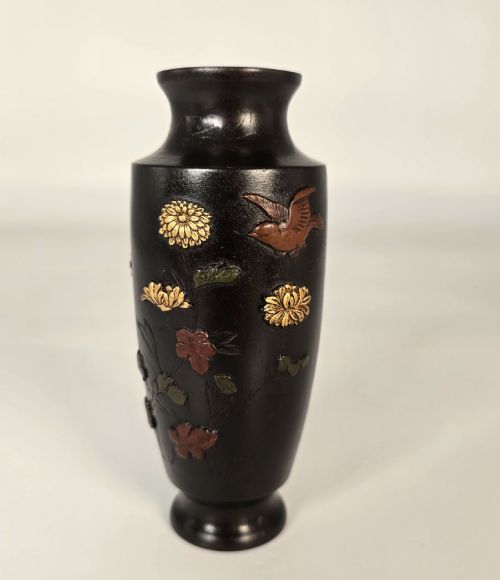
Many examples arrive decorated with birds, dragons, or mixed metal highlights. These pieces span from the early Meiji years through to the 1920s, reflecting the evolving tastes of Japanese metalworkers.
How they were made
Makers cast these vessels in bronze, patinated metal, and copper, applying patination to achieve deep surface tones. Artisans then integrated silver, gold, and gold inlay to build contrasting motifs across the body of the vase.
Certain vessels incorporate champleve enamel work alongside metal inlays. These varied techniques require precise handwork, combining casting with meticulous surface ornamentation.
Retail Price Guide 2026
Typical UK retail prices for meiji period bronze vase, calculated from the Sellingantiques database of over a million retail prices indexed since 2003. This retail price guide relies exclusively on Sellingantiques data; no external sources or auction records are used, so the figures do not describe the wider market.
What varies in quality
Quality rests in the precision of the metal inlay and the depth of the patinated surface. Superior examples demonstrate crisp definition in details such as dragons or birds, where the metals merge seamlessly.
The weight of the bronze and the balance of the vessel form contribute further distinctions. Finer pieces display deliberate proportion and careful finishing from base to rim.
KANASAWA·Seiya·Yamamoto zo·Kosen
The Meiji Period Bronze Vase Glossary
- Meiji Period
- The era in Japanese history spanning from 1868 to 1912. This period saw a flourishing of decorative arts destined for both domestic and international collectors.
- Mixed Metal
- A technique combining bronze with copper, silver, and gold. Artisans used contrasting metals to create pictorial scenes on the surface of a vessel.
- Champleve Enamel
- A method where troughs are dug into the bronze surface and filled with enamel before firing. This adds vibrant colour highlights to the metallic body.
- Ikebana Vase
- A Japanese vessel designed specifically for flower arrangement. These pieces feature proportions suited to holding stems securely.
- Patinated Metal
- Metal treated with chemicals or heat to alter its surface colour. This process produces rich brown, black, or green tones on the bronze.
Frequently Asked Questions
How do I identify a meiji period bronze vase?
Look for the characteristic weight of the bronze and traditional Japanese motifs such as birds or dragons. Many examples feature mixed metal highlights or distinct patination typical of late nineteenth and early twentieth century metalwork.
Examine the base and surface for signatures or maker marks. Comparing the proportions and construction methods helps distinguish these pieces from later reproductions.
Where were these vases displayed?
These vessels were placed in reception rooms and parlours as decorative centrepieces. Some taller examples stood on dedicated display stands to elevate their presence.
Smaller variants served practical functions for floral arrangements or incense burning. Their sculptural qualities suited prominent surfaces within a home.
What is mixed metal decoration?
Mixed metal work involves inlaying contrasting materials like silver, gold, and copper into a bronze ground. This technique creates detailed pictorial elements across the body of the vessel.
Artisans hammered or fitted these precious metals into carved recesses. The resulting contrast gives the design depth and varied tonality.
How should I clean a bronze vase?
Dust the surface gently with a dry, soft cloth to remove everyday particles. Avoid using metal polishes or harsh chemical cleaners, as these can strip away the original patination.
Preserving the aged surface maintains the character and historical integrity of the metalwork. Consult a specialist if deeper conservation is required.