


Antique Japanese Vessel
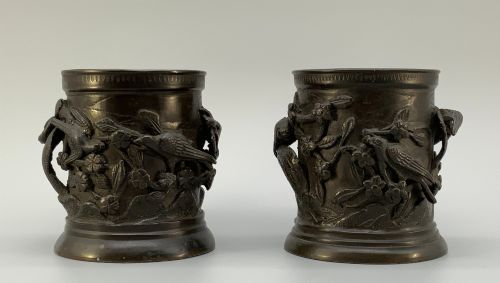
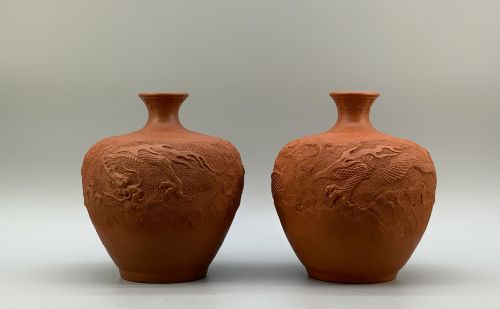
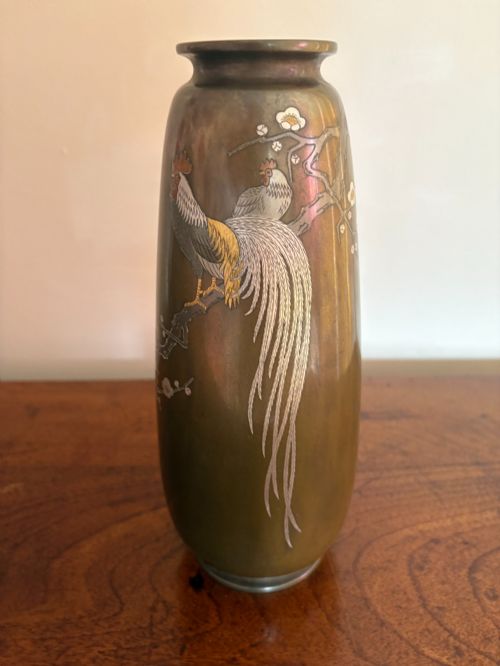
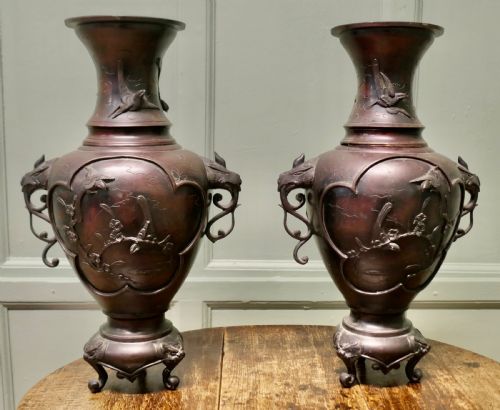
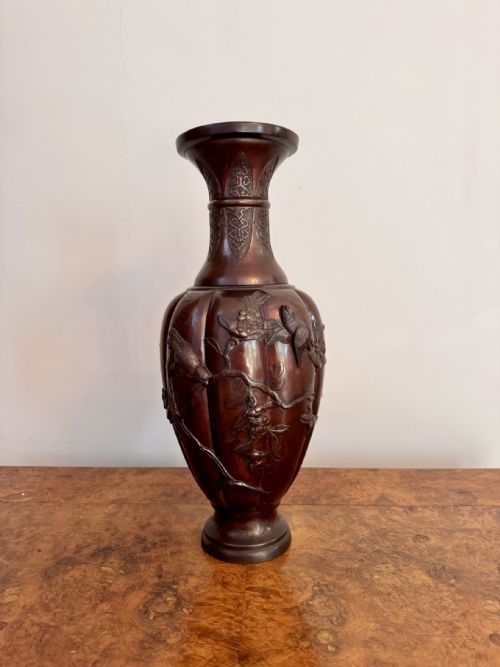
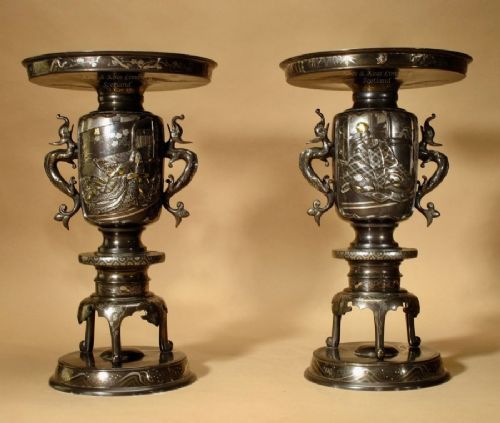
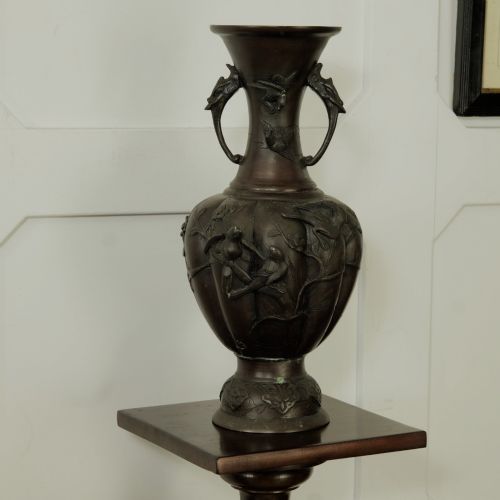
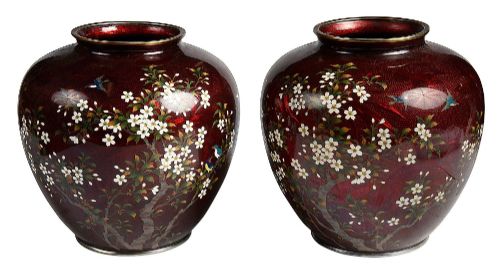
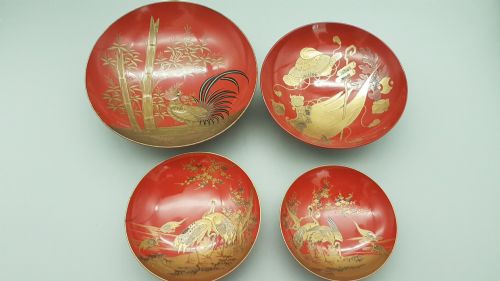
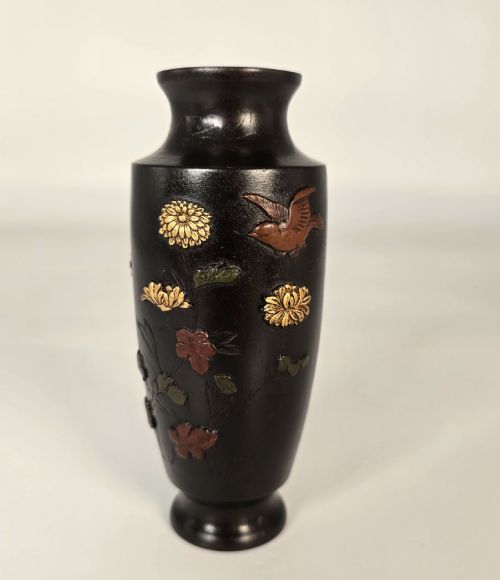
An antique japanese vessel brings centuries of master craftsmanship into a room, spanning delicate porcelain bowls and robust bronze vases.
Antique Japanese Vessel
An antique japanese vessel encompasses a diverse array of utilitarian and decorative objects, including vases, incense burners, jardinieres, bowls, and baskets. The listings on this page draw predominantly from the Meiji period and the nineteenth century, reflecting an era of intense artistic output for export and domestic use.
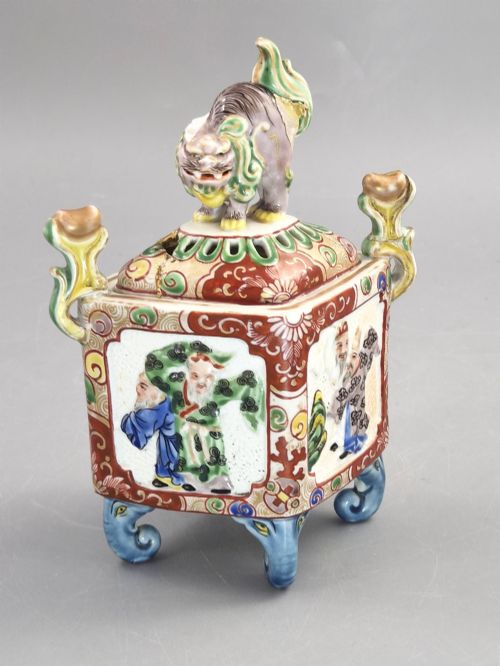
Makers utilised various traditional forms such as the baluster vase, the koro incense burner, and the floor-standing display piece. Earthenware, porcelain, and bronze dominate the material record, showcasing the versatility of Far Eastern kilns and metalworking studios.
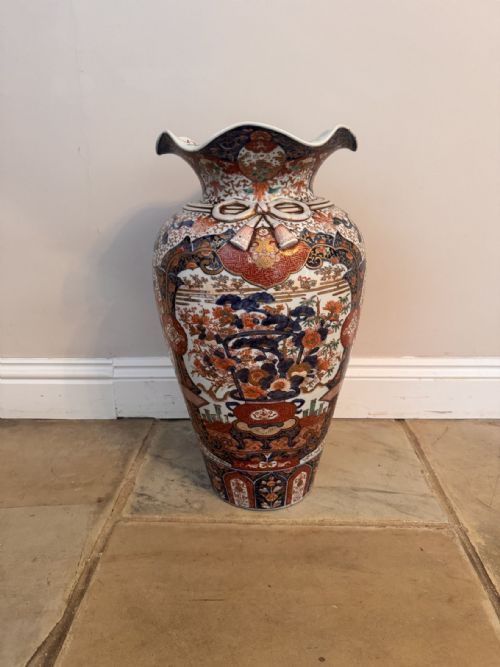
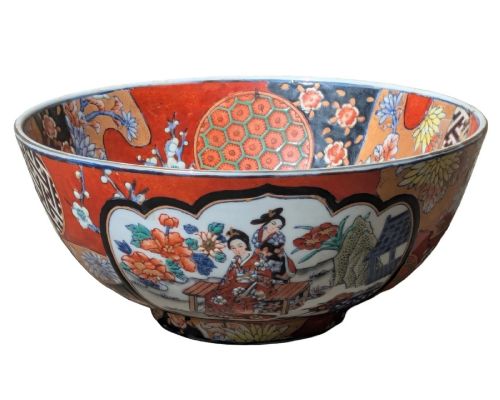
Among the items encountered, Satsuma ceramics and Imari porcelain appear frequently alongside patinated bronze and textured Sumida Gawa pottery. Each form serves as a tangible link to the aesthetic priorities of late imperial and Meiji-era Japan.
Materials and Technique
Bronze vessels gain their structure through traditional casting methods, often enhanced by surface treatments like inlaid metals, champlevé enamel, and applied gilt highlights. Artisans manipulated copper alloys to achieve deep patination before adding intricate decorative motifs.
Ceramic pieces rely on skilled throwing and moulding, followed by high-temperature firing for porcelain or lower-temperature earthenware production. Techniques such as hand-painted Imari cobalt underglazes, polychrome Satsuma enamelling, and the thick, melting glazes of Sumida Gawa pottery define the physical surface.
Organic additions like gold leaf and lacquered finishes complete specific items, requiring meticulous layering and polishing by specialist craftspeople. The combination of durable metals and vitreous coatings ensures these pieces retain their structural integrity across generations.
Antique Japanese Vessel Retail Price Guide 2026
Typical asking prices for japanese vessel among the pieces listed under this phrase on Sellingantiques today, from the lower quarter to the upper quarter. They describe what is for sale here now, not the wider market.
Listings feature ceramics and bronzes spanning from the Edo period through the Meiji and Taisho eras.
Evaluating Execution
The distinction between standard commercial output and superior craftsmanship rests on the crispness of detail in the casting, modelling, or painting. Master artisans maintained tight control over proportions and surface finish, whereas lesser pieces often show rushed painting or uneven metal patination.
Signature and mark placement offer insight into the workshop origin and the standing of the maker within the artistic community. Clear, well-executed signatures by recognised names elevate a piece above unmarked or generically produced counterparts.
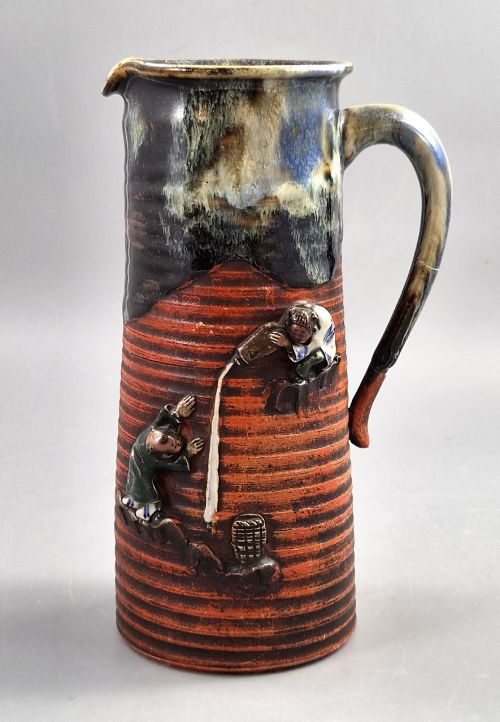
The complexity of the decorative scheme, such as multi-figure scenes on Sumida Gawa pottery or meticulously applied gold leaf on Satsuma ceramic, separates standard utility ware from exhibition-grade works.
KANASAWA·KINKOZAN·MAKUZU KOZAN·HOTODA·BAN-NI
The Antique Japanese Vessel Glossary
- Imari
- A style of Japanese porcelain featuring a distinct palette of underglaze blue, iron red, and gilt highlights. These wares were heavily exported to Europe during the Edo and Meiji periods.
- Satsuma
- A type of earthenware pottery with a crackled ivory glaze, typically decorated with elaborate polychrome enamels and raised gold. It became exceptionally popular during the late nineteenth century.
- Koro
- A traditional Japanese incense burner, usually featuring a pierced lid to allow scented smoke to escape. They are frequently supported on decorative feet and rendered in bronze or porcelain.
- Meiji Period
- The era in Japanese history spanning from 1868 to 1912, characterised by rapid modernisation and an explosion of decorative arts destined for Western markets.
- Sumida Gawa
- A distinctive style of Japanese pottery originating from the banks of the Sumida River, known for its heavy, dripping flambé glazes and applied clay figures.
Antique Japanese Vessel: Frequently Asked Questions
How do I clean an antique bronze vessel?
Dust the surface gently with a soft, dry brush to prevent the accumulation of abrasive particles.
Avoid using water, chemical polishes, or abrasive cloths, as these treatments strip the historic patination that accumulates over centuries.
Were Satsuma vases made for export?
Many Satsuma ceramics produced during the late nineteenth century were tailored specifically for European and American tastes.
These pieces often feature denser gilding and more elaborate narrative scenes than items created strictly for domestic Japanese interiors.
What is an ikebana basket used for?
An ikebana basket serves as a vessel for traditional Japanese flower arranging, holding bamboo containers or metal liners for water.
These woven bamboo pieces bring natural texture into living spaces and reflect seasonal changes through floral presentation.
How can I identify a Meiji period piece?
Meiji period items often display a combination of traditional motifs and Western aesthetic influences resulting from the opening of trade.
Maker signatures, highly detailed bronze patination, and prolific use of export-oriented Satsuma and Imari styles point toward this era.